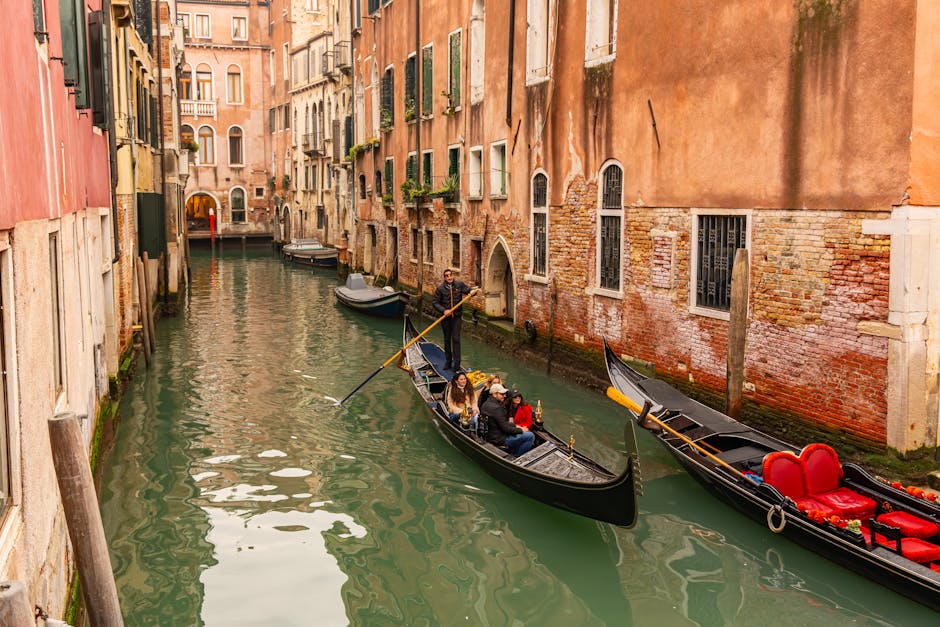
Self-guided audio tour in Venice
Start Free on iPhone
Start free on iPhone to unlock this self-guided walking tour in Venice. Hear all the stories that make it amazing, walk at your own pace, and begin whenever you want.
Your Private Tour Guide
Step away from the gondola-clogged canals of San Marco and follow the footsteps of the merchants who built the Venetian Republic. This self-guided walk takes you from the bustling Rialto Bridge, once the Wall Street of the Mediterranean, into the quieter, evocative residential quarters of Cannaregio. Venice was born of trade, and this walking route reveals how that wealth was expressed through stone, marble, and intricate carvings. You will explore the transition from the frantic energy of the markets to the peaceful squares where local life still hums in the shadow of centuries-old palaces. Beginning at the iconic Rialto Bridge, you will learn about the engineering marvel that connected the city's commercial hubs. From there, the route leads to the Fondaco dei Tedeschi, a massive warehouse that once housed German merchants and their goods, serving as a reminder of Venice's status as a global crossroads. As you move deeper into the city, you will encounter the architectural elegance of the Venetian Renaissance at the Chiesa di San Giovanni Crisostomo and the legendary home of Marco Polo at the Corte Seconda del Milion. This neighborhood stroll offers a rare glimpse into the private world of Venice's most famous explorers. Finally, the path leads you into Cannaregio, a district known for its authentic atmosphere and hidden stories. Here, the architecture takes a turn toward the exotic at the Ca'Mastelli, also known as the House of the Camel. Exploring independently allows you to notice the small details often missed on a standard walking tour Venice—the way the light hits a particular canal or the ancient stone reliefs tucked into narrow alleyways. Whether you are a history enthusiast or an architecture lover, this walking route provides a comprehensive look at the commercial heart and the residential soul of Venice, far beyond the typical tourist traps.
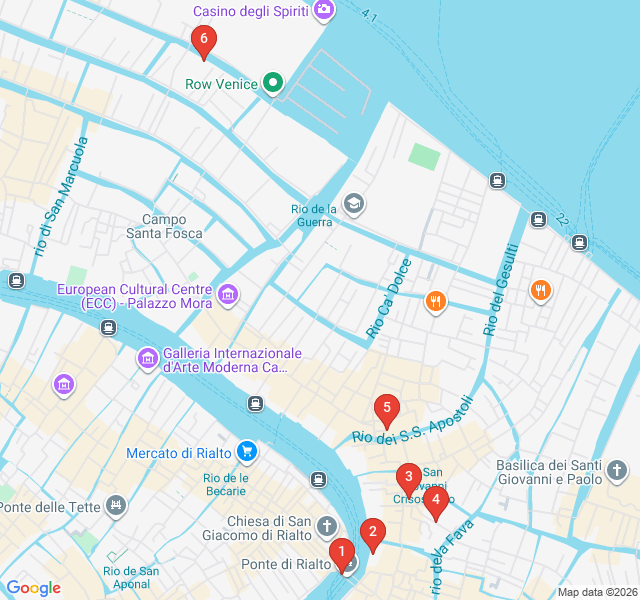
Numbers indicate the order of stops on the tour.
Standing here at the Rialto Bridge, you are at the historic epicenter of Venetian commerce. For centuries, this was the only way to cross the Grand Canal on foot. The current stone structure, designed by Antonio da Ponte and completed in 1591, replaced several previous wooden bridges that had a habit of collapsing or burning down. Look closely at the shops lining the bridge; they aren't a modern addition but a tradition dating back to the bridge's inception, designed to help pay for its upkeep. In the 16th century, the banks surrounding this bridge were filled with bankers, spice merchants, and silk traders from across the globe. It was the financial heart of an empire that stretched to the ends of the known world.
Just steps from the bridge stands the Fondaco dei Tedeschi. The word 'Fondaco' comes from the Arabic 'funduq,' meaning an inn or storehouse. This massive building served as the headquarters and restricted residence for German merchants in Venice. It was a city within a city, where trade was strictly regulated by Venetian officials to ensure taxes were paid. While the interior has been transformed into a luxury department store today, the structure's scale speaks to the immense volume of trade passing through Venice. Historically, its exterior was covered in frescoes by Titian and Giorgione, though only fragments remain today in museums. It stands as a monument to Venice’s role as the primary gateway between Europe and the East.
This small but significant church is a masterpiece of the early Venetian Renaissance. Completed in the early 1500s, it was the final work of the architect Mauro Codussi. Unlike the gothic style seen elsewhere in the city, this church emphasizes geometry and light, featuring a Greek-cross floor plan. Inside, it houses incredible works by Giovanni Bellini and Sebastiano del Piombo. The church was built for the wealthy merchants of the surrounding parish, reflecting their desire to showcase their piety and their sophistication. Take a moment to appreciate the terracotta-colored facade, which provides a warm contrast to the stone-heavy Rialto area you just left behind.
Welcome to the site traditionally identified as the home of Marco Polo, Venice’s most famous traveler. The name 'Milion' comes from Polo’s nickname; supposedly, he told so many stories of the millions of people and riches in China that Venetians began calling him 'Messer Milion.' While the original Polo family home was largely destroyed by fire in the 1590s, the surrounding courtyard still retains the atmosphere of medieval Venice. Look for the Byzantine-style arches and the old well-head in the center of the square. This area was the base for the Polo family's merchant operations, where they would have packed their bags for the Silk Road, departing on journeys that would last decades.
Campo Santi Apostoli is one of the most important intersections in Venice, where the Strada Nova meets the routes leading to Rialto and the northern lagoon. The church here, according to legend, was one of the first eight churches founded in Venice by San Magno in the 7th century. The square serves as a transition point between the dense commercial district and the more residential Cannaregio. Notice the bell tower; it is one of the tallest in the city. For centuries, this campo has been a social hub where locals gather to chat and children play. It is the perfect place to observe the daily rhythms of Venetian life that continue despite the surrounding tourism.
Located in the quiet reaches of northern Cannaregio, the Ca'Mastelli is famously known as the House of the Camel. Look up at the facade facing the canal and you will see a unique stone relief of a man leading a heavily laden camel. Legend says it was built by three brothers—Rioba, Sandi, and Afani—who fled the Peloponnese in the 12th century. They were wealthy merchants who wanted to signify their Eastern origins. The brothers are also commemorated by stone statues nearby in Campo dei Mori. This house represents the 'hidden' Venice: beautiful, slightly weathered, and steeped in legends of foreign merchants who made this city their own.
Start Free on iPhone
Explore “The Merchant's Path: Rialto to Cannaregio” with your very own Private Tour Guide with Zigway. Start free on iPhone, skip the large group and the fixed routes, and hear the city come alive as you go.
Your Private Tour Guide
Don't miss the good stuff
Explore Freely
 Easy
EasyVenice, Italy
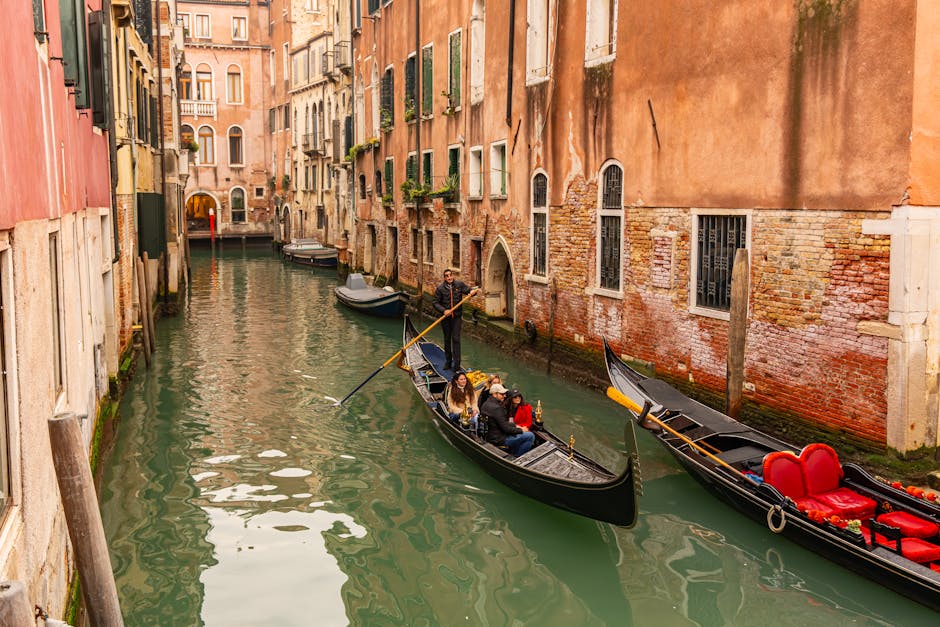
Explore the world’s first Ghetto in Cannaregio. Discover hidden synagogues, high-rise history, and the resilient spirit of Venice’s Jewish community.
 Easy
EasyVenice, Italy
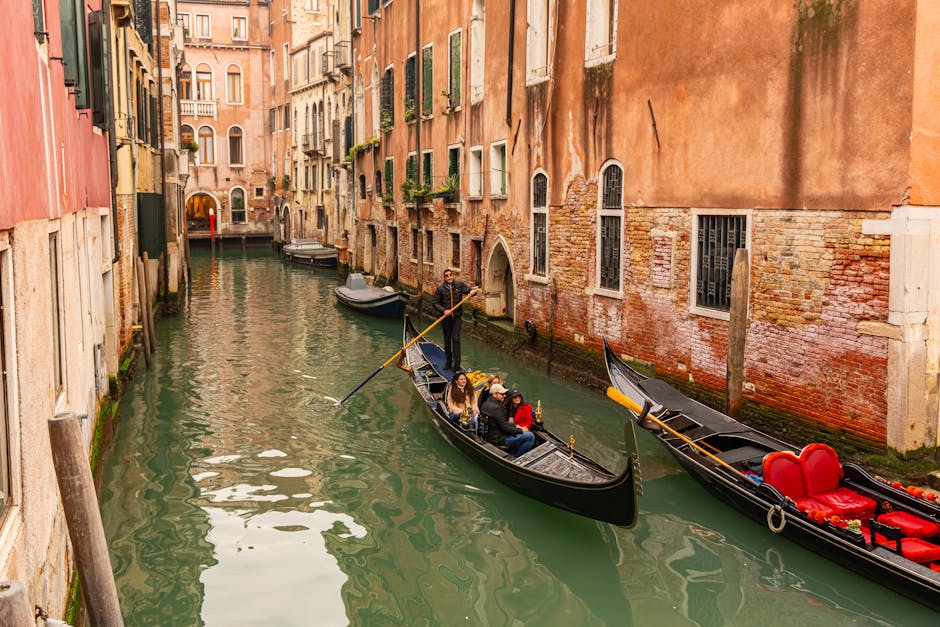
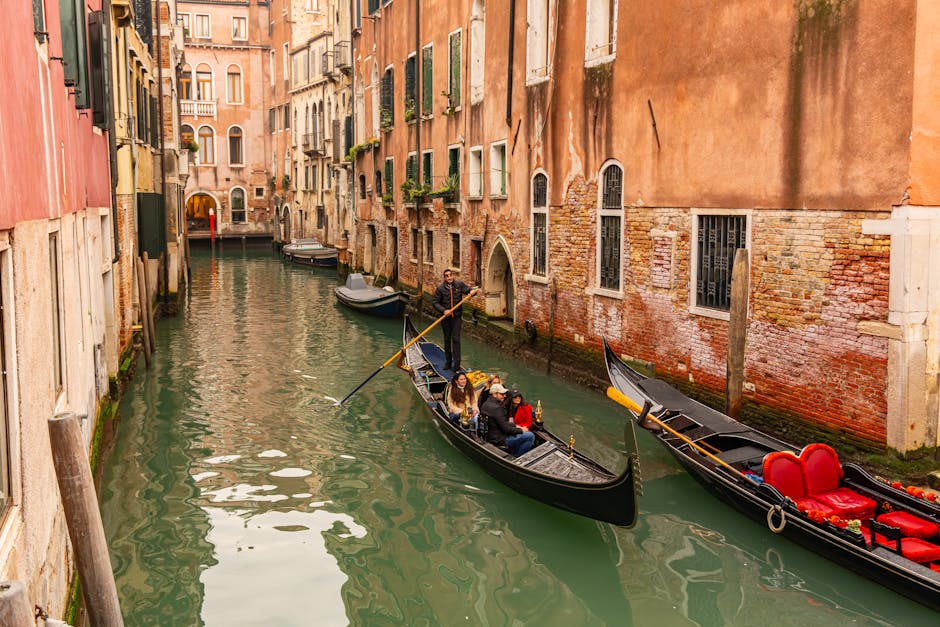
Discover the golden light of Venice's Dorsoduro district with this self-guided stroll along the scenic Zattere promenade.
 Easy
EasyVenice, Italy
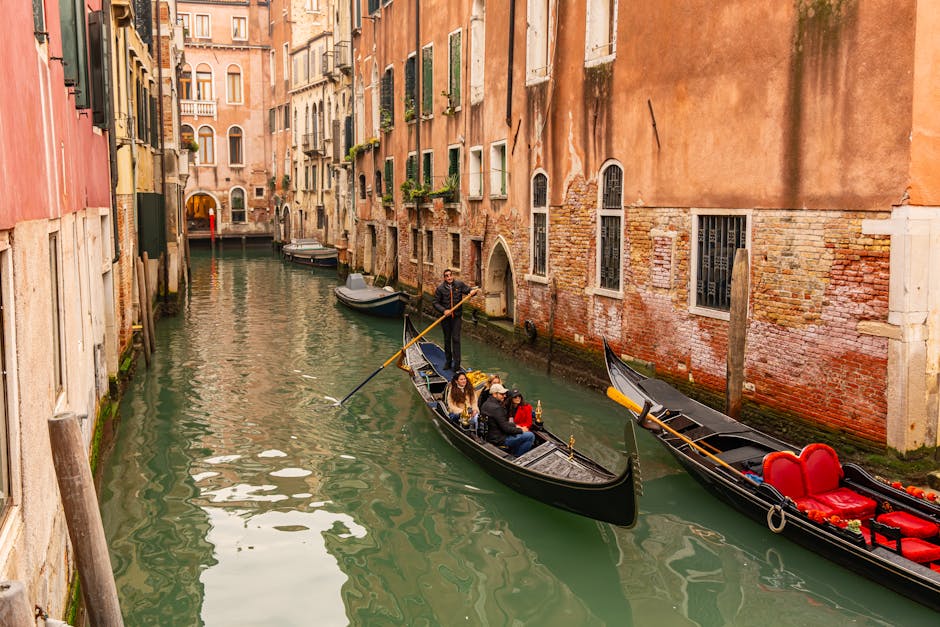
Discover the soul of Venice through its artisans. Explore mask-making, gondola shipyards, and modern art on this self-guided Dorsoduro stroll.
 Easy
EasyVenice, Italy
Trace the lives of Byron, Hemingway, and Dickens on this self-guided literary adventure through Venice’s historic San Marco district.
 Easy
EasyNairobi, Kenya
Explore Nairobi's architectural evolution from colonial-era landmarks to iconic Brutalist skyscrapers on this historic self-guided walking route.
 Easy
EasyNairobi, Kenya
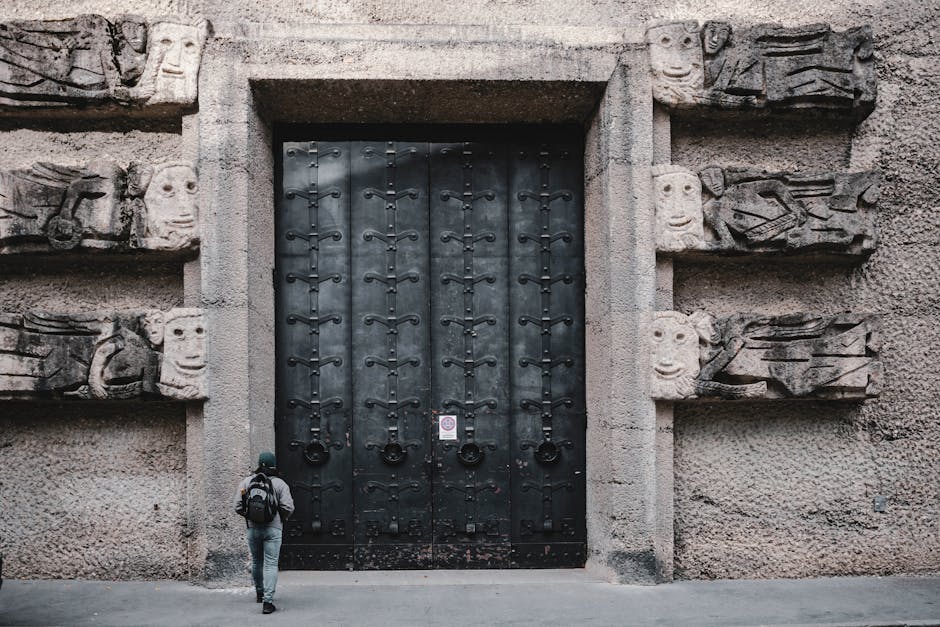
Discover Nairobi's iconic skyline on this self-guided architecture walk through the CBD’s most famous modernist and Brutalist landmarks.
 Easy
EasySalzburg, Austria
Discover the 'Rome of the North' on this self-guided walk through the Baroque squares and monumental legacy of Salzburg’s Prince-Archbishops.
 Easy
EasyGothenburg, Sweden
Discover Gothenburg’s 17th-century Dutch foundations, historic canals, and military fortifications on this self-guided architectural walk.
 Easy
EasyRome, Italy
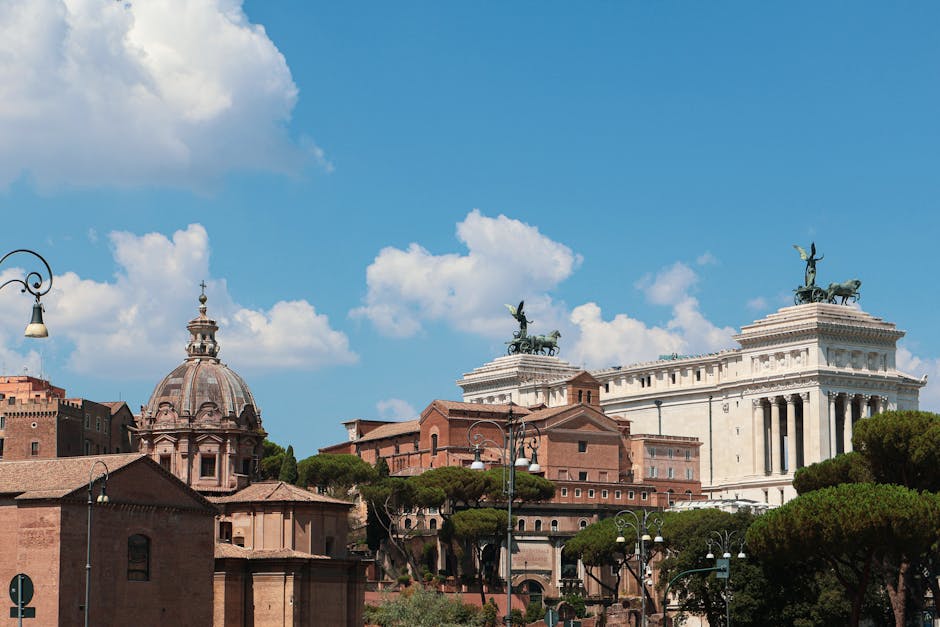
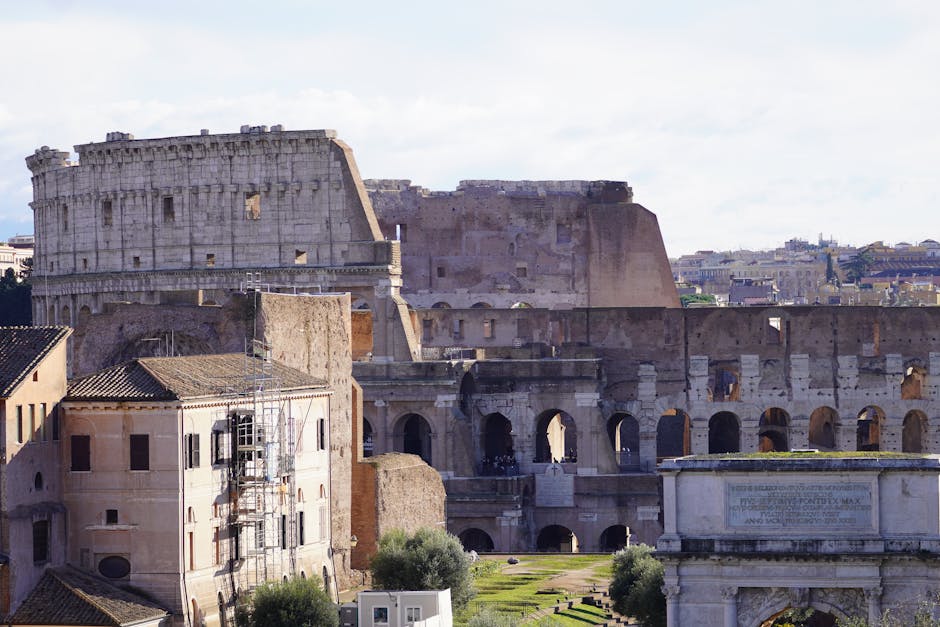
Explore Rome’s industrial heart on this self-guided walk featuring massive murals, the 'Iron Colosseum,' and unique industrial archaeology.
 Easy
EasyRome, Italy
Explore Rome’s whimsical Fairytale District. A self-guided walk through Art Nouveau palaces, mythical fountains, and the magical Coppedè architecture.
 Moderate
Rome, Italy
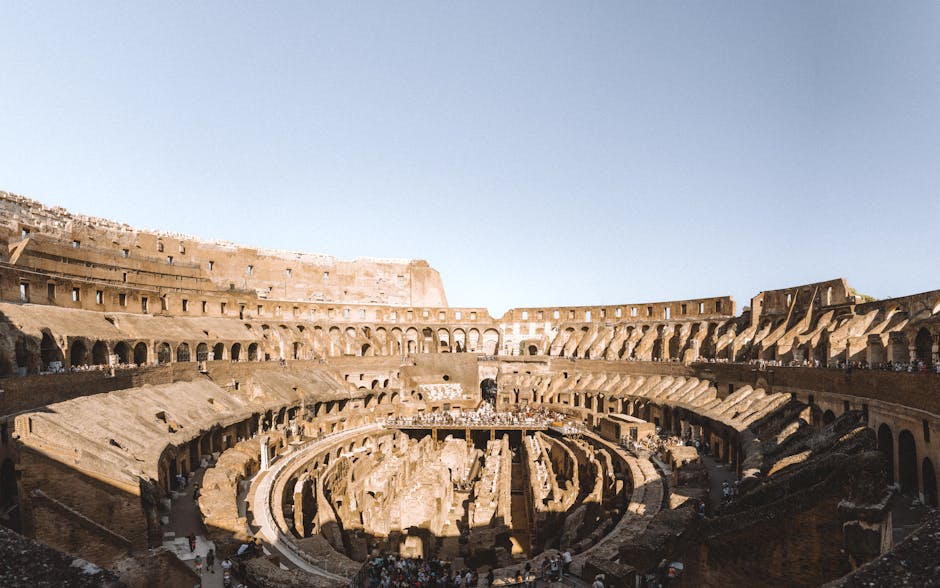
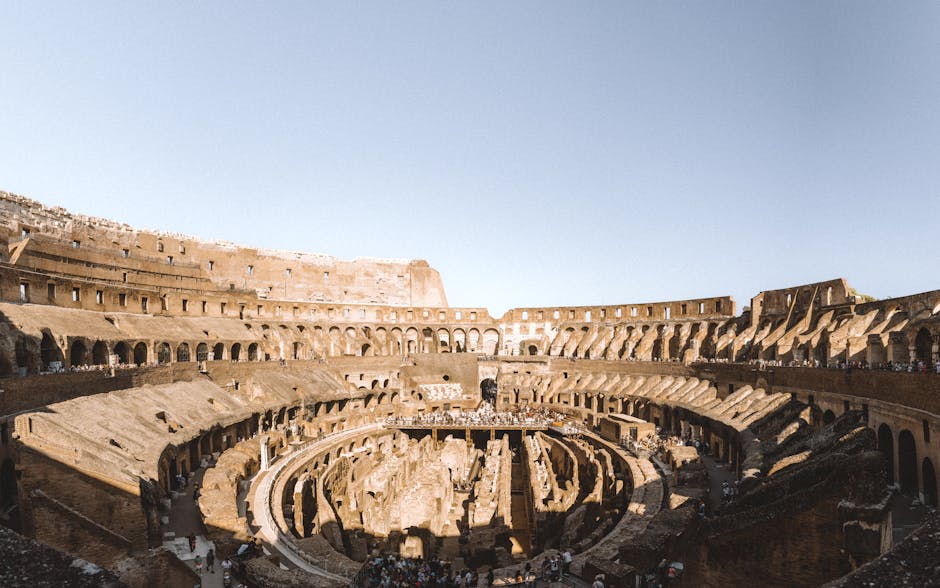
Uncover Rome's hidden history on this self-guided walk through ancient gladiator pits, subterranean temples, and buried Roman houses.
 Challenging
Rome, Italy
Walk the 'Queen of Roads.' Explore ancient catacombs, imperial villas, and historic basalt stones on this scenic self-guided Roman adventure.