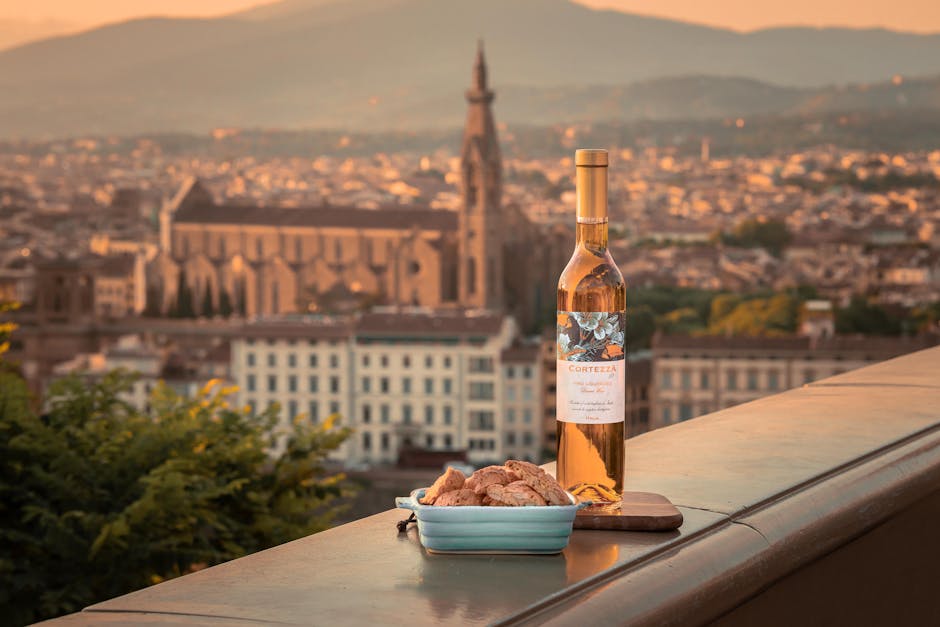
Self-guided audio tour in Florence
Start Free on iPhone
Start free on iPhone to unlock this self-guided walking tour in Florence. Hear all the stories that make it amazing, walk at your own pace, and begin whenever you want.
Your Private Tour Guide
Florence is often celebrated for its Renaissance masterpieces, but its culinary landscape is equally a work of art. This self-guided walk invites you to explore the savory side of the Medici city, moving from the bustling medieval center to the vibrant local neighborhoods of Sant'Ambrogio and San Lorenzo. As you navigate these historic streets, you will discover that Florentine street food is deeply rooted in 'cucina povera'—the tradition of making incredible flavors from simple, local ingredients. This Renaissance Street Food Safari is not just about eating; it is a neighborhood stroll through the evolution of Tuscan taste. You will begin near the political heart of the city at a hole-in-the-wall wine window that has served thirsty locals since the 19th century. From there, the route takes you through the aromatic clouds of freshly baked schiacciata bread on the famous Via dei Neri and into the sweet history of Florentine gelato. As you move away from the primary tourist thoroughfares, you will experience the authentic pulse of the city at the Sant’Ambrogio market, where local residents have bartered for produce for generations. The journey concludes in the San Lorenzo district, home to the architectural marvel of the Mercato Centrale. Here, you can witness the contrast between traditional tripe stalls that have stood for over a century and the modern artisanal food halls that represent the future of Italian gastronomy. This walking route Florence offers is a sensory feast, allowing you to sample everything from truffle-infused sandwiches to the legendary lampredotto. Whether you are a dedicated foodie or a curious traveler, this audio walk provides the context and history needed to eat like a true Florentine. By the end of this self-guided adventure, you will understand why food is the true heartbeat of the Renaissance city. **Note:** This area is known for its ever-changing character. Street art, pop-up venues, and temporary exhibitions may differ from what's described. That's part of the adventure - you might discover something entirely new!
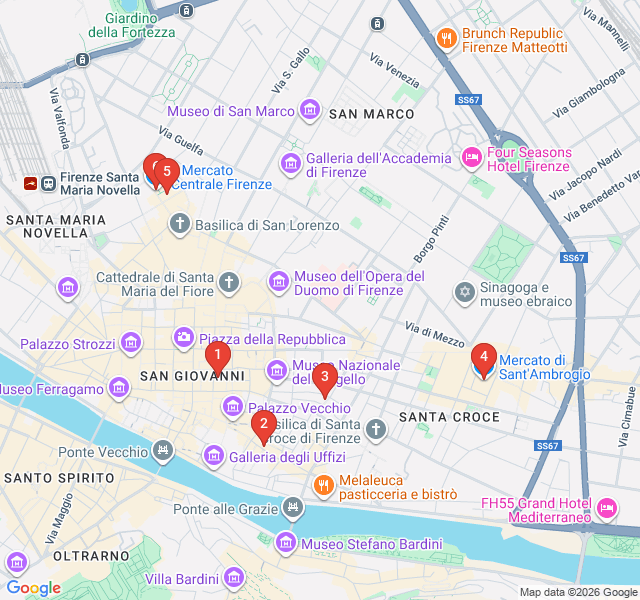
Numbers indicate the order of stops on the tour.
Welcome to the start of your culinary journey. I Fratellini, which translates to 'The Little Brothers,' has been a fixture of Florentine street food since 1875. This tiny, unassuming shop is famous for its 'panini e vino'—small, crusty rolls filled with high-quality Tuscan ingredients and served with a glass of local wine. Look at the wooden shelves lining the walls; they hold dozens of wine bottles ready to be poured. In the past, workers would stop here for a quick snack and a 'gotto' (a small glass of wine) before returning to their shops. It is a perfect example of the city’s historic wine windows, or 'buchette del vino,' though here the service is right on the street. Try a classic truffle cream or goat cheese sandwich to begin your exploration of local flavors.
As you walk down Via dei Neri, the scent of roasting meat and baking bread will likely lead you to All’Antico Vinaio. What started as a small family business has become a global phenomenon, often cited as one of the most reviewed eateries in the world. They specialize in schiacciata—a salty, oily Tuscan flatbread that is crisp on the outside and soft on the inside. While the queues can be long, the efficiency of the staff is legendary. The fillings here are generous, featuring local favorites like porchetta, pecorino cream, and pistachios. This stop represents the modern evolution of Florentine street food, where traditional recipes meet 21st-century social media fame. Even if you don't stop to eat, the atmosphere of this busy street is an essential part of the city's food culture.
It is time for something sweet. Tucked away in the Santa Croce district, Vivoli is one of the oldest gelaterias in Florence, founded in 1929. Unlike many modern shops, you won't see mountains of brightly colored gelato here. In fact, they traditionally serve their gelato in cups rather than cones, believing that a cone distracts from the pure flavor of the cream. In the early 20th century, before modern refrigeration, the Vivoli family had to bring ice down from the mountains to freeze their creations. Today, they remain purists, using high-quality natural ingredients. The crema and the rice-flavored gelato are local favorites that have remained unchanged for decades. It is a quiet, historic spot that feels a world away from the busy sandwich shops you just visited.
Leave the tourist crowds behind as you enter the Sant’Ambrogio neighborhood. This market is where the real Florence shops. Built in 1873, the same year as the more famous Mercato Centrale, it retains a more gritty and authentic feel. Inside the cast-iron structure, you will find butchers, cheesemongers, and pasta makers, while the outside stalls are a riot of seasonal fruits and vegetables. This is the best place to observe the daily rhythms of Florentine life. Listen to the banter between the vendors and their regular customers. The market is a hub of community life and a treasure trove for finding authentic Tuscan ingredients like finocchiona (fennel salami) or aged pecorino Toscano without the city-center markups.
Located inside the ground floor of the San Lorenzo market, Da Nerbone has been serving the working class of Florence since 1874. It is the spiritual home of lampredotto—the quintessential Florentine street food. Lampredotto is made from the fourth stomach of a cow, slow-cooked with tomato, onion, and parsley until tender. It is typically served in a crusty roll dipped in the cooking broth and topped with 'salsa verde.' While tripe might sound intimidating, it is a savory, rich delicacy that defines the 'cucina povera' of the region. If tripe isn't for you, their roast pork (porchetta) and boiled beef (bollito) are equally legendary. The communal marble tables here have seen over a century of hungry diners, making it a true historic landmark of the city.
Your safari concludes at the magnificent Mercato Centrale. Designed by Giuseppe Mengoni—the same architect who built the Galleria in Milan—this iron and glass structure was a marvel of modern engineering when it opened in 1874. The ground floor remains a traditional market where you can find everything from dried porcini mushrooms to expensive balsamic vinegars. However, the upper floor was transformed in 2014 into a sleek, modern food hall featuring artisanal stalls from across Italy. It is the perfect place to compare the old and the new. You can find everything here from fresh buffalo mozzarella to wood-fired pizza and local craft beers. It serves as a vibrant community space and a testament to the enduring importance of food in Florentine culture.
Start Free on iPhone
Explore “Renaissance Street Food Safari” with your very own Private Tour Guide with Zigway. Start free on iPhone, skip the large group and the fixed routes, and hear the city come alive as you go.
Your Private Tour Guide
Don't miss the good stuff
Explore Freely
 Easy
EasyFlorence, Italy
Discover the intersection of Renaissance architecture and modern luxury on this self-guided walk through Florence’s high-fashion districts.
 Easy
EasyFlorence, Italy
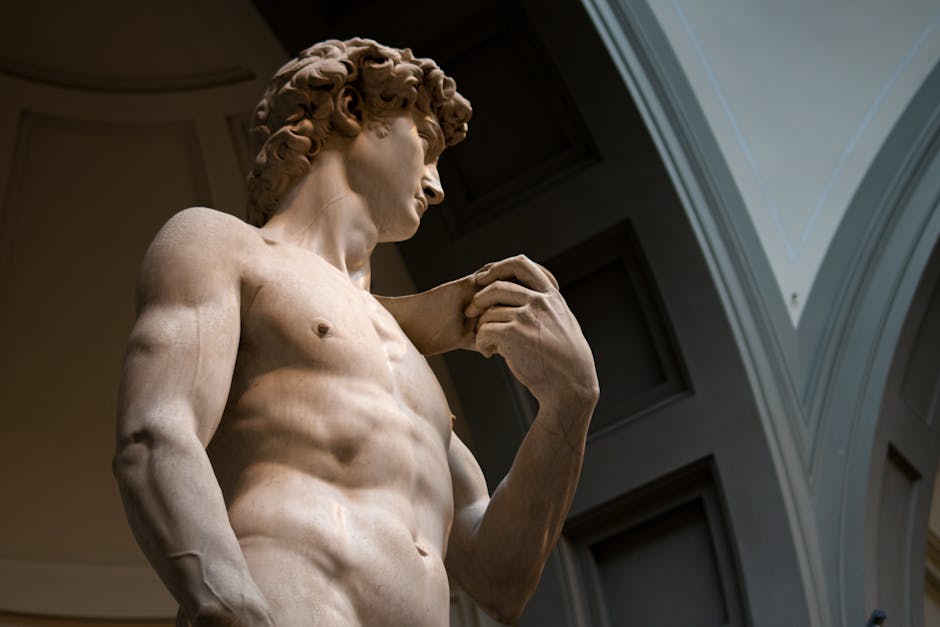
Explore the medieval streets of Florence through the eyes of Dante Alighieri on this self-guided literary and historical walking route.
 Easy
EasyFlorence, Italy
Experience the magic of Florence at sunset. Discover iconic bridges and breathtaking river views on this romantic self-guided audio walk.
 Easy
EasyFlorence, Italy
Discover the 'buchette del vino'—Florence's unique Renaissance wine windows—on this self-guided walk through the city's historic streets.
 Easy
EasyGdansk, Poland
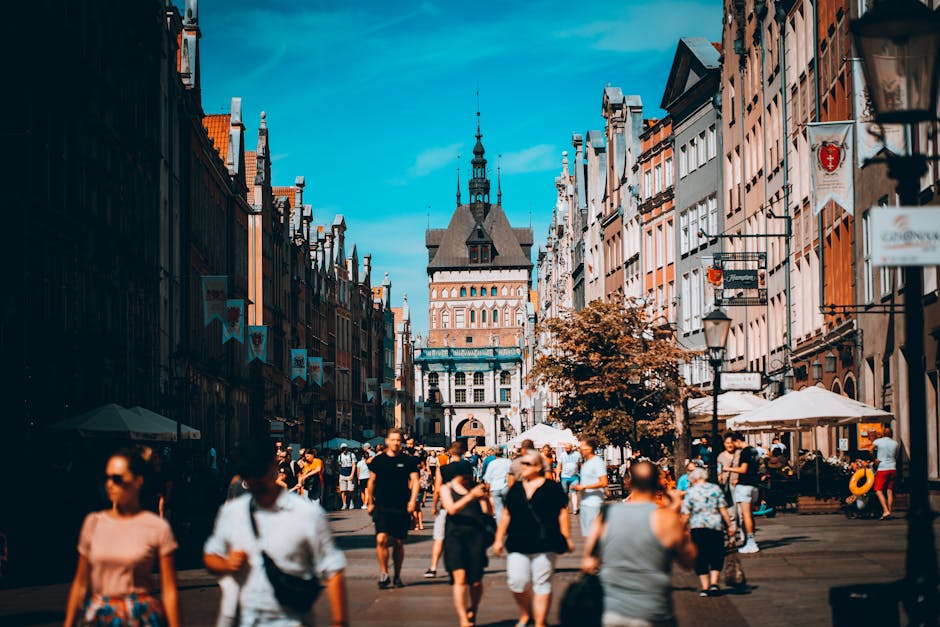
Taste the history of the Baltic. Explore Gdansk's culinary heritage from medieval markets to gold-flecked liqueurs on this self-guided walk.
 Easy
EasyInnsbruck, Austria
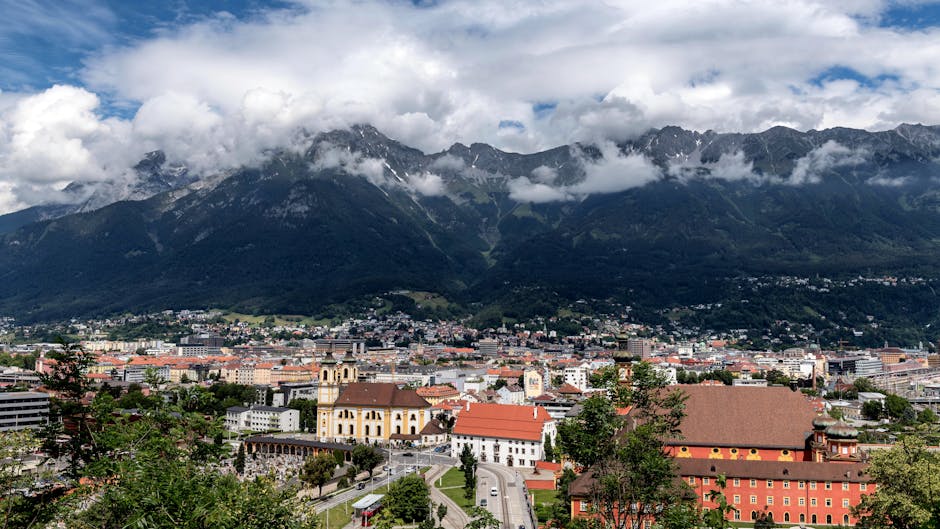
Discover the flavors of Tyrol on this self-guided stroll through Innsbruck’s historic Old Town and vibrant market hall.
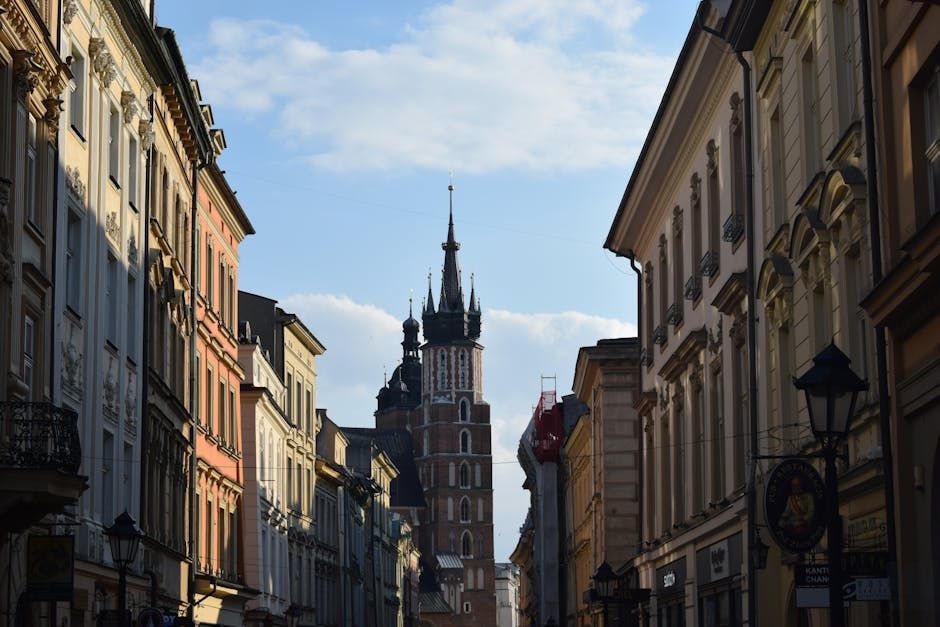 Easy
EasyKrakow, Poland
Savor the soul of Krakow on this self-guided walk through historic markets, bohemian cafes, and the city's best pierogi spots.
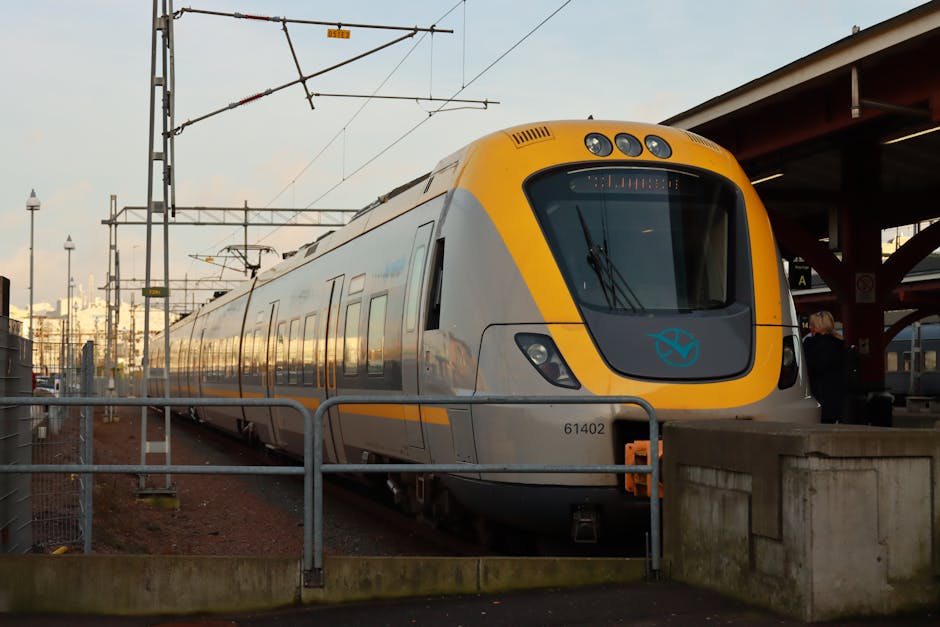 Easy
EasyGothenburg, Sweden
Discover Gothenburg’s maritime flavors on this self-guided walk through historic market halls and iconic seafood landmarks.
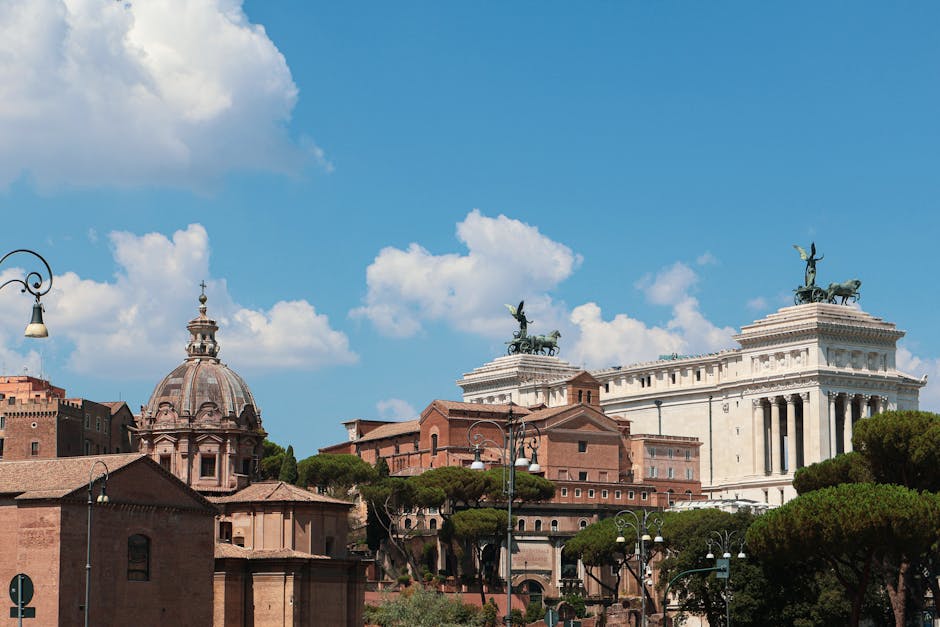 Easy
EasyRome, Italy
Explore Rome’s industrial heart on this self-guided walk featuring massive murals, the 'Iron Colosseum,' and unique industrial archaeology.
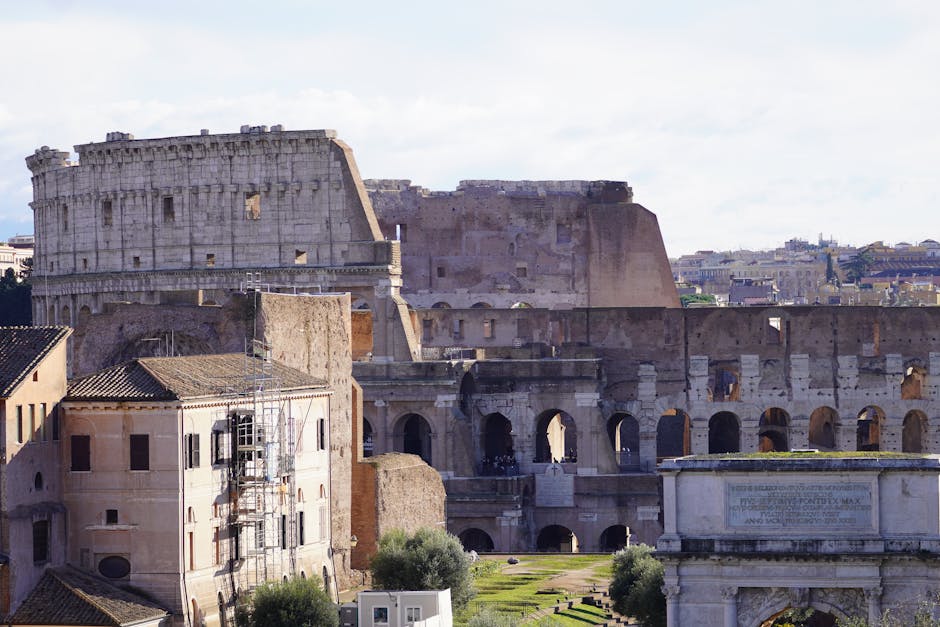 Easy
EasyRome, Italy
Explore Rome’s whimsical Fairytale District. A self-guided walk through Art Nouveau palaces, mythical fountains, and the magical Coppedè architecture.
 Moderate
Rome, Italy
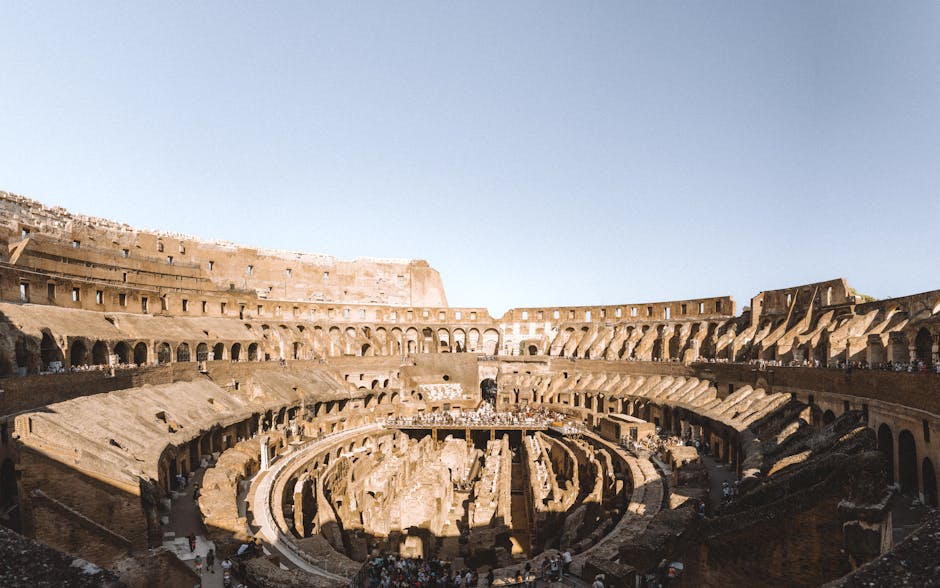
Uncover Rome's hidden history on this self-guided walk through ancient gladiator pits, subterranean temples, and buried Roman houses.
 Challenging
Rome, Italy
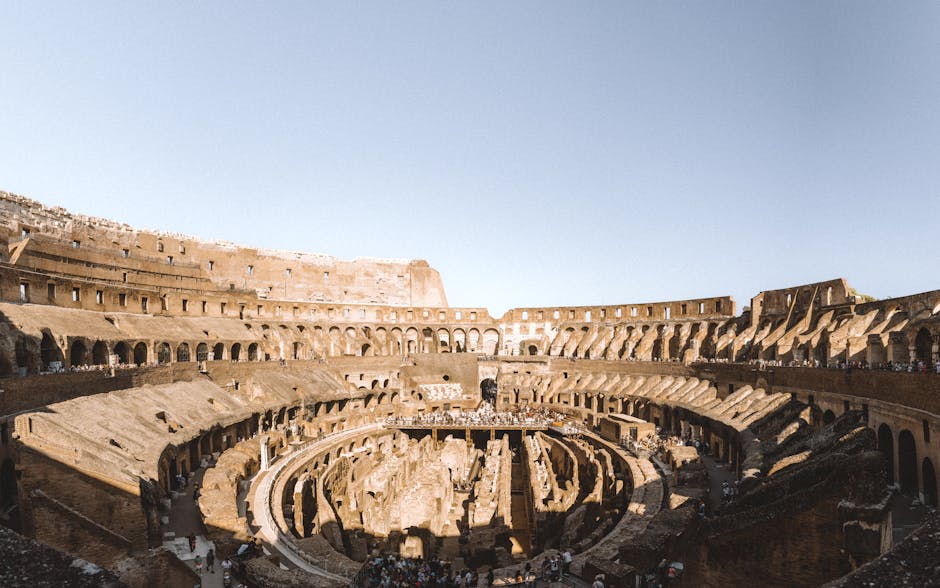
Walk the 'Queen of Roads.' Explore ancient catacombs, imperial villas, and historic basalt stones on this scenic self-guided Roman adventure.