Self-guided audio tour in Bologna
Start Free on iPhone
Start free on iPhone to unlock this self-guided walking tour in Bologna. Hear all the stories that make it amazing, walk at your own pace, and begin whenever you want.
Your Private Tour Guide
Bologna breathes melody through its ancient porticoes and hidden courtyards. Recognized as a UNESCO Creative City of Music since 2006, this Italian gem offers a rich tapestry of sound that spans centuries. This self-guided walk invites you to explore the legacy of composers, luthiers, and performers who shaped the city’s identity. From the haunting resonance of medieval organs to the jazz-infused streets that modern icons once called home, the route captures the rhythmic heart of the 'Red City.' As you embark on this neighborhood stroll, you will discover that music in Bologna isn't just found in concert halls; it is embedded in the very stones of the university district and the grandeur of its basilicas. You will encounter the sites where a young Wolfgang Amadeus Mozart studied for his difficult entry exams and see the legendary opera house that hosted the Italian premiere of Richard Wagner’s masterpieces. This walking route Bologna provides a deep dive into the 'City of Music,' where every corner reveals a story of artistic passion. Whether you are a classical music aficionado or a fan of contemporary Italian songwriters, this exploration offers a unique perspective on the city's cultural heritage. Unlike a traditional guided tour Bologna, this audio walk allows you to linger at the museum of historical keyboards or pause for a coffee in the lively Piazza Maggiore at your own pace. By following this walking tour Bologna, you will see how the city bridges the gap between the academic rigor of its ancient university and the creative freedom of its local jazz clubs. Prepare to hear the echoes of the past and the vibrant pulse of the present on this immersive self-guided adventure through the musical soul of Italy.
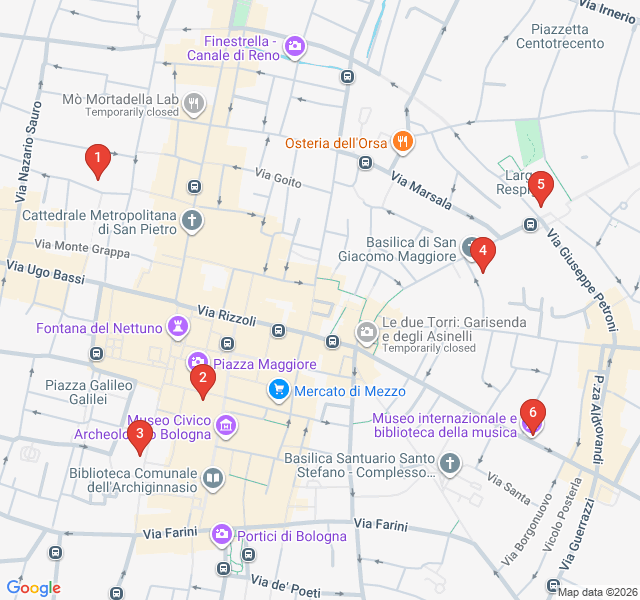
Numbers indicate the order of stops on the tour.
Begin your self-guided adventure at the Church of San Colombano, which houses the extraordinary Tagliavini Collection. This is not just a museum; it is a living archive of sound. Within these walls, you will find over 90 historical keyboard instruments, including clavichords, harpsichords, and organs, some dating back to the 16th century. The collection was gifted to the city by the late Luigi Ferdinando Tagliavini, a world-famous organist and scholar. As you wander through the frescoes of the church, imagine the delicate tinkling of these rare instruments. The restoration work performed here is world-class, ensuring that these centuries-old machines can still produce the exact tones intended by their makers. It is a fitting start to a route dedicated to the city’s deep-seated musical craftsmanship.
Next, head to the heart of the city at Piazza Maggiore to visit the Basilica di San Petronio. While its unfinished facade is legendary, its musical interior is even more impressive. This basilica is home to two of the most significant organs in the world. The organ on the right, built by Lorenzo da Prato in 1471, is considered the oldest functional organ in existence. For centuries, the 'Capella Musicale di San Petronio' was one of the most prestigious musical institutions in Europe, attracting composers from across the continent. The acoustics of this massive space were specifically considered in the development of Baroque trumpet music. Take a moment to look up at the choir stalls and imagine the powerful polyphonic sounds that have filled this nave for over five hundred years.
Moving from the sacred to the contemporary, we arrive at Via d'Azeglio, the former home of Bologna’s favorite son, Lucio Dalla. Dalla was a visionary singer-songwriter who blended jazz, folk, and pop, becoming a symbol of the city’s modern creative spirit. His presence is still felt here; look for the silhouette of him playing the saxophone on the nearby buildings. His home, now a foundation, is filled with eclectic art and musical memorabilia that reflect his whimsical and profound personality. Dalla’s music often celebrated the streets of Bologna, and his legacy is a reminder that the city’s musical status is not just a matter of history, but a living, breathing part of the local culture that continues to inspire new generations of artists.
Walking toward the university district, you encounter the Conservatorio Giovanni Battista Martini. Named after the famous monk and teacher who was a giant of 18th-century music theory, this institution is the academic heart of Bologna's musical identity. Padre Martini was so well-respected that a young Wolfgang Amadeus Mozart traveled here in 1770 to study under him. Mozart’s successful completion of the difficult exam for the Accademia Filarmonica is a point of immense local pride. Other luminaries, including Gioachino Rossini, also studied within these walls. Even today, the sounds of practicing violins and pianos drift out from the windows and into the street, maintaining a constant soundtrack for this historic neighborhood and proving that Bologna remains a premier destination for musical education.
The Teatro Comunale di Bologna is one of the most important opera houses in Italy. Designed by the famous architect Antonio Galli Bibiena and opened in 1763, it stands as a masterpiece of Baroque theatrical design. This theater has a reputation for being avant-garde; it was the first in Italy to embrace the works of Richard Wagner, earning Bologna the nickname 'Wagnerian City' in the late 19th century. Notice the elegant terrace and the way the building integrates into the surrounding Piazza Verdi. This area is the center of student life, where the high art of the opera meets the energetic atmosphere of the university. It is a place where classical tradition and modern rebellion have coexisted for centuries, often leading to vibrant cultural shifts.
Conclude your self-guided walk at the International Museum and Library of Music, housed in the stunning Palazzo Sanguinetti. This museum holds one of the most important collections of musical heritage in the world. Its library contains thousands of rare manuscripts, including the famous portrait of Mozart and the original scores of Padre Martini. As you walk through the beautifully frescoed rooms, you will see a vast array of historical instruments, from early lutes to experimental 19th-century designs. The museum perfectly encapsulates why Bologna is a UNESCO City of Music: it preserves the technical history of instrument making while celebrating the creative genius of the composers who used them. It is the perfect place to reflect on the melodic journey you have just taken through the city.
Start Free on iPhone
Explore “Bologna UNESCO City of Music” with your very own Private Tour Guide with Zigway. Start free on iPhone, skip the large group and the fixed routes, and hear the city come alive as you go.
Your Private Tour Guide
Don't miss the good stuff
Explore Freely
 Moderate
Bologna, Italy
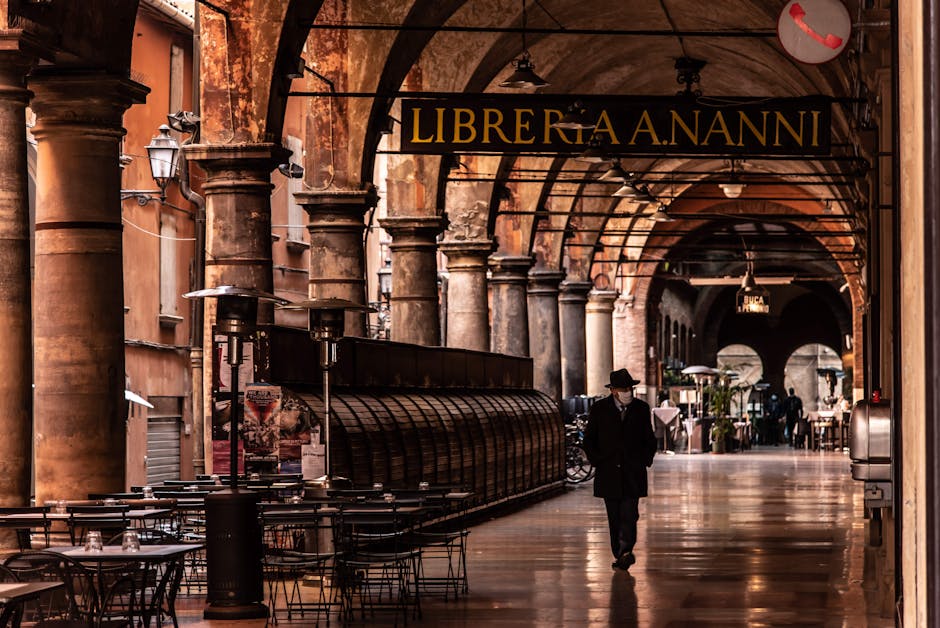
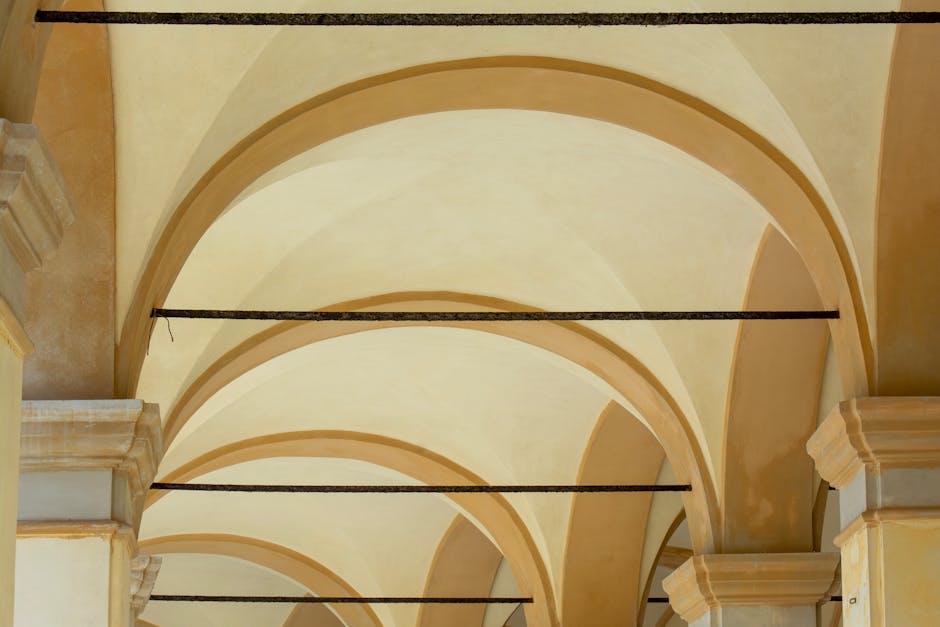
Explore Bologna's UNESCO-listed porticoes on this self-guided architectural stroll through historic streets and grand, frescoed arches.
 Easy
EasyBologna, Italy
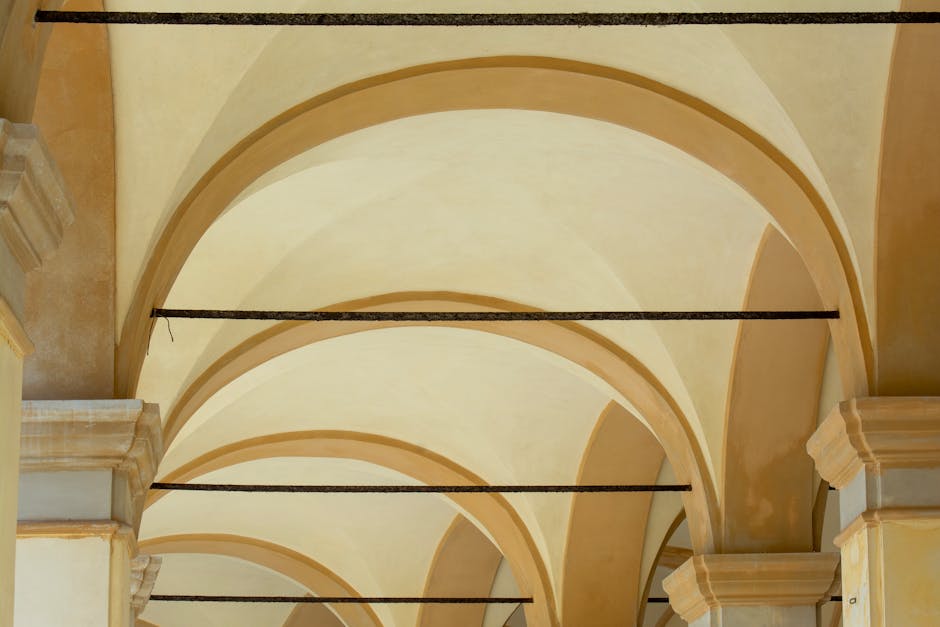
Uncover Bologna's secret 'Little Venice' on this self-guided walk through hidden canals, ancient mills, and the city's industrial past.
 Easy
EasyBologna, Italy
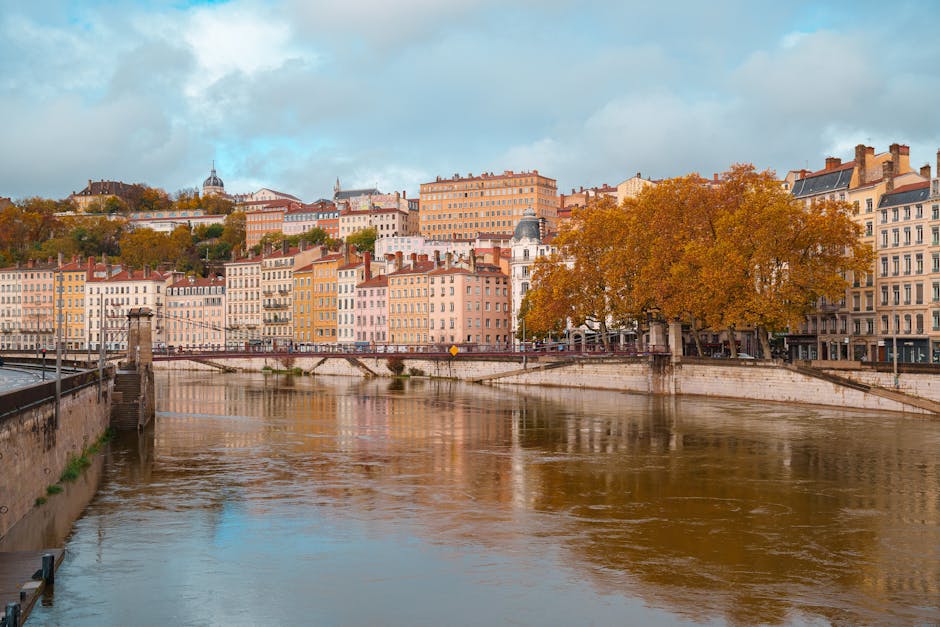
Uncover the legends and hidden architectural wonders of medieval Bologna on this self-guided stroll through the historic city center.
 Easy
EasyBologna, Italy
Discover the rebellious soul of Bologna with a self-guided stroll through the bars, street art, and bohemian history of the iconic Pratello district.
 Easy
EasyGothenburg, Sweden
Explore Gothenburg's elegant academic district, featuring grand 19th-century stone architecture and the iconic cultural hub of Götaplatsen.
 Easy
EasyKrakow, Poland
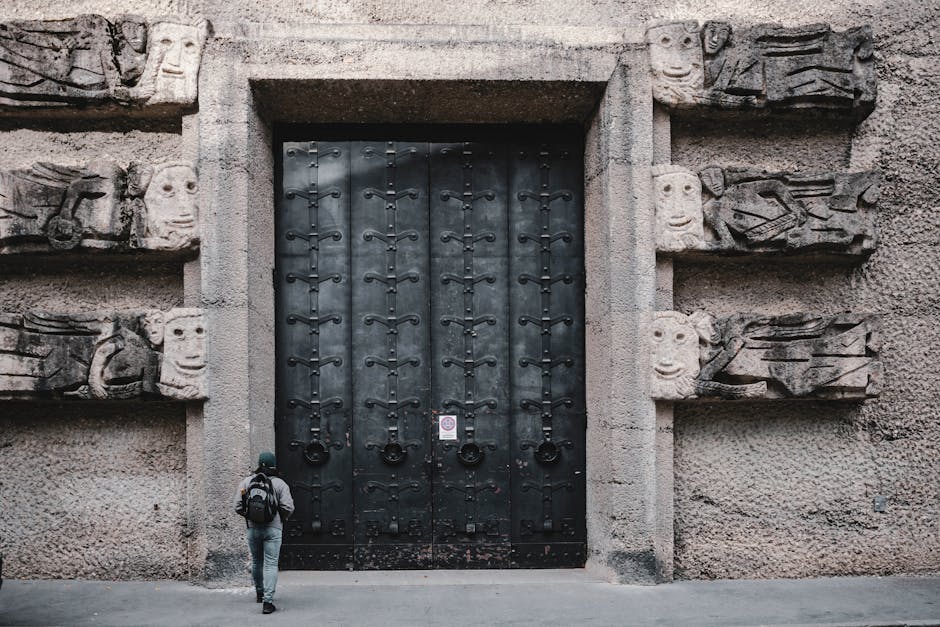
Explore the prestigious Jagiellonian University district, featuring Neo-Gothic architecture, Baroque churches, and Krakow's hidden scholarly gems.
 Easy
EasySalzburg, Austria
Discover the 'Rome of the North' on this self-guided walk through the Baroque squares and monumental legacy of Salzburg’s Prince-Archbishops.
 Easy
EasyGothenburg, Sweden
Discover Gothenburg’s 17th-century Dutch foundations, historic canals, and military fortifications on this self-guided architectural walk.
 Easy
EasyRome, Italy
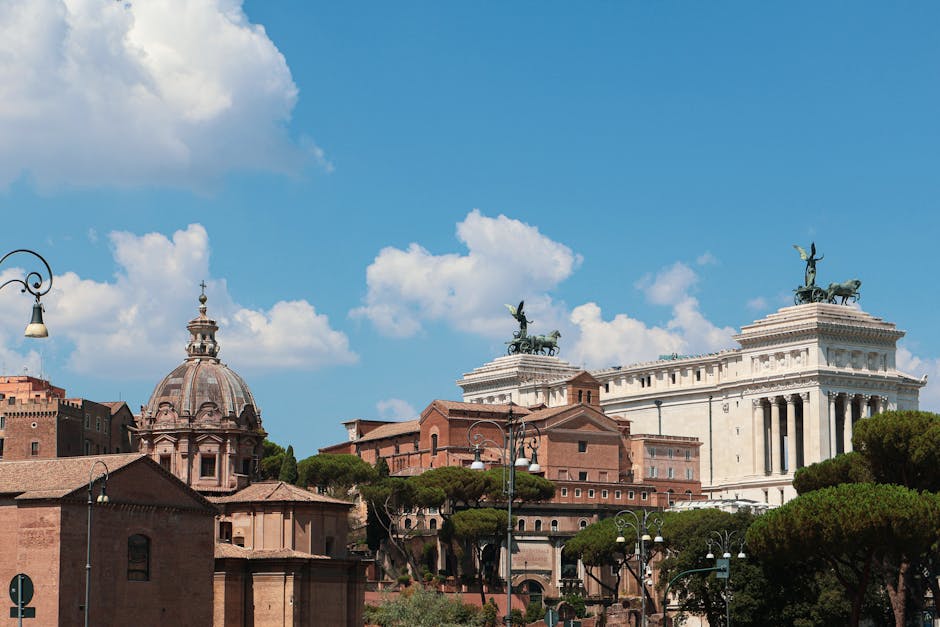
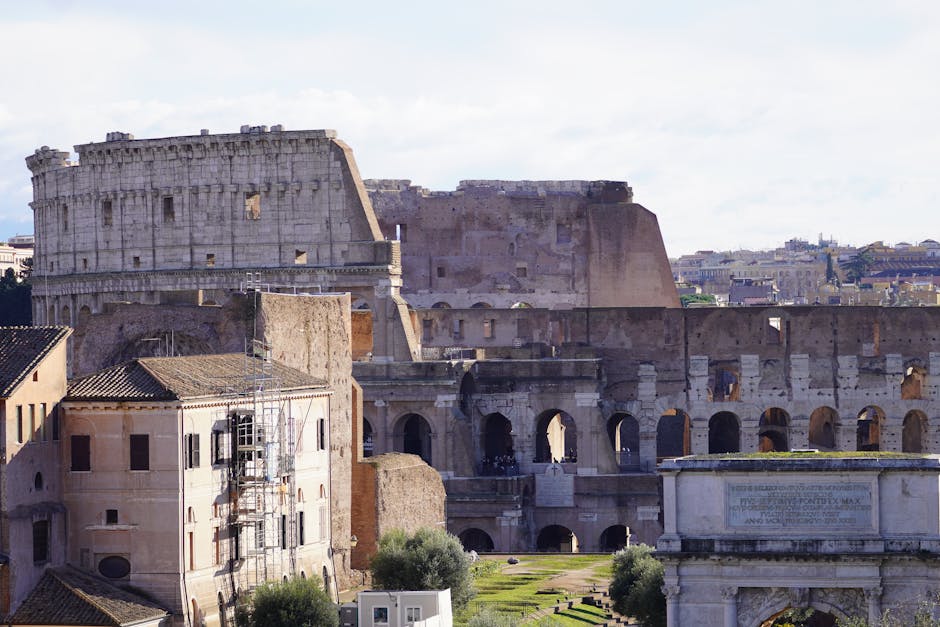
Explore Rome’s industrial heart on this self-guided walk featuring massive murals, the 'Iron Colosseum,' and unique industrial archaeology.
 Easy
EasyRome, Italy
Explore Rome’s whimsical Fairytale District. A self-guided walk through Art Nouveau palaces, mythical fountains, and the magical Coppedè architecture.
 Moderate
Rome, Italy
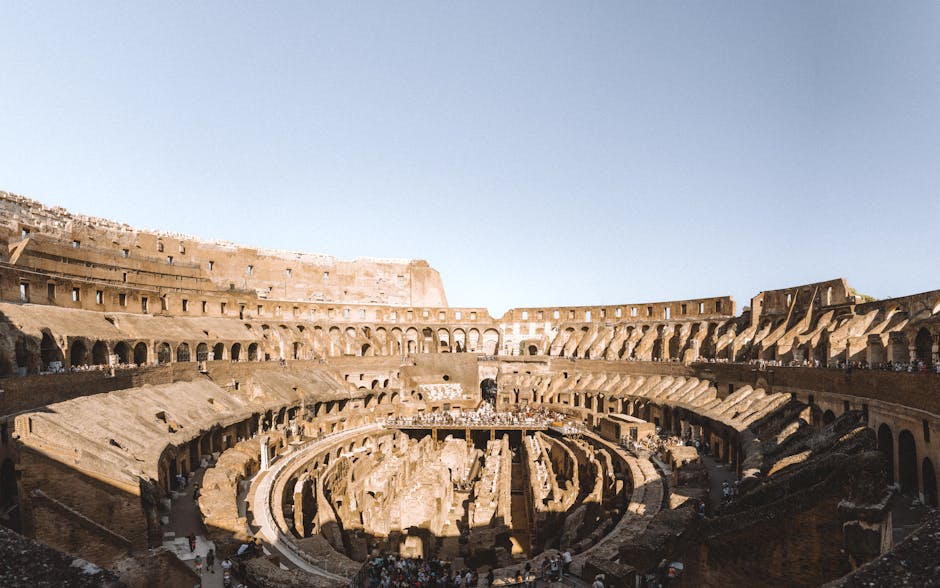
Uncover Rome's hidden history on this self-guided walk through ancient gladiator pits, subterranean temples, and buried Roman houses.
 Challenging
Rome, Italy
Walk the 'Queen of Roads.' Explore ancient catacombs, imperial villas, and historic basalt stones on this scenic self-guided Roman adventure.