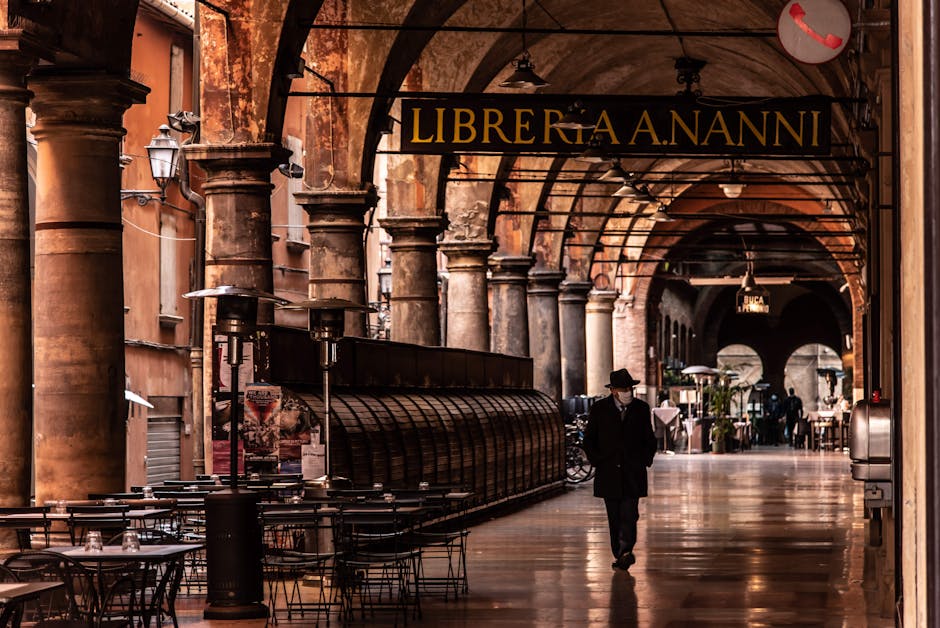
Self-guided audio tour in Bologna
Start Free on iPhone
Start free on iPhone to unlock this self-guided walking tour in Bologna. Hear all the stories that make it amazing, walk at your own pace, and begin whenever you want.
Your Private Tour Guide
Step into the heart of the Emilia-Romagna capital with this Renaissance Palaces and Hidden Courtyards self-guided walk. Bologna is a city defined by its textures: the warm terracotta of its brickwork, the rhythmic shadows of its endless porticos, and the silent grandeur of its noble residences. This neighborhood stroll takes you beyond the bustling markets and into the refined world of the Bolognese aristocracy, where power was expressed through symmetrical facades and secret internal gardens. Your walking route begins in the civic heart of the city, Piazza Maggiore, where the transition from medieval fortress-like structures to elegant Renaissance dwellings is most visible. You will explore the architectural evolution of the city, from the Gothic influence seen in Palazzo Re Enzo to the sophisticated Mannerism of Palazzo Fantuzzi. Along the way, this travel experience highlights the unique 'bugnato' or diamond-point masonry that defines the local style. Unlike other Italian cities where Renaissance style followed a rigid Tuscan model, Bologna developed its own distinct aesthetic, blending brick craftsmanship with ornate stone details. This self-guided walk allows you to discover the stories of the families who shaped the city’s destiny, such as the Fava and the Pepoli. You will see how these palaces were not just homes but political statements, designed to impress rivals and showcase intellectual pursuits through elaborate fresco cycles. As you navigate the winding streets of the Centro Storico, you will encounter the hidden courtyards that serve as private oases of peace away from the urban bustle. Whether you are a fan of art history or simply love wandering through beautiful streets, this independent exploration offers a deep dive into the 'Red City.' This walking tour Bologna experience is designed to be flexible, letting you linger under a portico or stop for an espresso whenever you wish. By the end of this neighborhood stroll, you will understand why Bologna’s historic center remains one of the most well-preserved and architecturally significant in Europe. This walking tour Bologna route is perfect for those who want to see the city's soul through its stones and stories.
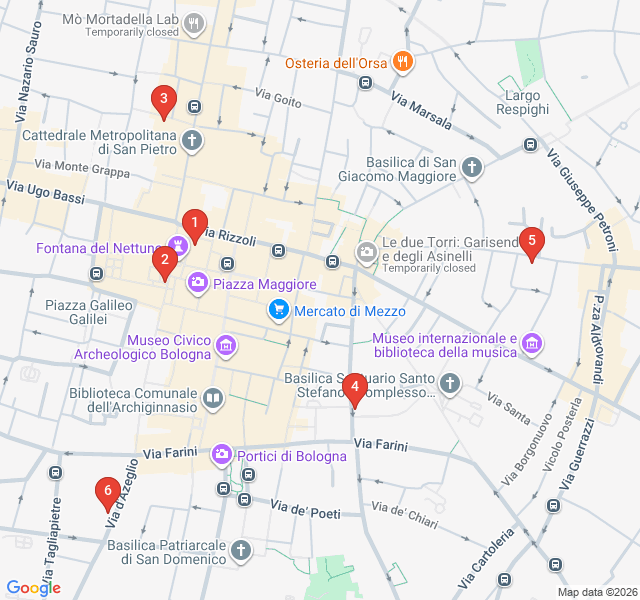
Numbers indicate the order of stops on the tour.
Palazzo Re Enzo stands as a sentinel of Bologna's medieval past. Constructed in the mid-13th century as an extension of the Palazzo del Podestà, it takes its name from Enzo of Sardinia, the son of Emperor Frederick II. Enzo was captured during the Battle of Fossalta and spent the remaining 23 years of his life here as a prisoner of the city. Despite his captivity, legends say he lived in relative luxury and was quite the local celebrity. Observe the crenelations along the roofline, which give the building its fortress-like appearance. The palace overlooks the Fountain of Neptune and represents the era when Bologna was a powerful independent commune. It serves as a reminder of the city's transition from medieval conflict to Renaissance order.
Palazzo d'Accursio, also known as Palazzo Comunale, has served as the seat of Bologna’s city government for centuries. This massive complex is a patchwork of different architectural styles, reflecting its long history of expansions. Look up at the Clock Tower, which has kept time for the citizens since the 15th century. Above the main entrance, you can see a bronze statue of Pope Gregory XIII, a native of Bologna famous for introducing the Gregorian calendar. The building's facade is a beautiful example of Bolognese brickwork, featuring elegant windows and decorative terracotta. Inside, the grand 'Scalone Bramante' staircase was designed to be wide and shallow enough for horse-drawn carriages to reach the upper floors, demonstrating the palace's role as a center of power and prestige.
Palazzo Fava is a treasure trove for art lovers and a masterpiece of Renaissance residential architecture. While the exterior is impressive, the palace is most famous for the 'Camerino di Europa' and the 'Jason and Medea' frescoes located on the piano nobile. These were the first major works by the Carracci brothers—Ludovico, Agostino, and Annibale—who revolutionized Italian painting by moving away from Mannerism toward a more naturalistic style. The palace reflects the shift in the late 16th century when noble families began decorating their homes with grand mythological cycles to reflect their classical education and cultural status. Today, it functions as a prestigious exhibition space, continuing its legacy as a temple of art and intellect.
Palazzo Pepoli was the historic seat of one of Bologna’s most powerful medieval families, the Pepoli, who were the first 'Lords' of the city. The building itself is a fascinating blend of medieval defensive architecture and later Renaissance refinements. Notice the distinct masonry and the 'torresotto' or gate-tower that marks the ancient city walls. In recent years, the palace has been transformed into a museum dedicated to the history of Bologna. The renovation is a brilliant example of how historic spaces can be adapted for modern use, featuring a glass and steel courtyard structure that contrasts beautifully with the ancient brick. It stands as a symbol of Bologna's ability to honor its past while embracing contemporary design and education.
Palazzo Fantuzzi is one of the most striking examples of Mannerist architecture in Bologna. Built in the 16th century for the Fantuzzi family, its facade is instantly recognizable by the two large stone elephants that flank the upper windows, a nod to the family's coat of arms. The architecture is characterized by its bold use of stone against the traditional red brick, creating a sense of drama and movement. If you manage to peek inside the courtyard, you will find one of the most magnificent staircases in the city, designed by Paolo Canali. This palace represents the peak of noble ambition in Bologna, where families competed to build the most ornate and impressive residences to signal their wealth and influence within the Papal States.
Palazzo Bevilacqua Ariosti is a rare gem that showcases the influence of the Ferrarese Renaissance on Bologna. Unlike most buildings in the city, its facade is covered in 'bugnato a diamante'—stone carved into diamond-shaped points—reminiscent of the Palazzo dei Diamanti in Ferrara. This palace has a significant place in world history; in 1547, it hosted several sessions of the Council of Trent when the council was moved from Trento to Bologna due to a plague scare. The interior courtyard is equally impressive, featuring two tiers of elegant loggias that exemplify the Renaissance ideal of harmony and proportion. It remains one of the most beautiful and historically significant private palaces in Italy, marking a perfect conclusion to your architectural journey through the city.
Start Free on iPhone
Explore “Renaissance Palaces and Hidden Courtyards” with your very own Private Tour Guide with Zigway. Start free on iPhone, skip the large group and the fixed routes, and hear the city come alive as you go.
Your Private Tour Guide
Don't miss the good stuff
Explore Freely
 Moderate
Bologna, Italy
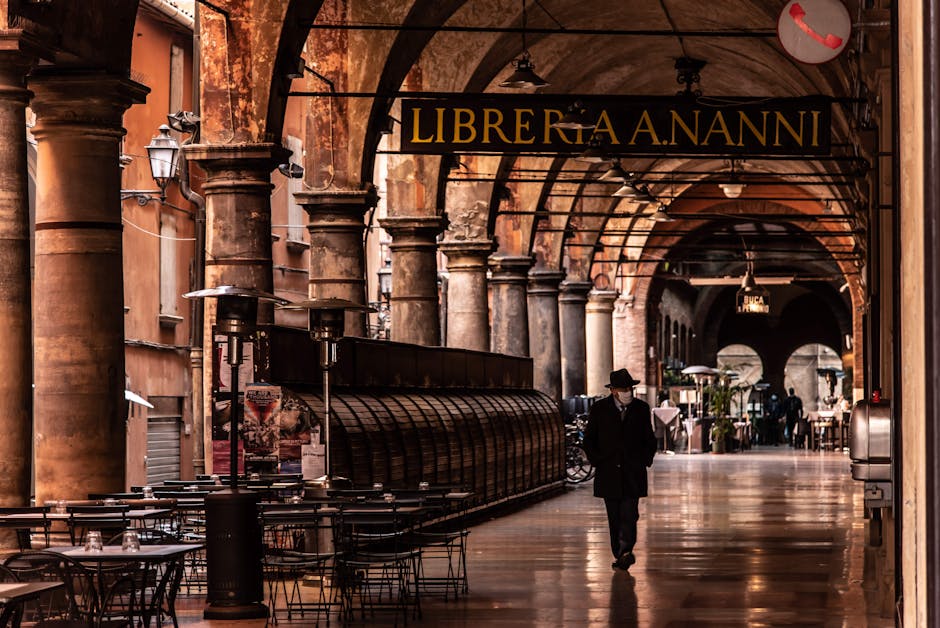
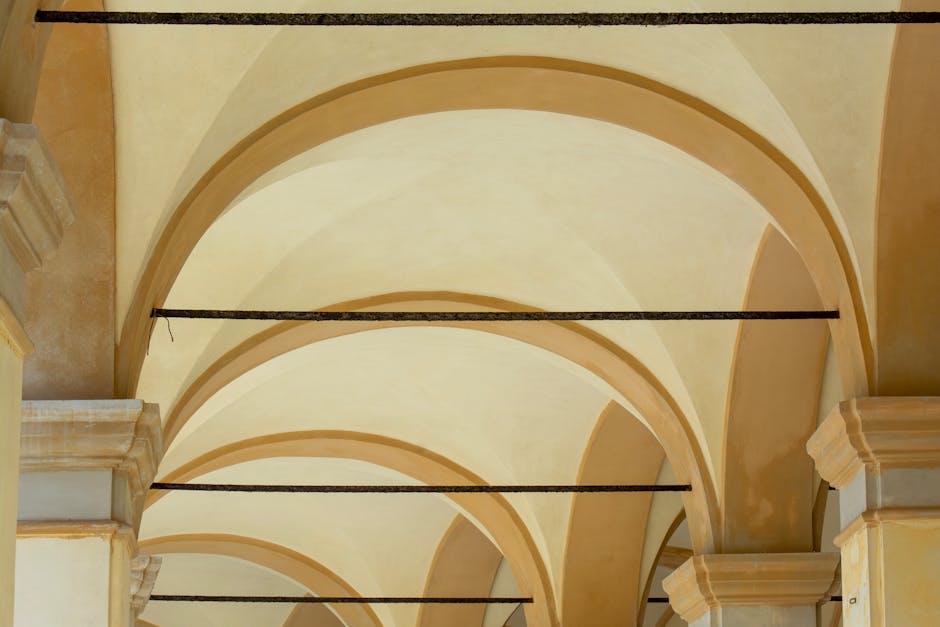
Explore Bologna's UNESCO-listed porticoes on this self-guided architectural stroll through historic streets and grand, frescoed arches.
 Easy
EasyBologna, Italy
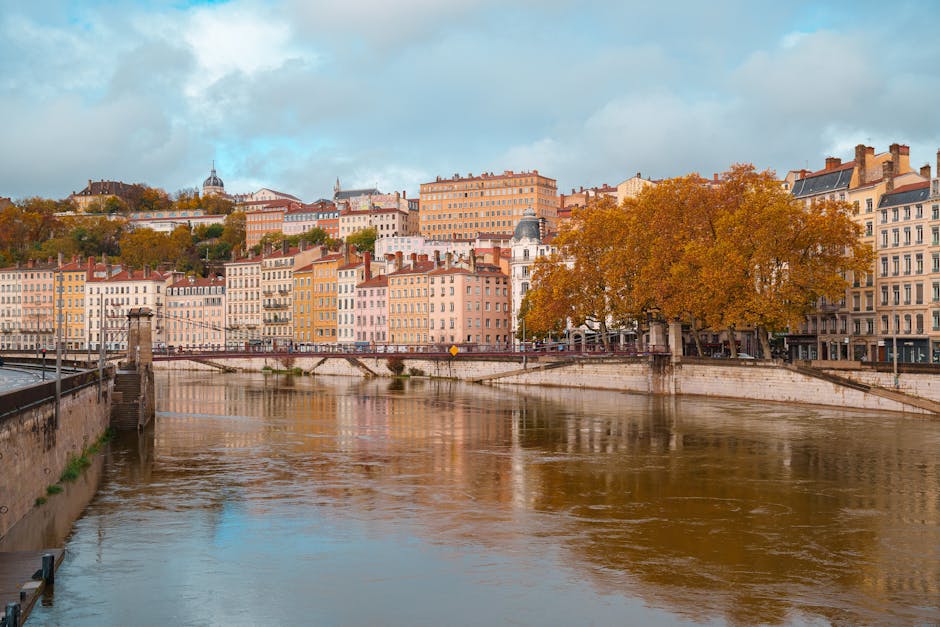
Uncover Bologna's secret 'Little Venice' on this self-guided walk through hidden canals, ancient mills, and the city's industrial past.
 Easy
EasyBologna, Italy
Uncover the legends and hidden architectural wonders of medieval Bologna on this self-guided stroll through the historic city center.
 Easy
EasyBologna, Italy
Discover the rebellious soul of Bologna with a self-guided stroll through the bars, street art, and bohemian history of the iconic Pratello district.
 Easy
EasyWarsaw, Poland
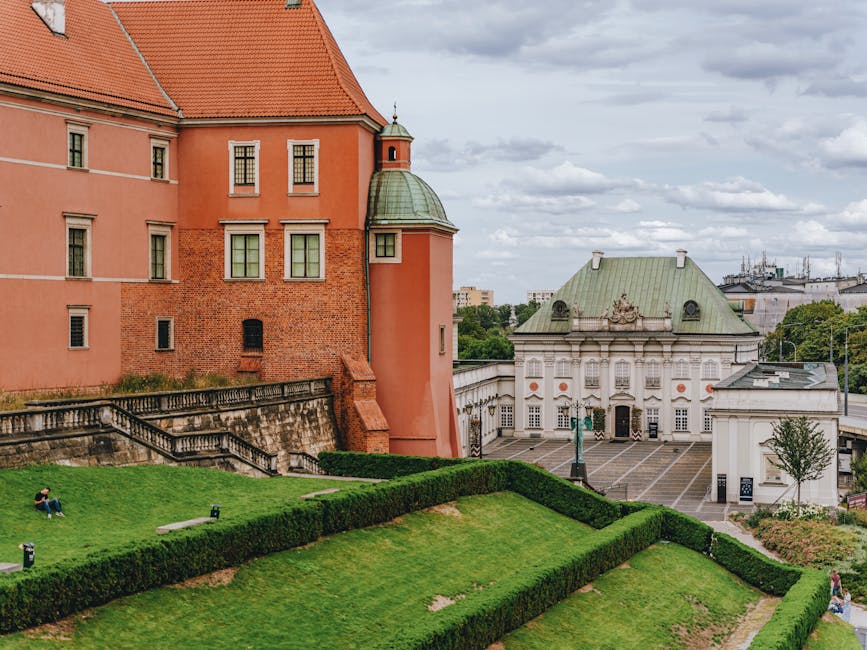
Explore the miracle of Warsaw's reconstructed Old Town on this self-guided walk through royal squares, medieval walls, and heroic monuments.
 Easy
EasyNairobi, Kenya
Explore the history of Kenya’s independence through the statues, monuments, and parks that define Nairobi’s political heart on this self-guided walk.
 Easy
EasyNairobi, Kenya
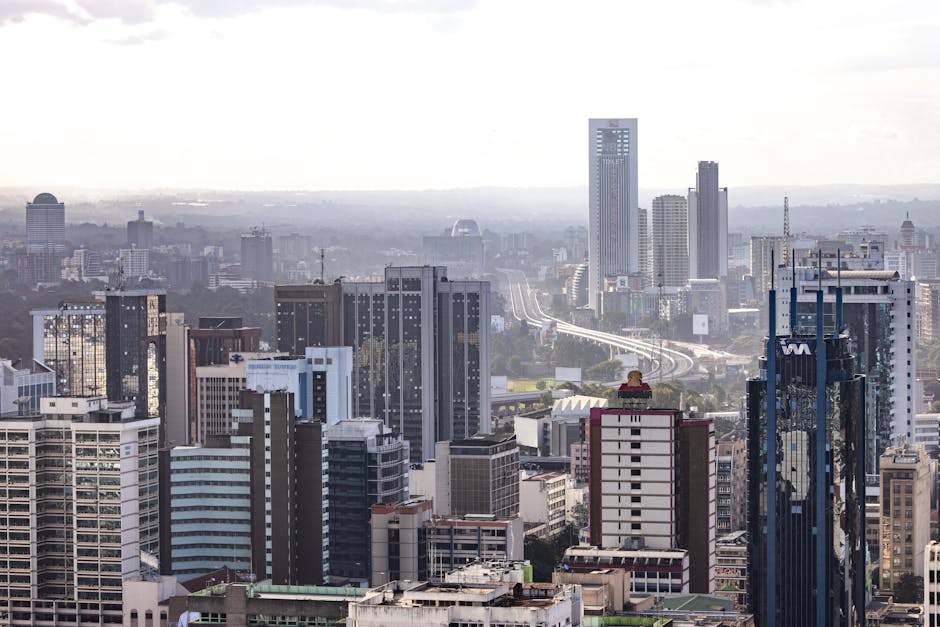
Discover Nairobi's iconic skyline on this self-guided architecture walk through the CBD’s most famous modernist and Brutalist landmarks.
 Easy
EasyGdansk, Poland
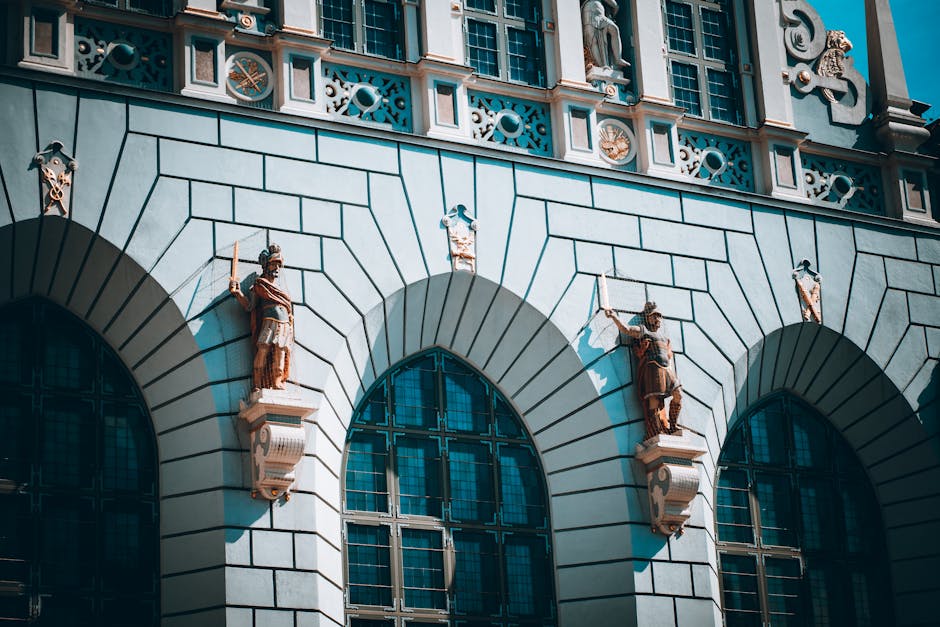
Discover the opulent Royal Way of Gdansk at your own pace. Explore Hanseatic history, gilded architecture, and the iconic Neptune's Fountain.
 Easy
EasyRome, Italy
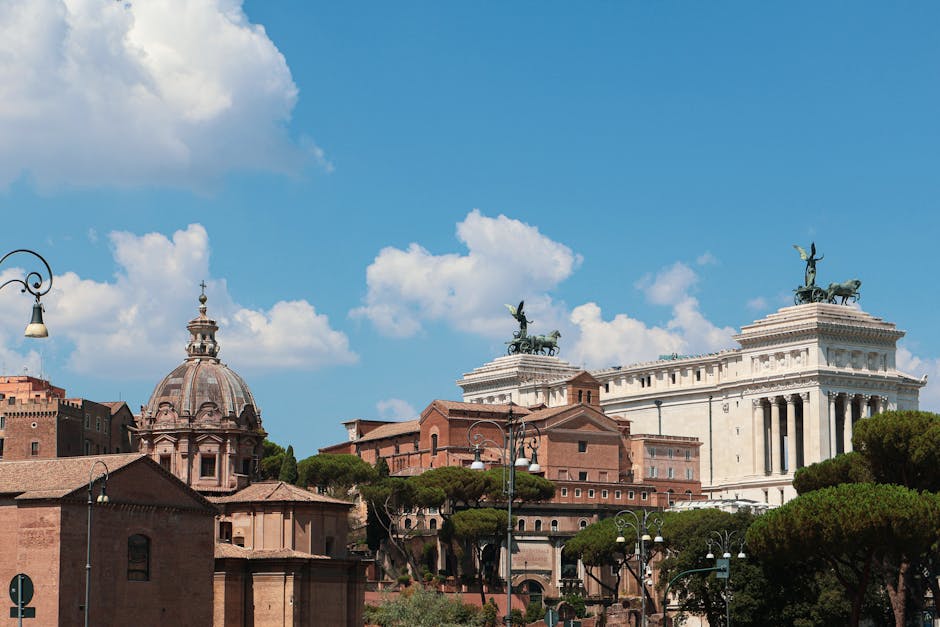
Explore Rome’s industrial heart on this self-guided walk featuring massive murals, the 'Iron Colosseum,' and unique industrial archaeology.
 Easy
EasyRome, Italy
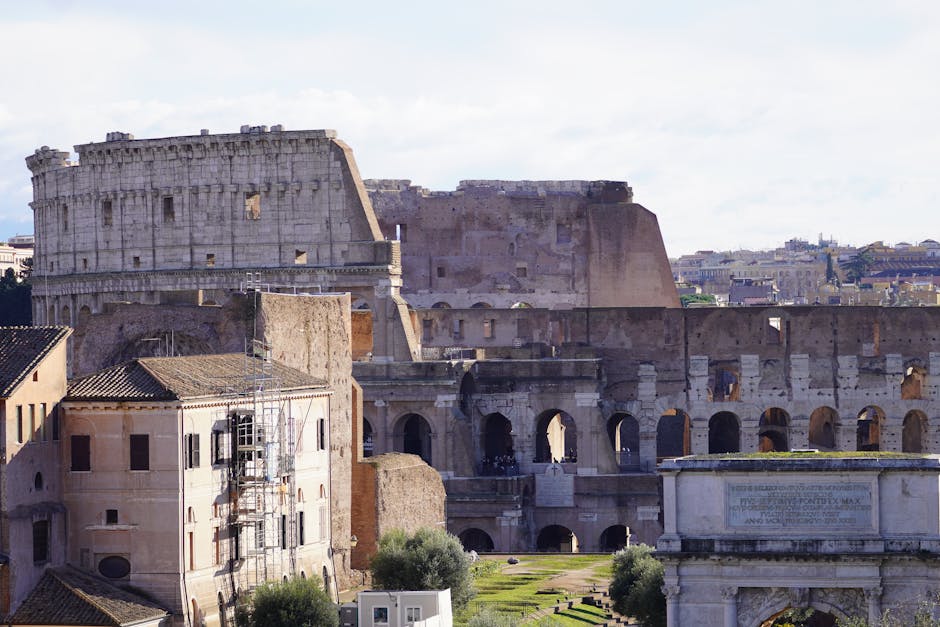
Explore Rome’s whimsical Fairytale District. A self-guided walk through Art Nouveau palaces, mythical fountains, and the magical Coppedè architecture.
 Moderate
Rome, Italy
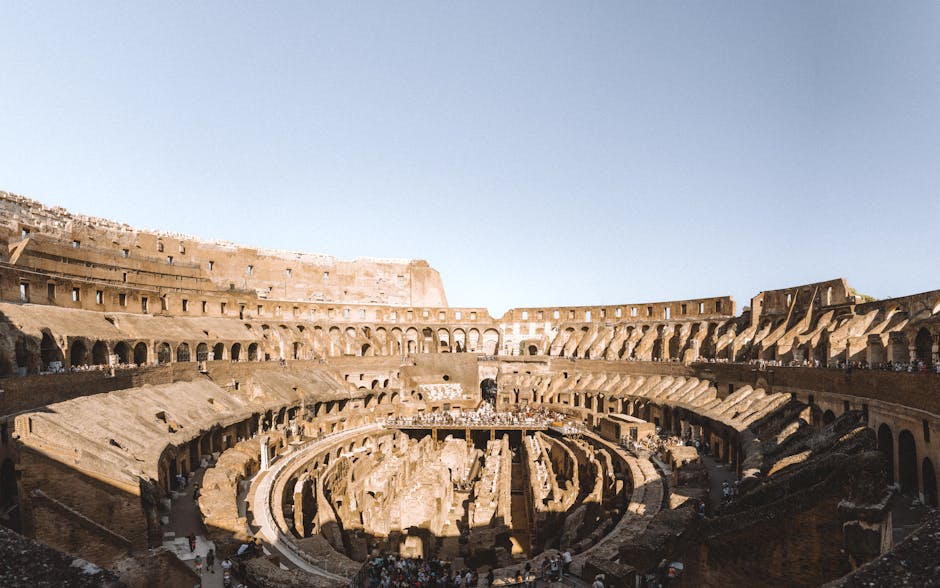
Uncover Rome's hidden history on this self-guided walk through ancient gladiator pits, subterranean temples, and buried Roman houses.
 Challenging
Rome, Italy
Walk the 'Queen of Roads.' Explore ancient catacombs, imperial villas, and historic basalt stones on this scenic self-guided Roman adventure.