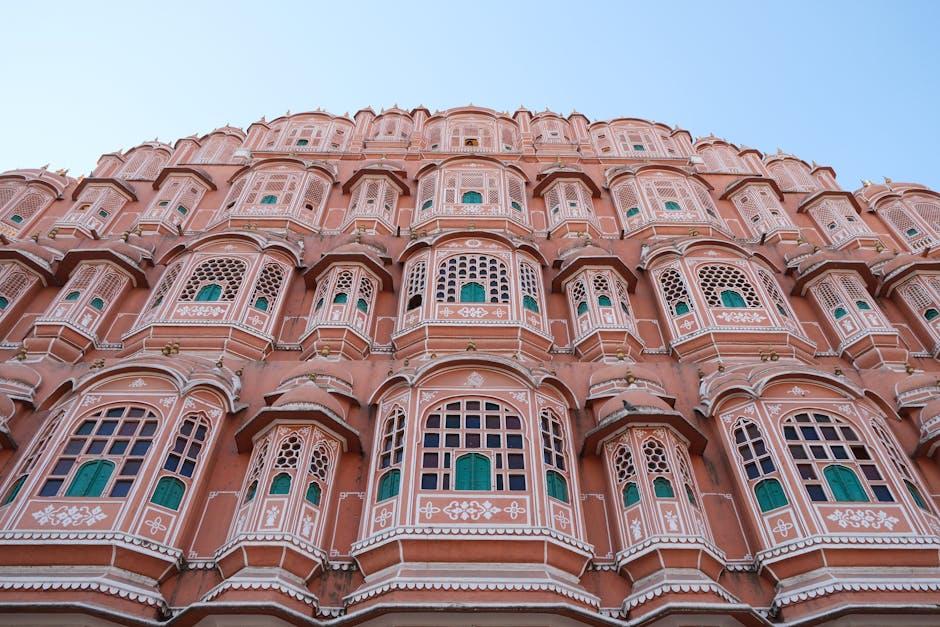
Self-guided audio tour in Jaipur
Start Free on iPhone
Start free on iPhone to unlock this self-guided walking tour in Jaipur. Hear all the stories that make it amazing, walk at your own pace, and begin whenever you want.
Your Private Tour Guide
Step into the vibrant, rhythmic heart of Jaipur with this self-guided walk through the city’s legendary artisan quarters. Beyond the famous pink facades lies a labyrinth of 'Rastas' (lanes) where the air is thick with the scent of melting wax, the clinking of brass hammers, and the sparkle of freshly cut gemstones. This walking route Jaipur offers an intimate look at the traditions that have made the Pink City a global hub for jewelry and textiles since its founding in 1727. You will explore the specialized streets where families have practiced their crafts for generations, from the delicate art of lac bangle making to the precision of marble carving. The journey begins at the Amrapali Museum, a treasure trove of Indian jewelry design, before leading you into the bustling markets where the true soul of Jaipur resides. Unlike a standard guided tour Jaipur, this self-guided adventure allows you to linger at a jeweler’s window or watch a stone carver at work without the pressure of a group schedule. You will navigate through Maniharo Ka Rasta, famous for its vibrant bangles, and Thatheron Ka Rasta, where the rhythmic beating of copper and brass creates a unique urban symphony. The route also touches on the royal heritage at The City Palace and the Indo-Saracenic beauty of the Albert Hall Museum, showing how royal patronage fueled these local industries. As you move from the historic center toward the contemporary design hubs like Jawahar Kala Kendra, you will see how Jaipur’s artistic identity continues to evolve. Whether you are a design enthusiast, a shopping lover, or a curious traveler, this neighborhood stroll reveals the hidden gems of Jaipur’s creative spirit, offering a deep dive into the handmade heritage that defines Rajasthan. **Note:** This area is known for its ever-changing character. Street art, pop-up venues, and temporary exhibitions may differ from what's described. That's part of the adventure - you might discover something entirely new!
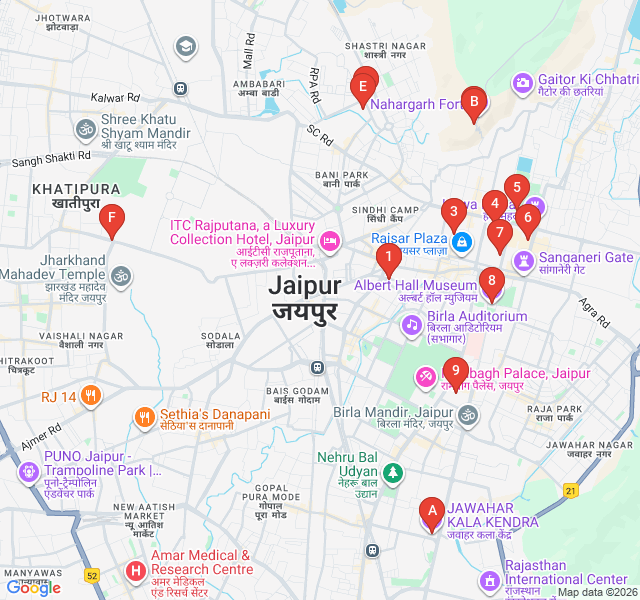
Numbers indicate the order of stops on the tour.
Start your self-guided walk at the Amrapali Museum, a dedicated space showcasing the vast heritage of Indian jewelry. Founded by the creators of the world-renowned Amrapali brand, this museum houses over 4,000 artifacts, ranging from tribal silver ornaments to gold-plated royal treasures. As you explore the galleries, notice the incredible diversity of techniques like Kundan and Meenakari. This collection isn't just about wealth; it's a visual history of Indian craftsmanship and regional identity. It sets the perfect stage for understanding the jewelry traditions you will see in the streets ahead.
Jaipur is the epicenter of marble carving in India. Here, you can observe the 'Moorti' makers—artisans who transform cold white blocks of marble into divine idols and intricate statues. This tradition dates back centuries, with skills passed down through families. The precision required to carve delicate facial expressions and flowing garments into stone is remarkable. While many of these workshops export globally, the local atmosphere remains grounded in devotion and discipline. Take a moment to appreciate the fine dust and the focused silence of the carvers as they bring stone to life.
Translated as the 'Street of Treasure Seekers,' this lane is the heart of Jaipur's gemstone industry. Jaipur is world-famous for cutting and polishing emeralds, rubies, and sapphires. As you walk, you might see small workshops where artisans use traditional lapidary wheels to shape precious stones. The business here is often conducted in unassuming rooms where millions of dollars worth of gems change hands. It’s a fascinating contrast between the humble surroundings and the glittering treasures being produced. Look closely at the shopfronts for glimpses of stone-setters and polishers at work.
Enter a world of color at Maniharo Ka Rasta, the lane of the 'Maniharis' or lac bangle makers. Lac is a natural resin gathered from trees, which is then heated, colored, and shaped into bangles. This craft is particularly significant in Rajasthani culture, as bangles are essential for weddings and festivals. You can often see artisans heating the lac over small coals and deftly embedding tiny crystals or beads into the resin while it’s still soft. The variety of patterns and the shimmering colors make this one of the most Instagram-worthy spots on the route.
The City Palace is more than just a royal residence; it has historically been the greatest patron of Jaipur’s arts. Built by Maharaja Sawai Jai Singh II, the complex houses several museums showcasing royal textiles, weapons, and manuscripts. Pay special attention to the 'Pritam Niwas Chowk' with its four magnificent gates representing the seasons. The palace workshops, known as 'Sileh Khana,' once employed the city’s finest craftsmen to create everything from ceremonial swords to royal robes. It serves as a reminder of how royal demand shaped the high standards of Jaipur’s craftsmanship.
This narrow lane is another vital artery for the jewelry trade, specifically focusing on precious and semi-precious stones. Unlike the larger commercial showrooms, the shops here are often tiny stalls packed with strands of beads and raw minerals. You will see merchants weighing stones on delicate scales and craftsmen performing intricate 'Jadau' work—the art of setting stones into gold foil. The atmosphere is bustling and authentic, offering a glimpse into the daily grind of the city's most famous industry. It’s a great place to observe the sheer volume of the gem trade.
Follow the sound of rhythmic hammering to Thatheron ka rasta, the street of the metalsmiths. The 'Thatheras' are traditional artisans who craft utensils and decorative items from brass, copper, and bronze. This craft was recently recognized by UNESCO as intangible cultural heritage. You will see men sitting on the ground, using heavy hammers to beat metal sheets into shape, creating distinctive indented patterns that strengthen the vessels. This is one of the most sensory-rich parts of the walk, where the metallic clangor and the heat of the furnaces bring the city's industrial history to life.
Located in the lush Ram Niwas Garden, the Albert Hall Museum is a masterpiece of Indo-Saracenic architecture. It was originally intended to be a town hall but was converted into a museum to showcase the industrial arts of Rajasthan. Inside, the collection is vast, featuring metalware, ivory carvings, lacquer work, and textiles. It provides an excellent academic context for the crafts you’ve seen in the streets. The building itself, with its intricate stone carvings and domed pavilions, is a tribute to the very craftsmen this route celebrates. It is especially beautiful when lit up in the evening.
For a change of pace, visit Anantaya, a design studio that bridges the gap between traditional craft and contemporary luxury. Here, age-old techniques like 'Thathera' metalwork and wood carving are used to create modern home decor and lifestyle products. It’s a testament to how Jaipur’s artisans are adapting to the 21st century. The space is curated beautifully, showing that traditional skills are not just relics of the past but are vibrant, evolving parts of modern Indian design. It’s an ideal spot to see high-quality, ethically produced souvenirs that support local communities.
This multi-arts center, designed by the famed architect Charles Correa, is a hub for the city’s cultural life. The building’s design is based on the nine-square 'Mandala' planet grid, mirroring the original urban planning of Jaipur. It hosts regular craft fairs, theater performances, and art exhibitions. Walking through its open courtyards and murals, you get a sense of Jaipur’s modern intellectual and artistic pulse. It’s a place where the city’s creative community gathers, offering a broader look at the performing and visual arts beyond the traditional marketplaces.
Located within the historic fort complexes, the Sheesh Mahal (Palace of Mirrors) is the ultimate expression of the craft of 'Thikri' or glass inlay. Thousands of tiny mirrored shards are set into plaster to create intricate floral and geometric patterns. When a single candle is lit, the entire room sparkles like a starry night sky. This craft was designed to bring light and opulence to the royal living quarters. While the mirrors may show signs of age, the sheer scale and detail of the work remain one of the most iconic examples of Rajasthani decorative art.
Perched high above the city at Nahargarh Fort, this museum combines history with modern entertainment. While wax figures of celebrities are the main draw, the museum is housed in the beautifully restored 'Shastra Shala' and 'Vishram Ghar' of the fort. It features a unique 'Sheesh Mahal' created with over 2.5 million glass pieces. This stop offers a panoramic view of the 'Pink City' you’ve just explored. It represents the intersection of Jaipur’s royal past and its current status as a major tourism destination.
As we move toward the final stops, the Science Park offers a different perspective on the city’s development. This open-air facility is designed to make science accessible through interactive exhibits. While it may seem a world away from the jewelry lanes, the principles of optics, mineralogy, and metallurgy found here are the very foundations of the crafts you’ve witnessed. It’s a popular spot for local families and students, reflecting the city’s commitment to education and the future generation of innovators.
Adjacent to the Science Park, the Regional Science Centre provides further interactive galleries. It explores everything from biotechnology to the marvels of Indian heritage through a scientific lens. For the curious traveler, it’s an interesting detour that shows a more functional, modern side of Jaipur. It serves as a reminder that the precision seen in a gemstone cutter’s workshop or a metalworker’s shop is, at its heart, a sophisticated application of physical science and geometry.
Conclude your exploration at Jharkhand Mod, a bustling junction named after the nearby Jharkhand Mahadev Temple. This area is a local landmark and provides a glimpse into the everyday life of Jaipur residents outside the main tourist drag. From here, you are well-positioned to find local transport or explore the nearby residential and commercial areas. Reflect on the journey from the ancient 'Rastas' of the Pink City to the modern intersections of today's Jaipur—a city that remains deeply connected to its handmade roots.
Start Free on iPhone
Explore “Craftsmen’s Quarter: Jewelry and Textile Traditions” with your very own Private Tour Guide with Zigway. Start free on iPhone, skip the large group and the fixed routes, and hear the city come alive as you go.
Your Private Tour Guide
Don't miss the good stuff
Explore Freely
 Moderate
Jaipur, India
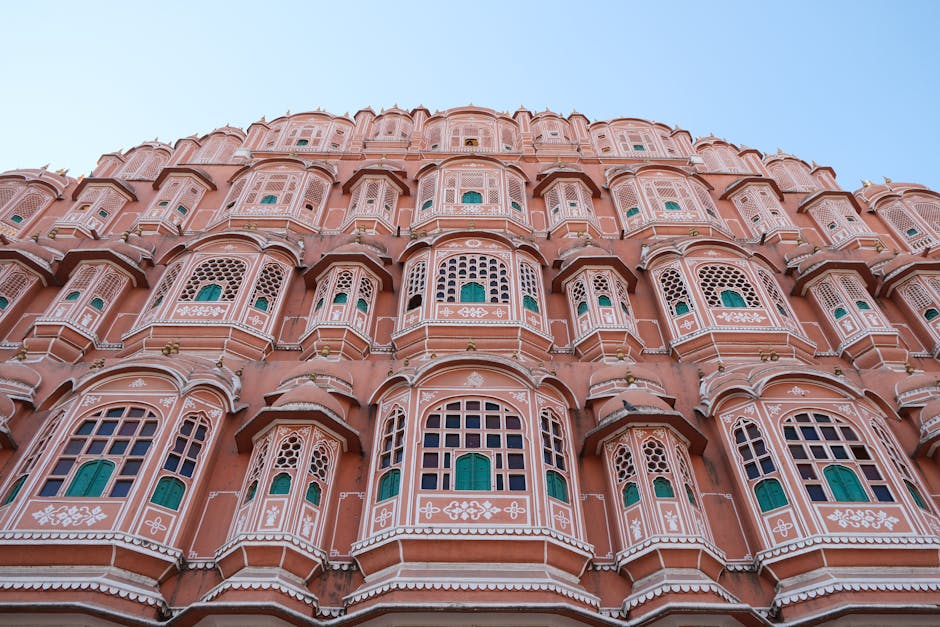
Discover Jaipur’s secret courtyards and stunning frescoes on this self-guided walk through the historic havelis and alleys of Purani Basti.
 Challenging
Jaipur, India
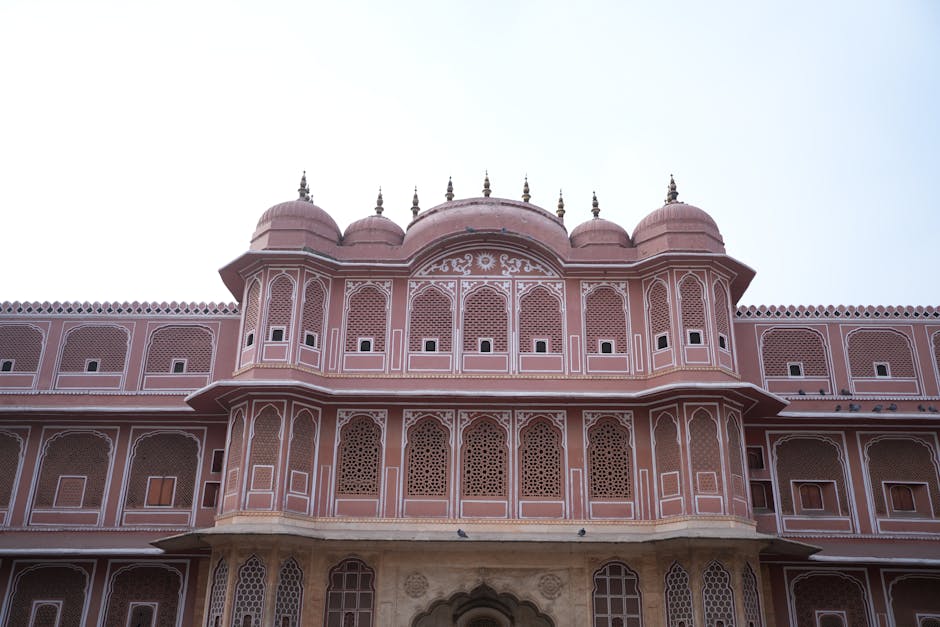
Ascend the historic ramparts of Amer Fort on this self-guided walk through ancient stepwells, royal gateways, and the dazzling Hall of Mirrors.
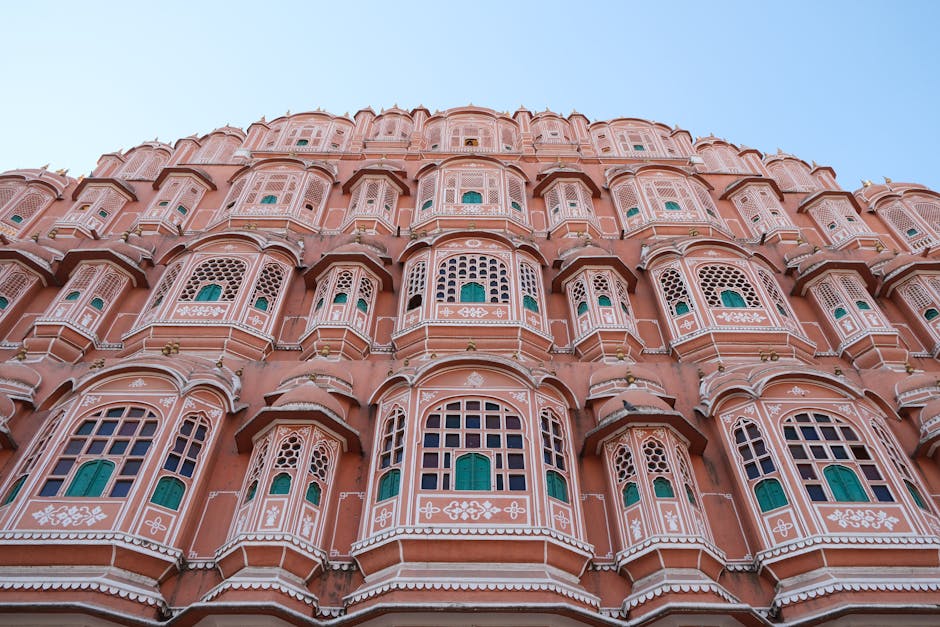 Easy
EasyJaipur, India
Explore the rose-hued gates and vibrant markets of Jaipur on this self-guided architectural walk from Albert Hall to the historic Ajmeri Gate.
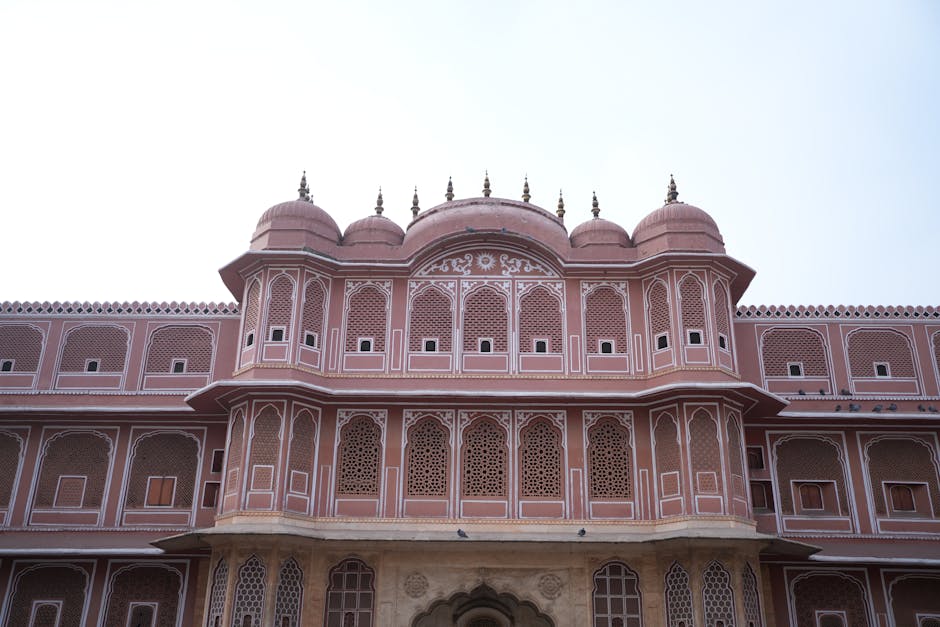 Moderate
Jaipur, India
Explore Jaipur’s royal history at your own pace with this self-guided audio walk through the Pink City’s most iconic palaces and monuments.
 Moderate
Nairobi, Kenya
Discover the creative soul of Nairobi on this self-guided walk through the city's premier art galleries, markets, and artisan workshops.
 Moderate
Nairobi, Kenya
Discover the pulse of Nairobi's contemporary art scene on this self-guided walk through the galleries and creative spaces of Kilimani.
 Easy
EasyInnsbruck, Austria
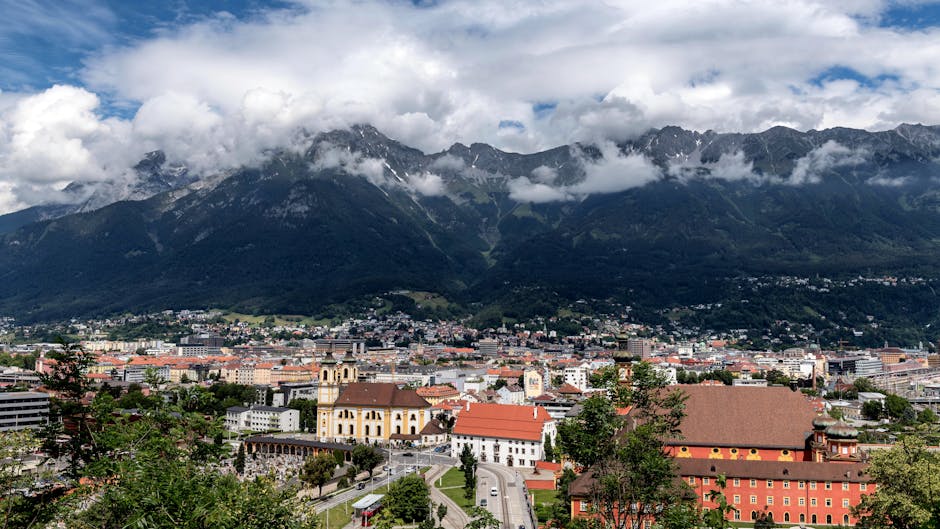
Discover the flavors of Tyrol on this self-guided stroll through Innsbruck’s historic Old Town and vibrant market hall.
 Easy
EasyKrakow, Poland
Explore Krakow’s artistic evolution from Renaissance masterpieces to vibrant urban murals on this inspiring self-guided walk through the city.
 Easy
EasyMumbai, India
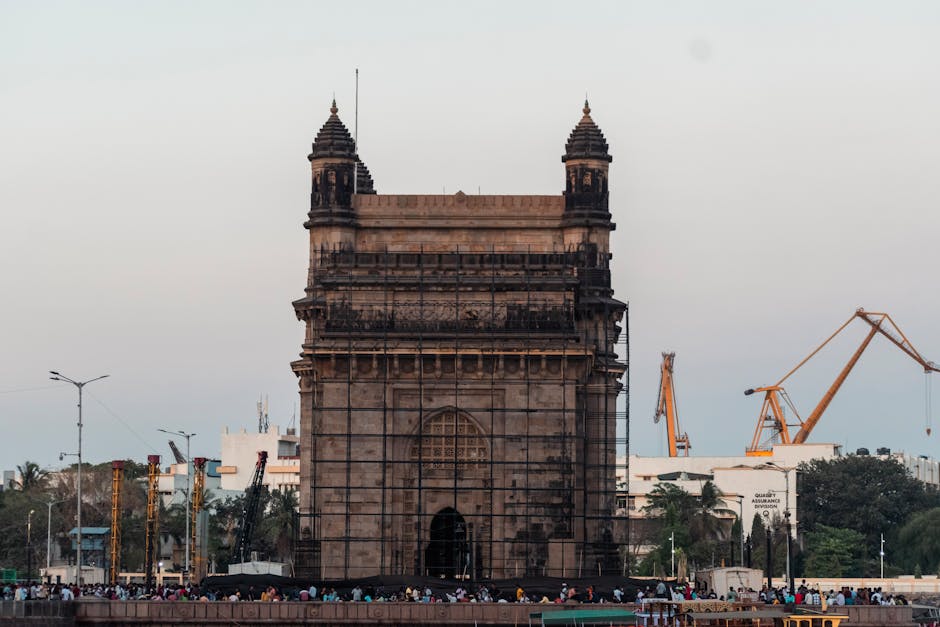
Explore Mumbai's stunning UNESCO Art Deco heritage on this self-guided walking route along the iconic Marine Drive promenade.
 Challenging
Mumbai, India
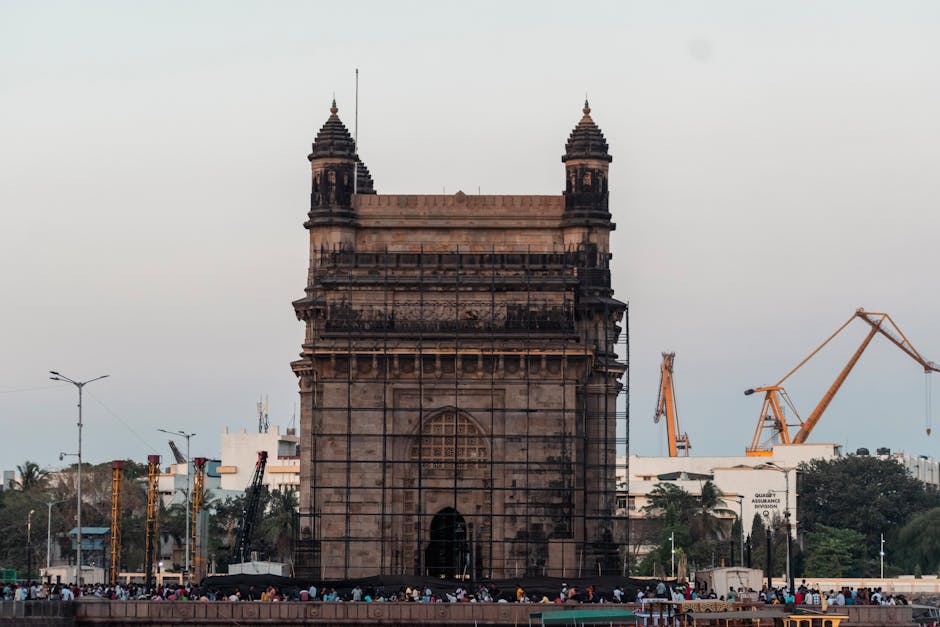
Experience the sensory explosion of Mumbai's historic markets on this challenging self-guided walk through Kalbadevi and Crawford Market.
 Easy
EasyMumbai, India
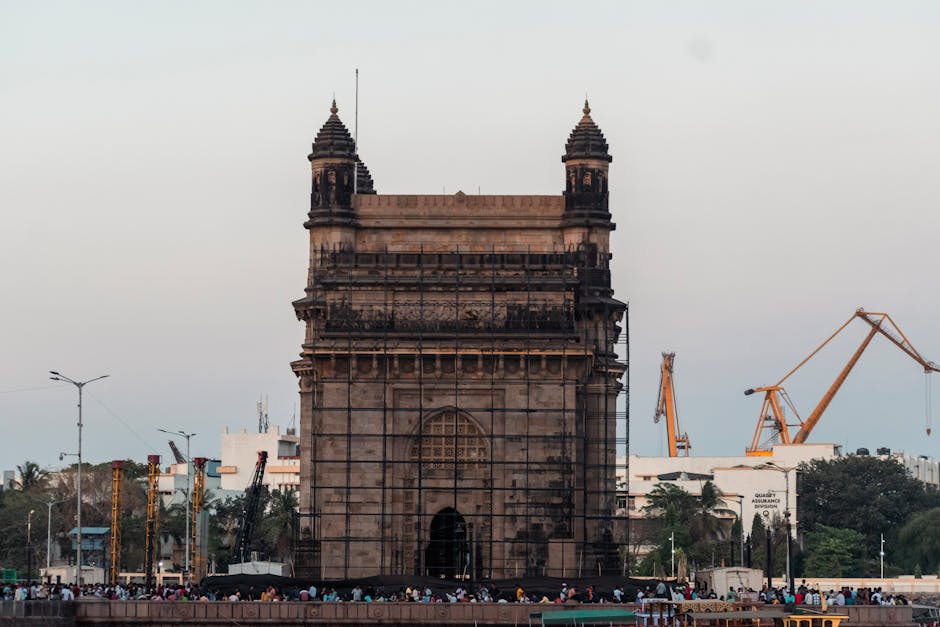
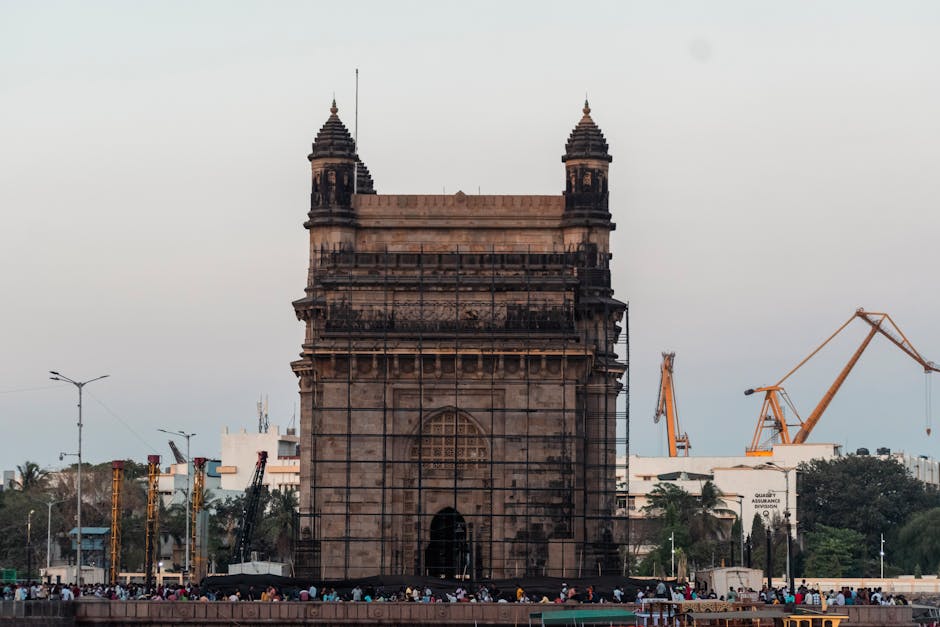
Explore Mumbai's colonial legacy on this self-guided walk through Colaba's iconic landmarks, from the Gateway of India to grand Art Deco palaces.
 Moderate
Mumbai, India
Explore the ancient fishing village of Worli Koliwada, historic forts, and stunning sea views on this self-guided cultural walking route.