Self-guided audio tour in Varanasi
Start Free on iPhone
Start free on iPhone to unlock this self-guided walking tour in Varanasi. Hear all the stories that make it amazing, walk at your own pace, and begin whenever you want.
Your Private Tour Guide
Varanasi, the eternal city of Kashi, is a place where the boundaries between the physical and spiritual worlds blur. This self-guided walking route offers a profound look into the cycle of life, death, and rebirth along the sacred Ganges. By exploring the riverfront at your own pace, you will witness the daily rituals that have remained unchanged for millennia. This journey takes you through the heart of the city's spiritual identity, connecting the two primary cremation grounds, Harishchandra and Manikarnika, with the vibrant life that pulses in between. This neighborhood stroll is not just a sightseeing trip; it is an immersion into the Hindu philosophy of Moksha, or liberation from the cycle of rebirth. Starting at the peaceful Narad Ghat, the path winds past the colorful steps of Lali Ghat before reaching the historic Harishchandra Ghat, one of the oldest cremation sites in the city. As you continue your walking route toward the central Dashashwamedh Ghat, the energy shifts from the somber to the celebratory. Here, the daily Ganga Aarti fills the air with incense and bells. The walk concludes at the awe-inspiring Manikarnika Ghat, the most auspicious place for a Hindu to be cremated, and the nearby Tarkeswar Mahadev Temple. This walking tour Varanasi provides a deep understanding of how the city treats death not as an end, but as a transition. Whether you are drawn by the ancient architecture, the flickering pyres, or the quiet devotion of the pilgrims, this audio walk provides the context needed to navigate these intense and beautiful spaces independently. Exploring this area requires sensitivity and respect, as you are moving through active places of worship and mourning. By following this self-guided adventure, you can take the time to reflect on the profound spirituality of the Kashi Khand without the pressure of a fixed schedule. This is a unique opportunity to witness the 'Cycle of Life' in the world's oldest living city.
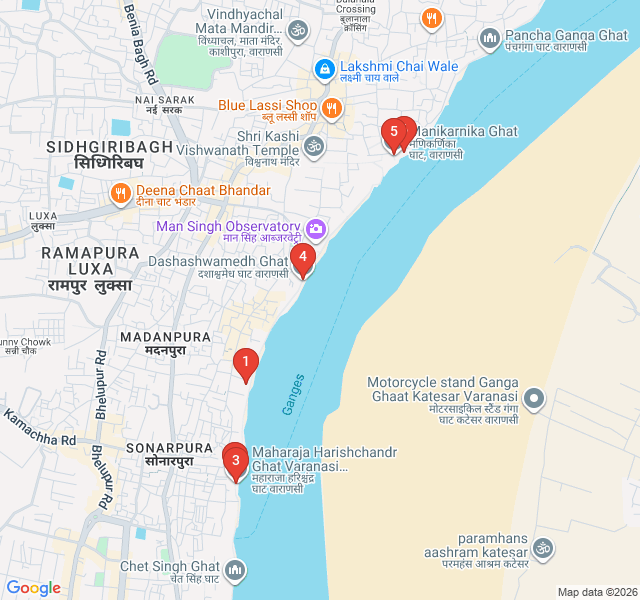
Numbers indicate the order of stops on the tour.
Welcome to the start of your journey along the sacred Ganges. Narad Ghat is named after the divine sage Narada, a prominent figure in Hindu mythology known as the messenger of the gods. This ghat is unique for its spiritual 'rule'—tradition suggests that a husband and wife should not bathe here together, as it is believed to cause discord. As you stand on these steps, look at the architecture; the ghat was constructed by a monastery in the mid-18th century. It sets a peaceful tone for the walk, representing the stage of life dedicated to knowledge and communication, much like the sage Narada himself. Take a moment to observe the pilgrims performing their morning 'Suryanamaskar' or sun salutations here.
A short walk brings us to Lali Ghat, easily recognizable by its vibrant colors and the presence of the local 'dhobis' or washermen. Built in the late 18th century by the Raja of Banaras, this ghat is a hive of daily activity. You will often see long reams of colorful fabric drying on the stone steps, creating a striking visual contrast against the ancient masonry. Lali Ghat exemplifies the 'life' aspect of our theme; it is a place of labor, community, and the practical necessities of living in this ancient city. It serves as a reminder that even in a city focused on the afterlife, the rhythms of daily existence continue unabated.
We now reach Harishchandra Ghat, one of the two ghats in Varanasi where cremations are performed. It is named after King Harishchandra, a legendary figure who worked here as a cremator's assistant to uphold his vow of truth and integrity. In Hindu belief, being cremated here leads to salvation. Unlike the larger Manikarnika, Harishchandra is often quieter but no less significant. You may see the 'Dom' community—the traditional keepers of the sacred fire—tending to the pyres. Please remember to be extremely respectful here; photography of the cremation process is strictly prohibited and culturally insensitive. This site represents the 'End' in the cycle of life, a physical manifestation of the transition from the body to the spirit.
Prepare for a shift in energy as we arrive at Dashashwamedh Ghat, the heart of Varanasi's riverfront. The name literally means 'the place where ten horses were sacrificed,' referring to a myth involving Lord Brahma. This is the city's most spectacular and busiest ghat. It is the site of the famous evening Ganga Aarti, but even during the day, it is a whirlwind of activity—priests under bamboo umbrellas offering blessings, flower sellers, and boatmen calling out to visitors. This ghat represents the pinnacle of earthly devotion and the celebration of the river as a living goddess. It is the vibrant center point between the two cremation grounds, pulsing with the energy of thousands of seekers.
You are now standing at Manikarnika Ghat, the 'Mahasmasana' or the Great Cremation Ground. This is the most sacred place for a Hindu to pass from this world. Legend says that while Lord Shiva was dancing in grief with Sati's body, her earring—the 'Manikarnika'—fell into a well here. The fires at this ghat are said to have burned continuously for thousands of years. It is a place of intense sights and sounds, where death is viewed not with horror, but as a release. Observe the wood being weighed and the families accompanying their loved ones. This is the ultimate destination in the cycle we are exploring, where the physical form is returned to the elements of fire, air, and water.
Our walk concludes at the Shri Tarkeswar Mahadev Temple, located right at the edge of Manikarnika Ghat. This small but incredibly significant temple is dedicated to Lord Shiva in his form as Tarkeswar. It is believed that Shiva himself whispers the 'Taraka Mantra'—the mantra of crossing over—into the ears of those who are cremated at Manikarnika, ensuring their liberation. The temple is often partially submerged during the monsoon season, yet it remains a pillar of faith. Here, the cycle of life, death, and liberation is completed. Take a final moment of reflection here before you head back into the bustling alleys of the old city.
Start Free on iPhone
Explore “The Cycle of Life: Manikarnika to Harishchandra” with your very own Private Tour Guide with Zigway. Start free on iPhone, skip the large group and the fixed routes, and hear the city come alive as you go.
Your Private Tour Guide
Don't miss the good stuff
Explore Freely
 Moderate
Varanasi, India
Discover the spiritual heart of Varanasi on this self-guided walk through ancient lanes, grand corridors, and sacred riverfront ghats.
 Moderate
Varanasi, India
Explore the ancient spiritual reservoirs of Varanasi on this self-guided walk through sacred kunds and the iconic Durga Temple.
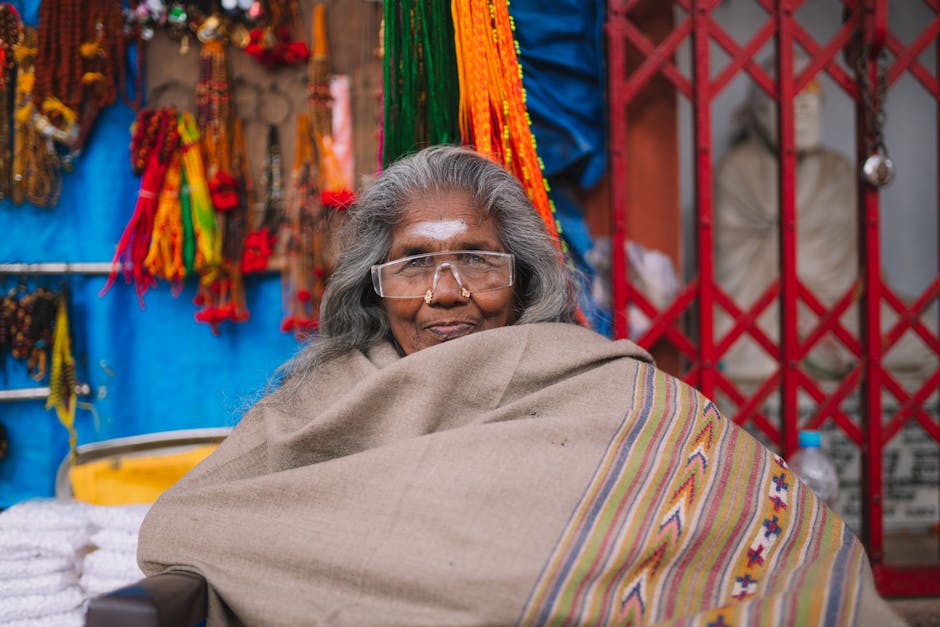 Easy
EasyVaranasi, India
Discover the literary soul of Varanasi on this self-guided walk through Assi, the home of legendary poets, scholars, and historic tea-stall debates.
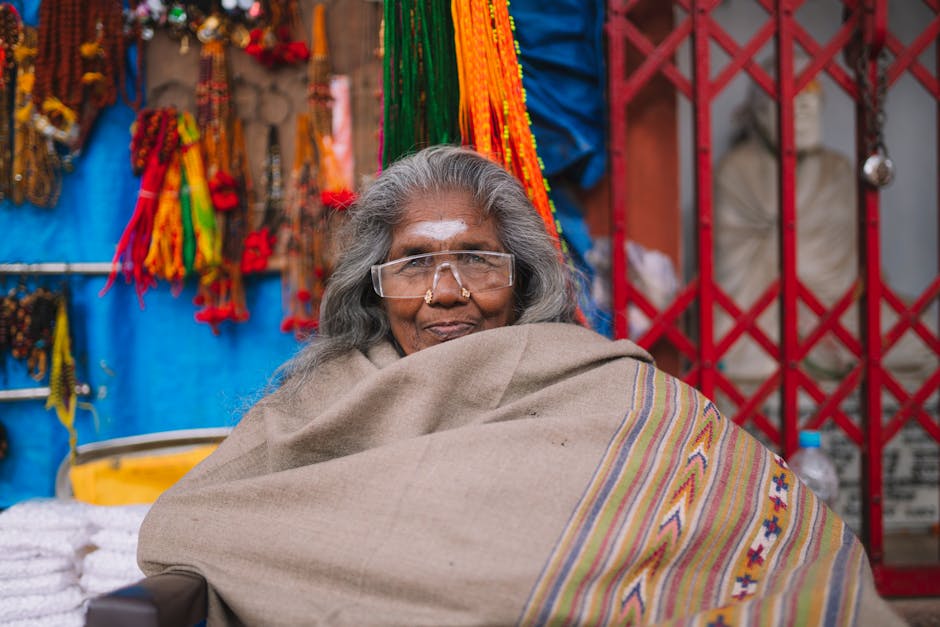 Easy
EasyVaranasi, India
Explore the lush greenery and Indo-Saracenic architecture of Banaras Hindu University on this peaceful self-guided campus stroll.
 Easy
EasyNairobi, Kenya
Discover Nairobi's iconic skyline on this self-guided architecture walk through the CBD’s most famous modernist and Brutalist landmarks.
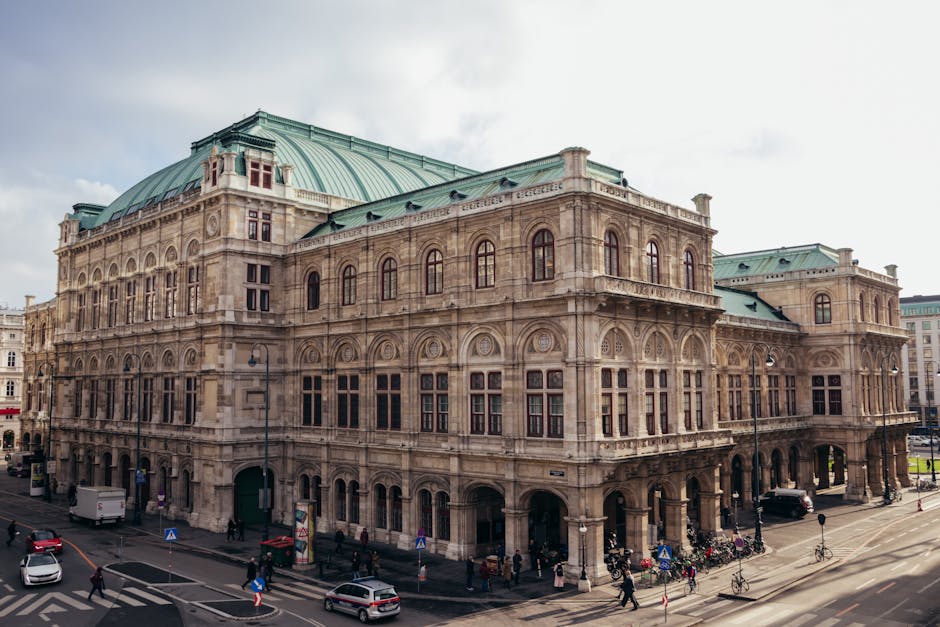 Moderate
Vienna, Austria
Discover the noir world of The Third Man and Cold War Vienna on this atmospheric self-guided audio walk through the historic Innere Stadt.
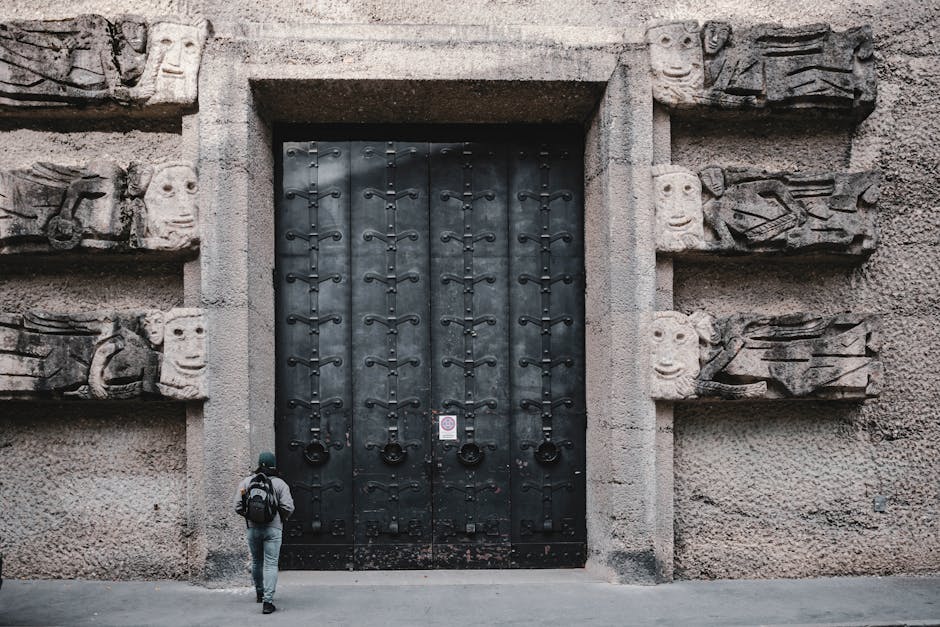 Easy
EasySalzburg, Austria
Discover Salzburg's oldest medieval alley, the birthplace of the 'Silent Night' author, and breathtaking views on this quiet self-guided walk.
 Easy
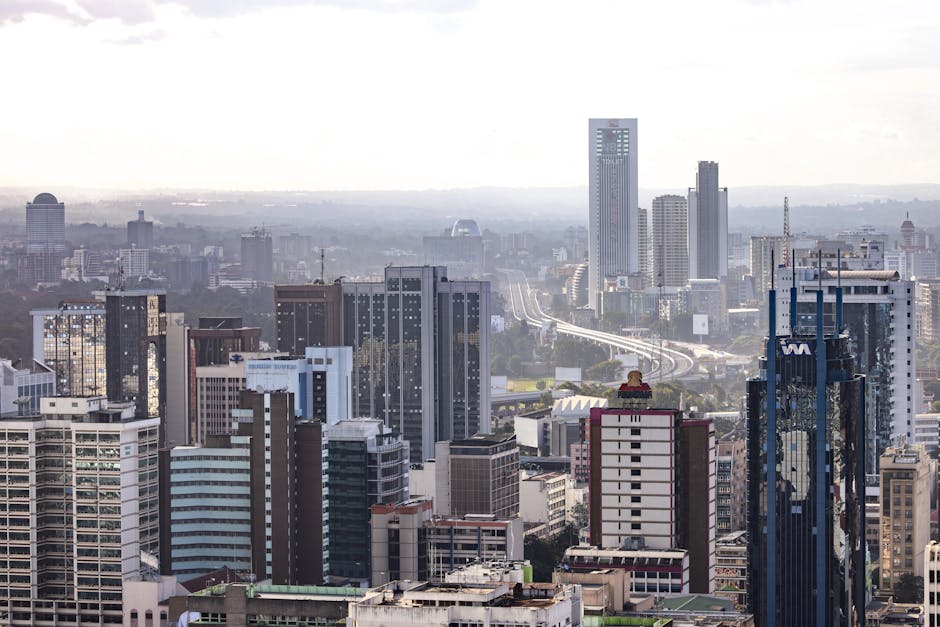
EasyNairobi, Kenya
Explore Nairobi's architectural evolution from colonial-era landmarks to iconic Brutalist skyscrapers on this historic self-guided walking route.
 Easy
EasyMumbai, India
Explore Mumbai's stunning UNESCO Art Deco heritage on this self-guided walking route along the iconic Marine Drive promenade.
 Challenging
Mumbai, India
Experience the sensory explosion of Mumbai's historic markets on this challenging self-guided walk through Kalbadevi and Crawford Market.
 Easy
EasyMumbai, India
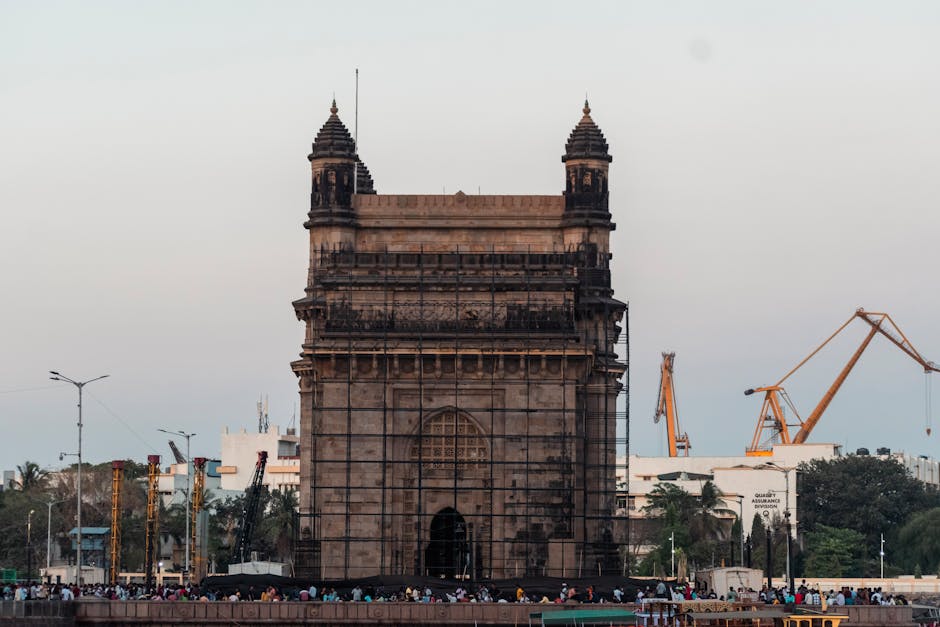
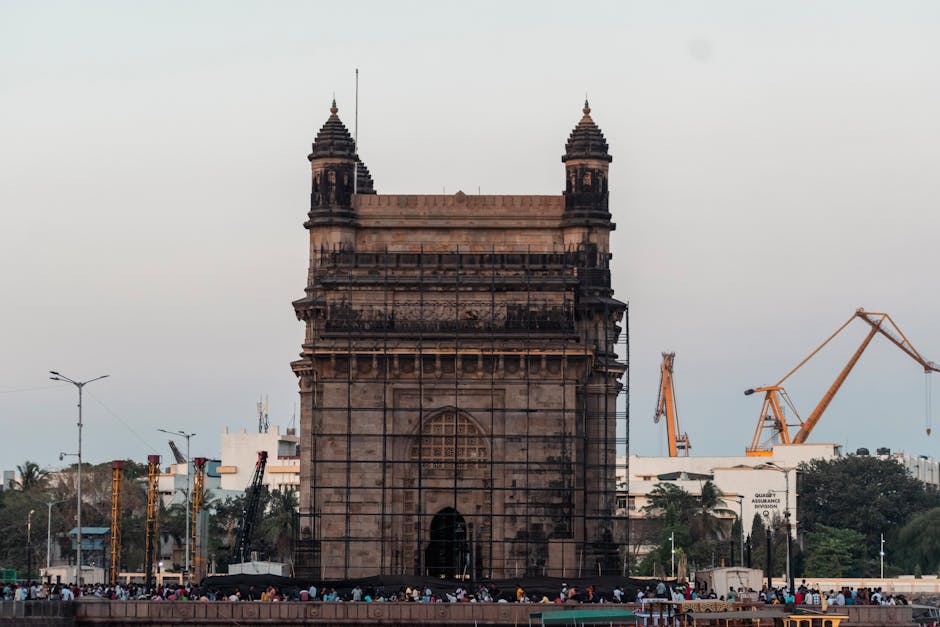
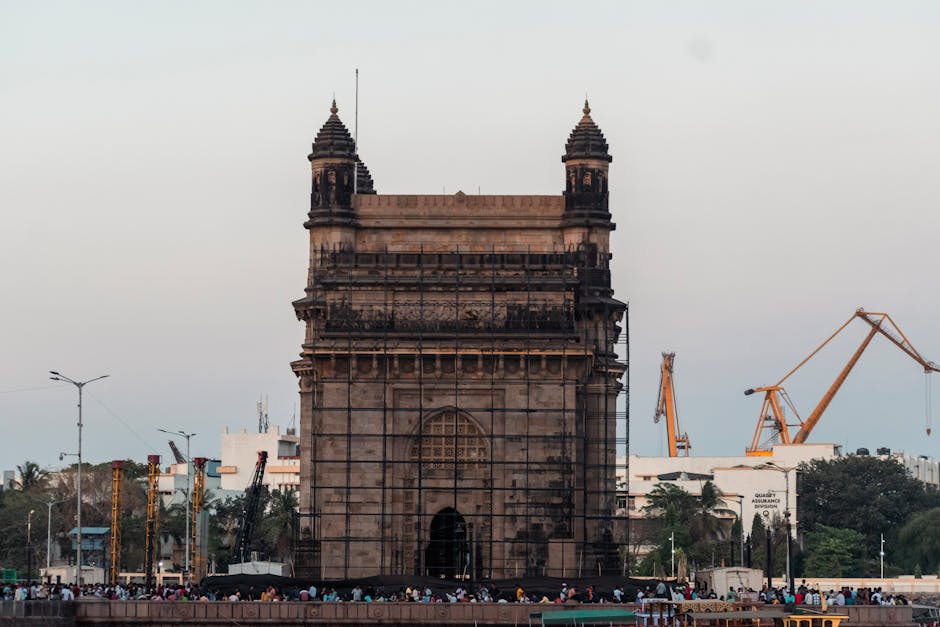
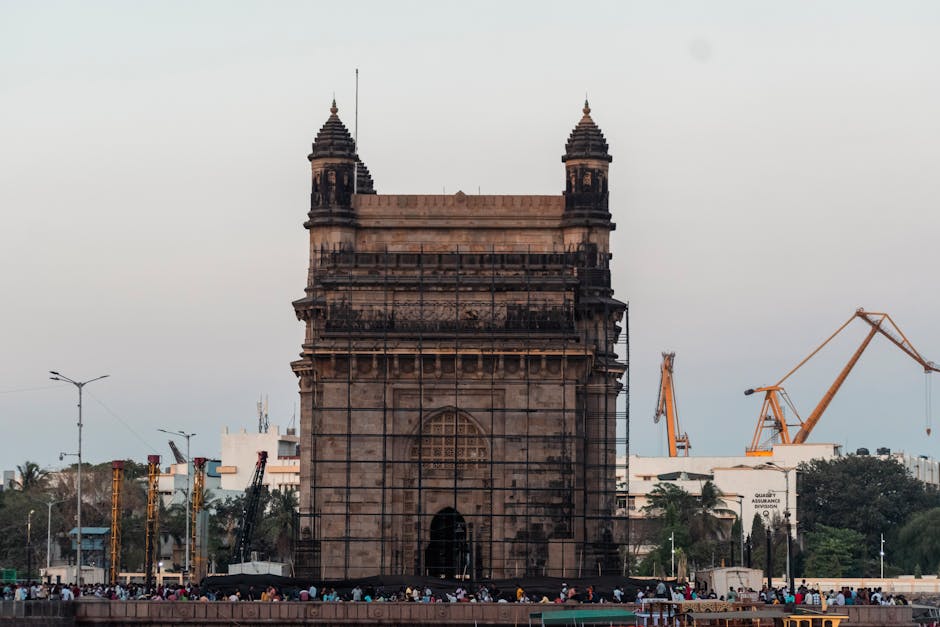
Explore Mumbai's colonial legacy on this self-guided walk through Colaba's iconic landmarks, from the Gateway of India to grand Art Deco palaces.
 Moderate
Mumbai, India
Explore the ancient fishing village of Worli Koliwada, historic forts, and stunning sea views on this self-guided cultural walking route.