Self-guided audio tour in Oaxaca
Start Free on iPhone
Start free on iPhone to unlock this self-guided walking tour in Oaxaca. Hear all the stories that make it amazing, walk at your own pace, and begin whenever you want.
Your Private Tour Guide
Step away from the bustling Zócalo and into the quiet, kaleidoscopic streets of Jalatlaco, widely considered Oaxaca’s most enchanting neighborhood. This neighborhood stroll takes you through an area that predates the city center, originally established as a separate village for indigenous Mexican allies of the Spanish. Today, it has transformed from a humble tanning district into a premier destination for art and photography enthusiasts. As you navigate the winding cobblestone alleys, you will encounter a living gallery where traditional colonial architecture meets cutting-edge contemporary murals. This self-guided walk is designed to help you discover the hidden stories behind the vibrant facades at your own pace. Historically, Jalatlaco was the center of Oaxaca’s leather industry, a legacy preserved in street names like Calle de las Curtidurías. While the tanneries have mostly vanished, they have been replaced by a thriving creative community. The route highlights the neighborhood's transition, showcasing how local artists use the century-old walls as canvases to tell stories of Zapotec heritage, modern social movements, and the iconic imagery of the Day of the Dead. Because street art is inherently temporary, this neighborhood stroll offers a unique snapshot of the city's creative pulse that changes with the seasons. Beyond the murals, the route leads you to the spiritual heart of the barrio, the Templo de San Matías Jalatlaco, a stunning example of 18th-century religious architecture. You will also experience the neighborhood's modern evolution, passing by boutique cafes and restored homes that maintain the area’s distinct village-like atmosphere. Whether you are looking for the perfect shot for your portfolio or simply want to soak in the local ambiance, this walking route Oaxaca provides a peaceful alternative to the more crowded tourist districts. This is an essential experience for anyone wanting to see the authentic, artistic side of Oaxaca independently. **Note:** This area is known for its ever-changing character. Street art, pop-up venues, and temporary exhibitions may differ from what's described. That's part of the adventure - you might discover something entirely new!
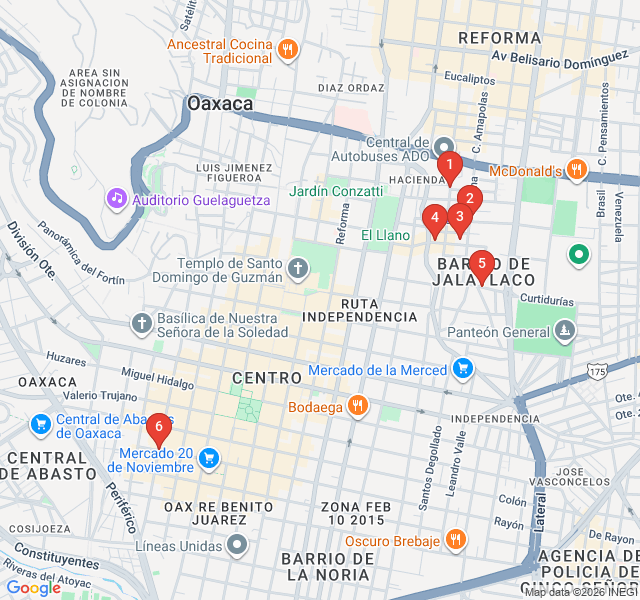
Numbers indicate the order of stops on the tour.
Welcome to the gateway of Jalatlaco. This street serves as the main artery connecting the modern city to this historic barrio. As you begin your self-guided adventure, notice the immediate change in atmosphere; the pavement gives way to cobblestones and the noise of the city fades. This area was originally settled by the Tlaxcalteca people, and for centuries, it remained a distinct community outside the main city limits. Look at the corners and high walls here—this is often where the first large-scale murals appear, signaling your entry into one of Oaxaca's most creative hubs.
Calle de la Alianza is widely regarded as one of the most photogenic streets in Oaxaca. It is a prime example of the neighborhood's artistic transformation. The walls here are frequently updated with new street art, ranging from surrealist depictions of Oaxacan flora to portraits of local legends. Please note that street art is ephemeral by nature; the mural you see today might be replaced by a new masterpiece tomorrow, making every visit a unique experience. Take a moment to look down the side alleys, where smaller stencils and hidden tags often reveal the more experimental side of the local art scene.
At the center of the neighborhood stands the Templo de San Matías Jalatlaco. Built in the late 17th and early 18th centuries, this church is famous for its striking yellow facade and red accents. It was constructed over an earlier 16th-century chapel, reflecting the deep roots of this community. The small plaza in front of the church often serves as a gathering place for locals. Notice the intricate stone carvings around the entrance, a hallmark of the regional baroque style. This spot offers a quiet moment of reflection and a glimpse into the spiritual heart that has sustained Jalatlaco for generations.
This corner highlights the successful adaptive reuse of historic buildings in the neighborhood. While Jalatlaco has seen a surge in popularity, many of its businesses are housed in carefully restored colonial structures that respect the original aesthetic. The architecture here features thick adobe walls and traditional wooden doors, designed to keep interiors cool in the Oaxacan sun. It is a great place to observe the intersection of traditional life and the burgeoning culinary scene. The surrounding buildings often feature murals that pay homage to traditional Oaxacan food culture, like agave plants and corn.
The name of this street, 'Curtidurías,' literally translates to 'Tanneries.' For over three centuries, this was the industrial heart of the neighborhood, where leather was processed and dyed. The proximity to the Jalatlaco River (now largely underground) made it an ideal location for this water-intensive trade. While the smell of tanning hide has long since been replaced by the aroma of freshly roasted coffee, the architectural layout—with large courtyards and wide entrances—recalls its industrial past. This street remains one of the most tranquil parts of the walk, perfect for capturing the textures of weathered wood and stone.
As you conclude your neighborhood stroll on Calle de Ignacio Aldama, you are positioned at the edge of the barrio where it begins to blend back into the Centro Histórico. This street often features some of the largest and most intricate murals in the area, often spanning entire building lengths. It is a fantastic spot to reflect on the contrast between the historic tanning district and the modern 'cool' neighborhood Jalatlaco has become. From here, you are just a short walk away from the bustling ADO bus station or a ten-minute walk back to the Santo Domingo church area.
Start Free on iPhone
Explore “Vibrant Murals and Cobblestones of Jalatlaco” with your very own Private Tour Guide with Zigway. Start free on iPhone, skip the large group and the fixed routes, and hear the city come alive as you go.
Your Private Tour Guide
Don't miss the good stuff
Explore Freely
 Easy
EasyOaxaca, Mexico
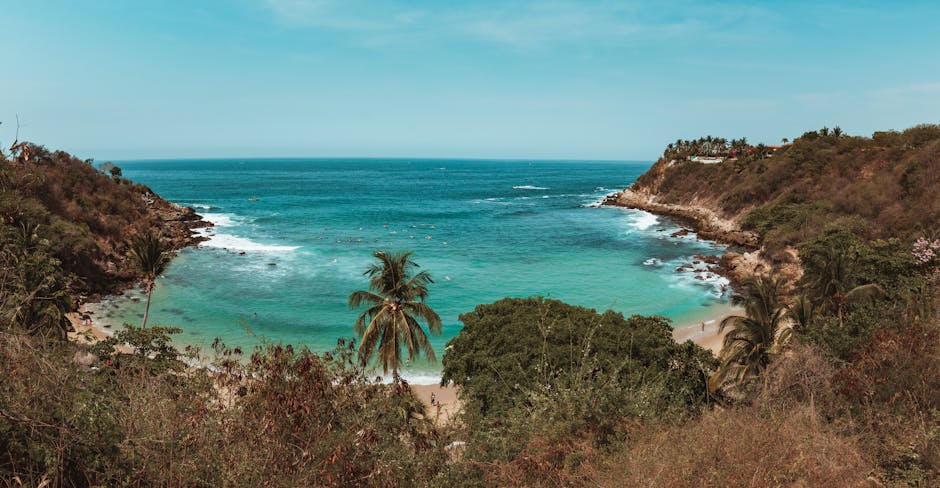
Explore Oaxaca’s oldest barrio on this self-guided walk through colonial aqueducts, colorful streets, and traditional artisan workshops.
 Easy
EasyOaxaca, Mexico
Explore Oaxaca's vibrant modern art scene, from revolutionary printmaking collectives to world-class contemporary museums, at your own pace.
 Moderate
Oaxaca, Mexico
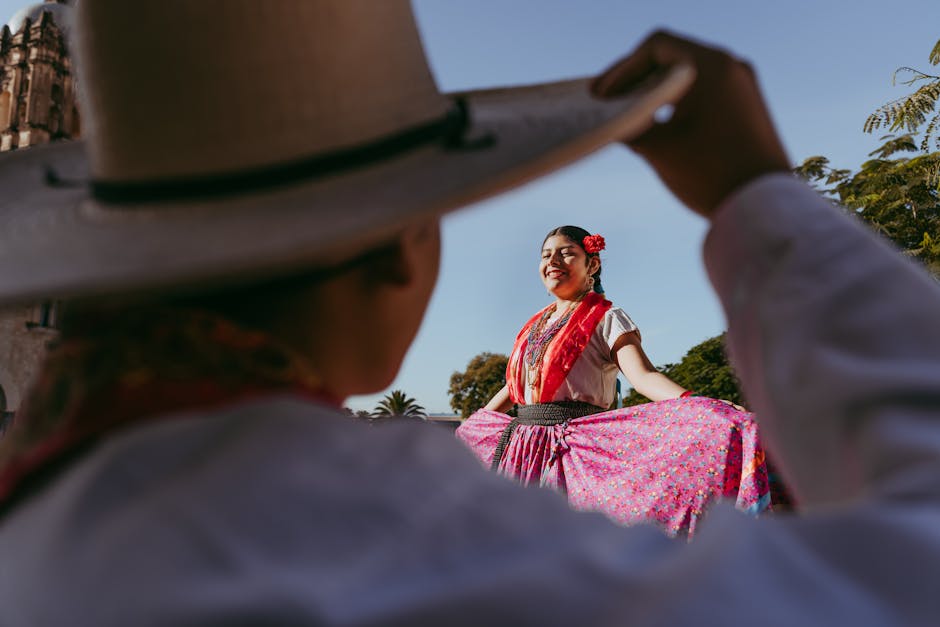
Explore the heights of Oaxaca on this self-guided walk, featuring panoramic city views, cultural landmarks, and the iconic Cerro del Fortín.
 Easy
EasyOaxaca, Mexico
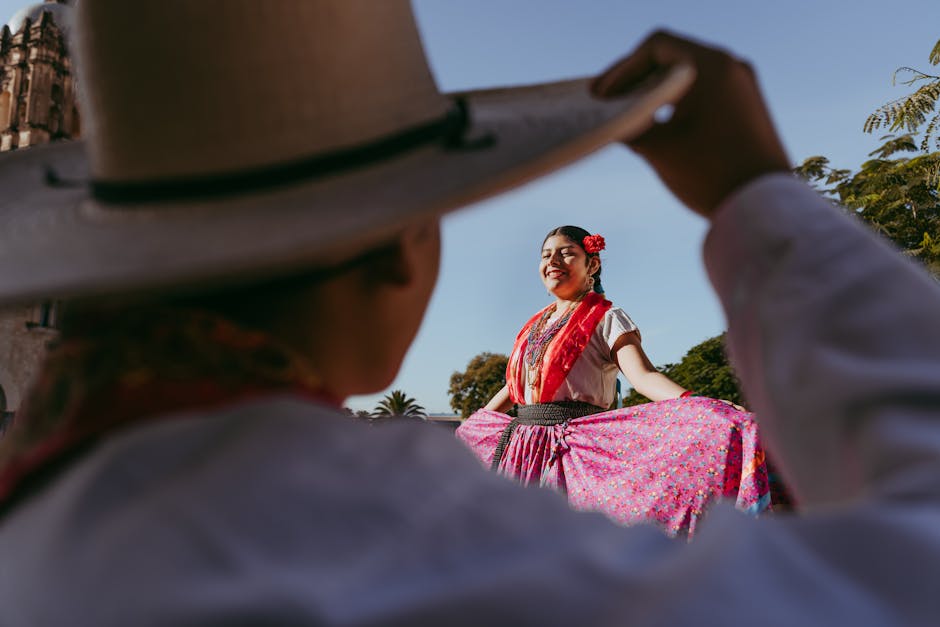
Explore Oaxaca's 'Green City' at your own pace. Discover Baroque masterpieces and the vibrant Zócalo on this self-guided neighborhood stroll.
 Easy
EasyVienna, Austria
Explore Vienna’s vibrant open-air gallery along the Danube Canal on this self-guided street art and nightlife stroll through Leopoldstadt.
 Easy
EasyKrakow, Poland
Discover Krakow’s creative soul in Zabłocie, exploring industrial heritage, contemporary art museums, and avant-garde architecture at your own pace.
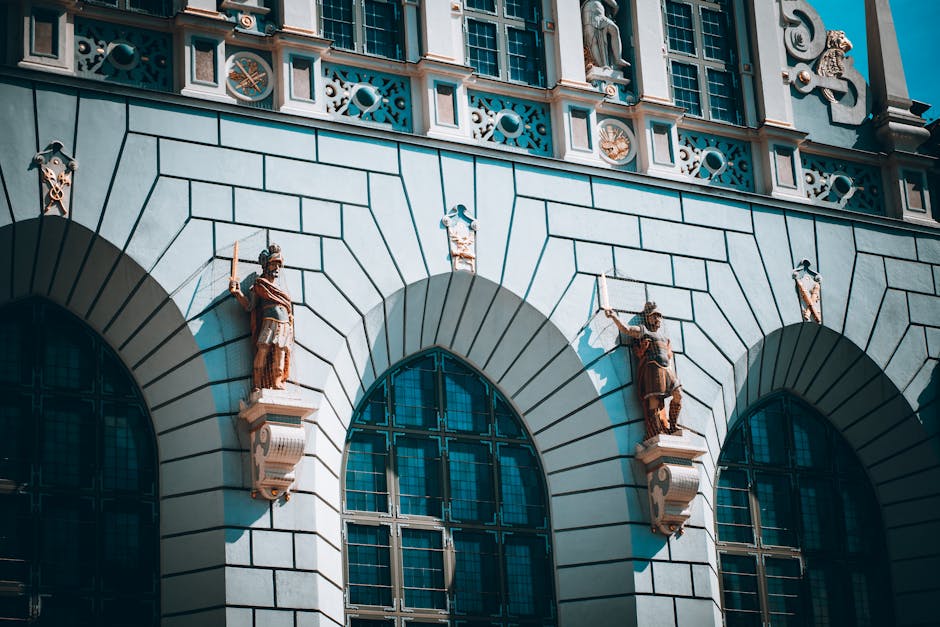 Moderate
Gdansk, Poland
Discover Zaspa, a massive open-air gallery where grey housing blocks are transformed by over 60 monumental murals. Explore at your own pace.
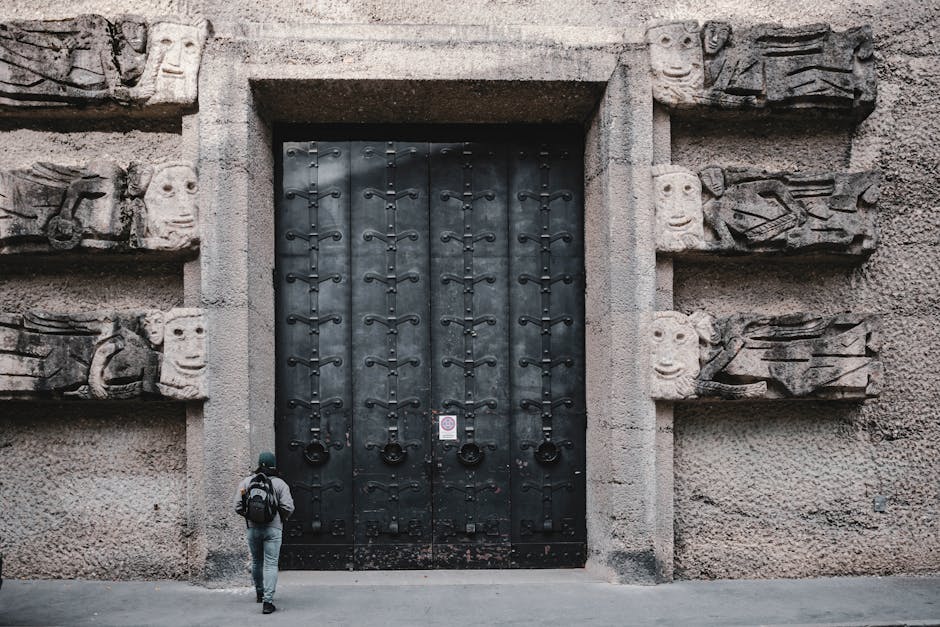 Easy
EasySalzburg, Austria
Discover Salzburg's oldest medieval alley, the birthplace of the 'Silent Night' author, and breathtaking views on this quiet self-guided walk.
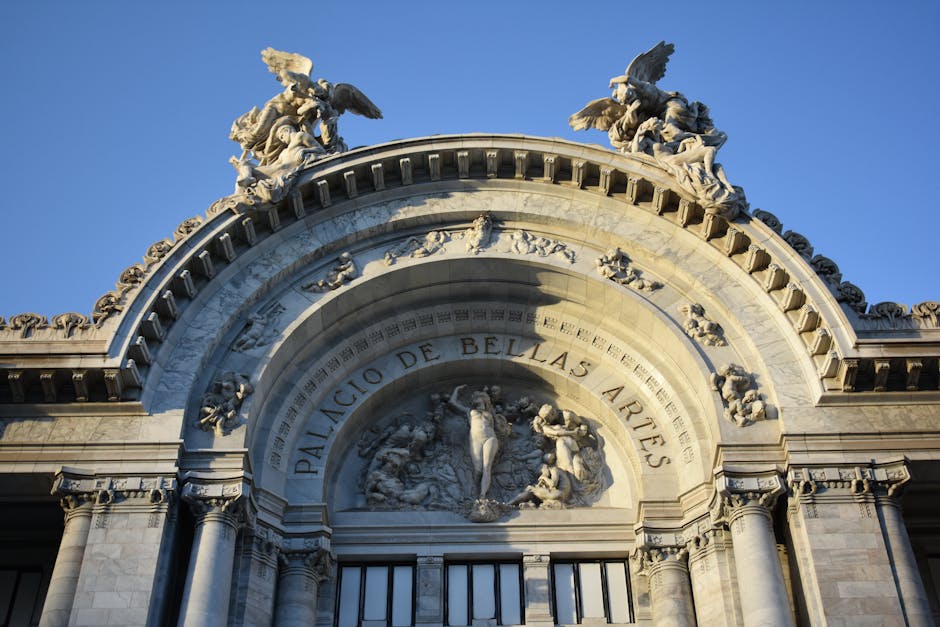 Easy
EasyMexico City, Mexico
Explore Mexico City's most glamorous district on this self-guided walk through Polanco's luxury boutiques, lush parks, and iconic art museums.
 Easy
EasyMexico City, Mexico
Explore the Art Deco architecture and gourmet food scene of Roma Norte on this self-guided neighborhood stroll through Mexico City’s creative heart.
 Easy
EasyMexico City, Mexico
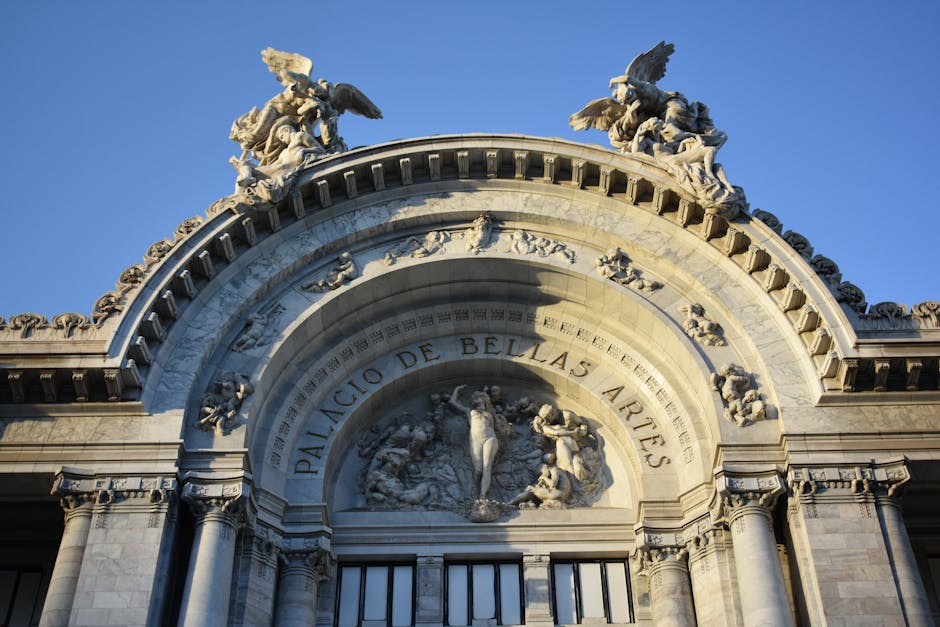
Explore the epic murals of Rivera, Orozco, and Siqueiros on this self-guided walking route through the heart of Mexico City’s historic center.
 Moderate
Mexico City, Mexico
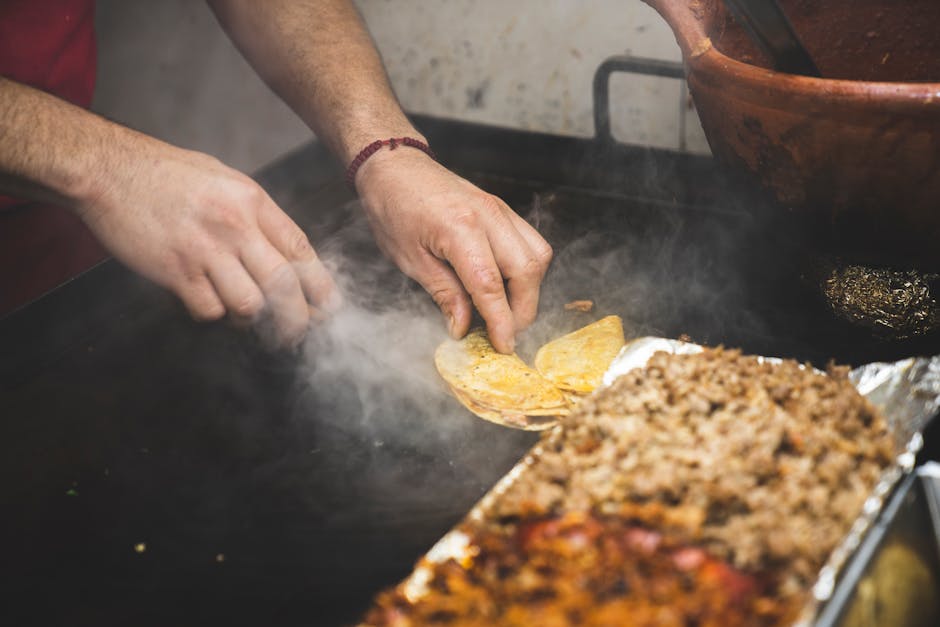
Taste the legendary tacos and cantina culture of Narvarte on this self-guided walk through Mexico City's most authentic foodie neighborhood.