Self-guided audio tour in Mexico City
Start Free on iPhone
Start free on iPhone to unlock this self-guided walking tour in Mexico City. Hear all the stories that make it amazing, walk at your own pace, and begin whenever you want.
Your Private Tour Guide
Condesa is often described as the 'lungs' of Mexico City, a neighborhood where the bustle of the metropolis fades into a canopy of jacarandas and ash trees. This self-guided walk invites you to explore a unique urban landscape where nature and Art Deco architecture exist in perfect harmony. Unlike a traditional walking tour Mexico City might offer, this neighborhood stroll allows you to set your own pace as you discover the secrets of the former Jockey Club racecourse. You will wander through lush parks and down the iconic Avenida Ámsterdam, a circular boulevard that follows the curve of a historic track. The route showcases the evolution of Mexican urban design, from the soaring heights of the Edificio Basurto to the tranquil fountains of Parque España. Along the way, you will encounter the neighborhood's distinct bohemian spirit, characterized by its vibrant cafe culture and preserved 1920s facades. This walking route is perfect for those who appreciate the intersection of history and horticulture. As you move from the grand open-air theater of Foro Lindbergh to the nostalgic charm of a classic local creamery, you will see why Condesa remains one of the most beloved areas for locals and travelers alike. Whether you are interested in the geometric precision of Art Deco or the wild beauty of tropical urban gardens, this audio walk provides the context and stories to bring the streets to life without the constraints of a group schedule. It is a true independent exploration of one of the city's most picturesque districts.
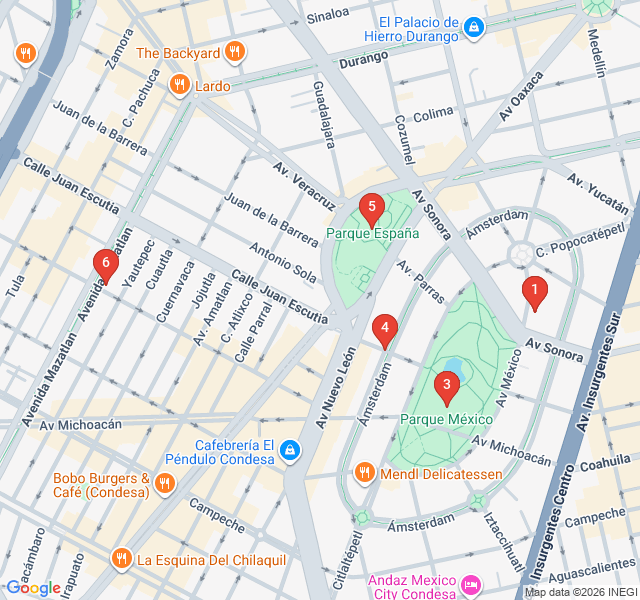
Numbers indicate the order of stops on the tour.
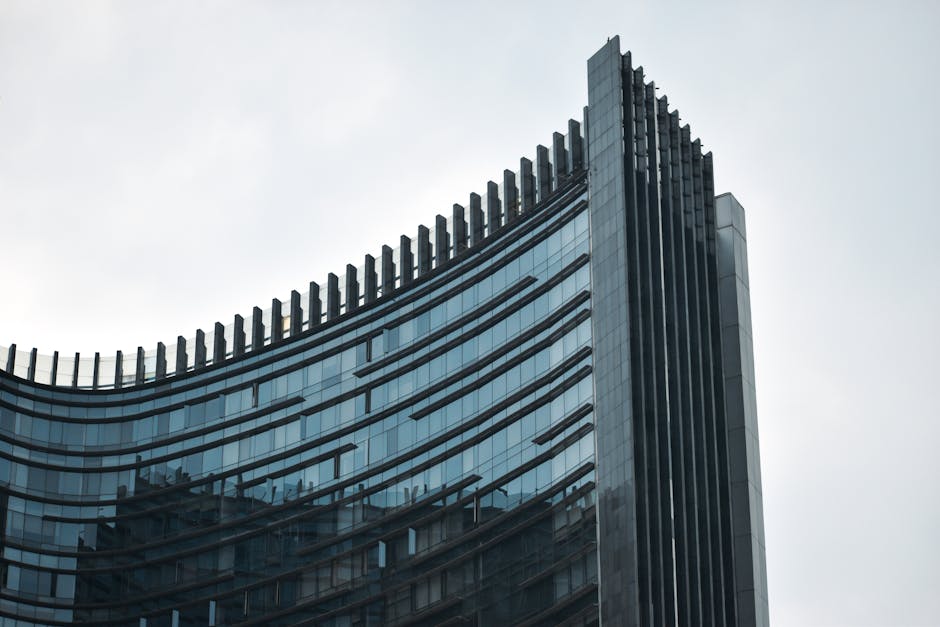
Standing before the Edificio Basurto, you are looking at one of the most significant examples of Art Deco architecture in Mexico City. Completed in 1945 by architect Francisco Serrano, this building broke the traditional mold with its irregular floor plan and soaring verticality. Its most famous feature is the internal spiral staircase, which creates a mesmerizing geometric pattern when viewed from above. The Basurto was built on the site of a former orchard, signaling the neighborhood's transition from rural outskirts to an elite residential hub. Take a moment to admire the curved balconies and the way the structure seems to twist toward the sky, a design choice that maximized natural light for the residents inside.
Step into the green heart of Condesa. Formally known as Parque San Martín, this space was designed in 1927 to resemble the great parks of Europe. The layout is unique because it follows the oval shape of the old Hipódromo de la Condesa horse racing track. As you walk the winding paths, notice the Art Deco benches and lamp posts that remain from its original construction. The park isn't just a historical monument; it is the neighborhood's social center. You will likely see professional dog walkers with dozens of well-behaved pups and locals practicing yoga under the thick canopy of Mediterranean palms and Lebanese cedars. It is a masterclass in how urban nature can foster community.
Located at the southern end of Parque México, the Foro Lindbergh is a stunning open-air theater characterized by its towering pillars and pergolas. Named after the aviator Charles Lindbergh, the forum was designed by Leonardo Noriega and Javier Stávoli. Look for the five monumental pillars topped with stylized eagles and the vibrant murals by Roberto Montenegro. This space was intended to bring high culture to the public, and today it remains a stage for the neighborhood—though you are more likely to see roller skaters practicing their moves or children playing soccer than classical concerts. The architecture here perfectly blends the era's fascination with flight and modernity with traditional Mexican motifs.
Avenida Ámsterdam is perhaps the most famous street in Condesa, and for good reason. This elliptical boulevard encircles Parque México, sitting exactly where the horse racing track used to be. It features a lush central pedestrian median lined with benches, fountains, and an incredible variety of trees. As you walk along the median, pay attention to the floor tiles and the ornate ironwork of the surrounding houses. The street is a living gallery of architectural styles, ranging from Art Deco to 'California Colonial.' It is a rare example of urban planning where the pedestrian experience is prioritized over car traffic, creating a tranquil green corridor that feels miles away from the city's heavy traffic.
Slightly smaller and more intimate than its neighbor, Parque España was inaugurated in 1921 to celebrate the centenary of Mexican Independence. It serves as a gateway between the Condesa and Roma neighborhoods. One of its most striking features is the monument to Lázaro Cárdenas, which features a large, abstract hand symbolizing the welcome Mexico gave to Spanish Civil War refugees. The park is a favorite for those seeking a quiet corner to read or a shaded spot to escape the afternoon sun. Its dense vegetation and winding paths make it feel like a secret garden nestled within the grid of the city.
End your walk with a taste of local history at Nevería Roxy. This family-run ice cream parlor first opened its doors in 1946 and has barely changed since. Step inside to see the original soda fountain aesthetic, with its classic signage and simple, high-quality ingredients. Roxy began as a neighborhood cinema concession stand before becoming a standalone destination. It is famous for its traditional Mexican fruit flavors like mamey, zapote, and guanábana. Grabbing a scoop here isn't just about the dessert; it's about participating in a weekend tradition that has spanned generations of Condesa residents. It is the perfect place to sit back and reflect on the architectural and natural beauty you have just explored.
Start Free on iPhone
Explore “Green Escapes of Condesa” with your very own Private Tour Guide with Zigway. Start free on iPhone, skip the large group and the fixed routes, and hear the city come alive as you go.
Your Private Tour Guide
Don't miss the good stuff
Explore Freely
 Easy
EasyMexico City, Mexico
Explore Mexico City's most glamorous district on this self-guided walk through Polanco's luxury boutiques, lush parks, and iconic art museums.
 Easy
EasyMexico City, Mexico
Explore the Art Deco architecture and gourmet food scene of Roma Norte on this self-guided neighborhood stroll through Mexico City’s creative heart.
 Easy
EasyMexico City, Mexico
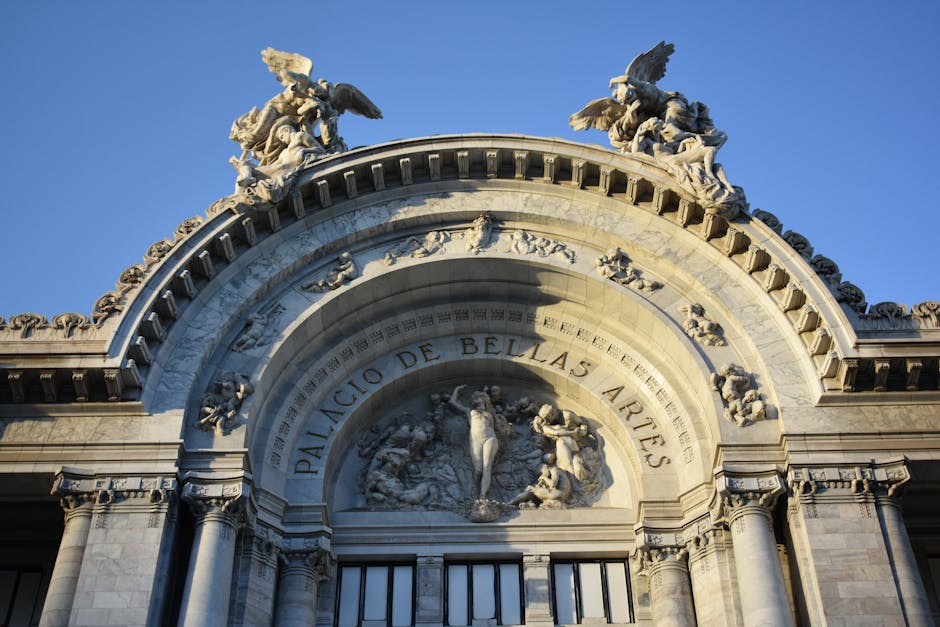
Explore the epic murals of Rivera, Orozco, and Siqueiros on this self-guided walking route through the heart of Mexico City’s historic center.
 Moderate
Mexico City, Mexico
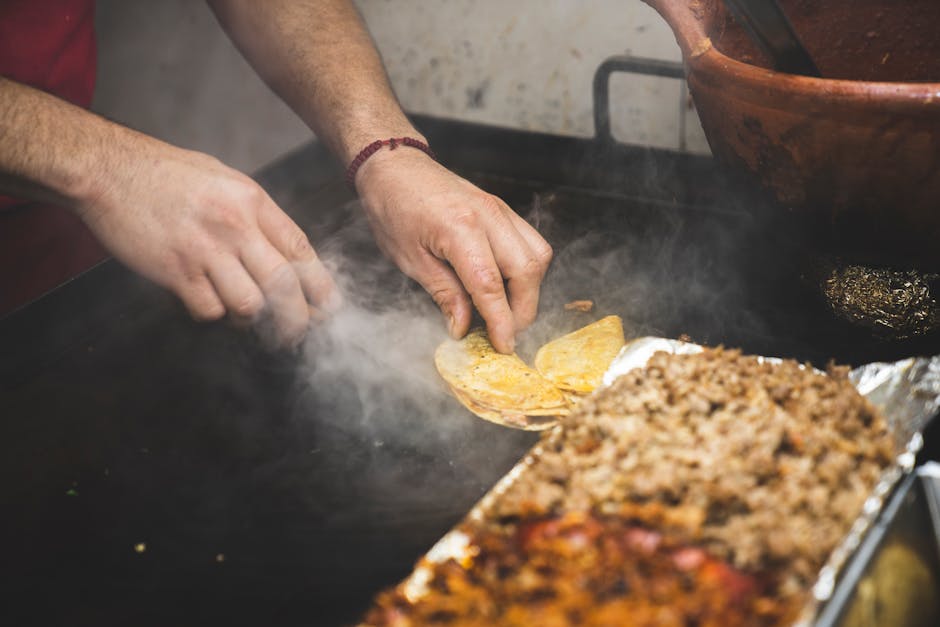
Taste the legendary tacos and cantina culture of Narvarte on this self-guided walk through Mexico City's most authentic foodie neighborhood.
 Easy
EasyKrakow, Poland
Explore the prestigious Jagiellonian University district, featuring Neo-Gothic architecture, Baroque churches, and Krakow's hidden scholarly gems.
 Easy
EasyWarsaw, Poland
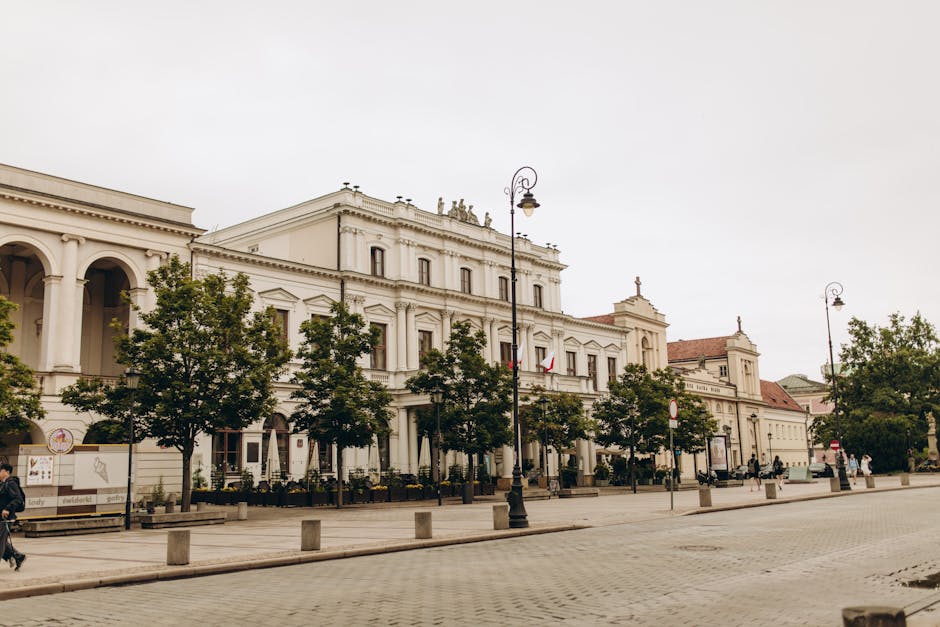
Explore Warsaw's scenic riverfront, rooftop gardens, and industrial-chic architecture on this self-guided stroll through the Powiśle district.
 Easy
EasyGdansk, Poland
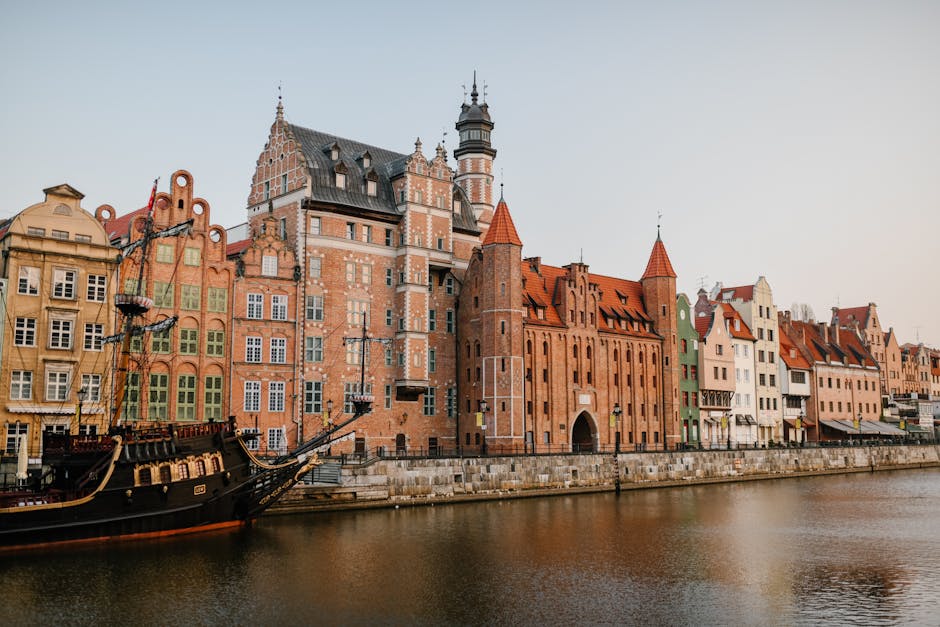
Discover the 'Baltic Gold' on this self-guided walk through Gdansk's historic mills, massive cathedrals, and the magical Mariacka Street.
 Easy
EasyWarsaw, Poland
Discover the hidden courtyards and grand pre-war architecture of Warsaw's most atmospheric neighborhood on this self-guided stroll.
 Easy
EasyOaxaca, Mexico
Explore Oaxaca’s oldest barrio on this self-guided walk through colonial aqueducts, colorful streets, and traditional artisan workshops.
 Easy
EasyOaxaca, Mexico
Explore Oaxaca's vibrant modern art scene, from revolutionary printmaking collectives to world-class contemporary museums, at your own pace.
 Moderate
Oaxaca, Mexico
Explore the heights of Oaxaca on this self-guided walk, featuring panoramic city views, cultural landmarks, and the iconic Cerro del Fortín.
 Easy
EasyOaxaca, Mexico
Explore Oaxaca's 'Green City' at your own pace. Discover Baroque masterpieces and the vibrant Zócalo on this self-guided neighborhood stroll.