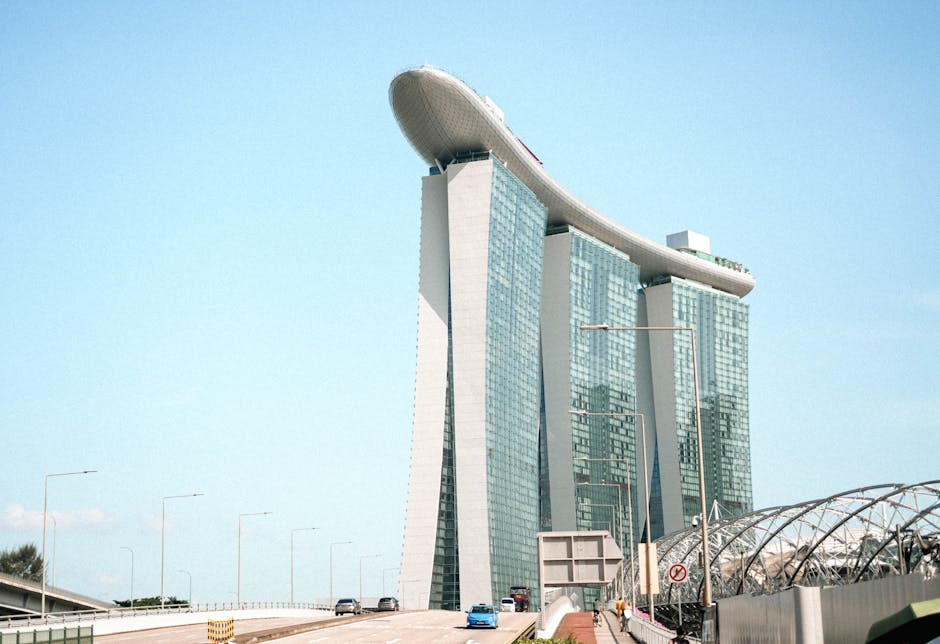
Self-guided audio tour in Singapore
Start Free on iPhone
Start free on iPhone to unlock this self-guided walking tour in Singapore. Hear all the stories that make it amazing, walk at your own pace, and begin whenever you want.
Your Private Tour Guide
Step into the vibrant tapestry of Singapore’s past with this self-guided walk through the heart of Chinatown and Telok Ayer. This neighborhood stroll invites you to uncover the layers of history that transformed a swampy coastal landing into a bustling metropolis. As you explore independently, you will witness the remarkable coexistence of different faiths and cultures that defines the Singaporean identity. The route focuses on the stories of early immigrants—the Hokkiens, Teochews, and Chulias—who brought their traditions, religions, and architectural styles to these shores. Your walking route begins on Sago Street, a place once known for a somber history that has since evolved into a lively hub of local life. From there, you will encounter the majestic Buddha Tooth Relic Temple, a masterpiece of Tang-style architecture that serves as a modern guardian of ancient traditions. As you move toward Telok Ayer, once the original shoreline of the island, the theme of religious harmony becomes central. This 'Street of Harmony' features some of the oldest places of worship in the city, including Thian Hock Keng Temple and Masjid Al-Abrar, standing side-by-side as a testament to the peaceful integration of the early clan communities. This walking tour Singapore offers more than just a history lesson; it provides a sensory journey through narrow alleys, past ornate shophouses, and into the quiet courtyards of sacred shrines. You will learn about the grueling lives of the coolies, the spiritual devotion of the seafaring merchants, and the evolution of the clan houses that provided social safety nets for new arrivals. Whether you are interested in the intricate woodcarvings of a Hokkien temple or the miniature minarets of a South Indian shrine, this self-guided adventure allows you to discover the echoes of the past at your own pace. For those seeking a comprehensive walking tour Singapore experience, this route captures the essence of the city's multicultural soul without the constraints of a fixed schedule.

Numbers indicate the order of stops on the tour.
Start your journey on Sago Street, a place with a name as sweet as its history was once grim. In the 19th century, this area was famous for sago flour factories, but it later became known as the 'Street of the Dead.' It was here that 'death houses' operated—places where elderly Chinese immigrants, often poor and alone, would go to spend their final days. Today, the somber atmosphere has been replaced by the scent of traditional pastries and the chatter of market-goers. As you walk, look at the colorful shophouses; they are the architectural backbone of Chinatown, once housing entire families and businesses under one roof. This street represents the resilience of the community, turning a place of mourning into a center of life and commerce.
Standing before you is the Buddha Tooth Relic Temple and Museum, a magnificent structure inspired by the Mandala and the architectural style of the Tang Dynasty. Completed in 2007, it may be newer than its neighbors, but it was built to house what is believed to be a sacred tooth relic of the Buddha. Notice the rich red lacquer and the hundreds of golden statues lining the exterior. Inside, the atmosphere shifts to one of deep devotion, with the sound of chanting often filling the air. The temple serves as a cultural anchor for the neighborhood, bridging the gap between ancient Buddhist philosophy and modern Singaporean life. It is a place of immense detail, from the rooftop garden with its giant prayer wheel to the intricate carvings on every pillar.
As you move toward Telok Ayer Street, you encounter Masjid Al-Abrar, one of the oldest mosques in Singapore. Established in 1827 by the Chulias—Tamil Muslims from South India—this mosque is a humble yet powerful reminder of the diversity within the early immigrant population. Unlike the grander mosques you might see elsewhere, Masjid Al-Abrar features a simple, clean facade with two slender minarets topped with crescents. It was originally a small hut, rebuilt in brick in the 1850s. This site highlights the 'Street of Harmony' concept, where South Indian Muslims lived and prayed just steps away from Chinese temples and Indian shrines, creating a multicultural enclave that was essential to the city's early survival.
Thian Hock Keng, or the 'Temple of Heavenly Happiness,' is a masterpiece of Hokkien craftsmanship. Built in 1839, it is the oldest Chinese temple in Singapore and was originally located right on the waterfront. Immigrants would come here immediately after landing to offer thanks to Mazu, the Goddess of the Sea, for a safe voyage across the South China Sea. Remarkably, the original structure was assembled without a single nail, using an intricate system of beams and brackets. Look closely at the entrance; you will see stone lions guarding the doors and detailed carvings of dragons and phoenixes. This temple was more than a place of worship; it was the headquarters of the Hokkien Huay Kuan, a clan association that helped new arrivals find jobs and housing.
Pause here at Telok Ayer Green, a small pocket park that brings the history of the 1800s to life through art. The sculptures scattered around the green depict the various characters who once frequented this busy coastline. You can see a Chinese coolie resting with his rickshaw, an Indian milk seller, and a money changer. Before land reclamation pushed the sea further away, the waves would have practically touched the edge of this park. This was the 'front door' of Singapore for thousands of immigrants. These bronze figures serve as a tribute to the hard labor and diverse trades that built the foundation of the nation's economy. It is a perfect spot to reflect on the transition from a rough seafaring port to the polished city you see today.
Your walk concludes at Nagore Dargah, a stunning shrine built by the Chulia community between 1828 and 1830. Its most striking feature is the facade: a tall, wedding-cake-like structure adorned with miniature minarets and intricate plasterwork. It was built to honor a holy man from India, though it later served as a heritage center for the Indian Muslim community. The architecture is a unique blend of South Indian and European influences, reflecting the cosmopolitan nature of early Singapore. Standing here, at the end of Telok Ayer Street, you can truly appreciate the 'Echoes of the Clan Houses.' Within just a few blocks, you have moved through the spiritual and social hearts of multiple cultures, each leaving an indelible mark on the city's landscape.
Start Free on iPhone
Explore “Echoes of the Clan Houses” with your very own Private Tour Guide with Zigway. Start free on iPhone, skip the large group and the fixed routes, and hear the city come alive as you go.
Your Private Tour Guide
Don't miss the good stuff
Explore Freely
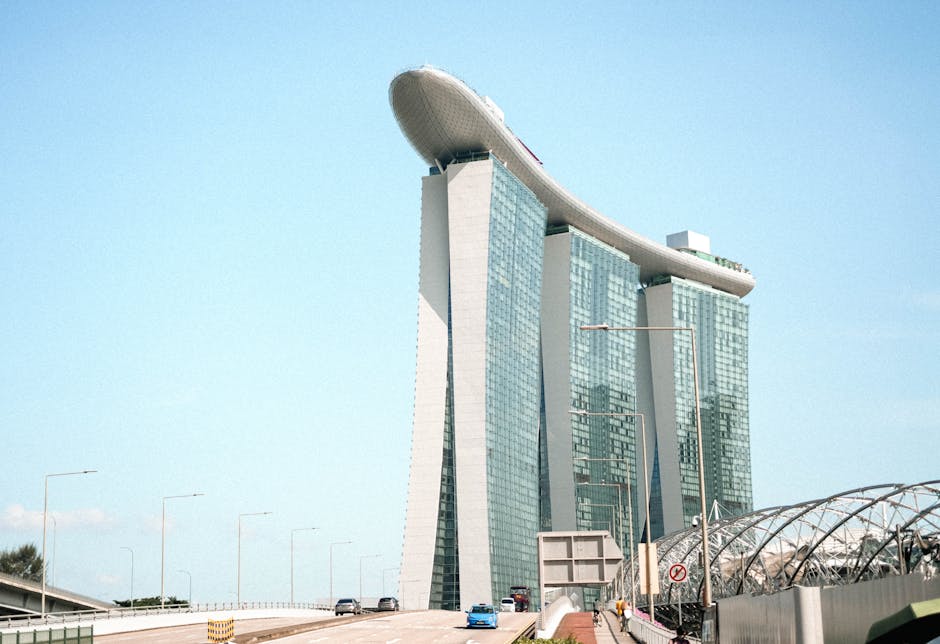 Easy
EasySingapore, Singapore
Explore Singapore's historic riverfront at your own pace. Discover colorful bridges, colonial landmarks, and the vibrant energy of Clarke Quay.
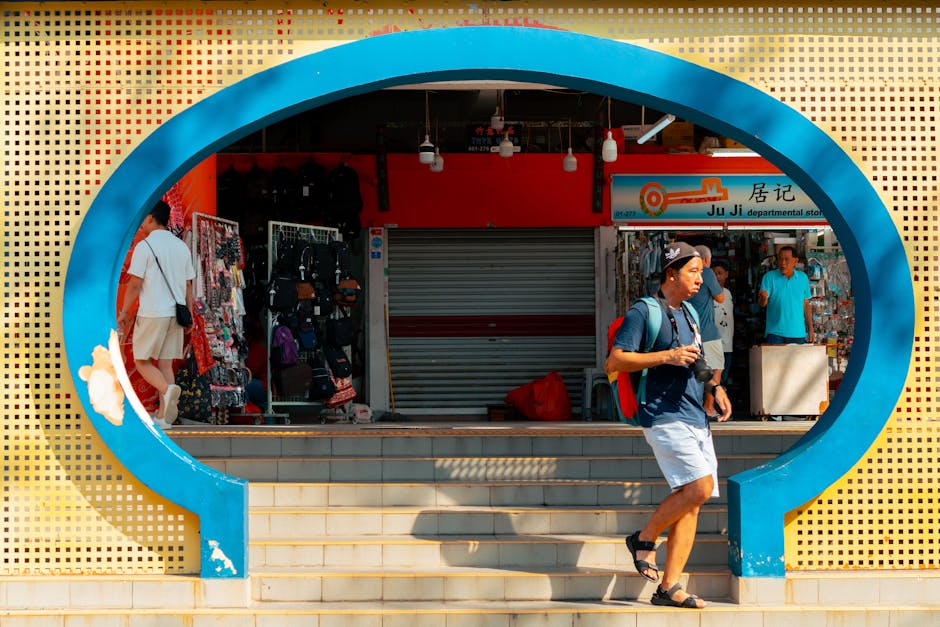 Easy
EasySingapore, Singapore
Discover the stunning Peranakan shophouses of Emerald Hill and the Art Deco history of Orchard on this self-guided architectural stroll.
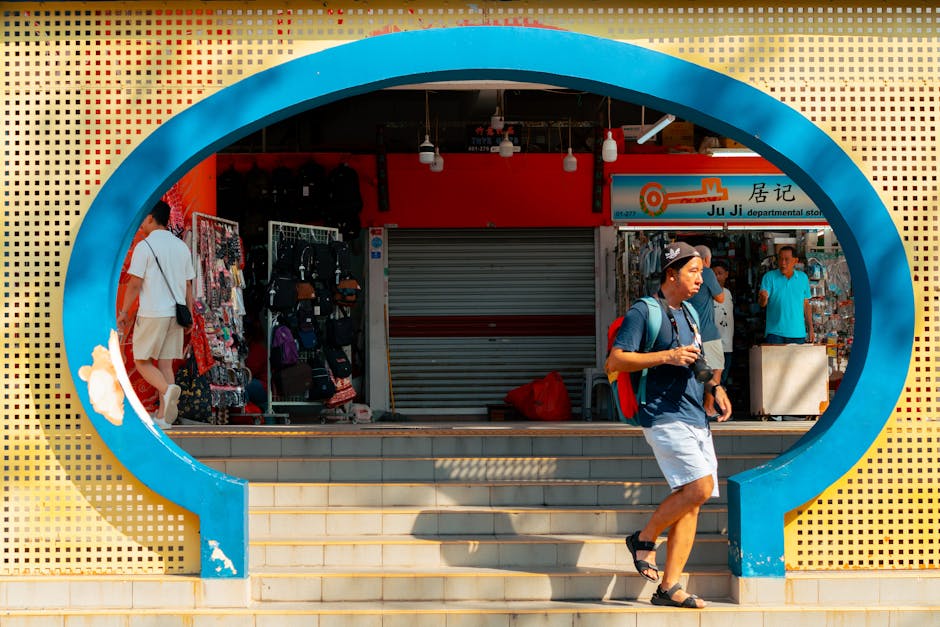 Easy
EasySingapore, Singapore
Discover royal history and vibrant street art on this self-guided audio walk through Kampong Glam, Singapore’s most colorful cultural neighborhood.
 Easy
EasySingapore, Singapore
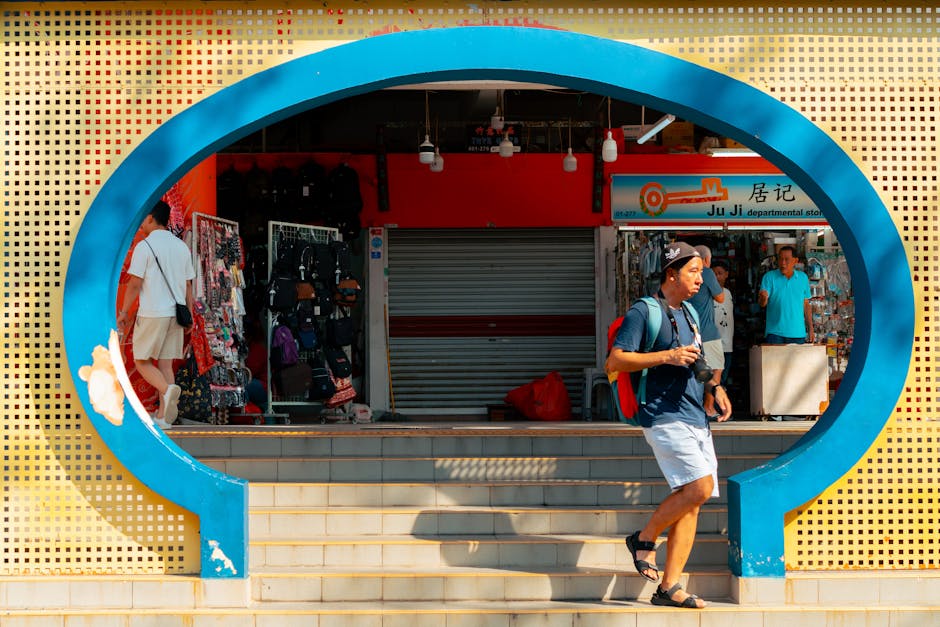
Explore the pastel shophouses and rich Peranakan heritage of Katong on this independent neighborhood stroll through Singapore's most colorful district.
 Easy
EasySalzburg, Austria
Discover the 'Rome of the North' on this self-guided walk through the Baroque squares and monumental legacy of Salzburg’s Prince-Archbishops.
 Easy
EasyNairobi, Kenya
Explore Nairobi's architectural evolution from colonial-era landmarks to iconic Brutalist skyscrapers on this historic self-guided walking route.
 Easy
EasyNairobi, Kenya
Discover Nairobi's iconic skyline on this self-guided architecture walk through the CBD’s most famous modernist and Brutalist landmarks.
 Easy
EasyKrakow, Poland
Explore the historic heart of Kazimierz on this self-guided walk through synagogues, ancient cemeteries, and vibrant squares.