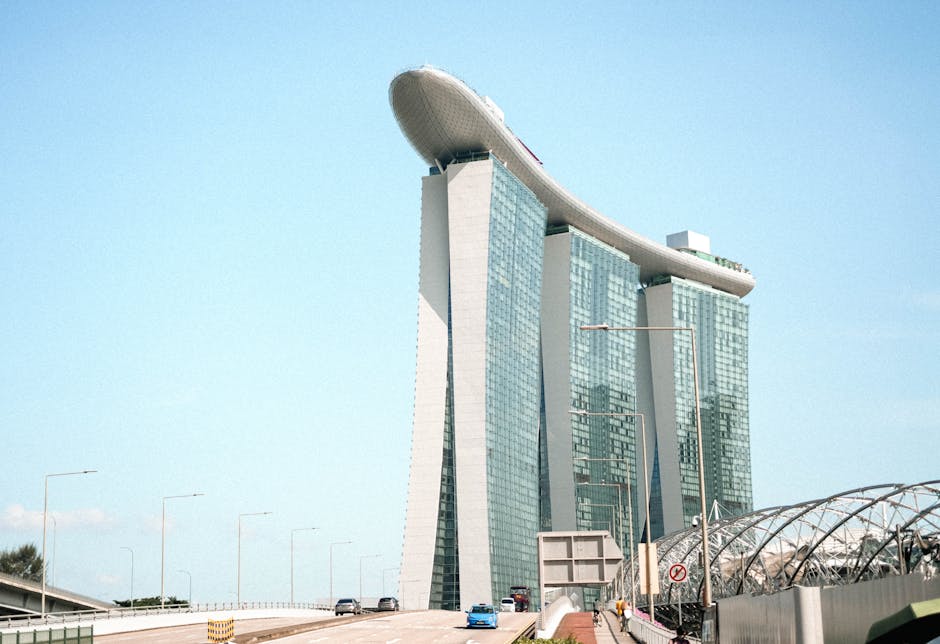
Self-guided audio tour in Singapore
Start Free on iPhone
Start free on iPhone to unlock this self-guided walking tour in Singapore. Hear all the stories that make it amazing, walk at your own pace, and begin whenever you want.
Your Private Tour Guide
The Singapore River is the historic lifeline of the city, a winding waterway that has seen the transformation of a quiet fishing village into a global financial powerhouse. This self-guided walk invites you to explore the storied bridges and vibrant banks that define the city's downtown core. Starting at the vivid Alkaff Bridge, you will trace the path of the early merchants and laborers, known as coolies, who once filled these waters with wooden bumboats. The route offers a unique perspective on the city's evolution, where 19th-century godowns—or warehouses—now stand as colorful hubs of dining and nightlife. As you embark on this walking route, you will encounter architectural marvels that span centuries. From the intricate ironwork of the Victorian-era Cavenagh Bridge to the grand, imposing structure of the Anderson Bridge, each crossing tells a chapter of Singapore's colonial history and its journey to independence. You will stroll through Clarke Quay, a neighborhood that pulses with energy as the sun sets, offering a perfect blend of historic charm and modern excitement. This neighborhood stroll is designed for those who want to discover the city's secrets at their own pace, moving from the quiet, artistic stretches of the upper river to the iconic skyline views of the Central Business District. Whether you are interested in the engineering feats of the British Empire or the social history of the Teochew storytellers who once gathered on Read Bridge, this experience provides a deep dive into the soul of the city. For those seeking a walking tour Singapore can offer with total flexibility, this route allows you to linger at a riverside cafe or capture the perfect long-exposure shot of the illuminated bridges. By the time you reach the final stop, you will have a profound appreciation for how Singapore has masterfully preserved its heritage while building a futuristic metropolis. This is more than just a walk; it is a journey through the heart of the Lion City.

Numbers indicate the order of stops on the tour.
Begin your self-guided adventure at the Alkaff Bridge, often called the 'ArtBridge.' This structure is impossible to miss, adorned with 55 different vibrant colors. It was painted in 2004 by the Filipino artist Pacita Abad, who used over 900 liters of paint to transform this functional crossing into a masterpiece. The bridge is shaped like a 'tongkang,' a traditional light boat used to carry goods along the river in the 19th century. Named after the wealthy Alkaff family, prominent members of the Arab community in early Singapore, the bridge serves as a reminder of the diverse cultures that built this trading port. Take a moment to appreciate the circles and patterns that Abad called 'vibrant and full of life,' reflecting the spirit of the river itself.
As you walk downstream, you arrive at Read Bridge. Completed in 1889 and named after William Henry Read, a prominent merchant and political figure, this bridge was once the center of social life for the working class. In the mid-20th century, this was a famous gathering spot for Teochew storytellers. Before the age of television and the internet, laborers would gather here after a long day to listen to professional narrators recount epic Chinese folk tales and news. Today, the bridge remains a popular social hub, serving as a gateway to the nightlife of Clarke Quay. It marks the transition from the quieter residential reaches of the river to the bustling entertainment district.
You are now in the heart of Clarke Quay, a district that epitomizes Singapore’s ability to reinvent itself. In the 1800s, these colorful buildings were 'godowns' or warehouses, packed with spices, rubber, and tin brought in by bumboats. The smell of the river back then was quite different—it was a congested, polluted artery of commerce. Following a massive ten-year cleanup project in the 1970s and 80s, the area was conserved and transformed. Notice the 'lily pad' style canopies overhead; these are part of a sophisticated cooling system that keeps the quay comfortable even in the tropical heat. This area is now a premier destination for dining and music, preserving the 19th-century facade while housing 21st-century entertainment.
Continuing your route, you reach Elgin Bridge, which stands on the site of the very first bridge ever built across the Singapore River in the 1820s. The current structure, completed in 1929, is the fifth version of a bridge at this location. It was named after Lord Elgin, a Governor-General of India. Historically, this bridge was a vital link, connecting the Chinese community on the south bank with the Indian and European merchants on the north bank. Look for the elegant cast-iron lamps and the bronze medallions featuring lions, symbols of the 'Lion City.' The bridge offers a fantastic vantage point for photos, looking back toward the colorful shophouses of Boat Quay and the soaring skyscrapers of the financial district.
Step back in time at Cavenagh Bridge, the oldest bridge in Singapore still in its original form. Built in 1869 to commemorate the 50th anniversary of the founding of modern Singapore, it was manufactured in Scotland and shipped here in pieces. Originally intended for vehicles, it proved too delicate for heavy loads. If you look at the ends of the bridge, you can still see the original police notice from the 1900s warning that no cattle, horses, or vehicles exceeding 3 cwt (152 kg) are allowed to cross. Today, it is a pedestrian-only bridge and one of the most romantic spots in the city, leading directly to the grand Fullerton Hotel, which once served as the General Post Office.
Your final stop is the Anderson Bridge, an elegant structure characterized by its intricate metalwork and grand stone arches. Opened in 1910, it was built to relieve the traffic pressure on Cavenagh Bridge as the city grew. Its rust-resistant steel was imported all the way from Glasgow. During World War II, this bridge had a darker history as a site where the occupying forces displayed the heads of criminals as a deterrent. Today, its legacy is much more celebratory; it forms a famous part of the Marina Bay Street Circuit for the Formula 1 Singapore Grand Prix. Standing here, you are at the gateway to Marina Bay, where the historic river finally meets the open sea.
Start Free on iPhone
Explore “Bridges and Stories of the Singapore River” with your very own Private Tour Guide with Zigway. Start free on iPhone, skip the large group and the fixed routes, and hear the city come alive as you go.
Your Private Tour Guide
Don't miss the good stuff
Explore Freely
 Easy
EasySingapore, Singapore
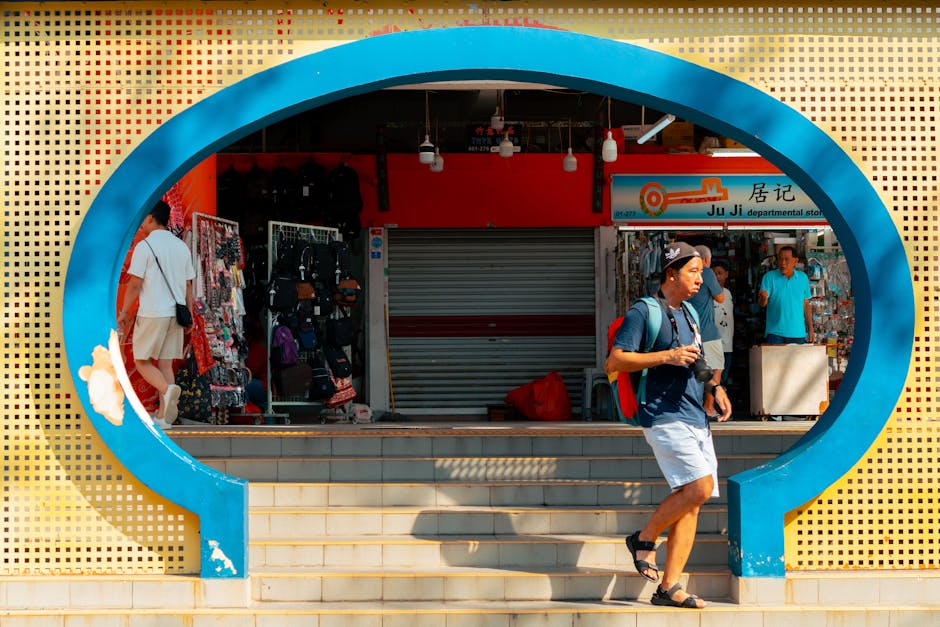
Discover the stunning Peranakan shophouses of Emerald Hill and the Art Deco history of Orchard on this self-guided architectural stroll.
 Easy
EasySingapore, Singapore
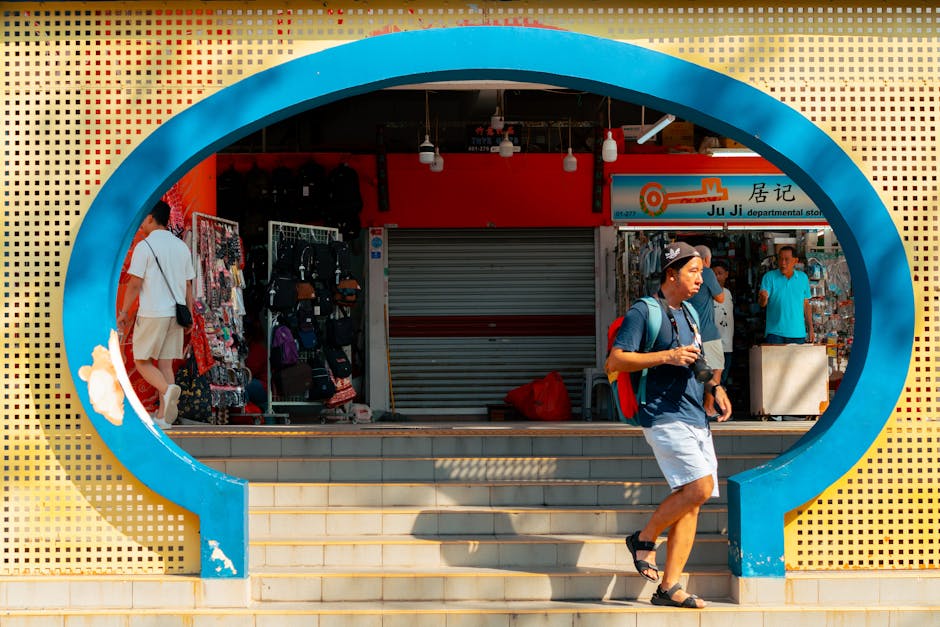
Discover royal history and vibrant street art on this self-guided audio walk through Kampong Glam, Singapore’s most colorful cultural neighborhood.
 Easy
EasySingapore, Singapore
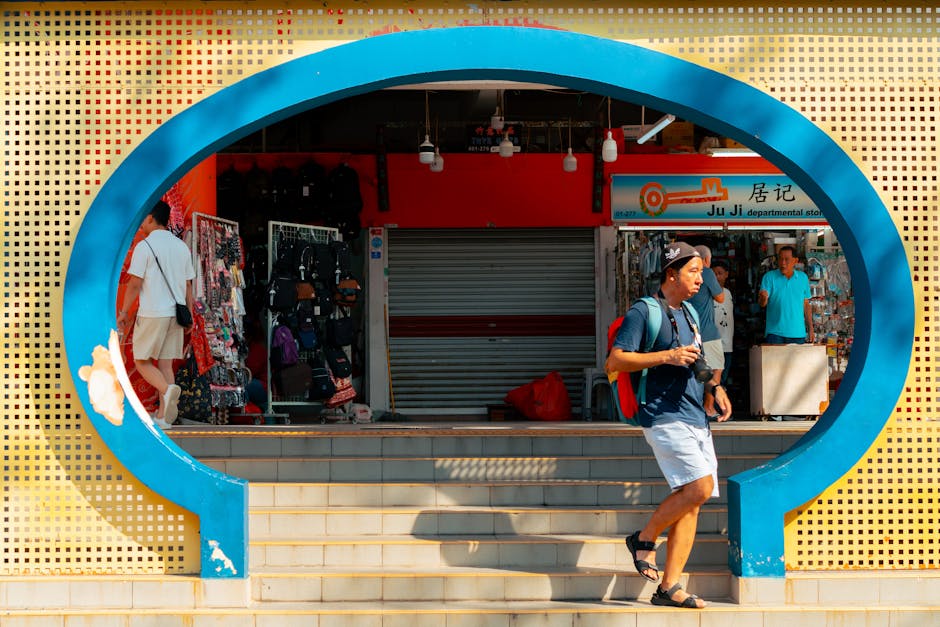
Explore the pastel shophouses and rich Peranakan heritage of Katong on this independent neighborhood stroll through Singapore's most colorful district.
 Easy
EasySingapore, Singapore
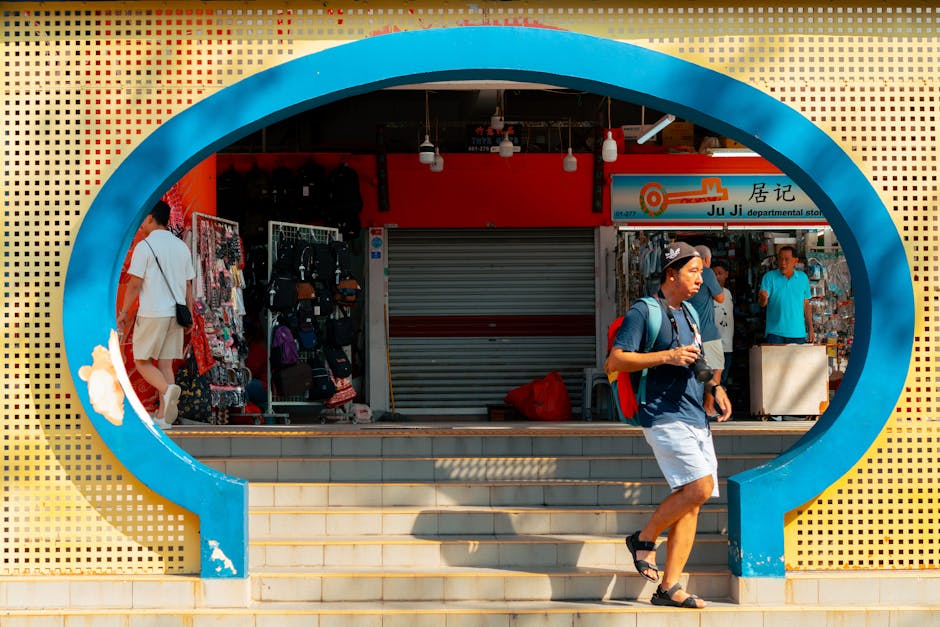
Experience the vibrant colors, spicy aromas, and rich Hindu heritage of Singapore's Little India on this immersive self-guided neighborhood stroll.
 Easy
EasyNairobi, Kenya
Discover Nairobi's iconic skyline on this self-guided architecture walk through the CBD’s most famous modernist and Brutalist landmarks.
 Easy
EasyGdansk, Poland
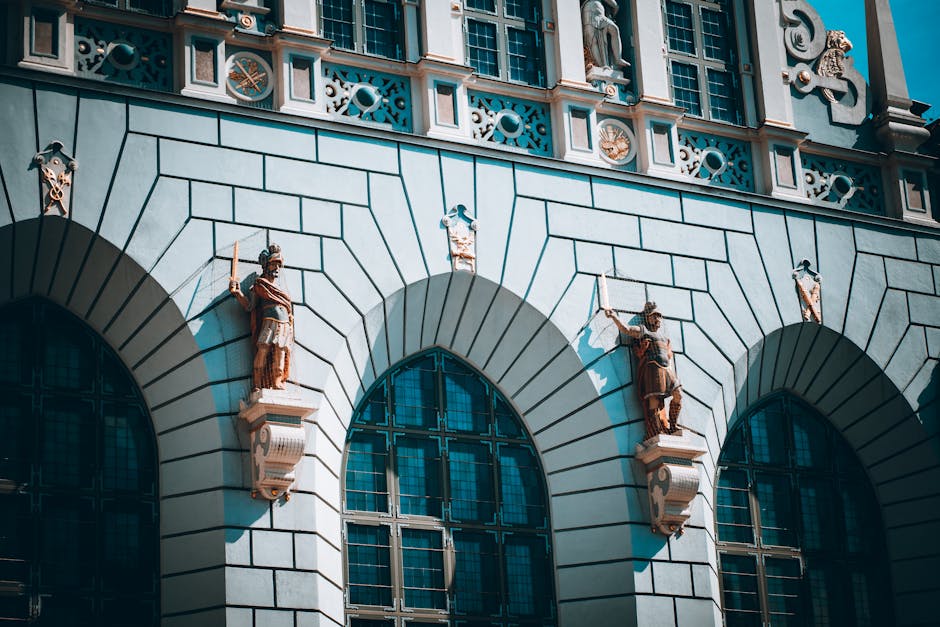
Discover the opulent Royal Way of Gdansk at your own pace. Explore Hanseatic history, gilded architecture, and the iconic Neptune's Fountain.
 Easy
EasyWarsaw, Poland
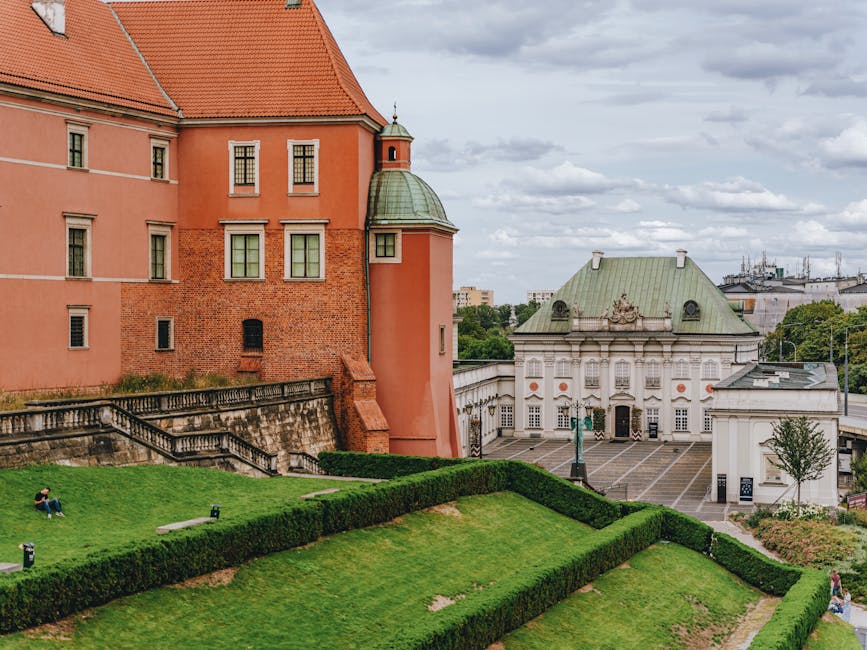
Explore the miracle of Warsaw's reconstructed Old Town on this self-guided walk through royal squares, medieval walls, and heroic monuments.
 Easy
EasyNairobi, Kenya
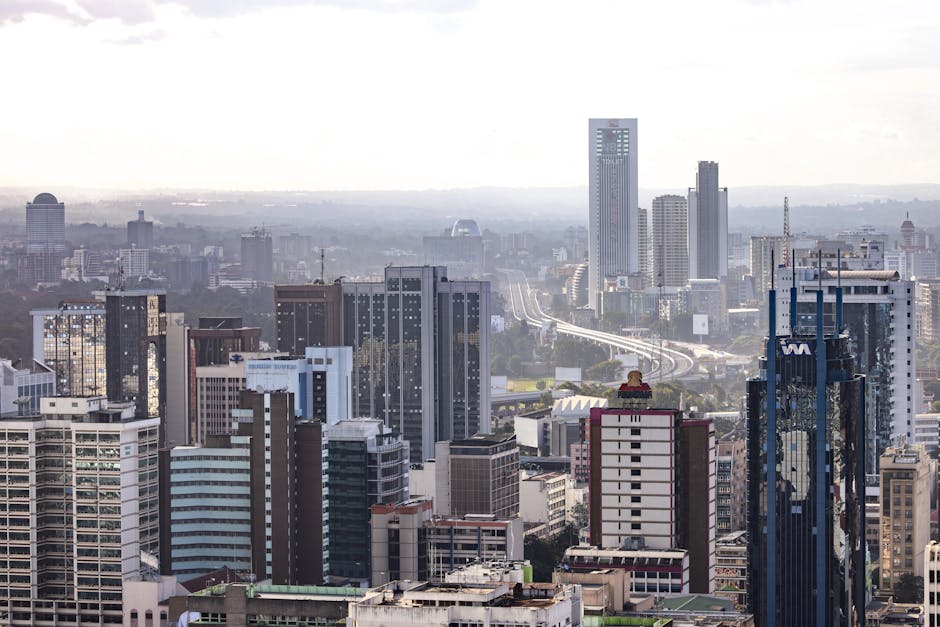
Explore Nairobi's architectural evolution from colonial-era landmarks to iconic Brutalist skyscrapers on this historic self-guided walking route.