Self-guided audio tour in Xian
Start Free on iPhone
Start free on iPhone to unlock this self-guided walking tour in Xian. Hear all the stories that make it amazing, walk at your own pace, and begin whenever you want.
Your Private Tour Guide
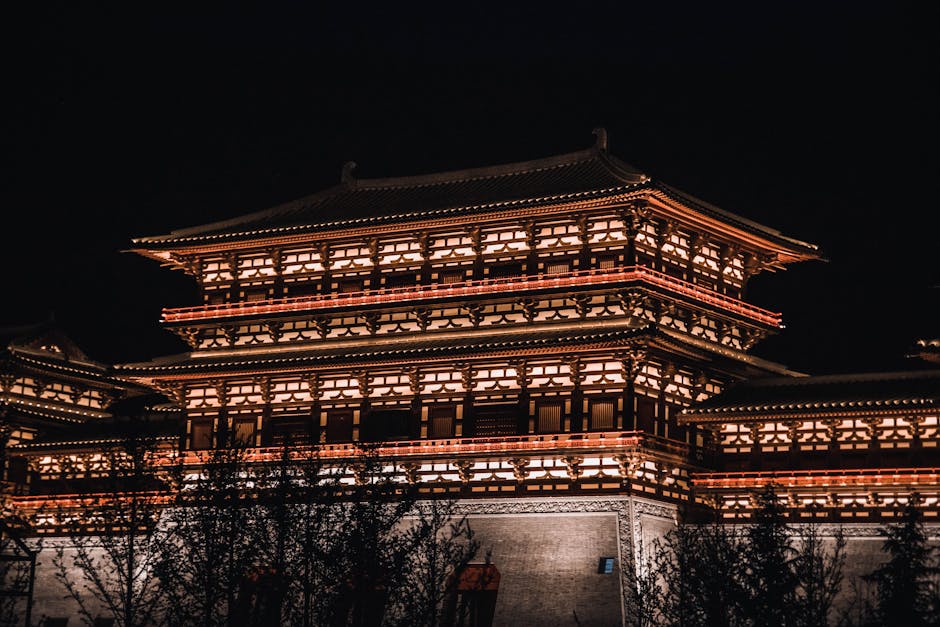
Step into the layers of Xi'an's past on this self-guided walk through the Xincheng District, a neighborhood where Ming Dynasty royalty once lived and where the course of modern Chinese history was forever altered. This walking route explores the architectural transition from imperial mansions to revolutionary headquarters, offering a unique perspective on a city often known only for its Terracotta Warriors. You will begin at the remnants of the Mingqin Mansion, once the seat of the Prince of Qin, before moving through the grand New City Plaza, which serves as the political heart of Shaanxi Province. The journey continues into the early 20th century at the Xi'an Shibian Memorial Hall, the former residence of General Zhang Xueliang. This site is pivotal for understanding the Xi'an Incident of 1936, a moment of high-stakes diplomacy and military drama that shaped the nation. As you explore independently, you will notice how the architecture shifts from the heavy, traditional styles of the imperial era to the Soviet-influenced designs of the mid-20th century and finally to the bold, contemporary aesthetics of modern Xi'an. This neighborhood stroll is perfect for history buffs and architecture enthusiasts who want to see how a city evolves through centuries of political change. Unlike a standard walking tour Xian often provides, this route allows you to linger at the memorial halls and public squares at your own pace, soaking in the atmosphere of a district that remains the nerve center of the region. From the quiet gardens of Changle Park to the futuristic skyline surrounding the final stop, this travel experience captures the true spirit of Xi'an's continuous transformation.
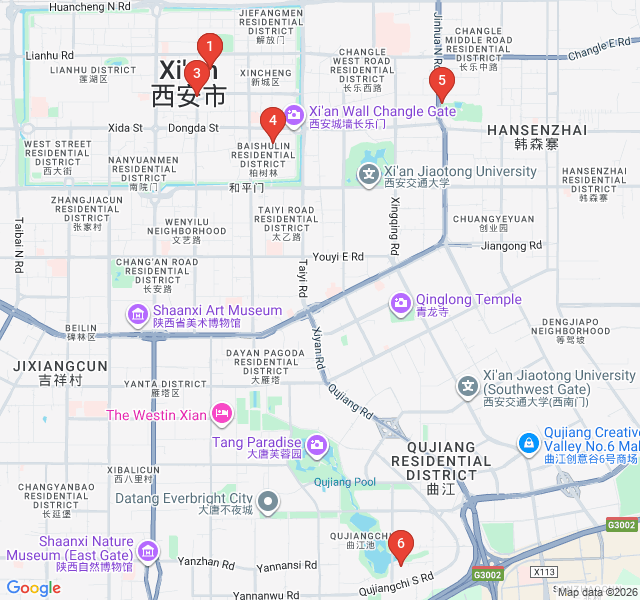
Numbers indicate the order of stops on the tour.
Welcome to the starting point of your self-guided walk. You are standing before the remnants of the Mingqin Mansion wall. In the early Ming Dynasty, the First Emperor's second son, Zhu Shuang, was named the Prince of Qin and established his residence here. This wasn't just a house; it was a 'city within a city,' protected by these very walls. While the grand palaces are gone, these earthen and brick relics serve as a silent reminder of the city's royal hierarchy. Look closely at the layers of the wall; they represent centuries of fortification and the strategic importance of Xi'an as a regional stronghold during the Ming era.
As you move toward the administrative center, you'll encounter the Shaanxi Provincial Government Office. This site has been a center of power for centuries, built directly over the foundations of the Ming Prince's palace. The current architecture is a fascinating example of mid-20th-century design, featuring traditional Chinese rooflines blended with the functional symmetry often seen in Soviet-influenced administrative buildings. It remains an active government site today, symbolizing the continuity of Xi'an as a provincial capital. Observe the grand entrance and the way the building commands the northern end of the square, projecting authority and stability.
New City Plaza, or Xincheng Square, is the public heartbeat of the district. Originally the courtyard of the Ming Palace, it was transformed into a modern public square in the early 20th century. This space has hosted massive political rallies, cultural celebrations, and daily exercises for generations of Xi'an residents. It is a perfect spot to observe local life. Notice the vast openness of the square, designed to accommodate thousands, and the surrounding buildings that reflect the city's 20th-century modernization efforts. On many mornings, you can see locals practicing Tai Chi or flying kites, reclaiming this once-royal ground for the public.
This stop takes you to the former residence of General Zhang Xueliang, now the Xi'an Shibian Memorial Hall. This western-style villa was the site of the 1936 Xi'an Incident, a turning point in Chinese history. It was here that Zhang Xueliang and Yang Hucheng detained Chiang Kai-shek to force a united front against foreign invasion. The architecture here is distinctively 'Republican era,' with brickwork and balconies that feel worlds away from the Ming relics you saw earlier. Inside, the rooms are preserved to reflect the tense days of the negotiations that changed the fate of the nation.
Continuing east, you reach Changle Park. Originally part of a military and industrial zone, this area was converted into a public park to provide green space for the growing urban population. It offers a peaceful contrast to the political weight of the previous stops. The park is a masterclass in urban repurposing, featuring winding paths, small lakes, and dense groves of trees. It's a favorite among local families and seniors. As you wander, notice how the park serves as a 'green lung' for the Xincheng District, bridging the gap between the historic center and the expanding residential areas to the east.
Your walk concludes at the striking W Xi'an. This building represents the cutting edge of the city's modern architectural identity. Located in the Qujiang New District, which is a short transit ride from the historic center, the hotel's design is inspired by the vibrant energy of the Tang Dynasty but executed with futuristic materials and bold curves. It stands as a symbol of 'New Xi'an'—a city that respects its ancient roots while racing toward the future. The surrounding area is filled with contemporary art installations and neon lights, providing a dramatic visual finale to your journey through the city's architectural timeline.
Start Free on iPhone
Explore “Revolution and Royalty: Xincheng Square History” with your very own Private Tour Guide with Zigway. Start free on iPhone, skip the large group and the fixed routes, and hear the city come alive as you go.
Your Private Tour Guide
Don't miss the good stuff
Explore Freely
 Moderate
Xian, China
Discover the Silk Road's legacy and modern local life in Xian’s West City on this immersive self-guided audio walk through markets and history.
 Moderate
Xian, China
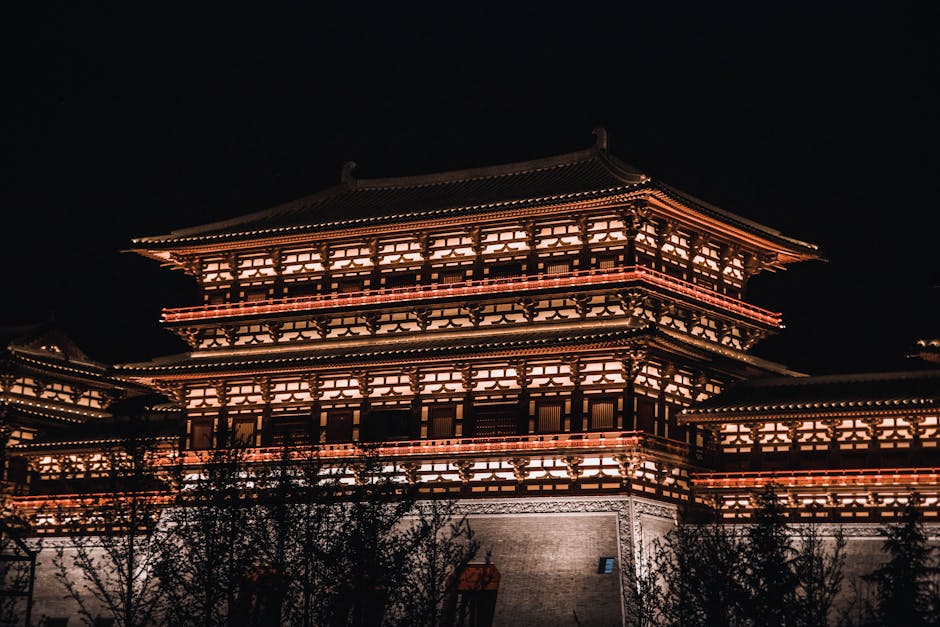
Discover the 'Palace of Great Brilliance' and the mighty Ming-era fortifications on this self-guided walk through Xi'an's historic northern district.
 Easy
EasyXian, China
Discover the hidden bars and artisan coffee shops of Defu Lane on this self-guided stroll through Xi'an's most bohemian neighborhood.
 Moderate
Xian, China
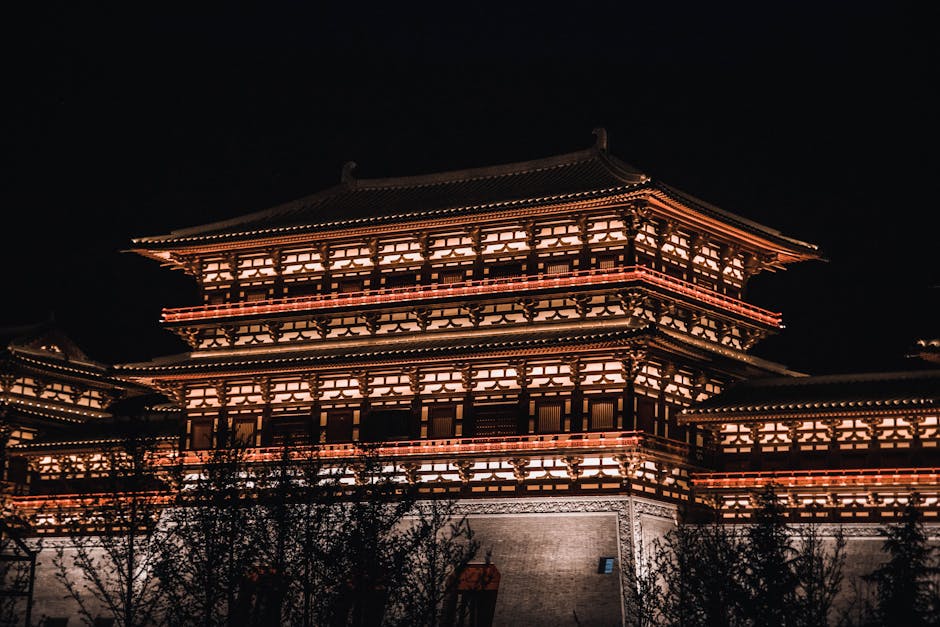
Explore Xian’s spiritual side on this self-guided walk through ancient Buddhist temples and hidden Taoist abbeys.
 Easy
EasySalzburg, Austria
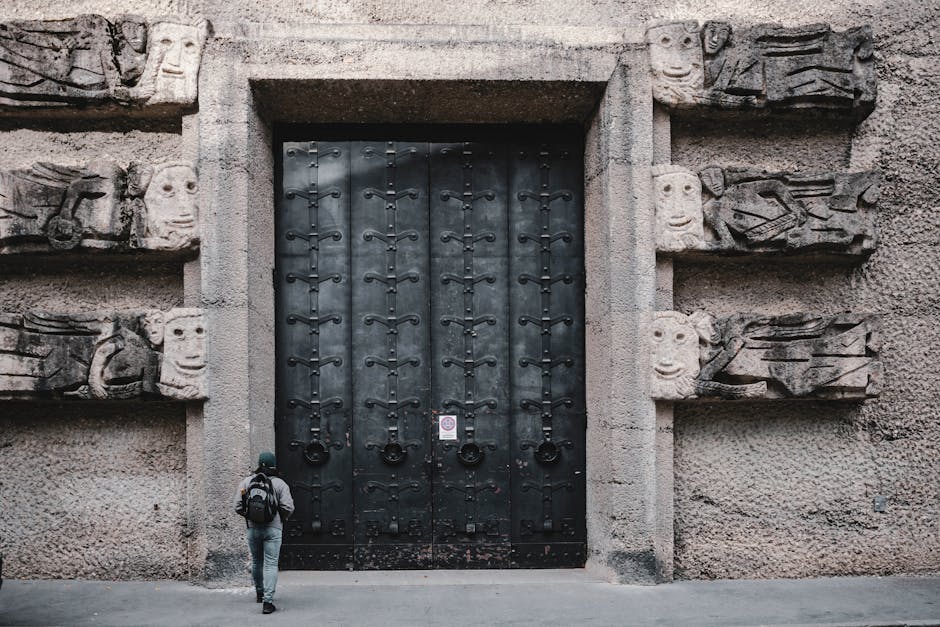
Discover the 'Rome of the North' on this self-guided walk through the Baroque squares and monumental legacy of Salzburg’s Prince-Archbishops.
 Easy
EasyWarsaw, Poland
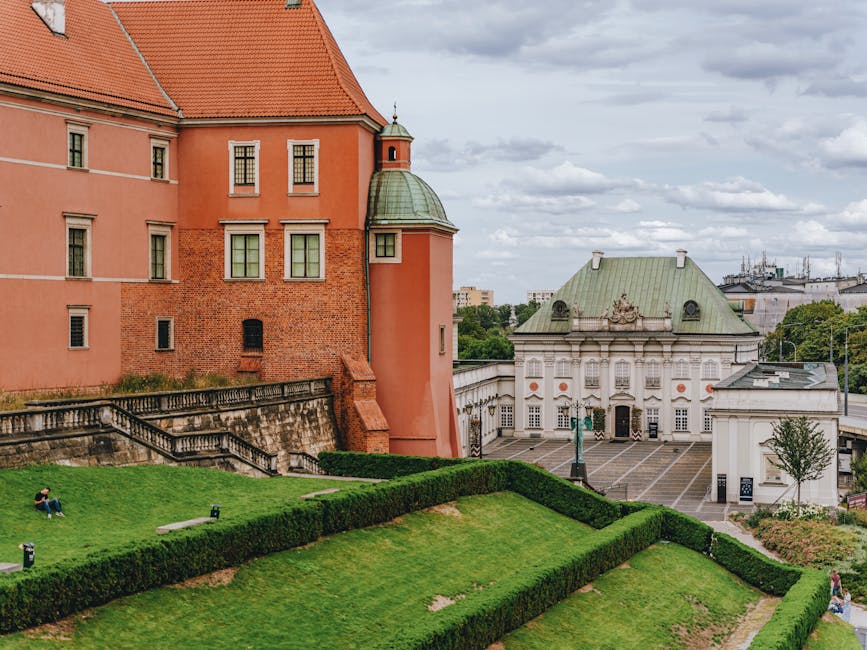
Explore the miracle of Warsaw's reconstructed Old Town on this self-guided walk through royal squares, medieval walls, and heroic monuments.
 Easy
EasyGothenburg, Sweden
Explore Gothenburg's elegant academic district, featuring grand 19th-century stone architecture and the iconic cultural hub of Götaplatsen.
 Easy
EasyGothenburg, Sweden
Discover Gothenburg’s 17th-century Dutch foundations, historic canals, and military fortifications on this self-guided architectural walk.
 Easy
EasyBeijing, China
Explore Beijing's premier art district on this self-guided walk through the industrial-chic 798 Art Zone and the massive tanks of 751 D・PARK.
 Moderate
Beijing, China
Explore the majestic red walls, imperial moats, and hilltop vistas of Beijing's Forbidden City on this self-guided architectural walking route.
 Moderate
Beijing, China
Explore the spiritual heart of Beijing on this self-guided walk through the Temple of Heaven's iconic altars, ancient pines, and vibrant park life.
 Easy
EasyBeijing, China
A culinary and cultural self-guided walk through Beijing's historic Dongsi neighborhood, featuring ancient mosques, hutongs, and iconic local eats.