Self-guided audio tour in Hiroshima
Start Free on iPhone
Start free on iPhone to unlock this self-guided walking tour in Hiroshima. Hear all the stories that make it amazing, walk at your own pace, and begin whenever you want.
Your Private Tour Guide
Rising above the bustling streets of the city, Hijiyama Park serves as Hiroshima’s 'Art Hill,' a verdant escape where culture and nature entwine. This self-guided walk invites you to explore the artistic evolution of a city that transformed from ashes into a vibrant center of creativity. Your journey begins in the solemn, reflective atmosphere of the Peace Memorial Park, where the architecture itself tells a story of resilience and hope. From there, the route weaves through the city's cultural corridor, passing world-class museums that house everything from European masters to contemporary Japanese sculptures. You will discover how Hiroshima honors its past while looking firmly toward the future through its public spaces and creative hubs. The heart of this walking route is the ascent to Hijiyama. As you leave the flat delta of the city center, you’ll find a unique blend of experiences waiting on the hill. This isn't just a park; it's a sanctuary for the curious, featuring the first public library in Japan dedicated solely to manga and a striking contemporary art museum that interacts with the surrounding forest. The panoramic views from the various lookouts offer a breathtaking perspective of the city skyline set against the backdrop of the Seto Inland Sea. This neighborhood stroll is perfect for those who want to see a different side of the city—one that is green, quiet, and deeply focused on the arts. Whether you are wandering through the meticulously manicured Shukkeien Garden or riding the futuristic Skywalk escalator up the hillside, this self-guided adventure offers a pace that allows for deep reflection and discovery. You'll encounter hidden temples, industrial heritage, and modern creative spaces that most travelers overlook. This walking tour Hiroshima experience is more than just a path between landmarks; it is a curated exploration of the city’s soul, designed for the independent traveler who seeks to understand the artistic heartbeat of this resilient metropolis.
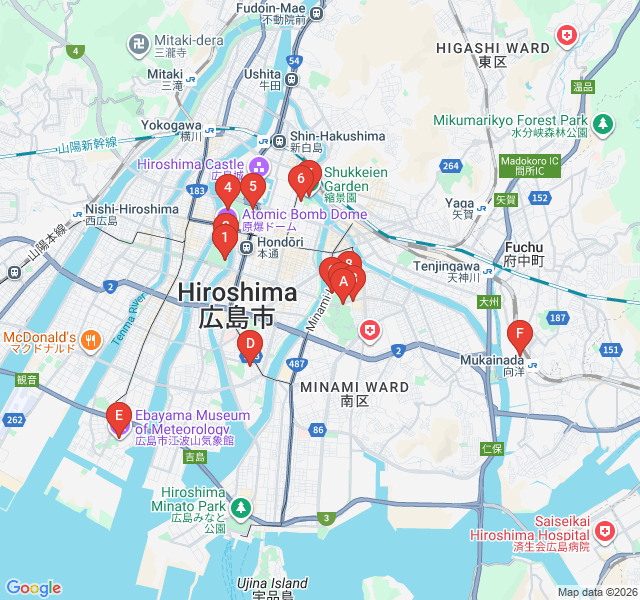
Numbers indicate the order of stops on the tour.
Start your self-guided walk at one of the most significant sites in the world. Designed by the legendary architect Kenzo Tange, the museum is not just a repository of history but a masterpiece of modernist design. The long, elevated building is meant to represent the strength of the human spirit rising above the earth. As you explore the grounds, notice how the building's pilotis (pillars) create a frame for the Cenotaph and the A-Bomb Dome in the distance, connecting the past and the present in a single architectural line. This site sets a somber but necessary foundation for understanding the city's journey toward peace and artistic rebirth.
A short walk away, this memorial hall offers a more intimate space for reflection. The architecture here is subterranean, leading you down into a quiet, circular space that evokes a sense of peace and stillness. The hall features a 360-degree panorama of the destroyed city made from 140,000 tiles—the approximate number of victims. It’s a powerful example of how art and space can be used to convey the scale of tragedy without words. Take a moment to sit in the quiet hall, where the sound of water serves as a constant, soothing presence, honoring the victims who sought water in their final moments.
Transitioning into the city's modern creative scene, the Nekoyacho Building is a fantastic example of urban adaptive reuse. Once a standard office building, it has been transformed into a multi-use hub for local artists, designers, and foodies. This stop showcases the contemporary energy of the city's residents. Explore the different floors to find unique local crafts, gallery spaces, or a quick coffee. It represents the 'New Hiroshima'—a place where creative entrepreneurship and community come together in renovated spaces, proving that the city's art scene is very much alive in its everyday neighborhoods.
This museum is a landmark for local families and a center for learning. While it focuses on science and culture for younger audiences, the building itself is a nostalgic piece of the city's post-war educational infrastructure. The planetarium here is one of the oldest in the region, and the interactive exhibits often blend art with scientific principles. It’s a reminder that Hiroshima’s commitment to 'culture' extends to its youngest citizens, fostering a sense of curiosity and wonder that fuels the city's innovative spirit. Even a quick stroll past the exterior reveals the vibrant, community-focused atmosphere of this cultural quarter.
Nestled in a circular building inspired by the 'Atomic Bomb Dome' and traditional Japanese architecture, this museum houses an impressive collection of European Impressionist works. You’ll find masterpieces by Monet, Renoir, and Picasso, alongside modern Japanese oil paintings. The museum was established as a 'prayer for peace' through the appreciation of beauty. The courtyard often features seasonal flowers, providing a tranquil 'art garden' atmosphere in the middle of the city. It’s a sophisticated stop that highlights the city's international outlook and its deep appreciation for global artistic movements.
Located right next to Shukkeien Garden, this museum focuses on art connected to the local region as well as significant 20th-century works, including Salvador Dalí's 'Dreams of Venus.' The large windows of the museum offer stunning views of the traditional garden outside, effectively making the landscape part of the museum's gallery. This 'living art' approach bridges the gap between historical Japanese aesthetics and modern artistic expression. The museum often hosts special exhibitions that highlight the unique history and craft traditions of the Hiroshima prefecture, making it a must-visit for those interested in regional identity.
Dating back to 1620, Shukkeien translates to 'shrunken-scenery garden.' It is a masterpiece of Japanese landscaping, where mountains, valleys, and forests are represented in miniature. Walking the path around the central pond, you’ll encounter different 'scenes' that change with every step. Despite being heavily damaged in 1945, the garden was meticulously restored and remains a testament to the enduring nature of Japanese aesthetic traditions. The Koko-kyo bridge, with its elegant arch, is a favorite spot for photographers. This garden is a living museum of horticulture and a peaceful refuge from the modern city surrounding it.
As you ascend Hijiyama Hill, you’ll find this unique institution. It is the first public library in Japan specifically dedicated to manga. The collection is vast, covering the history of the medium from its early roots to contemporary bestsellers. The building’s location in the woods of Hijiyama Park makes it a perfect place for locals to grab a book and read under the trees. For fans of Japanese pop culture, this is a pilgrimage site that recognizes manga as a serious and influential art form. Even if you can't read Japanese, the visual storytelling and the sheer scale of the archives are impressive.
Perched on the hill, MOCA was the first public contemporary art museum in Japan. The building, designed by Kisho Kurokawa, is an architectural marvel that uses a mix of materials like stone and tile to represent the passage of time and the layering of history. The museum’s collection focuses on works created after World War II, exploring themes of peace and the human condition. The outdoor sculpture garden allows art to interact with the natural elements of the park. It’s a bold, forward-looking space that positions the city as a leader in the international contemporary art world.
This sprawling forested park on a hill offers some of the best views of Hiroshima. It is a favorite spot for 'hanami' (cherry blossom viewing) in the spring, but its beauty is year-round. As you walk the trails, you’ll find various lookout points where the city unfolds beneath you, from the Mazda Zoom-Zoom Stadium to the distant islands of the Seto Inland Sea. The park serves as a natural pedestal for the art museums, but it is also a place of history, containing some pre-war structures and memorials. It’s the perfect place to breathe in the fresh air and appreciate the city’s geography.
The Hijiyama Skywalk is a modern engineering feat—a massive, covered moving walkway and escalator that connects the Danbara shopping area to the top of Hijiyama Hill. It’s a fun, slightly futuristic way to transition between the high-elevation cultural sites and the residential neighborhoods below. As you glide up or down, you get a unique 'moving' perspective of the hillside foliage. It’s a great example of Japanese urban planning, making the steep hill accessible and integrating the natural park into the daily lives of the people living in the city below.
At the base of Hijiyama lies Tamonin, a temple that serves as a quiet gatekeeper to the hill. The temple is known for its bell tower, which survived the atomic blast despite its proximity to the hypocenter. The temple grounds offer a traditional contrast to the contemporary art museum just up the hill. It’s a place where history feels very tangible. The intricate woodwork and the peaceful atmosphere provide a moment of Zen before you continue your journey. It’s a hidden gem that many visitors miss, offering a glimpse into the spiritual life of the Hijiyama neighborhood.
Located in the Health Promotion Center, this museum is a bit of a quirky find. It uses interactive displays to teach visitors about the human body and healthy living. While it’s more educational than 'fine art,' the design of the exhibits is a fascinating look at Japanese public health communication. It's a great stop if you're traveling with curious minds or if you want to see how the city promotes well-being among its citizens. The building itself is part of a larger complex dedicated to the vitality of Hiroshima’s residents, reflecting the city's post-war focus on health and recovery.
Located in a beautiful, historic pre-war weather station, this museum is a rare survivor of the 1945 blast. The building itself is an architectural treasure, featuring elegant Art Deco elements. Inside, you can learn about weather patterns, typhoons, and the history of meteorology in Hiroshima. The museum’s location on a small hill provides another great vantage point of the city and the sea. It’s a unique intersection of science, history, and architecture, housed in a building that has literally weathered the storms—and the history—of the 20th century.
Your journey ends at the Mazda Museum, located at the company’s global headquarters. This isn't just a car museum; it’s an exploration of industrial art and engineering excellence. You can see the evolution of Mazda's rotary engine, classic vintage vehicles, and even a glimpse of the actual assembly line. The 'Kodo: Soul of Motion' design philosophy of Mazda is celebrated here, showing how automotive engineering is treated as a high art form in Japan. It’s a fitting end to a walk focused on creativity, showing how the city’s innovative spirit drives its most famous global industry.
Start Free on iPhone
Explore “Art on the Hill: Hijiyama Park Exploration” with your very own Private Tour Guide with Zigway. Start free on iPhone, skip the large group and the fixed routes, and hear the city come alive as you go.
Your Private Tour Guide
Don't miss the good stuff
Explore Freely
 Moderate
Hiroshima, Japan
Discover Hiroshima's samurai history on this self-guided walk through Shukkeien Garden, the historic Hiroshima Castle, and serene Moto-machi parks.
 Easy
EasyHiroshima, Japan
Explore Hiroshima's maritime heritage on this scenic self-guided walk from historic red-brick museums to the peaceful Ujina Lighthouse.
 Easy
EasyHiroshima, Japan
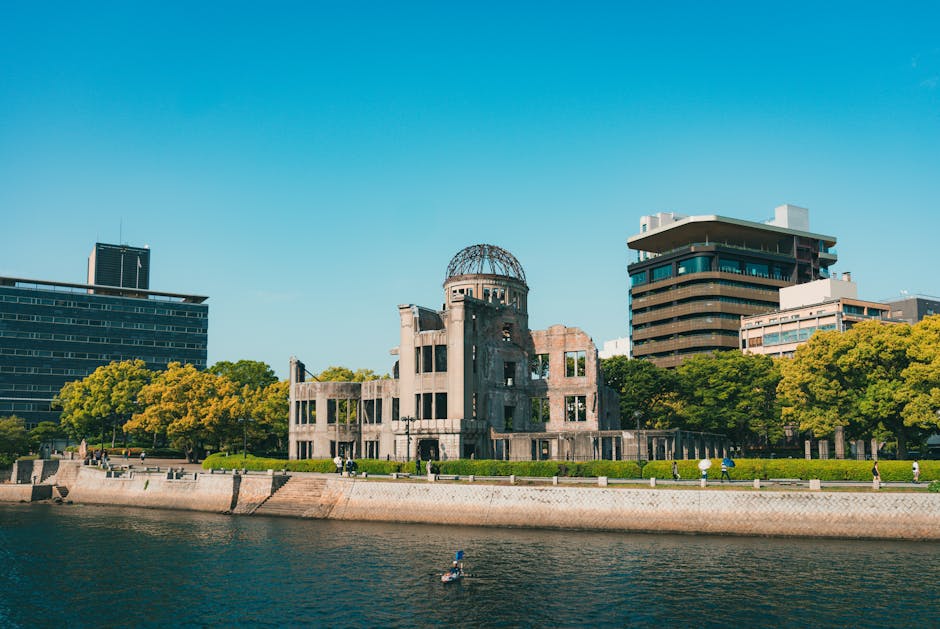
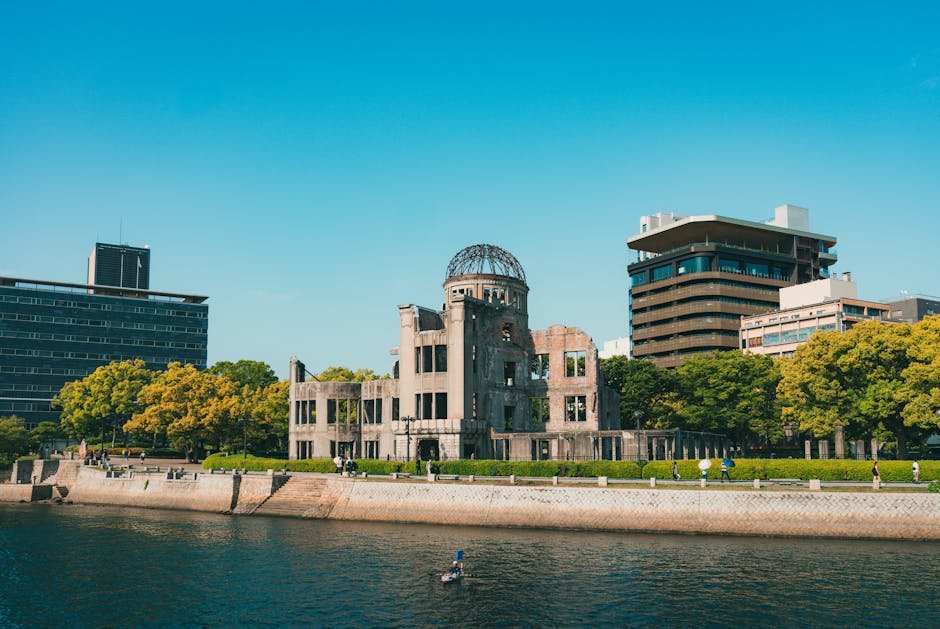
Discover Hiroshima’s architectural evolution from pre-war survivors to visionary modernist masterpieces on this self-guided walking route.
 Easy
EasyHiroshima, Japan
Explore Hiroshima's electric Nagarekawa district. A self-guided walk through neon alleys, savory street food, and hidden local culture.
 Moderate
Nairobi, Kenya
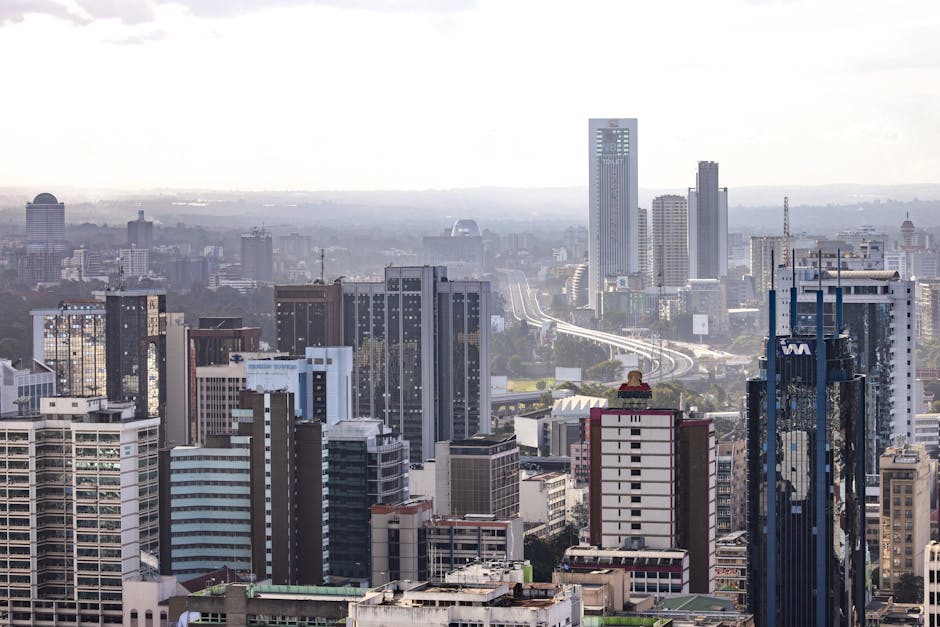
Discover Nairobi's lush side on this self-guided walk through botanical gardens, historic memorials, and vibrant local markets.
 Moderate
Krakow, Poland
Discover Krakow’s stunning skyline and riverside charm on this self-guided audio walk through scenic viewpoints and historic mounds.
 Moderate
Gothenburg, Sweden
Explore Gothenburg’s lush "Green Lung" on this self-guided walk through the Botanical Garden, Slottsskogen park, and rugged Änggård Mountains.
 Moderate
Vienna, Austria
Discover the noir world of The Third Man and Cold War Vienna on this atmospheric self-guided audio walk through the historic Innere Stadt.
 Moderate
Tokyo, Japan
Discover Tokyo's premier creative district on this self-guided walk through Roppongi’s world-class museums and striking modern architecture.
 Easy
EasyTokyo, Japan
Discover the 'Old Tokyo' charm of Yanaka on this self-guided walk through historic temples, artisan alleys, and a stunning torii gate shrine.
 Easy
EasyTokyo, Japan
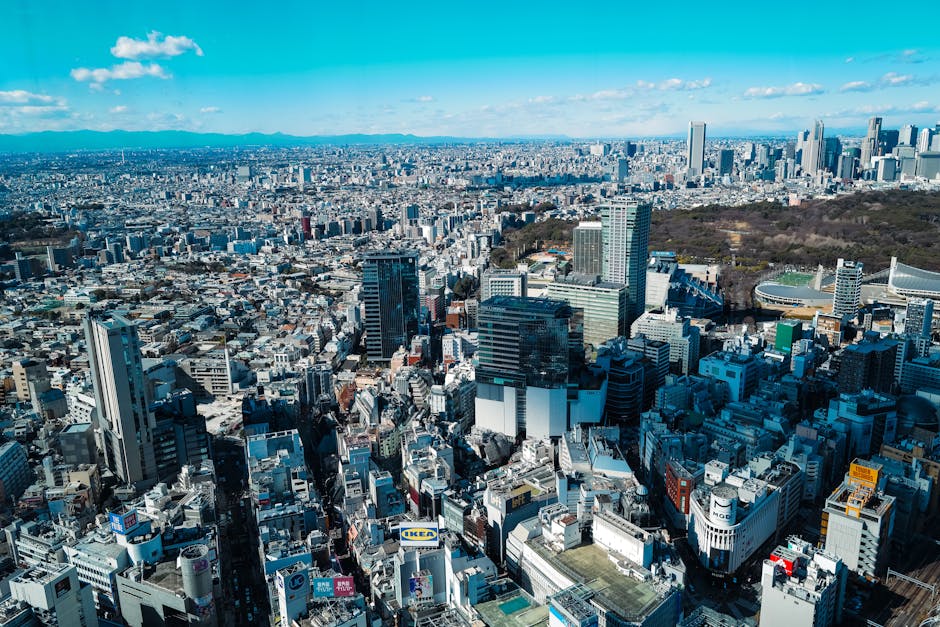
Experience Shibuya's electric energy on this self-guided walk from the iconic Scramble Crossing to the panoramic views of Shibuya Sky.
 Easy
EasyTokyo, Japan
Explore Tokyo's indie heart. From vintage fashion in Shimokitazawa to world-class art in Shinjuku, discover the city's creative soul independently.