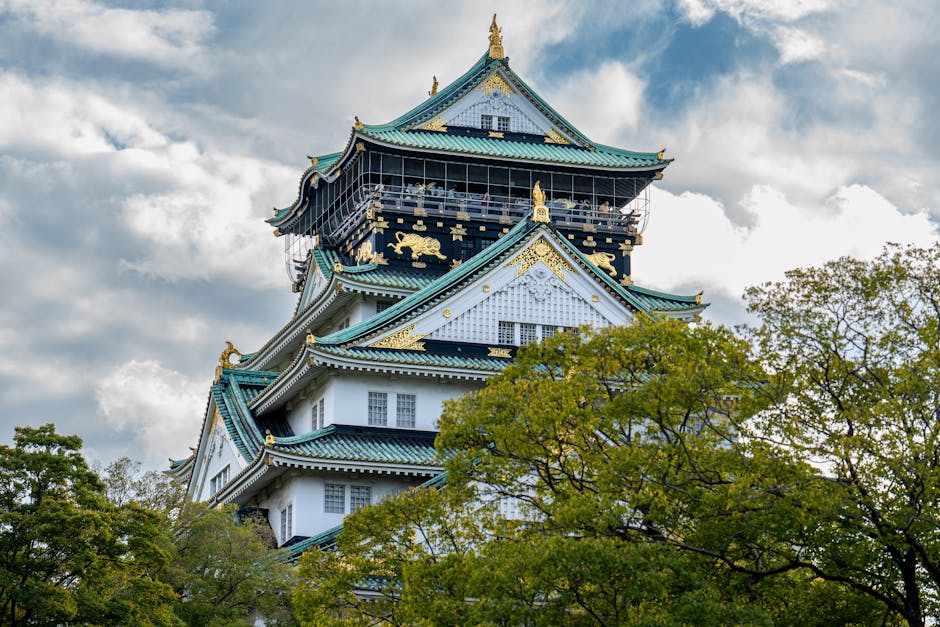
Self-guided audio tour in Osaka
Start Free on iPhone
Start free on iPhone to unlock this self-guided walking tour in Osaka. Hear all the stories that make it amazing, walk at your own pace, and begin whenever you want.
Your Private Tour Guide
Before Osaka became the vibrant, neon-lit metropolis of Dotonbori, it was the engine room of Japan’s economy, a district known as Semba. This self-guided walk invites you to explore the merchant soul of the city, where tradition and trade have been intertwined for centuries. While many visitors flock to the castle or the food stalls, this neighborhood stroll reveals the sophisticated history of the 'Wallet of Japan.' You will navigate a landscape where Meiji-era brick architecture stands alongside modern skyscrapers, telling the story of how Osaka transitioned from a feudal trading post to a global financial powerhouse. The route begins near the bustling transport hubs and winds its way through Nakanoshima’s grand civic buildings before diving into the specialized streets of Semba. You will encounter the legacy of Japan’s most influential scholars at Tekijuku and the divine protection of the medicine trade at Sukunahikona Shrine. The experience culminates at the Semba Center Building, a post-war architectural marvel that stretches for nearly a kilometer beneath a highway. This walking route is perfect for those who appreciate the intersection of business history and urban design. By following this audio walk, you can discover the hidden stories of the stockbrokers, pharmacists, and textile merchants who built the foundation of modern Osaka. Whether you are a fan of Neo-Renaissance architecture or curious about the city's industrial heritage, this self-guided adventure offers a deeper look at the commercial spirit that still pulses through Osaka’s veins today. This walking tour Osaka alternative focuses on the authentic, lived-in history of the district, allowing you to explore at your own pace without the constraints of a group.
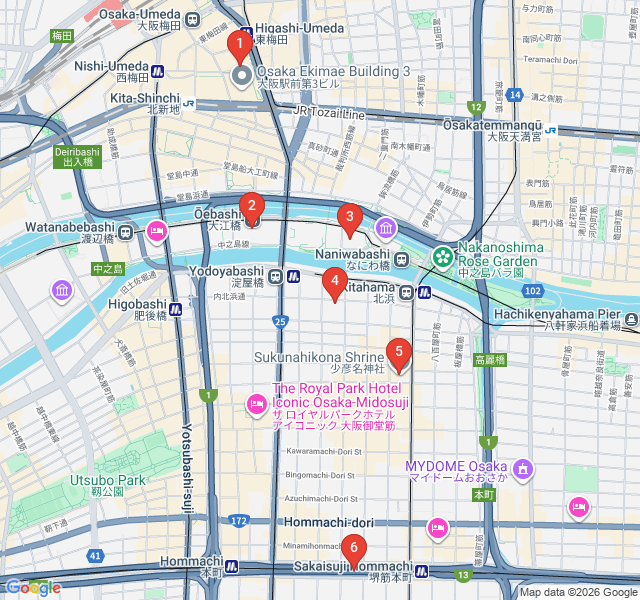
Numbers indicate the order of stops on the tour.
Welcome to the gateway of Semba. While this might look like a modern logistics hub, you are standing in the heart of Osaka's commercial engine. Yamato Transport, with its famous black cat logo, represents the modern evolution of the merchant couriers who have crisscrossed these streets for 400 years. During the Edo period, Osaka was known as the 'Kitchen of the World,' and Semba was the specialized district where goods were processed, priced, and shipped across Japan. This area serves as a transition point between the modern high-rises of Umeda and the historic business district we are about to explore. As you begin this self-guided adventure, notice the frantic energy of the city's commerce—it is the same spirit that has defined this neighborhood since the 1600s.
Gaze upon the blue-domed majesty of the Bank of Japan’s Osaka Branch. Completed in 1903, this Neo-Renaissance masterpiece was designed by Tatsuno Kingo, the same architect responsible for the iconic Tokyo Station. Its sturdy stone walls and elegant columns were intended to project stability and trust during Japan’s rapid modernization. At the time, Osaka was the industrial heart of the country, often called the 'Manchester of the Orient.' The presence of such a grand financial institution here solidified Semba’s status as the nation's primary economic hub. Look closely at the roof to see the intricate details that survived the air raids of World War II, making this one of the most significant historic structures in the city.
Standing proudly on the island of Nakanoshima, the Central Public Hall is a symbol of Osaka’s civic pride. Interestingly, this grand red-brick building was not funded by the government, but by a single stockbroker named Iwamoto Einosuke. After visiting the United States and seeing the philanthropic efforts of American businessmen, Iwamoto donated one million yen—an astronomical sum in 1911—to give Osaka a world-class cultural venue. Although he tragically died before its completion, his legacy lives on in this building, which has hosted figures like Albert Einstein and Helen Keller. Its blend of Neo-Renaissance and Baroque styles makes it one of the most photographed spots on this walking route.
Step back in time at Tekijuku, a rare survival of a 19th-century Dutch studies school. Founded by the physician Ogata Koan in 1838, this was a place where samurai and scholars came to study Western medicine and science through the Dutch language. The building itself is a classic 'machiya' or merchant house, with a narrow front and deep interior. If you look at the central pillar in the upstairs study room, you can see sword marks left by frustrated students—a visceral reminder of the intense pressure these young men were under to modernize Japan. Famous alumni include Fukuzawa Yukichi, the man featured on the 10,000 yen note, who helped shape modern Japanese education.
Tucked away between modern office buildings is the Sukunahikona Shrine, the spiritual heart of Doshomachi, Osaka’s traditional pharmacy district. For centuries, this area has been the center of the medicine trade. The shrine is dedicated to both Japanese and Chinese deities of healing. You might notice small paper tigers, known as 'Hariko-no-tora,' decorating the grounds. These became popular in 1822 during a cholera outbreak when it was believed that medicine blessed here, accompanied by a paper tiger, would ward off the disease. Even today, employees from major pharmaceutical companies headquartered nearby come here to pray for the success of new medicines and the health of their customers.
Our route concludes at the Semba Center Building, a structure that perfectly encapsulates Osaka’s pragmatic ingenuity. Spanning ten blocks and nearly a kilometer in length, this building was constructed directly underneath the Hanshin Expressway in 1970. It was a solution to preserve the historic textile wholesale district while modernizing the city's infrastructure. Inside, you will find over 800 shops selling everything from high-end fabrics and traditional kimonos to imported goods and discount clothing. It is a labyrinth of commerce that retains the 'Semba merchant' atmosphere. This is the perfect place to see the local wholesale culture in action or to grab a budget-friendly lunch in the basement restaurants frequented by local office workers.
Start Free on iPhone
Explore “The Merchant's Way: Semba's Historic Business District” with your very own Private Tour Guide with Zigway. Start free on iPhone, skip the large group and the fixed routes, and hear the city come alive as you go.
Your Private Tour Guide
Don't miss the good stuff
Explore Freely
 Moderate
Osaka, Japan
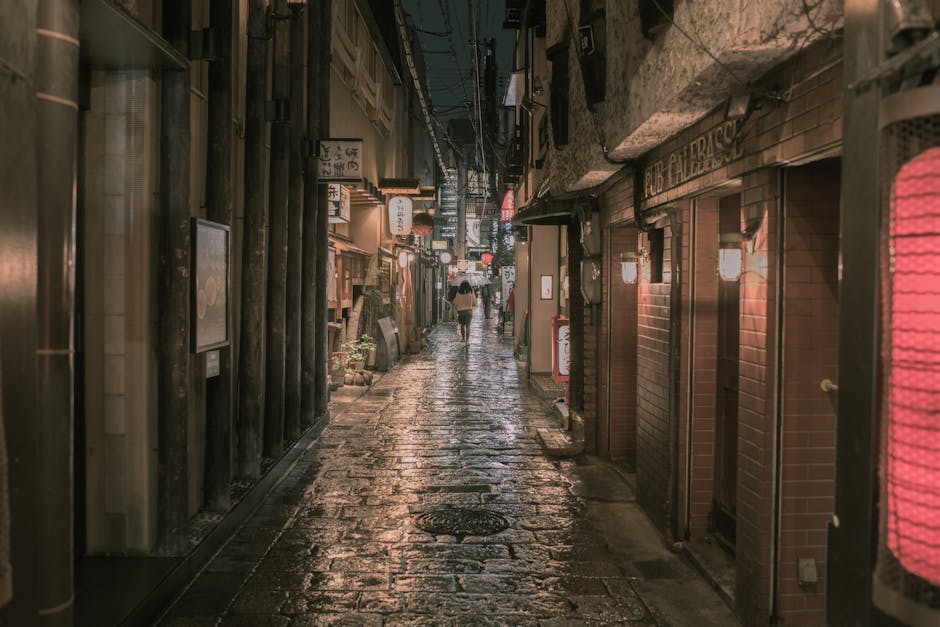
Discover the soul of Osaka on this self-guided walk through the hidden markets of Tsuruhashi, the neon of Namba, and the scale of Umeda.
 Easy
EasyOsaka, Japan
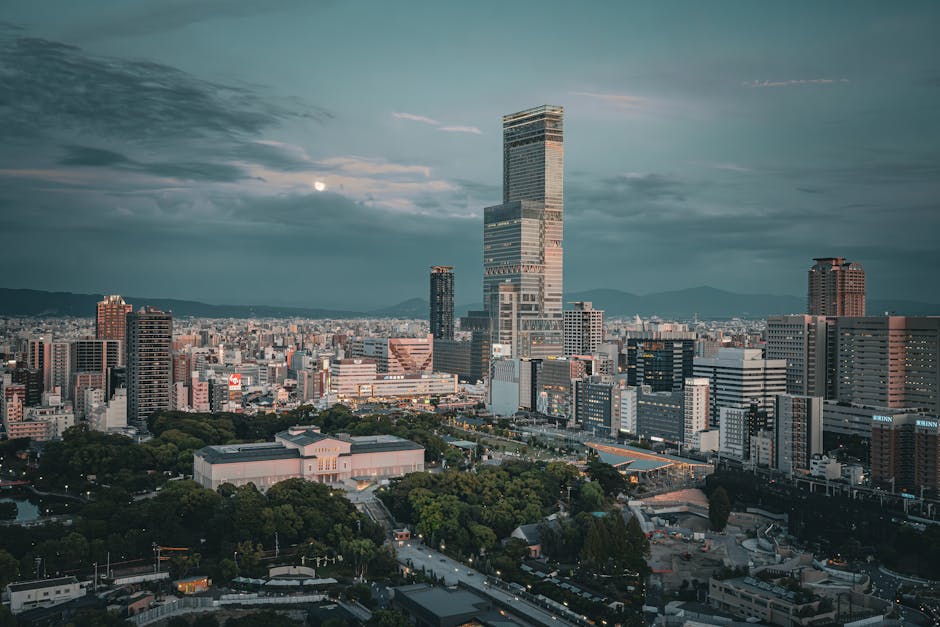
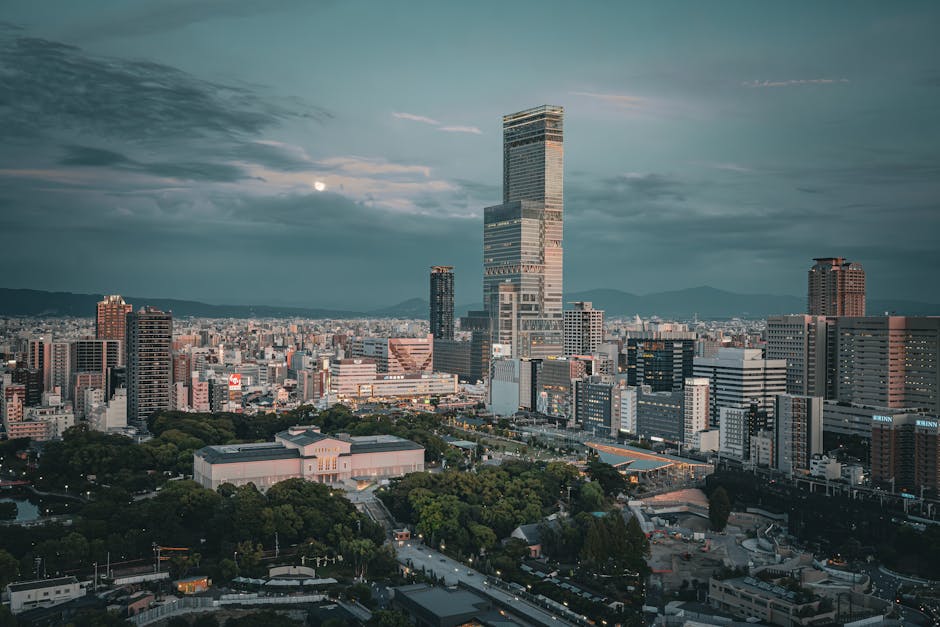
Explore Osaka's futuristic skyline, from the iconic Umeda Sky Building to hidden shrines, on this self-guided architectural walking route.
 Easy
EasyOsaka, Japan
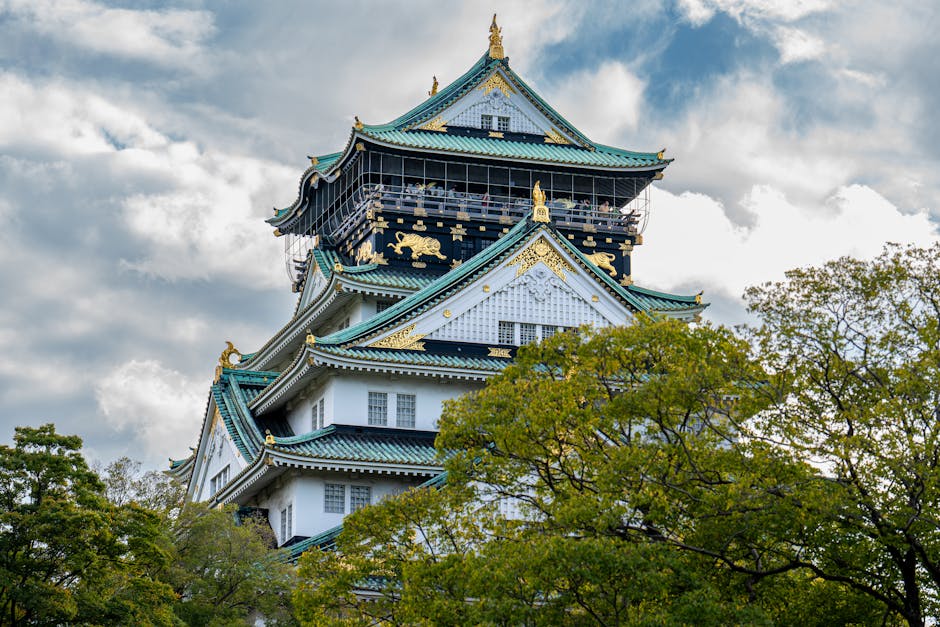
Explore Osaka's 'American Village' on this self-guided walk through street art, vintage fashion, and the heart of Japanese youth culture.
 Easy
EasyOsaka, Japan
Explore the retro charm and neon-lit alleys of Shinsekai on this self-guided walk through Osaka's most nostalgic district.
 Easy
EasyGothenburg, Sweden
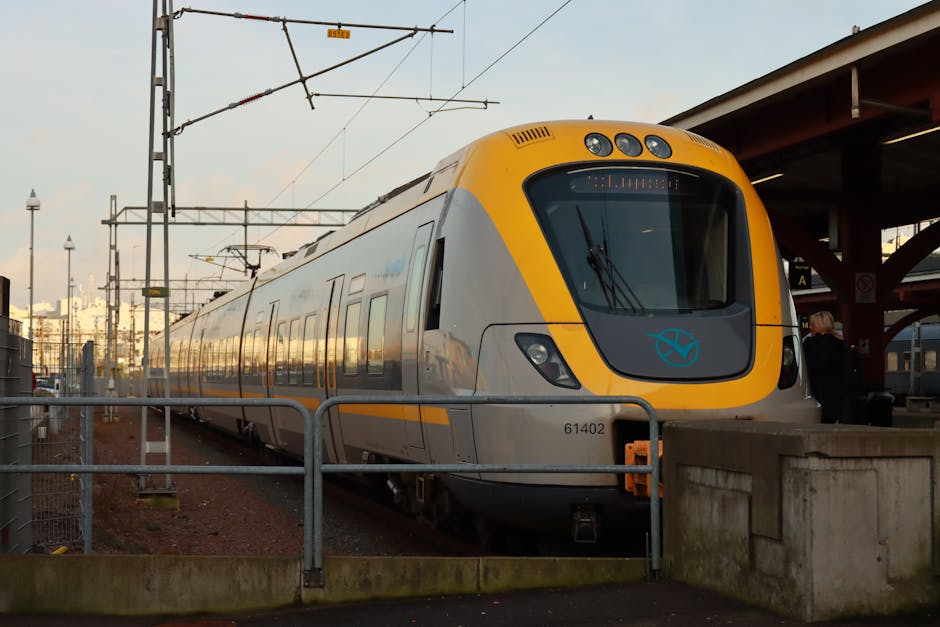
Discover Gothenburg’s 17th-century Dutch foundations, historic canals, and military fortifications on this self-guided architectural walk.
 Easy
EasyNairobi, Kenya
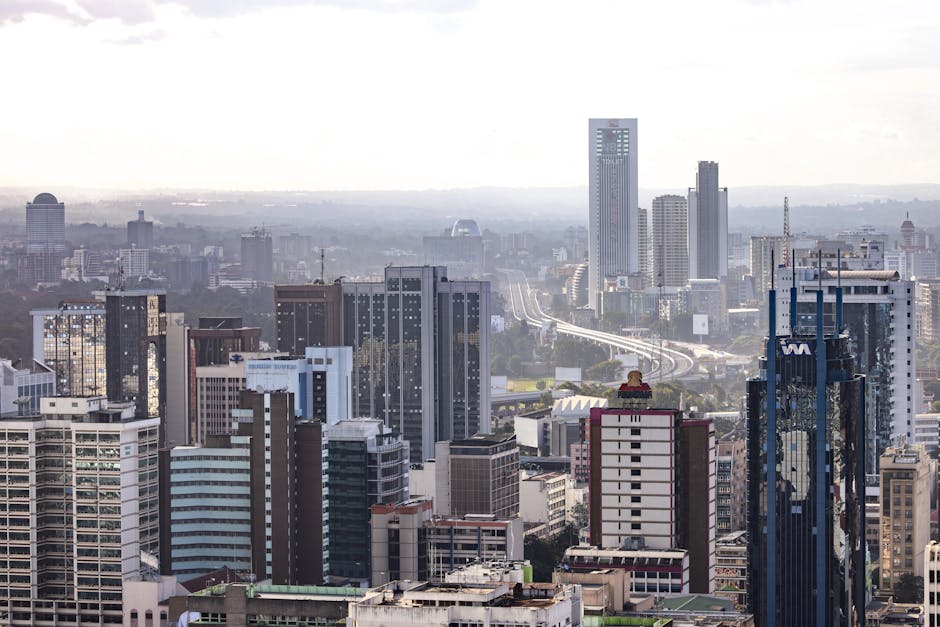
Explore Nairobi's architectural evolution from colonial-era landmarks to iconic Brutalist skyscrapers on this historic self-guided walking route.
 Easy
EasyNairobi, Kenya
Discover Nairobi's iconic skyline on this self-guided architecture walk through the CBD’s most famous modernist and Brutalist landmarks.
 Easy
EasyKrakow, Poland
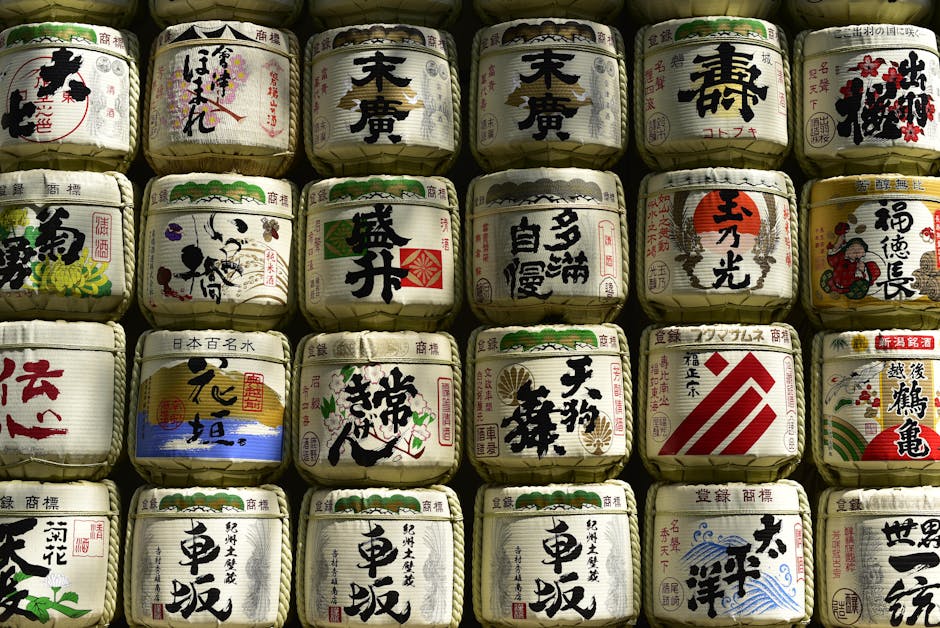
Explore the historic heart of Kazimierz on this self-guided walk through synagogues, ancient cemeteries, and vibrant squares.
 Moderate
Tokyo, Japan
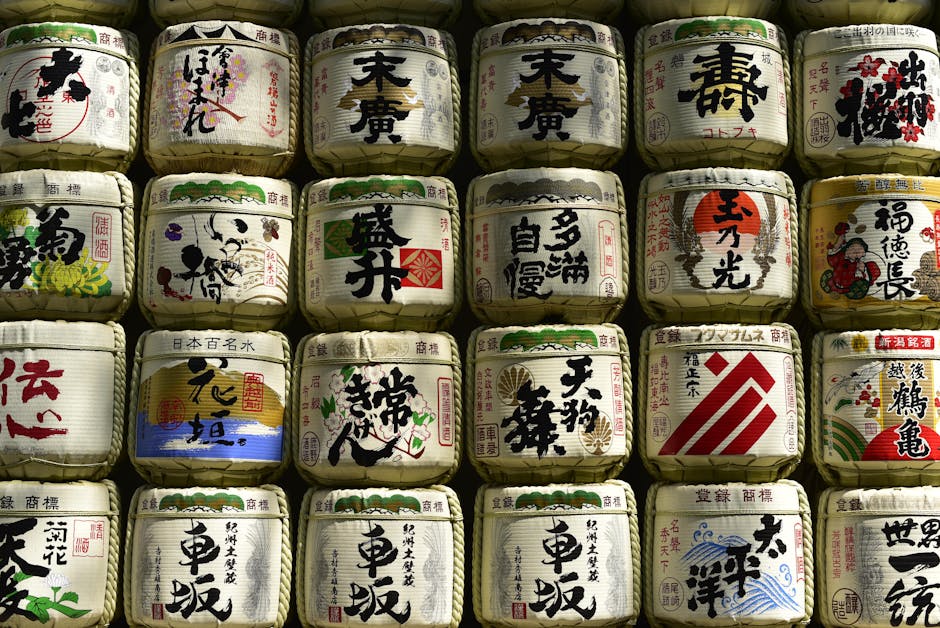
Discover Tokyo's premier creative district on this self-guided walk through Roppongi’s world-class museums and striking modern architecture.
 Easy
EasyTokyo, Japan
Discover the 'Old Tokyo' charm of Yanaka on this self-guided walk through historic temples, artisan alleys, and a stunning torii gate shrine.
 Easy
EasyTokyo, Japan
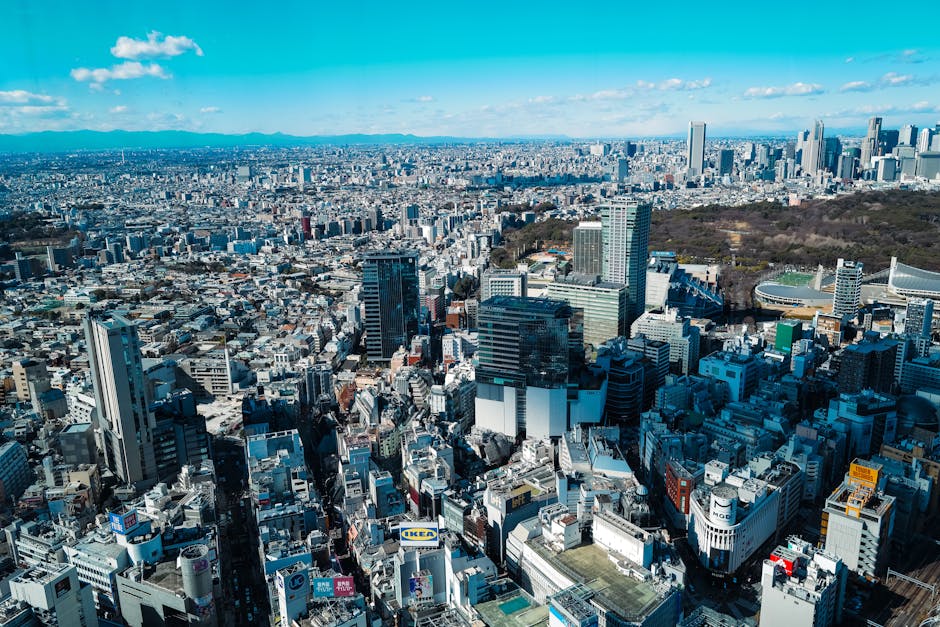
Experience Shibuya's electric energy on this self-guided walk from the iconic Scramble Crossing to the panoramic views of Shibuya Sky.
 Easy
EasyTokyo, Japan
Explore Tokyo's indie heart. From vintage fashion in Shimokitazawa to world-class art in Shinjuku, discover the city's creative soul independently.