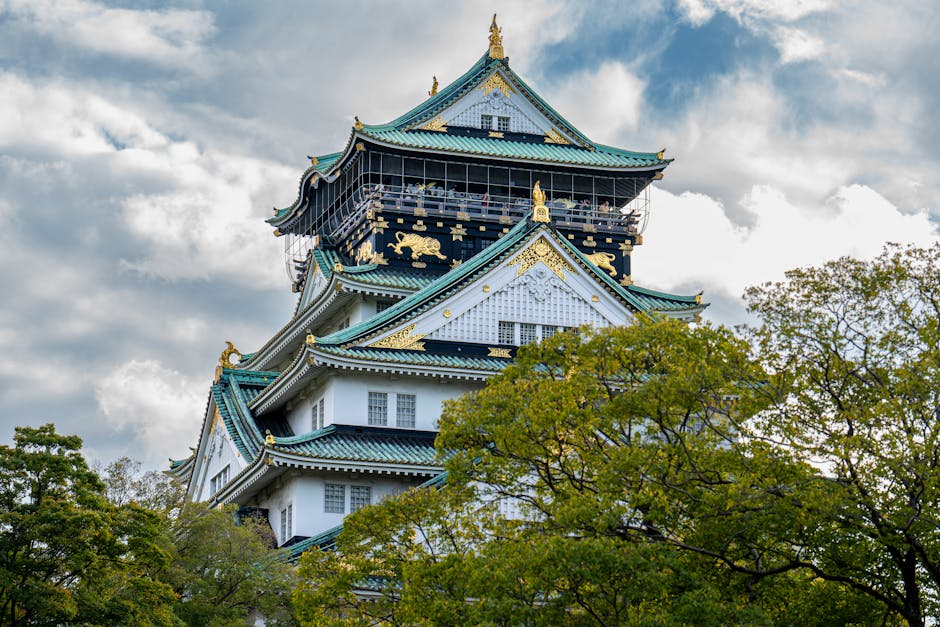
Self-guided audio tour in Osaka
Start Free on iPhone
Start free on iPhone to unlock this self-guided walking tour in Osaka. Hear all the stories that make it amazing, walk at your own pace, and begin whenever you want.
Your Private Tour Guide
Escape the neon glow of Dotonbori and the bustling crowds of Umeda to discover the spiritual bedrock of Osaka in the historic Tennoji district. This self-guided walk invites you on a journey through centuries of Japanese history, where ancient architecture and meticulously manicured nature offer a serene alternative to the city's modern pace. The Tennoji area is home to some of the oldest and most unique religious sites in Japan, providing a deep dive into the evolution of Buddhist and Shinto traditions. On this walking route, you will encounter a shrine dedicated to a legendary samurai, a temple famous for its statues made from human remains, and the very first Buddhist temple ever commissioned by the state. Beyond the spiritual significance, the route showcases the beauty of Japanese landscaping in the Keitakuen Garden, a hidden oasis that feels worlds away from the urban sprawl. Exploring this neighborhood stroll at your own pace allows for moments of quiet reflection amidst the incense-scented halls and the rustling leaves of sacred groves. Whether you are an architecture enthusiast looking for traditional pagodas or a traveler seeking a peaceful morning, this journey through Tennoji reveals a side of Osaka often missed by the average visitor. This walking tour Osaka offers a unique perspective on the city's cultural heritage, connecting the dots between legendary warriors and the spiritual foundations of the Japanese state. Start exploring with Zigway to uncover the hidden stories behind these sacred spaces, from the intricate wood carvings of ancient gates to the modern artistic expressions of contemporary temple design. By the time you reach the final stop, you will have experienced a half-day of profound history and natural beauty, far removed from the typical tourist trails.
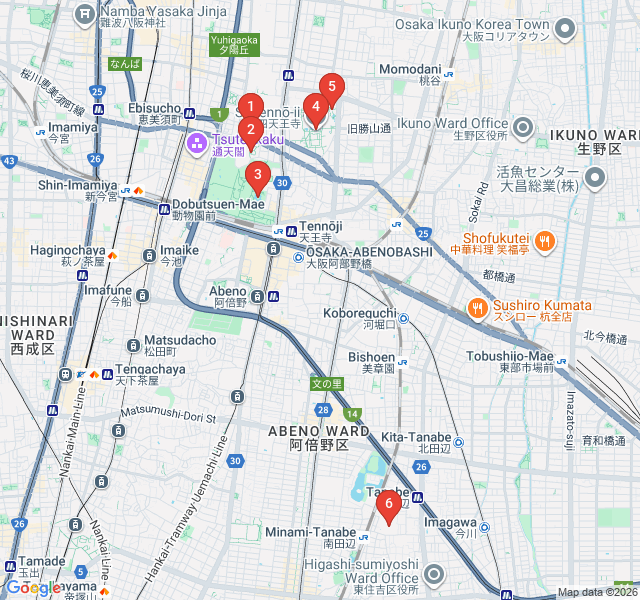
Numbers indicate the order of stops on the tour.
Begin your self-guided adventure at Yasui Shrine, a site deeply tied to Japanese martial history. While it appears modest, this shrine marks the spot where the legendary samurai Sanada Yukimura met his end during the Siege of Osaka in 1615. Known as the 'Leading Hero in Japan,' Yukimura is a figure of immense cultural respect. The shrine grounds contain a statue of the warrior resting under a pine tree, reflecting the solemnity of his final moments. Aside from the samurai connection, the shrine is also a place where locals come to pray for success and health. Take a moment to appreciate the quiet atmosphere before heading toward the more grand architectural structures nearby.
A short walk brings you to Isshin-ji, a temple that blends ancient tradition with striking modern architecture. As you enter, notice the avant-garde steel and glass gate, guarded by two massive, contemporary statues of Nio protectors. Isshin-ji is most famous for its 'Okotsu Butsu' or Bone Buddhas. Since the late 19th century, the temple has collected the ashes of millions of devotees to create statues of Amida Buddha every ten years. This practice makes the temple a deeply personal place for many Japanese families. The blend of 20th-century design with this profound funerary tradition creates a unique atmosphere that sets Isshin-ji apart from any other temple in Osaka.
Step into a world of green at Keitakuen Garden, located within Tennoji Park. This traditional 'chisen-kaiyu-shiki' or pond-stroll garden was designed by the celebrated landscape architect Jihei Ogawa and donated by the Sumitomo family. As you walk the winding paths, you will see how the garden uses 'borrowed scenery,' incorporating the surrounding city into its composition while maintaining a sense of isolation. The large central pond, stone bridges, and seasonal flora are designed to change appearance from every angle. It is a perfect example of how Japanese gardens prioritize harmony between man-made structures and the natural world, providing a refreshing break from the urban environment.
Now you arrive at Shitennō-ji, the crown jewel of Osaka’s spiritual landscape. Founded in 593 AD by Prince Shotoku, this is the oldest officially administered Buddhist temple in Japan. Although many buildings have been reconstructed over the centuries due to fires and wars, the layout remains true to the original 6th-century 'Shitennō-ji style.' The five-story pagoda and the Golden Hall are iconic landmarks. As you explore the grounds, look for the 'Turtle Pond' where hundreds of turtles bask in the sun, symbolizing longevity. This temple served as a gateway for Buddhism in Japan, and its enduring presence is a testament to the city's long-standing spiritual devotion.
Tucked away within the Shitennō-ji complex is the Gokuraku-jodo Garden, a hidden gem designed to represent the 'Pure Land' or Buddhist paradise. This garden is less crowded than the main temple grounds and offers a more intimate experience with nature. Stream-fed ponds and carefully placed rocks create a landscape that encourages meditation. The name 'Gokuraku-jodo' refers to the Western Paradise of Amida Buddha, and the garden is intended to be a physical manifestation of that celestial realm. It is an ideal spot to sit for a few minutes and absorb the history you have encountered so far on your walking route.
Conclude your journey at Horakuji Temple, located slightly south of the main Tennoji cluster. This temple is dedicated to Fudo Myoo, a powerful protector deity in Esoteric Buddhism often depicted with a sword and flames. Horakuji is beloved by the local community and feels more 'lived-in' than the larger tourist sites. The temple grounds feature a beautiful gate and various smaller shrines that reflect the everyday religious practices of the neighborhood. It is a peaceful, authentic end to your exploration of the Spiritual Path, offering a final moment of tranquility before you return to the vibrant energy of modern Osaka.
Start Free on iPhone
Explore “The Spiritual Path: Temples of Tennoji” with your very own Private Tour Guide with Zigway. Start free on iPhone, skip the large group and the fixed routes, and hear the city come alive as you go.
Your Private Tour Guide
Don't miss the good stuff
Explore Freely
 Moderate
Osaka, Japan
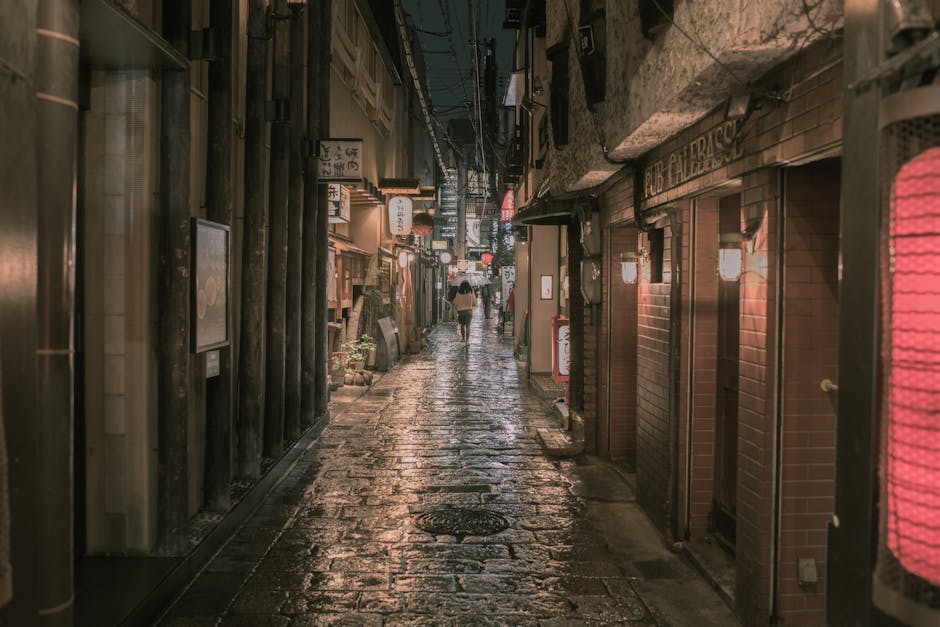
Discover the soul of Osaka on this self-guided walk through the hidden markets of Tsuruhashi, the neon of Namba, and the scale of Umeda.
 Easy
EasyOsaka, Japan
Explore Osaka's futuristic skyline, from the iconic Umeda Sky Building to hidden shrines, on this self-guided architectural walking route.
 Easy
EasyOsaka, Japan
Explore Osaka's 'American Village' on this self-guided walk through street art, vintage fashion, and the heart of Japanese youth culture.
 Easy
EasyOsaka, Japan
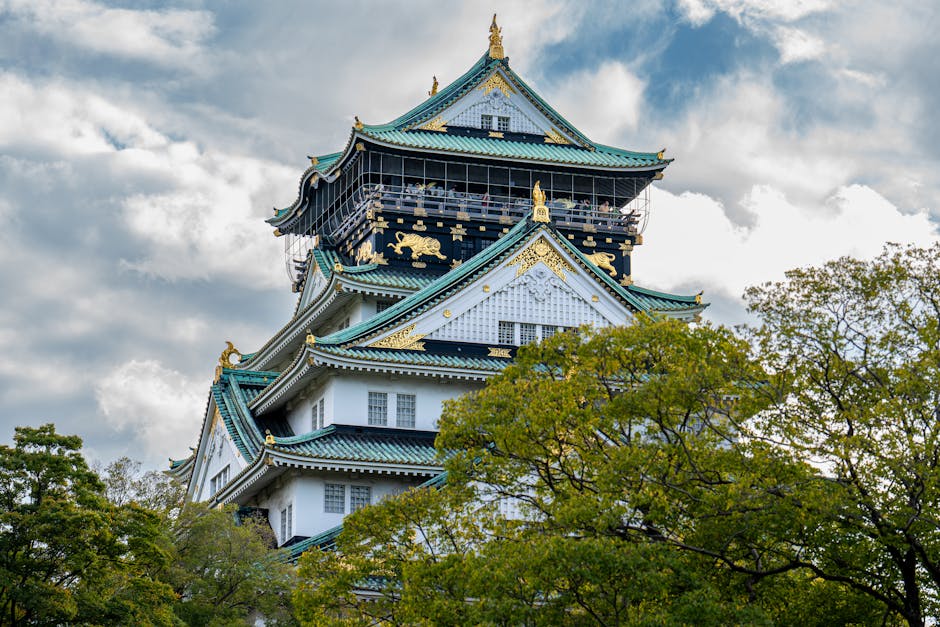
Explore the retro charm and neon-lit alleys of Shinsekai on this self-guided walk through Osaka's most nostalgic district.
 Moderate
Nairobi, Kenya
Discover Nairobi's lush side on this self-guided walk through botanical gardens, historic memorials, and vibrant local markets.
 Moderate
Gothenburg, Sweden
Explore Gothenburg’s lush "Green Lung" on this self-guided walk through the Botanical Garden, Slottsskogen park, and rugged Änggård Mountains.
 Easy
EasySalzburg, Austria
Discover Salzburg's oldest medieval alley, the birthplace of the 'Silent Night' author, and breathtaking views on this quiet self-guided walk.
 Easy
EasyNairobi, Kenya
Explore Nairobi's architectural evolution from colonial-era landmarks to iconic Brutalist skyscrapers on this historic self-guided walking route.
 Moderate
Tokyo, Japan
Discover Tokyo's premier creative district on this self-guided walk through Roppongi’s world-class museums and striking modern architecture.
 Easy
EasyTokyo, Japan
Discover the 'Old Tokyo' charm of Yanaka on this self-guided walk through historic temples, artisan alleys, and a stunning torii gate shrine.
 Easy
EasyTokyo, Japan
Experience Shibuya's electric energy on this self-guided walk from the iconic Scramble Crossing to the panoramic views of Shibuya Sky.
 Easy
EasyTokyo, Japan
Explore Tokyo's indie heart. From vintage fashion in Shimokitazawa to world-class art in Shinjuku, discover the city's creative soul independently.