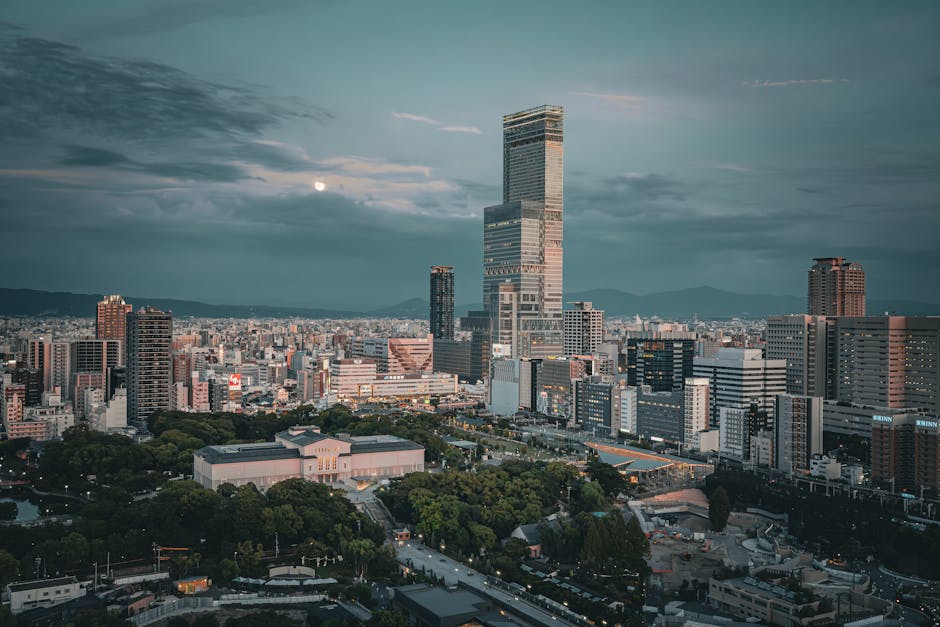
Self-guided audio tour in Osaka
Start Free on iPhone
Start free on iPhone to unlock this self-guided walking tour in Osaka. Hear all the stories that make it amazing, walk at your own pace, and begin whenever you want.
Your Private Tour Guide
Osaka is a city of two faces, and nowhere is this more apparent than in the vibrant district of Namba. This self-guided walking route invites you to traverse the thin line between the futuristic neon glow of Dotonbori and the quiet, spiritual corners hidden just blocks away. Your journey begins at the iconic Ebisu Bridge, the pulse of the city's nightlife and photography scene, where the famous Glico Man has watched over the canal for nearly a century. This area represents the 'Kuidaore' spirit—eating until you drop—and serves as the perfect introduction to Osaka's energetic personality. As you transition from the riverfront, the route leads you through the cultural heart of Japanese comedy at Namba Grand Kagetsu. Unlike a traditional guided tour Osaka might offer, this independent stroll allows you to linger at the SenNichiMae DoguyaSuji cookware street, where professional chefs and curious travelers alike hunt for handcrafted knives and hyper-realistic plastic food. The contrast deepens as you reach Namba Parks, a stunning example of modern architecture where a multi-level garden rises from the site of a former baseball stadium. The highlight for many photographers is the Namba Yasaka Jinja. This shrine features a massive, four-story lion's head that appears to swallow evil spirits whole—a striking piece of religious architecture that stands in silent defiance of the surrounding skyscrapers. Finally, you will find yourself on Mido-Suji, the city's grandest boulevard. Whether it is lined with ginkgo trees in the autumn or illuminated by millions of LEDs in the winter, this street connects the historic soul of Namba to the modern business districts beyond. This walking tour Osaka experience is designed for those who want to see the 'Kitchen of Japan' beyond the surface-level tourist traps. It is a neighborhood stroll that captures the essence of a city that never stops moving, yet always remembers its roots. By exploring at your own pace, you can capture the perfect long-exposure shot of the neon reflections or find a quiet moment of reflection at a hidden altar.
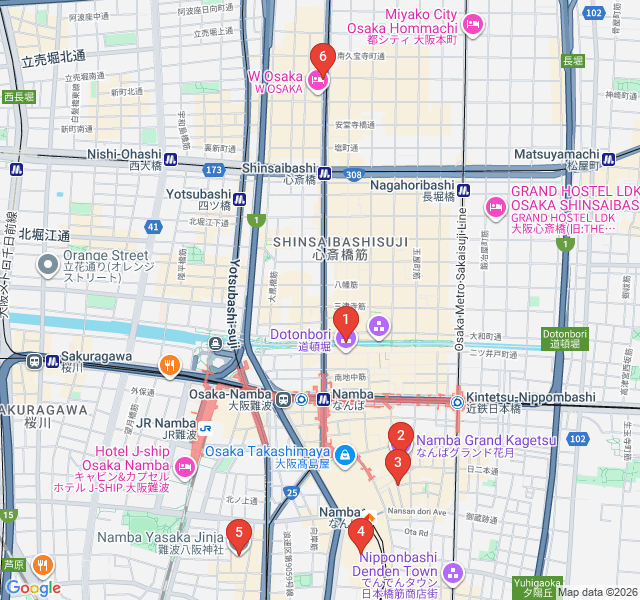
Numbers indicate the order of stops on the tour.
Welcome to the heart of Osaka's vibrant Dotonbori district. Ebisu Bridge, often called 'Hitosuji' by locals, is the ultimate landmark for photography enthusiasts. Look up to see the iconic Glico Running Man sign, a neon beacon that has stood in various iterations since 1935. This bridge crosses the Dotonbori Canal, which was originally dug in the early 1600s by a local entrepreneur. Today, it is the center of the city's 'Kuidaore' culture, a word meaning to ruin oneself by extravagance in food. Take a moment to soak in the sensory overload of flashing LED screens, giant mechanical crabs, and the smell of takoyaki wafting through the air.
You are standing outside the headquarters of Japanese comedy. Namba Grand Kagetsu is the flagship theater for Yoshimoto Kogyo, the talent agency that has defined Japanese humor for over a century. This is the birthplace of 'Manzai'—a style of stand-up comedy involving a straight man and a funny man. Even if you don't speak Japanese, the energy here is infectious. Notice the colorful posters and the statues of famous comedians. In Osaka, being funny is considered a high virtue, and this theater is the sacred ground where that tradition is kept alive every single day.
Step into the 'Kitchen of the World.' This 150-meter-long arcade is where the city's professional chefs come to buy their tools. Look around and you will see everything from forged steel sashimi knives to massive takoyaki grills. Perhaps the most famous items here are the 'sampuru'—the hyper-realistic plastic food models you see in restaurant windows. These are handcrafted works of art, ranging from glistening sushi magnets to full bowls of ramen. This street represents the practical, hardworking side of Osaka’s culinary obsession, where quality and craftsmanship are paramount.
This architectural marvel is a testament to urban greening. Built on the site of the former Osaka Stadium, Namba Parks was designed by Jon Jerde to resemble a natural canyon cutting through the city. Instead of a traditional shopping mall, you are looking at a series of terraced rooftop gardens that rise eight levels high. It features waterfalls, groves of trees, and even vegetable patches. It is a peaceful escape from the neon chaos nearby. This stop offers a unique perspective on how modern Japanese cities integrate nature into dense urban environments, providing a cooling 'green lung' for the Namba district.
Prepare for one of the most striking sights in Japan. Namba Yasaka Jinja is home to the Shishi-den, a massive stage shaped like a lion's head, standing 12 meters tall and 11 meters wide. The lion’s wide-open mouth is said to swallow evil spirits, leaving only good luck for those who visit. This is a popular spot for students and business owners to pray for success in exams or ventures. While the shrine has ancient roots, this specific lion-headed structure was completed in 1974. It is a fantastic example of how traditional Shinto beliefs continue to manifest in bold, creative ways in modern-day Osaka.
Your walk concludes on Mido-Suji, the primary north-south artery of Osaka. Often called the 'Champs-Élysées of the East,' this grand boulevard was widened in the 1930s to modernize the city. It is famous for its 800 ginkgo trees which turn a brilliant gold in autumn. If you are here during the winter months, the entire street is transformed by the Midosuji Illumination, one of the longest light displays in the world. As you look down the long, straight road toward Shinsaibashi, you can see the blend of high-end luxury boutiques and historic corporate headquarters that make this the most prestigious address in the city.
Start Free on iPhone
Explore “Neon Dreams and Hidden Shrines of Namba” with your very own Private Tour Guide with Zigway. Start free on iPhone, skip the large group and the fixed routes, and hear the city come alive as you go.
Your Private Tour Guide
Don't miss the good stuff
Explore Freely
 Moderate
Osaka, Japan
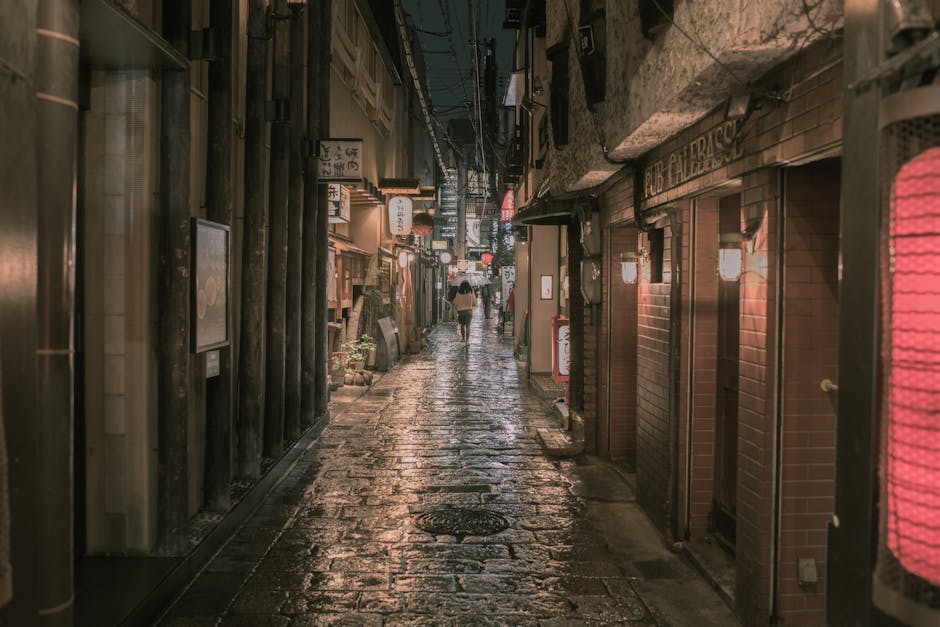
Discover the soul of Osaka on this self-guided walk through the hidden markets of Tsuruhashi, the neon of Namba, and the scale of Umeda.
 Easy
EasyOsaka, Japan
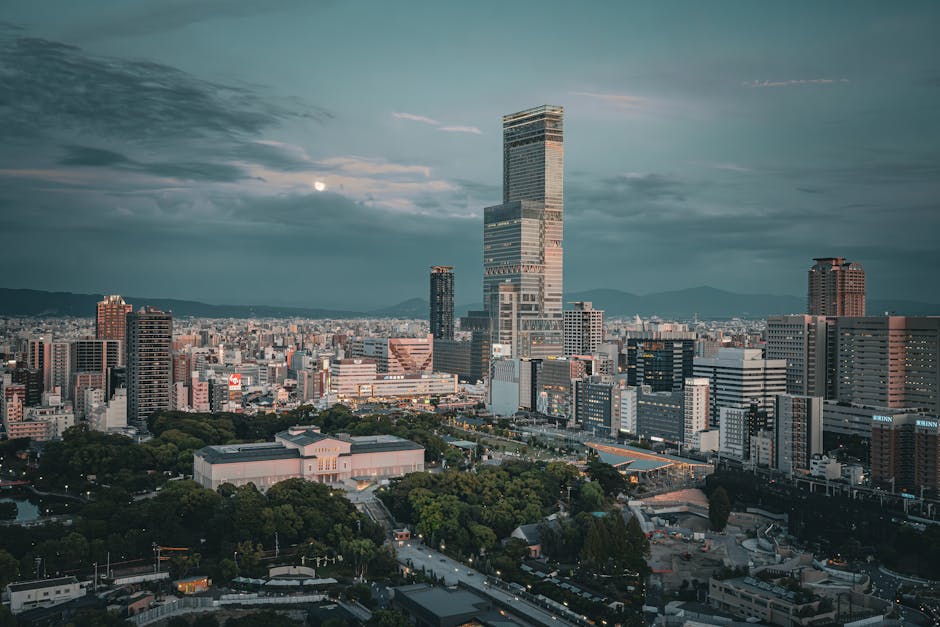
Explore Osaka's futuristic skyline, from the iconic Umeda Sky Building to hidden shrines, on this self-guided architectural walking route.
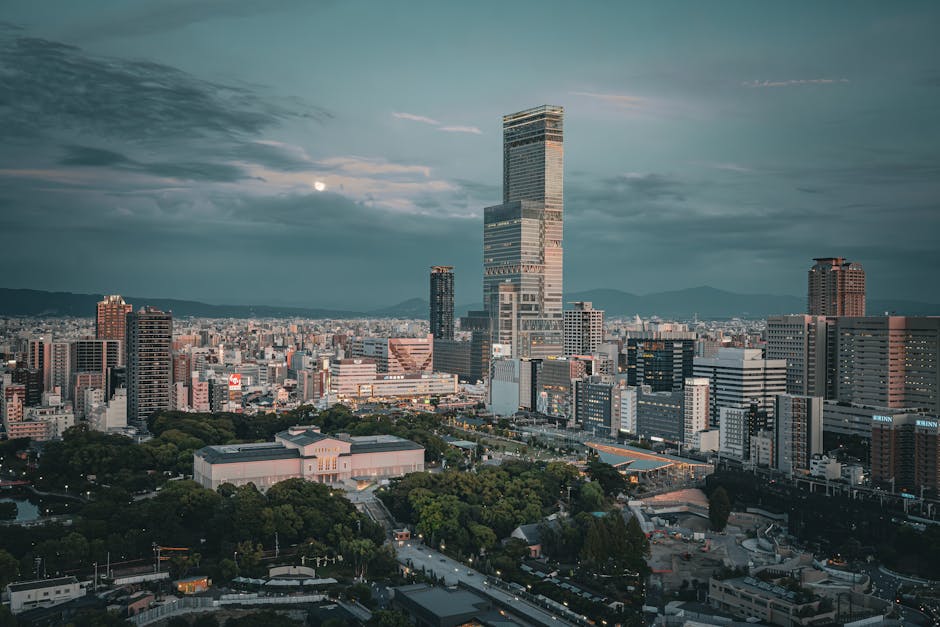 Easy
EasyOsaka, Japan
Explore Osaka's 'American Village' on this self-guided walk through street art, vintage fashion, and the heart of Japanese youth culture.
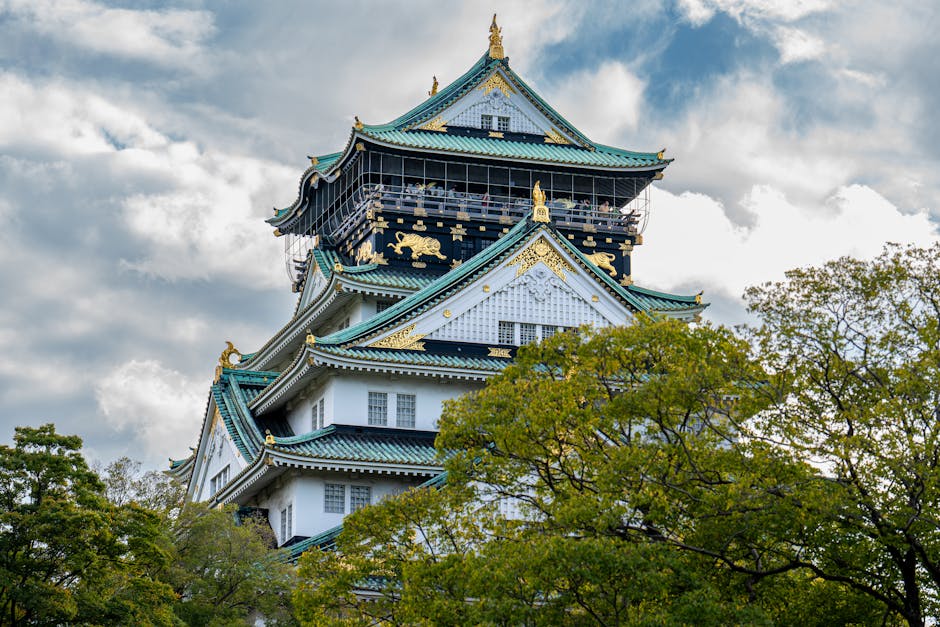 Easy
EasyOsaka, Japan
Explore the retro charm and neon-lit alleys of Shinsekai on this self-guided walk through Osaka's most nostalgic district.
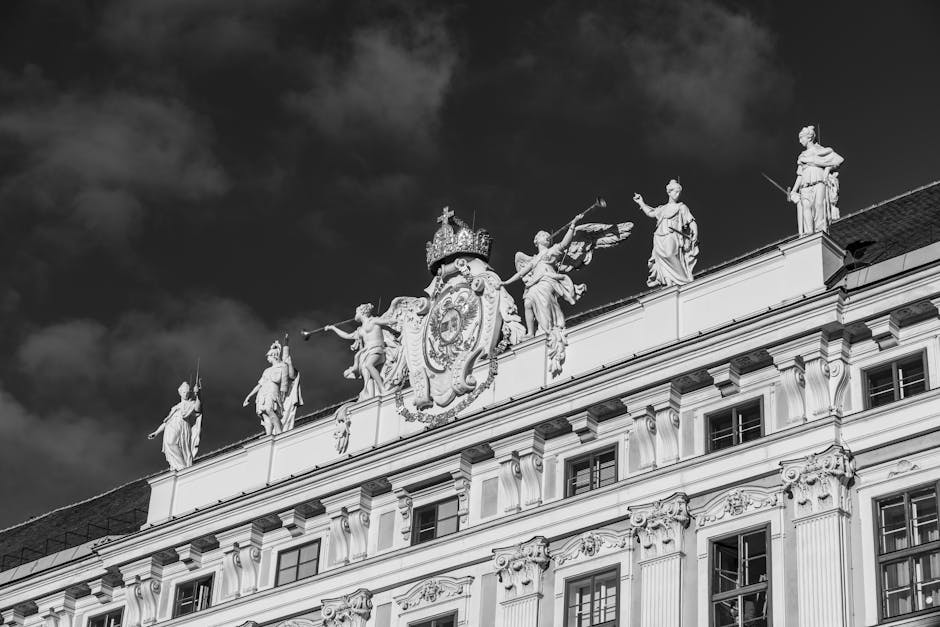 Easy
EasyVienna, Austria
Explore Vienna’s vibrant open-air gallery along the Danube Canal on this self-guided street art and nightlife stroll through Leopoldstadt.
 Easy
EasyNairobi, Kenya
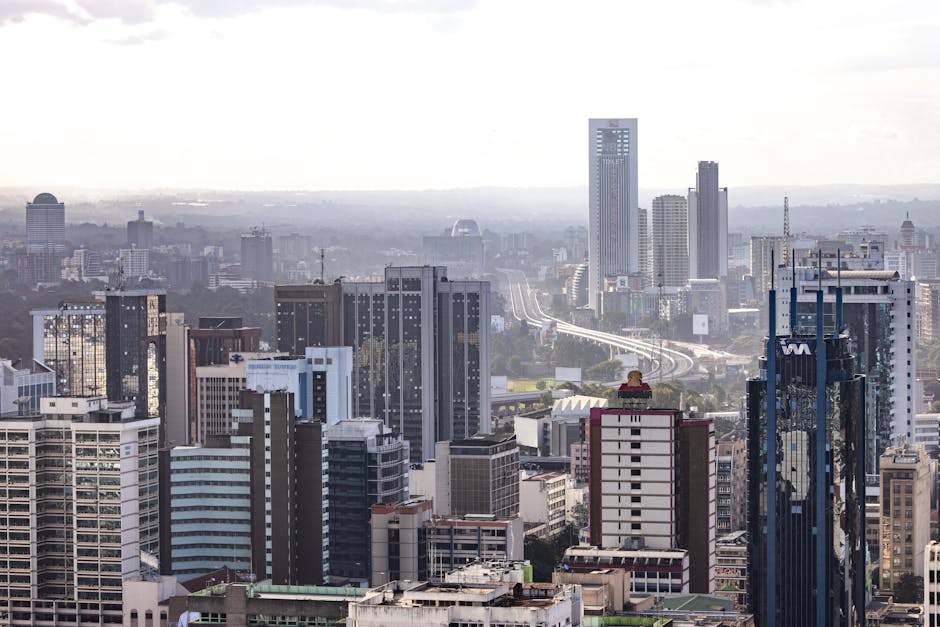
Explore the history of Kenya’s independence through the statues, monuments, and parks that define Nairobi’s political heart on this self-guided walk.
 Easy
EasyGdansk, Poland
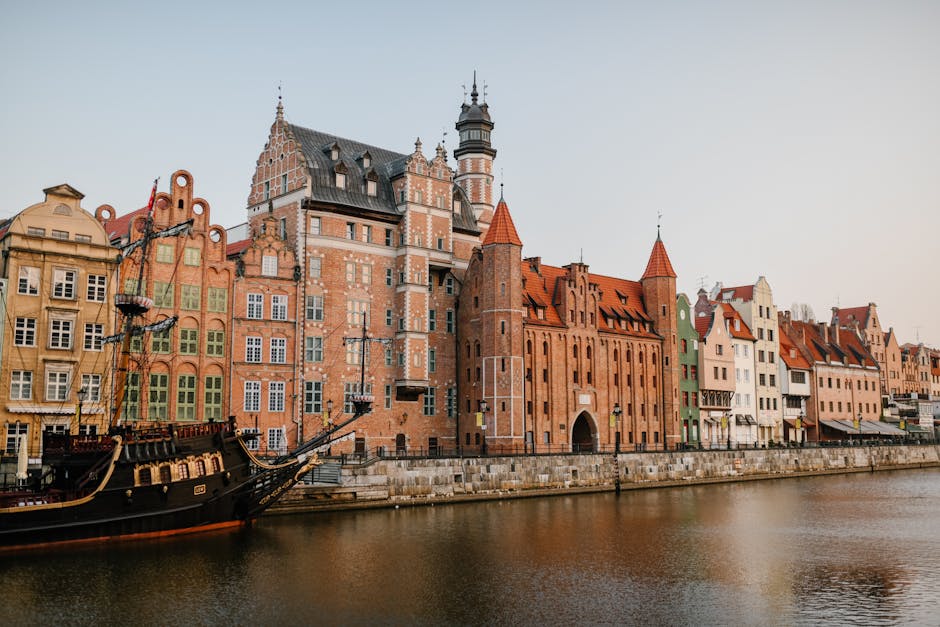
Discover the 'Baltic Gold' on this self-guided walk through Gdansk's historic mills, massive cathedrals, and the magical Mariacka Street.
 Easy
EasyWarsaw, Poland
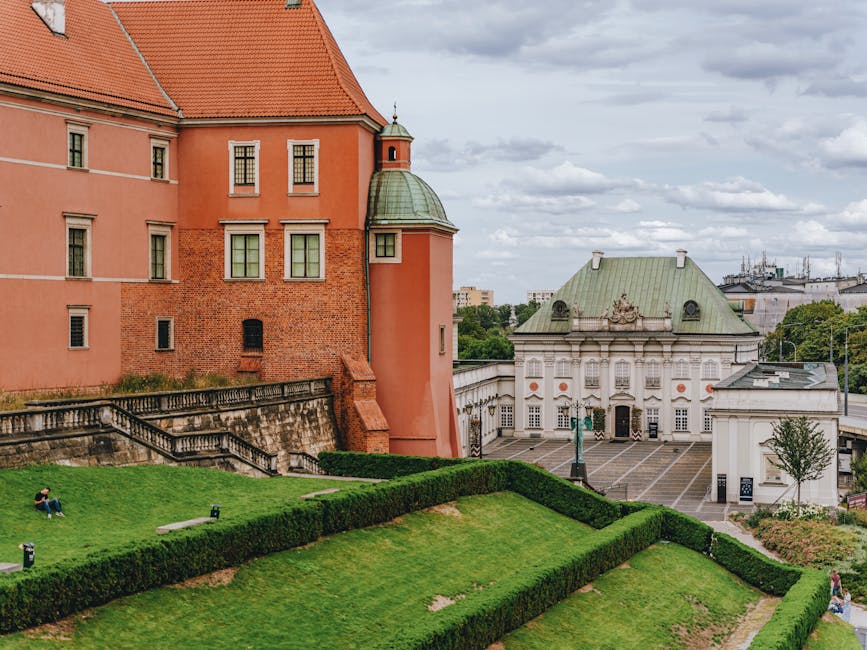
Explore the miracle of Warsaw's reconstructed Old Town on this self-guided walk through royal squares, medieval walls, and heroic monuments.
 Moderate
Tokyo, Japan
Discover Tokyo's premier creative district on this self-guided walk through Roppongi’s world-class museums and striking modern architecture.
 Easy
EasyTokyo, Japan
Discover the 'Old Tokyo' charm of Yanaka on this self-guided walk through historic temples, artisan alleys, and a stunning torii gate shrine.
 Easy
EasyTokyo, Japan
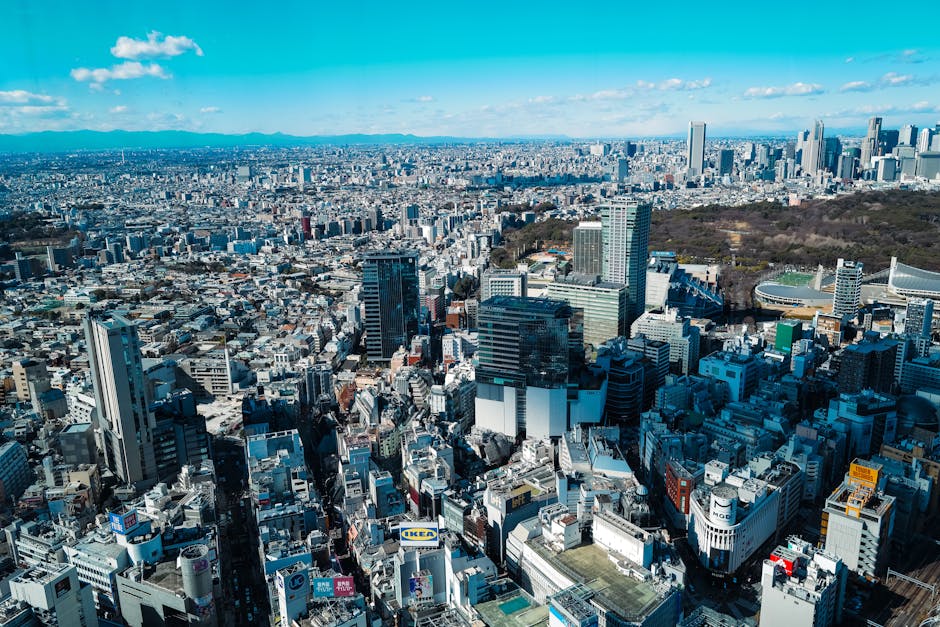
Experience Shibuya's electric energy on this self-guided walk from the iconic Scramble Crossing to the panoramic views of Shibuya Sky.
 Easy
EasyTokyo, Japan
Explore Tokyo's indie heart. From vintage fashion in Shimokitazawa to world-class art in Shinjuku, discover the city's creative soul independently.