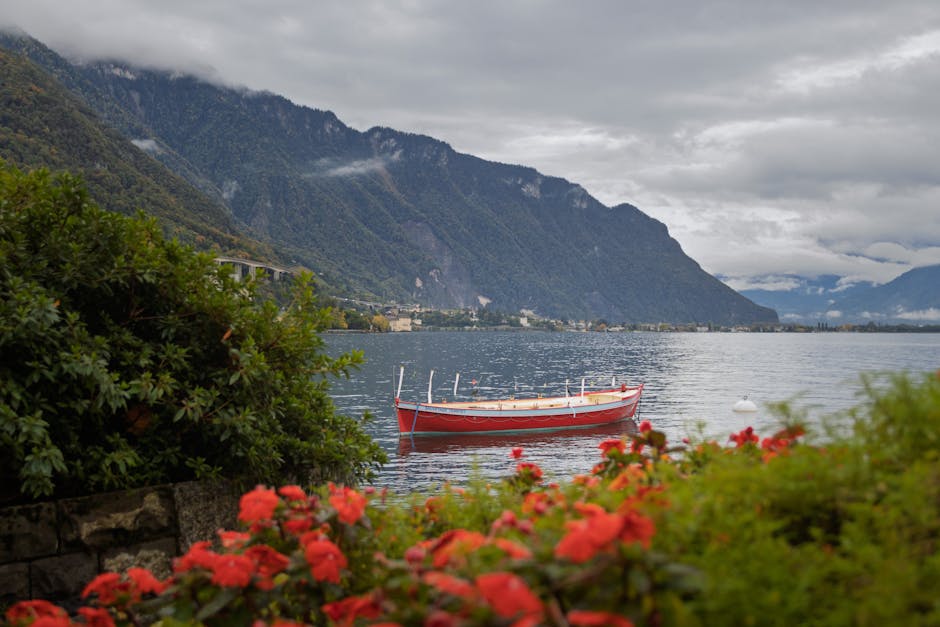
Self-guided audio tour in Geneva
Start Free on iPhone
Start free on iPhone to unlock this self-guided walking tour in Geneva. Hear all the stories that make it amazing, walk at your own pace, and begin whenever you want.
Your Private Tour Guide
Geneva is often called the 'City of Peace,' a title earned through centuries of neutral diplomacy and humanitarian effort. This self-guided walk through the Nations district invites you to explore the epicenter of global cooperation, where monumental architecture meets a legacy of human rights. As you follow this walking route, you will uncover the stories behind the institutions that shape our world, from the humanitarian foundations of the Red Cross to the imposing halls of the United Nations. The journey begins at the International Museum of the Red Cross and Red Crescent, where you can reflect on the origins of modern humanitarian law. From there, you will pass through the serene grounds of the Musée Ariana before arriving at the Palais des Nations, a sprawling complex that serves as the European headquarters of the UN. This area is a masterclass in mid-20th-century architecture and symbolic urban design. You will stand in the vibrant Place des Nations, surrounded by the flags of the world and the powerful 'Broken Chair' monument, a stark reminder of the human cost of conflict. The walk concludes at the Palais Wilson, the original home of the League of Nations, situated gracefully along the shores of Lake Geneva. This neighborhood stroll offers more than just sightseeing; it provides a deep dive into the history of diplomacy and the ongoing quest for global stability. Whether you are interested in the intricacies of international law or simply want to see the landmarks that frequently appear on world news, this audio walk provides the context and historical depth to make the most of your time in Geneva. By exploring at your own pace, you can pause to admire the grand façades or reflect on the many memorials dedicated to peace and justice. This experience is essential for any first-time visitor looking to understand why Geneva remains the heartbeat of international diplomacy.
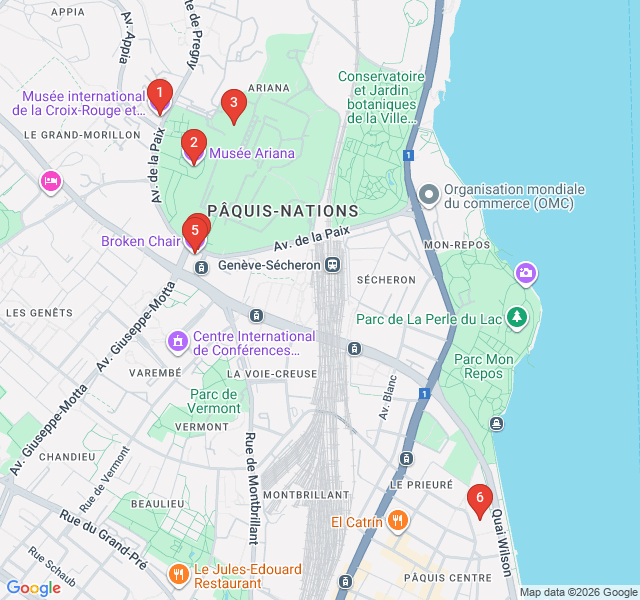
Numbers indicate the order of stops on the tour.
Your journey begins at the birthplace of humanitarian action. Founded in 1863 by Henry Dunant, the Red Cross was a response to the horrific suffering Dunant witnessed at the Battle of Solferino. This museum isn't just a collection of artifacts; it is a profound exploration of human dignity and the laws of war. The building itself is partially underground, symbolizing the humility and depth of its mission. As you stand here, consider how this single Genevan organization grew into a global movement, establishing the Geneva Conventions which now govern international humanitarian law. It is the foundation upon which Geneva's reputation as a neutral, compassionate city was built.
Just a short stroll away is the Musée Ariana, an architectural jewel of the late 19th century. Built by Gustave Revilliod to house his vast collection of ceramics and glass, the building is a stunning example of Neo-Classical and Neo-Baroque styles. Notice the magnificent vaulted ceiling and the twin rows of columns inside. While the museum itself is world-renowned for its porcelain and pottery, its location is equally significant. Revilliod bequeathed this land to the city with the condition that his cats be buried here and that the public could enjoy the gardens. Today, it serves as a peaceful buffer between the bustling humanitarian and diplomatic headquarters nearby.
Before you stands the Palais des Nations, the European headquarters of the United Nations. Originally built between 1929 and 1938 to house the League of Nations, it remains one of the largest diplomatic centers in the world. The architecture is a blend of Art Deco and Neoclassicism, representing the collective effort of five architects from across Europe. While the UN moved its primary headquarters to New York after WWII, Geneva remains the global hub for human rights, labor, and health. Look for the grand Assembly Hall and the Council Chamber, where historic treaties and peace agreements have been debated for nearly a century.
The Place des Nations is the civic heart of the diplomatic quarter. Redesigned in 2007, the square features a floor made of granite from around the world and a series of fountains that shoot directly from the ground, representing the transparency and fluidity required in international relations. Surrounding the square are the flags of the 193 UN member states, arranged in alphabetical order. This space is a frequent site for peaceful protests and global gatherings, serving as a public stage where citizens of the world come to make their voices heard by the diplomats working just a few hundred yards away.
Dominating the square is the 'Broken Chair,' a massive wooden sculpture by Daniel Berset. Standing twelve meters high and constructed of five tons of wood, it features a shattered fourth leg. It was originally installed in 1997 by Handicap International to urge nations to sign the Ottawa Treaty banning landmines. Though initially intended as a temporary installation for three months, it became such a powerful symbol of the human cost of conflict that it was never removed. It serves as a stark, silent reminder to the diplomats across the street that their decisions have real, often devastating, consequences for ordinary people worldwide.
To reach your final stop, head toward the lake. Palais Wilson was the first headquarters of the League of Nations in the 1920s. Named after US President Woodrow Wilson, who was instrumental in the League’s creation after World War I, this building represents the transition of Geneva into a global capital. It was originally built as a hotel (the Hôtel National) before being converted for diplomatic use. Today, it houses the Office of the United Nations High Commissioner for Human Rights. Its position on the waterfront offers a beautiful view, contrasting the heavy weight of its historical mission with the natural serenity of Lake Geneva.
Start Free on iPhone
Explore “Diplomatic Footprints: The UN and Global Peace” with your very own Private Tour Guide with Zigway. Start free on iPhone, skip the large group and the fixed routes, and hear the city come alive as you go.
Your Private Tour Guide
Don't miss the good stuff
Explore Freely
 Easy
EasyGeneva, Switzerland
Explore Geneva's bohemian heart on this self-guided walk through flea markets, contemporary art galleries, and literary landmarks.
 Easy
EasyGeneva, Switzerland
Discover the lives of Rousseau and Voltaire on this self-guided literary walking route through the historic heart of Enlightenment-era Geneva.
 Moderate
Geneva, Switzerland
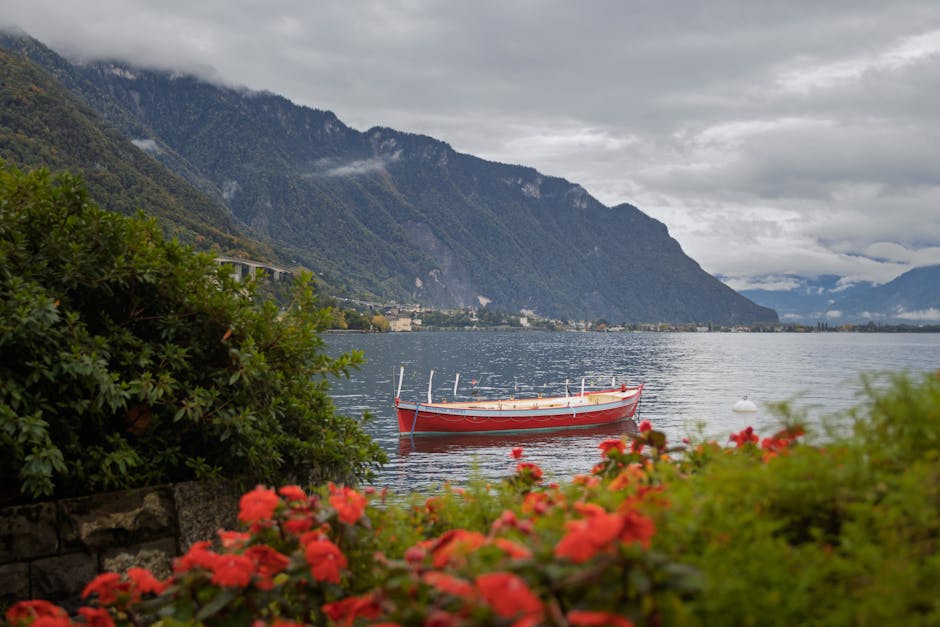
Uncover Geneva’s secrets on this self-guided walk through the Old Town’s historic streets, from the Reformation Wall to medieval cathedrals.
 Easy
EasyGeneva, Switzerland
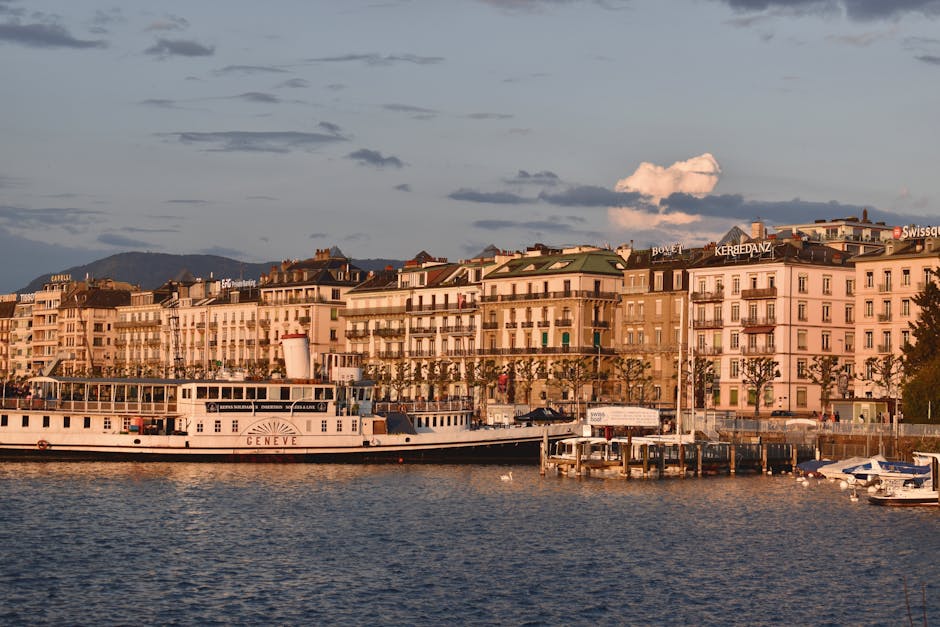
Discover the Mediterranean soul of Geneva. Explore Carouge’s Sardinian architecture, artisan workshops, and hidden gardens on this self-guided walk.
 Easy
EasyNairobi, Kenya
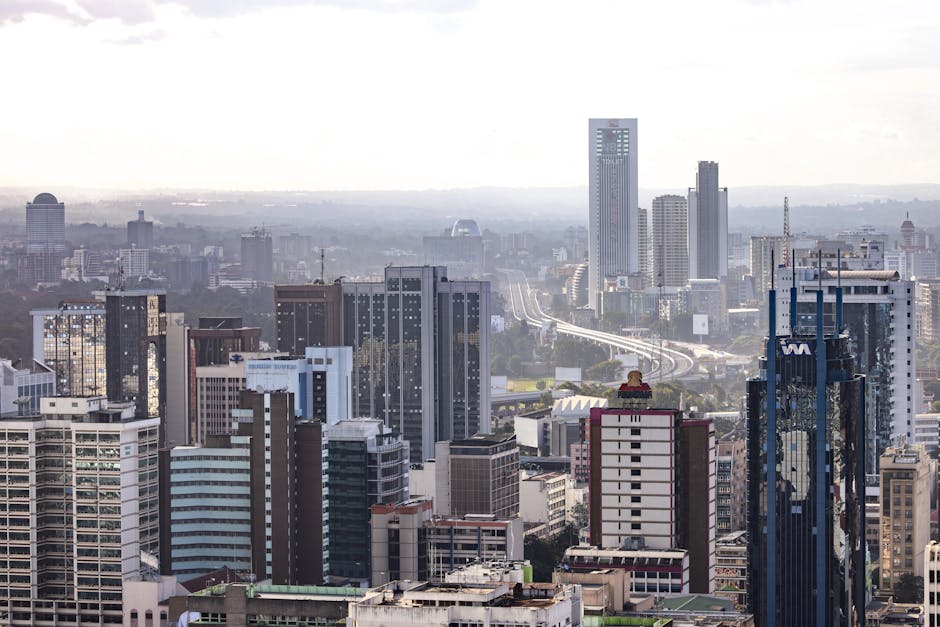
Explore Nairobi's architectural evolution from colonial-era landmarks to iconic Brutalist skyscrapers on this historic self-guided walking route.
 Easy
EasyNairobi, Kenya
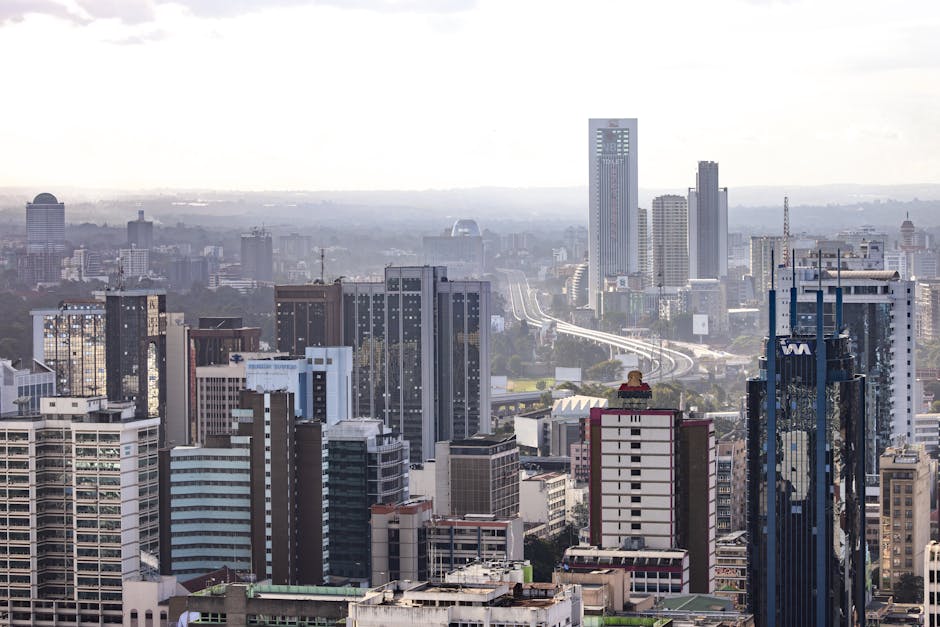
Discover Nairobi's iconic skyline on this self-guided architecture walk through the CBD’s most famous modernist and Brutalist landmarks.
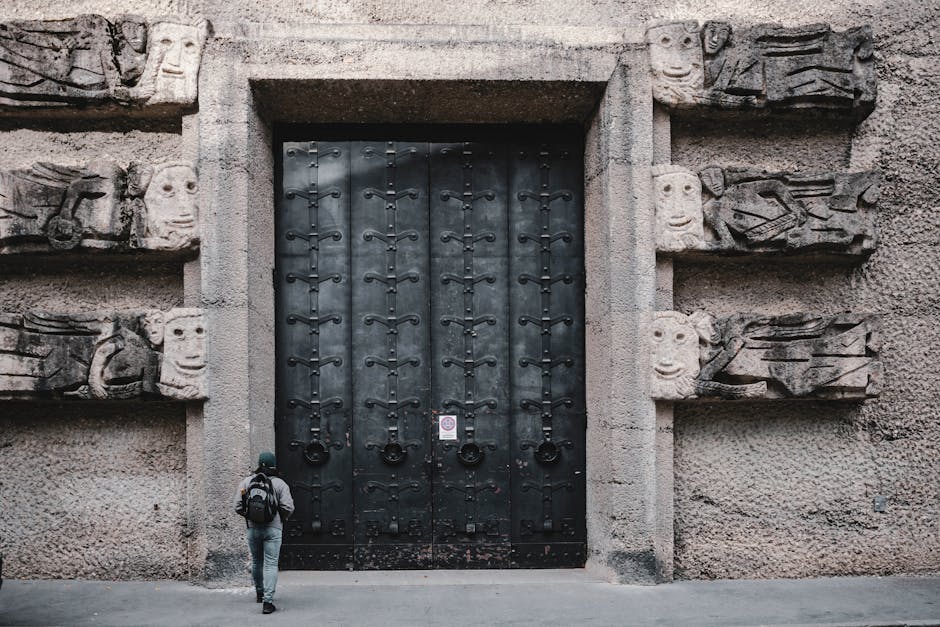 Easy
EasySalzburg, Austria
Discover the 'Rome of the North' on this self-guided walk through the Baroque squares and monumental legacy of Salzburg’s Prince-Archbishops.
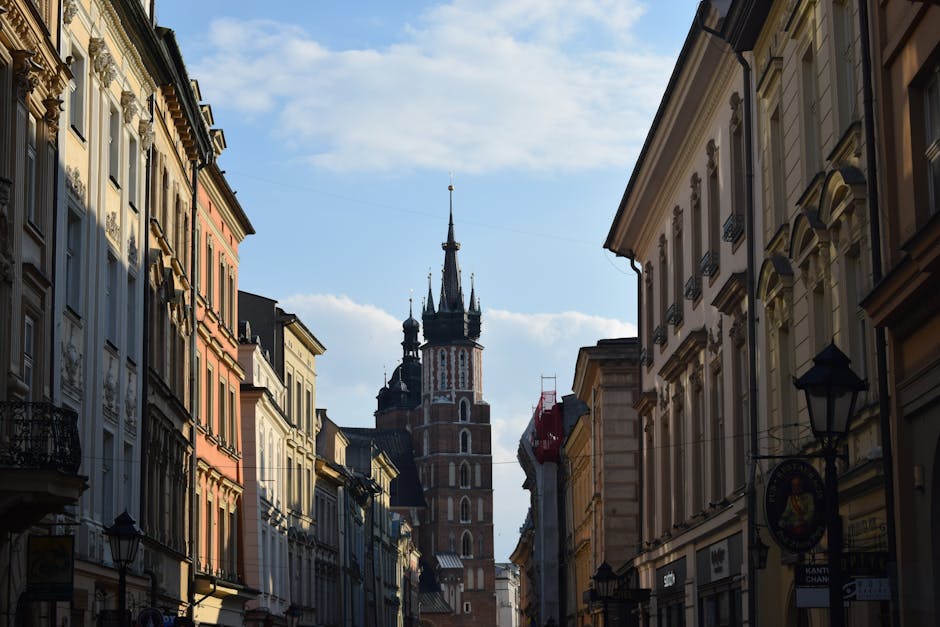 Easy
EasyKrakow, Poland
Uncover Krakow's legendary past on this self-guided walk from literary monuments to the fire-breathing Wawel Dragon.
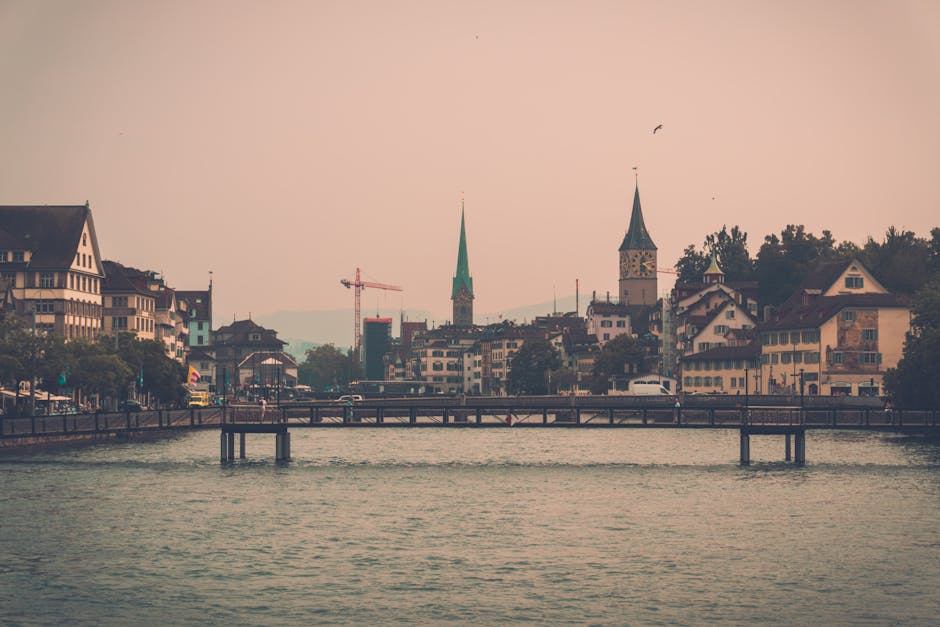 Moderate
Zurich, Switzerland
Follow the footsteps of Einstein and James Joyce on a self-guided walk through Zurich's intellectual and literary heart.
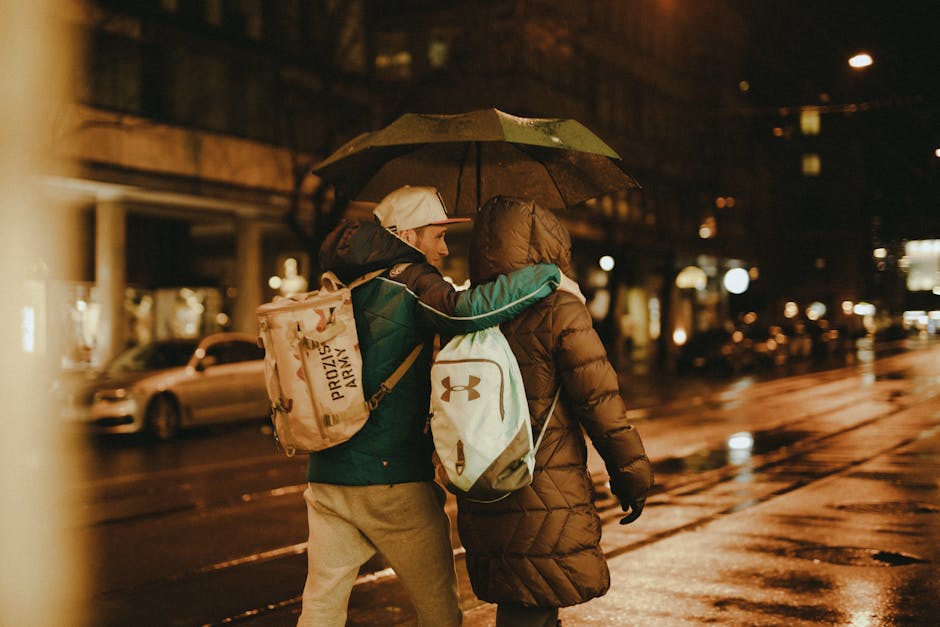 Easy
EasyZurich, Switzerland
Explore Zurich's edgy side on this self-guided walk through Langstrasse, from red-light history to contemporary art and vibrant nightlife.
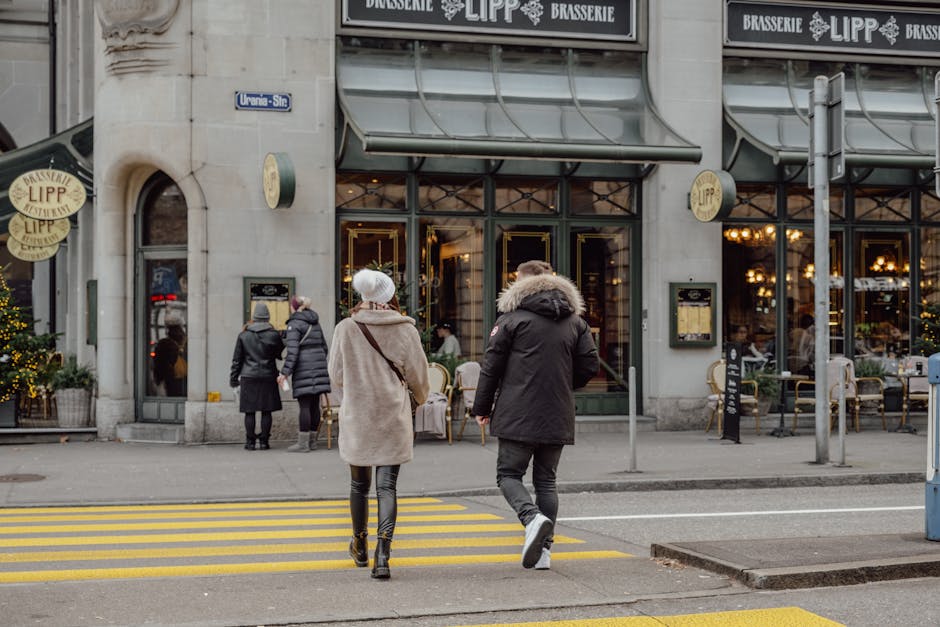 Moderate
Zurich, Switzerland
Explore Zurich's most breathtaking panoramas and hidden photography spots on this self-guided walking route through the historic city center.
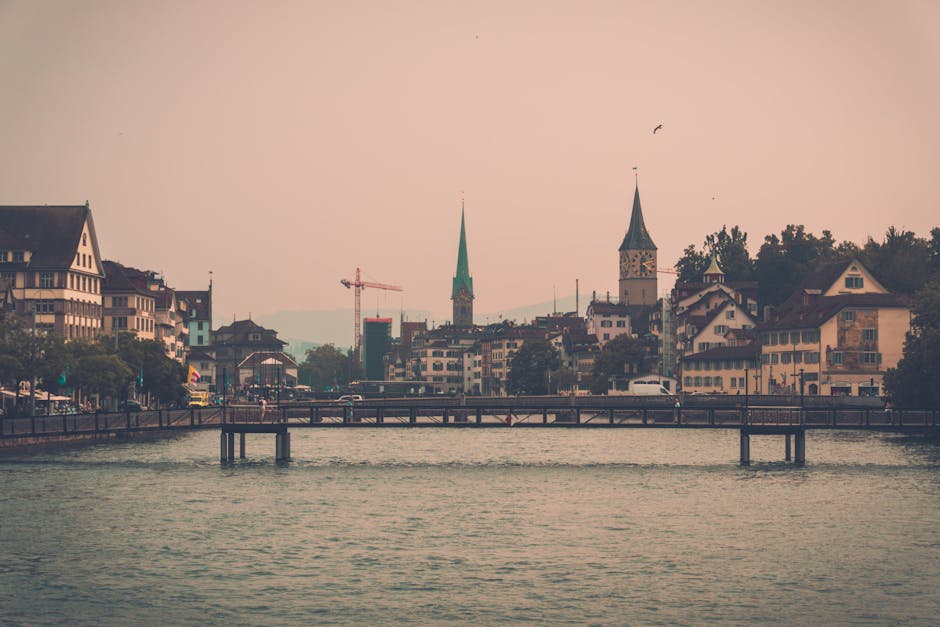 Easy
EasyZurich, Switzerland
Discover Zurich's medieval heart, from Dadaist rebels to Reformation history, on this atmospheric self-guided audio walk through the Altstadt.