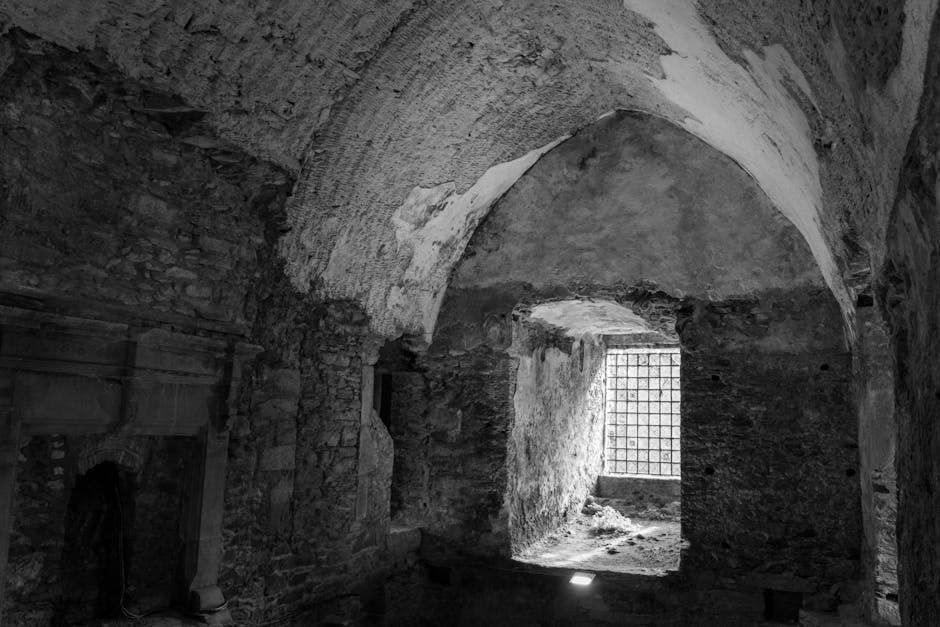
Self-guided audio tour in Cork
Start Free on iPhone
Start free on iPhone to unlock this self-guided walking tour in Cork. Hear all the stories that make it amazing, walk at your own pace, and begin whenever you want.
Your Private Tour Guide
Cork, often called Ireland's "Rebel City," is a place where the past isn't just remembered; it's built into the very limestone and sandstone of the streets. This self-guided walk through the South Parish offers an intimate look at the city's evolution from a medieval monastic settlement to a bustling merchant hub. As you explore independently, you will encounter the architectural layers that define Cork, from the skeletal remains of 14th-century abbeys to the soaring, ornate spires of the Gothic Revival. The journey begins at Parliament Bridge, a graceful entry point that sets the stage for the neighborhood’s character. This route is particularly special because it bridges the gap between different eras of Irish history. You can stand in the shadow of the Red Abbey Tower, the only remaining structure from medieval Cork, and then walk just a few minutes to Nano Nagle Place, where 18th-century social reform changed the lives of the city's poor. The South Parish is a neighborhood of resilience and artistic expression, making it a highlight for any walking tour Cork enthusiast. One of the most striking experiences on this walking route is the ascent to the ramparts of Elizabeth Fort. From here, the city unfolds in a panoramic display of rooftops and church towers. The walk culminates at Saint Fin Barre’s Cathedral, a masterpiece of French Gothic architecture designed by William Burges. Every inch of this cathedral, from its floor mosaics to its "Golden Angel" perched high above the apse, tells a story of craftsmanship and faith. This neighborhood stroll is perfect for those who want to discover Cork’s soul at their own pace, moving away from the main shopping thoroughfares into the quiet, storied lanes where the city's true history resides. Whether you are interested in the military history of the forts or the peaceful gardens of local convents, this route provides a comprehensive overview of the architectural heritage that makes Cork unique.
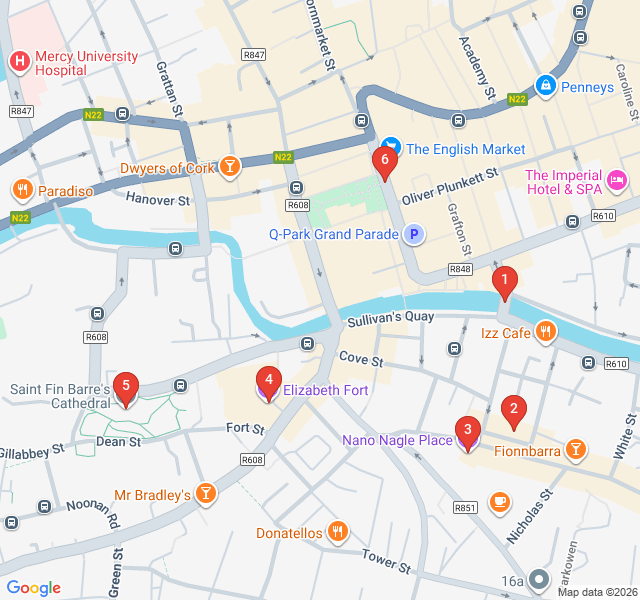
Numbers indicate the order of stops on the tour.
Begin your exploration at Parliament Bridge, one of Cork's most elegant river crossings. Completed in 1806, this bridge is a fine example of Georgian engineering, featuring a single graceful arch of local limestone. It was named in honor of the Irish Parliament, which had been abolished by the Act of Union just years before the bridge's completion. As you stand here, look toward the South Parish. This bridge served as a vital link connecting the old medieval core of the city with the expanding 18th-century suburbs. The bridge's classical symmetry and the way it frames the view of the River Lee make it a favorite spot for photographers and a perfect introduction to the architectural journey ahead.
Tucked away behind modern buildings lies the Red Abbey Tower, the oldest standing structure in Cork. This 14th-century bell tower is all that remains of an Augustinian friary. The abbey gets its name from the reddish sandstone used in its construction. During the Siege of Cork in 1690, the tower played a strategic role as a vantage point for John Churchill, the Duke of Marlborough, as his forces attacked the city walls. Today, it stands as a silent witness to over seven centuries of history, surviving fires, urban development, and war. It is a rare physical link to the medieval city that once existed on these marshy islands.
Welcome to Nano Nagle Place, a site dedicated to one of Cork’s most influential figures. In the 18th century, Nano Nagle defied the Penal Laws—which forbade the education of Catholics—by opening secret schools across the city. She became known as the 'Lady of the Lantern' for her nightly walks through the slums to visit the sick. This beautifully restored complex includes the 1771 convent she founded, a heritage center, and peaceful walled gardens. The architecture here reflects the transition from secret, humble beginnings to a grand educational institution. It is a place of quiet reflection that tells a powerful story of social justice and resilience in the face of oppression.
Perched on a limestone outcrop, Elizabeth Fort is a 17th-century star-shaped fortification. Originally built in wood during the reign of Elizabeth I, it was later rebuilt in stone to protect the city and, more importantly, to keep the rebellious citizens of Cork in check. Over the centuries, it has served as a military base, a prison for those awaiting transportation to Australia, and even a police station. Walk along the ramparts for some of the best views in the city, where you can see the contrasting heights of the Shandon Bells to the north and the spires of St. Fin Barre's to the west. The fort’s thick walls and defensive bastions offer a tangible connection to Cork’s military past.
Rising majestically over the site where Cork’s patron saint founded a monastery in the 7th century, this cathedral is a masterpiece of French Gothic Revival. Designed by William Burges and completed in 1879, no expense was spared on its intricate decoration. Look up to see the 'Golden Angel' on the eastern gable; local legend says it will blow its trumpet to signal the end of the world. The exterior is adorned with hundreds of sculptures depicting biblical scenes, while the interior features stunning mosaics and stained glass. The cathedral is a triumph of 19th-century craftsmanship, intended to be a 'sermon in stone.' It remains one of the most significant ecclesiastical buildings in Ireland.
Finish your walk at the Grand Parade, a wide thoroughfare that marks the boundary of the medieval city. This area was once a channel of the River Lee where merchant ships would dock. Today, it is a vibrant public space. Notice the Berwick Fountain in the center, a mid-19th century landmark. To one side, you can see the Bishop Lucey Park, which contains a preserved section of the original medieval city walls. This spot perfectly captures the spirit of modern Cork—a place where history is integrated into the daily bustle of city life, located just steps away from the famous English Market and the city's main shopping districts.
Start Free on iPhone
Explore “Gothic Spires and Medieval Lanes” with your very own Private Tour Guide with Zigway. Start free on iPhone, skip the large group and the fixed routes, and hear the city come alive as you go.
Your Private Tour Guide
Don't miss the good stuff
Explore Freely
 Easy
EasyCork, Ireland
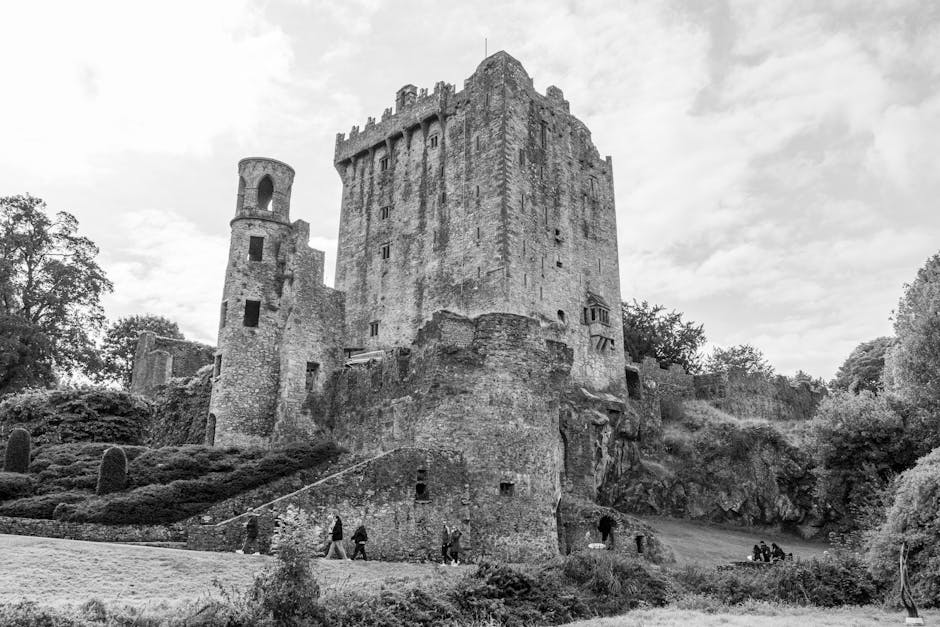
Explore the architectural evolution of Cork on this self-guided walk across the iconic bridges of the River Lee's North and South channels.
 Easy
EasyCork, Ireland
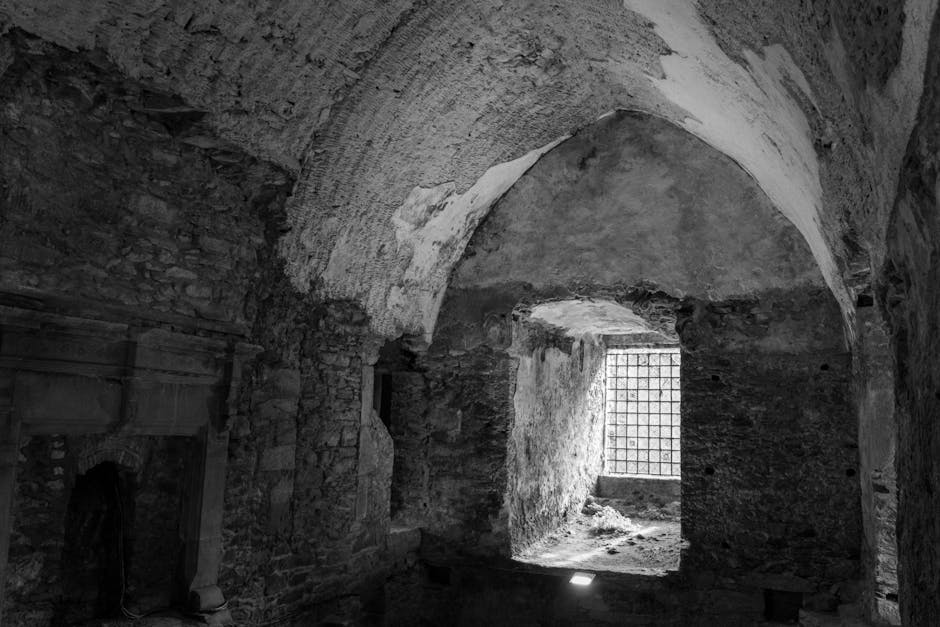
Discover Cork’s literary heart on this self-guided walk through historic libraries, iconic bookshops, and academic landmarks.
 Easy
EasyCork, Ireland
Explore the scenic River Lee, the iconic Shakey Bridge, and the historic Gothic architecture of University College Cork on this peaceful stroll.
 Easy
EasyCork, Ireland
Explore Cork's vibrant urban gallery with this self-guided walk through the Ardú Street Art Trail's massive murals.
 Easy
EasyKrakow, Poland
Explore the prestigious Jagiellonian University district, featuring Neo-Gothic architecture, Baroque churches, and Krakow's hidden scholarly gems.
 Easy
EasyKrakow, Poland
Explore the historic heart of Kazimierz on this self-guided walk through synagogues, ancient cemeteries, and vibrant squares.
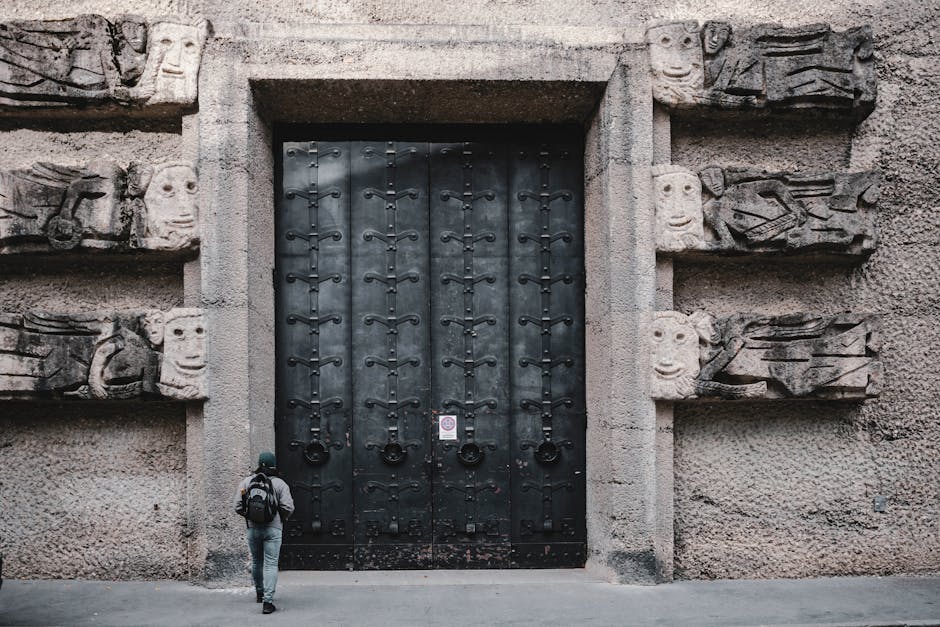 Easy
EasySalzburg, Austria
Discover the 'Rome of the North' on this self-guided walk through the Baroque squares and monumental legacy of Salzburg’s Prince-Archbishops.
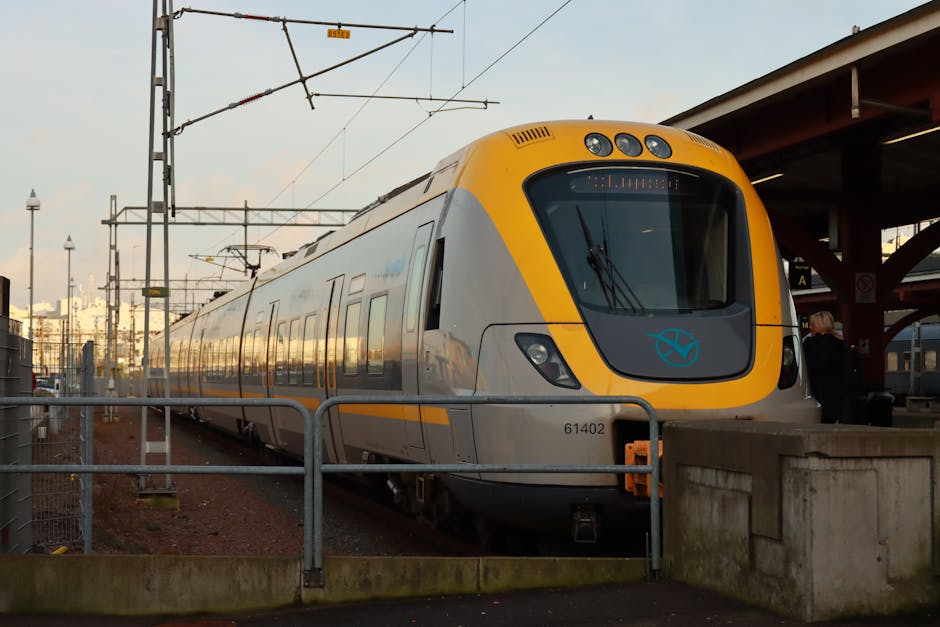 Easy
EasyGothenburg, Sweden
Discover Gothenburg’s 17th-century Dutch foundations, historic canals, and military fortifications on this self-guided architectural walk.
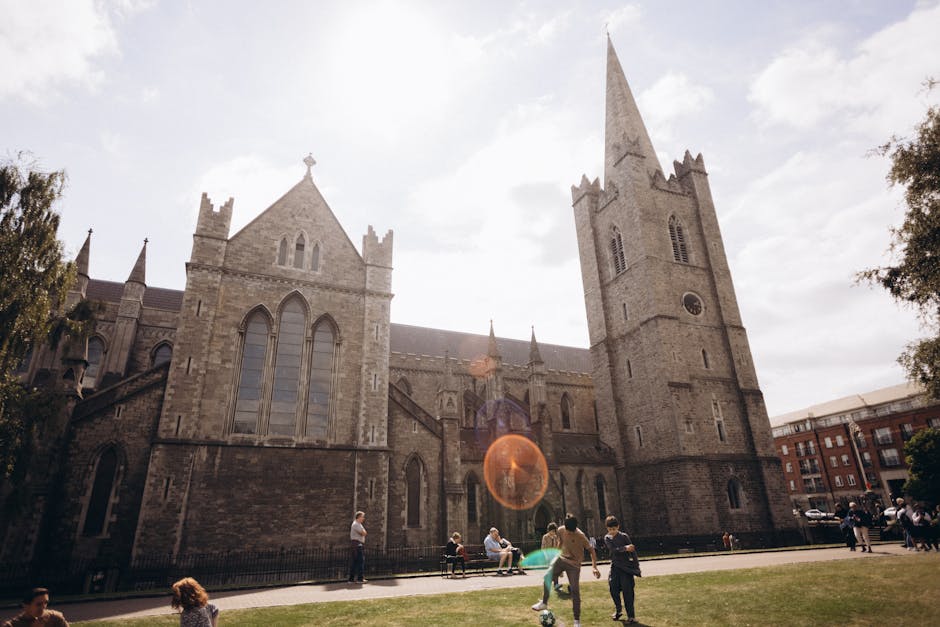 Easy
EasyDublin, Ireland
Explore Dublin's 'Silicon Docks' on this self-guided walk featuring futuristic bridges, famine history, and world-class modern architecture.
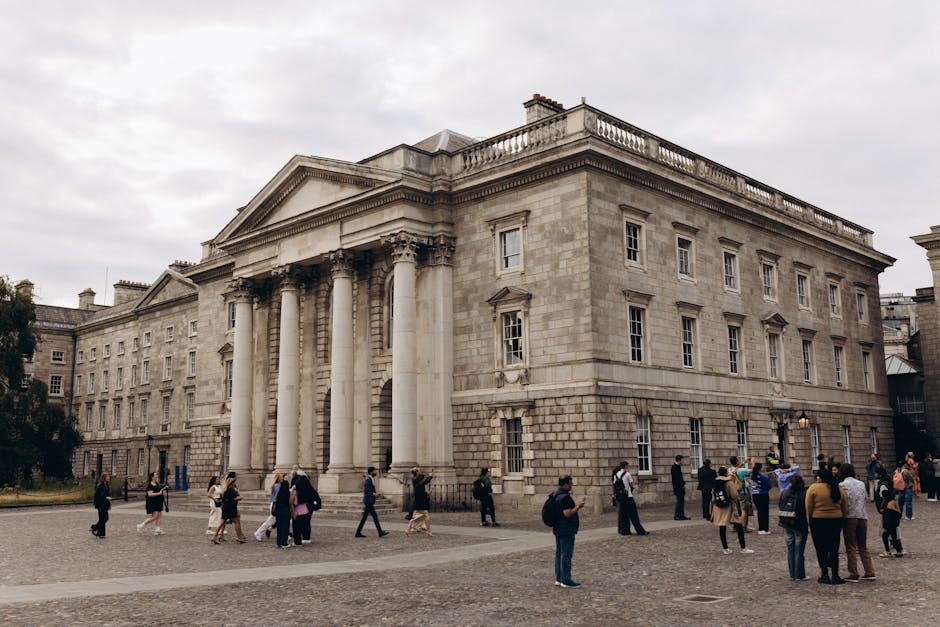 Moderate
Dublin, Ireland
Uncover Dublin’s macabre history on this self-guided walk featuring mummies, medieval rebels, and the city’s most infamous legends.
 Moderate
Dublin, Ireland
Discover Dublin's poetic waterways and modern docks on this self-guided walk through leafy canals and glass-fronted tech hubs.
 Easy
EasyDublin, Ireland
Explore Dublin's storied streets at your own pace on this self-guided literary walk, from Joyce’s statues to Wilde’s colorful memorial.