Self-guided audio tour in Dublin
Start Free on iPhone
Start free on iPhone to unlock this self-guided walking tour in Dublin. Hear all the stories that make it amazing, walk at your own pace, and begin whenever you want.
Your Private Tour Guide
Dublin’s Docklands, often referred to as 'Silicon Docks,' represents a striking fusion of Ireland’s maritime past and its high-tech future. This neighborhood stroll takes you through a landscape where 19th-century tobacco warehouses stand alongside glass-and-steel masterpieces designed by world-renowned architects like Santiago Calatrava and Daniel Libeskind. Exploring this area on a self-guided walk allows you to witness the city's dramatic evolution from a bustling industrial port to a global hub for innovation and culture. The route begins at the iconic Samuel Beckett Bridge, a structure that mimics the national symbol of Ireland—the harp—and stretches across the River Liffey. As you move along the North Wall Quay, you will encounter the Jeanie Johnston, a poignant reminder of the mid-19th century famine era, providing a sharp contrast to the surrounding modern skyscrapers. This walking route is perfect for those interested in contemporary architecture and urban regeneration. You will discover the CHQ Building, a restored 1820s warehouse that now serves as a vibrant social space, before crossing over to the south side of the river. Here, the atmosphere shifts to the high-energy Grand Canal Square, the heart of Dublin's tech scene. Whether you are a photography enthusiast looking for the perfect angle of the Bord Gáis Energy Theatre or a music lover seeking the legacy of U2 at Windmill Lane, this exploration captures the spirit of a city that is constantly reinventing itself. This walking tour Dublin experience highlights how the city balances its somber history with a bold, futuristic vision, making it a must-see for any modern traveler.
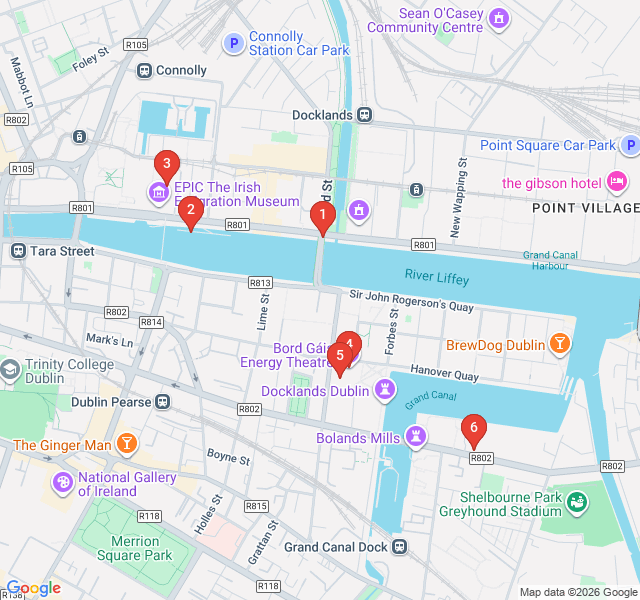
Numbers indicate the order of stops on the tour.
Begin your self-guided adventure at the Samuel Beckett Bridge, one of Dublin's most recognizable modern landmarks. Designed by the Spanish architect Santiago Calatrava, this cable-stayed bridge was opened in 2009. If you look at it from the side, you’ll notice it resembles a Celtic harp lying on its side—a nod to Ireland’s national symbol. The bridge is not just a piece of art; it is a feat of engineering that can rotate 90 degrees horizontally to allow ships to pass through. It serves as the gateway to the Docklands, connecting the traditional North Wall with the rapidly developing south side. Take a moment to appreciate how the white steel cables create a rhythmic pattern against the Dublin sky, a favorite subject for local photographers.
Just a short walk from the bridge, you will find the Jeanie Johnston. This is a faithful replica of the original three-masted barque that made 16 voyages to North America between 1848 and 1855, carrying thousands of Irish people fleeing the Great Famine. Remarkably, despite the treacherous conditions of the 'coffin ships' during that era, no lives were ever lost on the Jeanie Johnston. Standing here amongst the glass offices of global tech giants, the ship serves as a powerful reminder of Ireland's past struggles and the resilience of its people. It offers a stark, wooden contrast to the surrounding concrete and steel, marking the transition from the old maritime world to the new digital age.
The CHQ Building, originally known as Stack A, is a masterpiece of 19th-century industrial architecture. Built in 1820 as a tobacco and wine warehouse, it is famous for its vast vaulted brick cellars and intricate ironwork. In 1856, it hosted the 'Great Crimean Banquet' to celebrate the end of the Crimean War. Today, this space has been elegantly repurposed into a hub for food, shopping, and innovation. It also houses EPIC The Irish Emigration Museum. As you walk through, notice how the original cast-iron frames have been preserved and integrated with modern glass facades. It is a prime example of how Dublin breathes new life into its historic structures without losing their character.
Cross the Liffey to reach the Bord Gáis Energy Theatre, a stunning example of deconstructivist architecture designed by Daniel Libeskind. Opened in 2010, the building is characterized by its sharp angles, tilted glass planes, and dramatic stainless steel structures. The architect intended the building to act as a stage set for the square itself, with the glass facade allowing the public to see the movement of theater-goers inside. It is the largest fixed-seat theater in Ireland and has become a cornerstone of the city's cultural life. Even if you aren't catching a show, the building's exterior offers a wealth of geometric patterns and reflections that are a dream for architectural photography.
You are now standing in Grand Canal Square, the vibrant social heart of the Docklands. Designed by landscape architect Martha Schwartz, the square is famous for its 'red carpet'—a path made of bright red resin-glass paving that leads from the theater to the water's edge. Notice the tall red poles that light up at night, adding a playful, urban energy to the space. This area is surrounded by the headquarters of major tech companies, earning it the nickname 'Silicon Docks.' It’s a fantastic spot to people-watch and soak in the atmosphere of modern, cosmopolitan Dublin. The square perfectly illustrates the city’s shift toward pedestrian-friendly, high-design public spaces.
Conclude your walk at Windmill Lane Recording Studios. While the original 'U2 walls' were located a few blocks away, the spirit and legacy of the studios continue here. This facility has hosted legendary artists including U2, The Rolling Stones, Sinead O'Connor, and Lady Gaga. The Docklands has a long-standing connection to the Irish music scene, and this studio remains one of the most technologically advanced recording spaces in the world. As you stand in this quiet corner of the Docklands, you are at the intersection of Dublin's creative and technological industries. This area's transformation from a derelict port to a world-class creative district is now complete.
Start Free on iPhone
Explore “Docklands Innovation: Modern Dublin” with your very own Private Tour Guide with Zigway. Start free on iPhone, skip the large group and the fixed routes, and hear the city come alive as you go.
Your Private Tour Guide
Don't miss the good stuff
Explore Freely
 Moderate
Dublin, Ireland
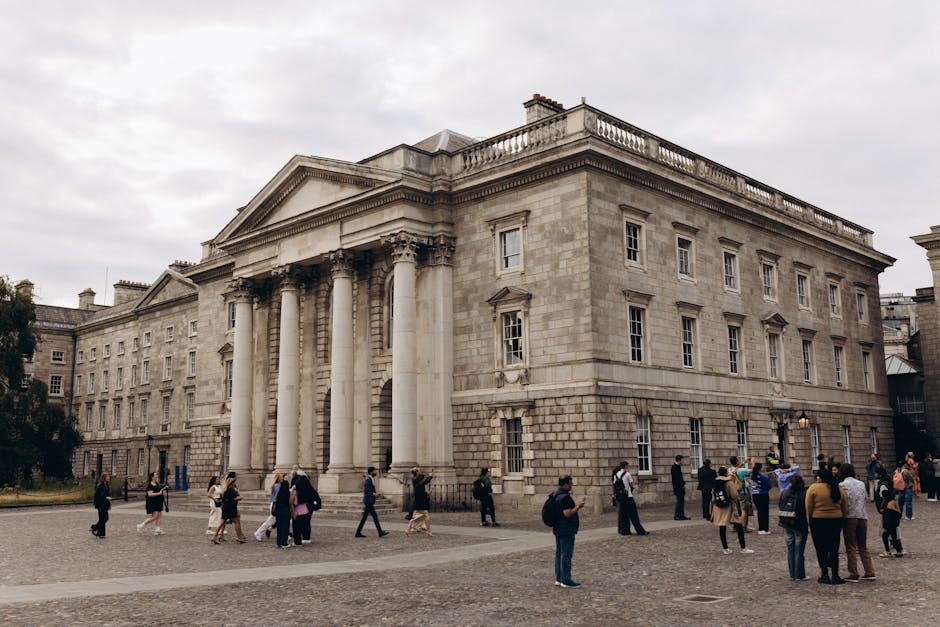
Uncover Dublin’s macabre history on this self-guided walk featuring mummies, medieval rebels, and the city’s most infamous legends.
 Moderate
Dublin, Ireland
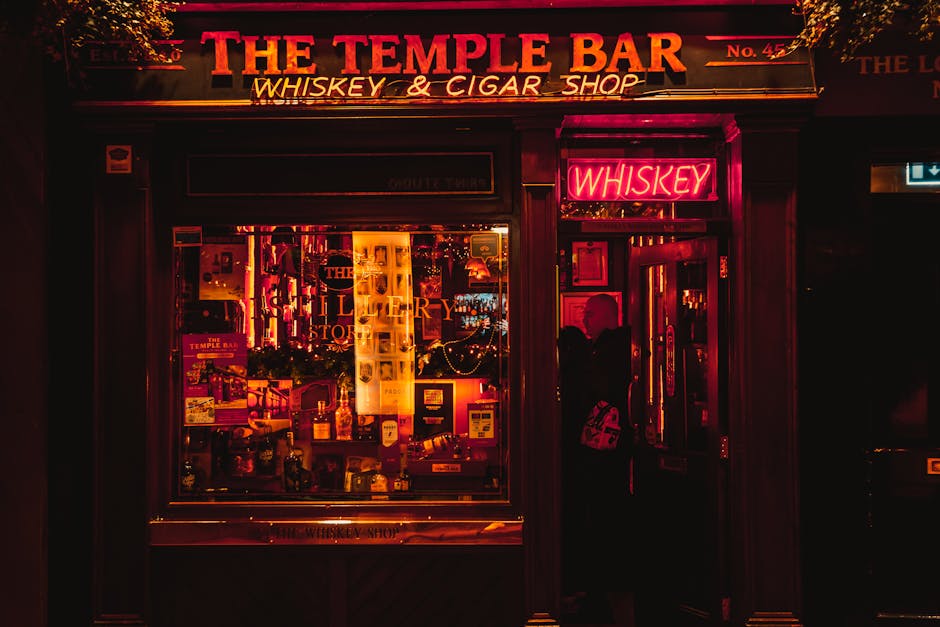
Discover Dublin's poetic waterways and modern docks on this self-guided walk through leafy canals and glass-fronted tech hubs.
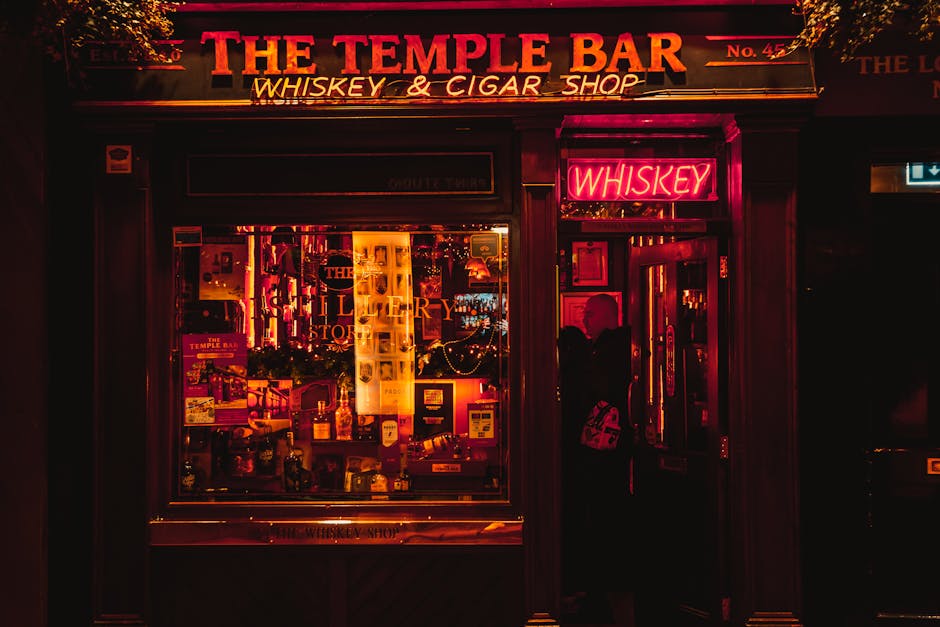 Easy
EasyDublin, Ireland
Explore Dublin's storied streets at your own pace on this self-guided literary walk, from Joyce’s statues to Wilde’s colorful memorial.
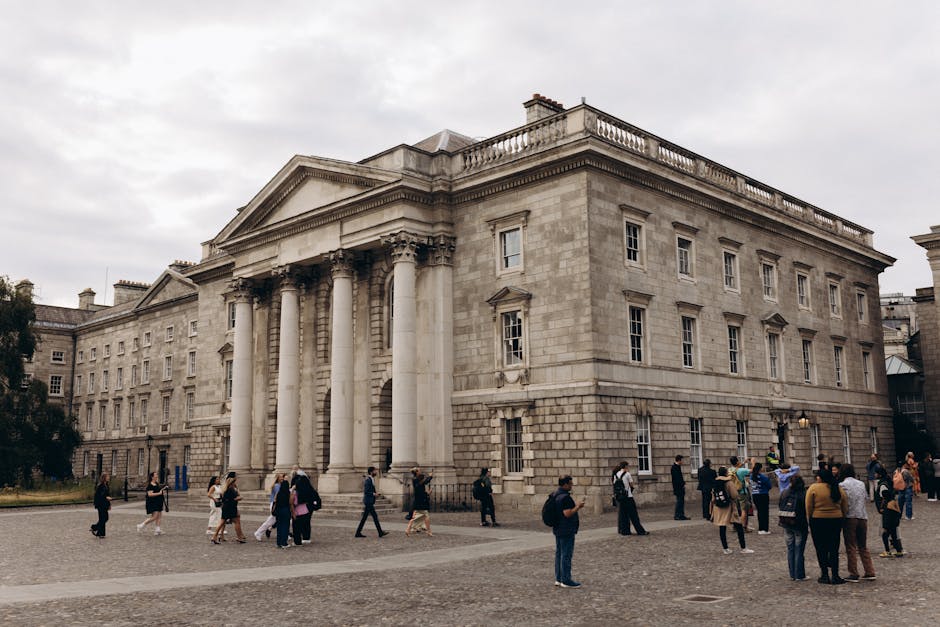 Easy
EasyDublin, Ireland
Explore the sites of the 1916 Easter Rising at your own pace. Walk the path of rebels from the GPO to the final surrender on Moore Street.
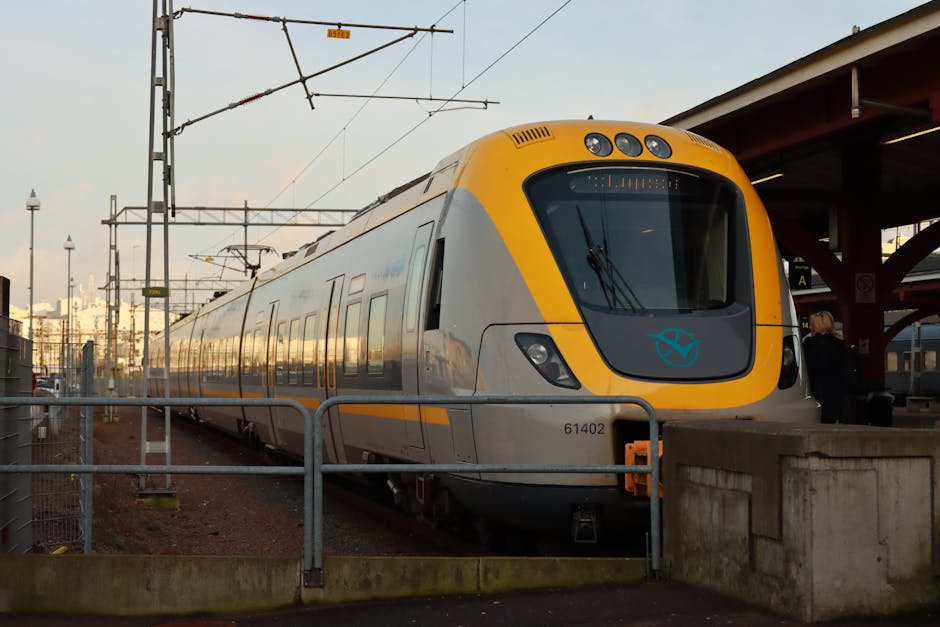 Easy
EasyGothenburg, Sweden
Explore Gothenburg's maritime soul on this self-guided walk from historic shipyards to sleek modern piers and iconic industrial landmarks.
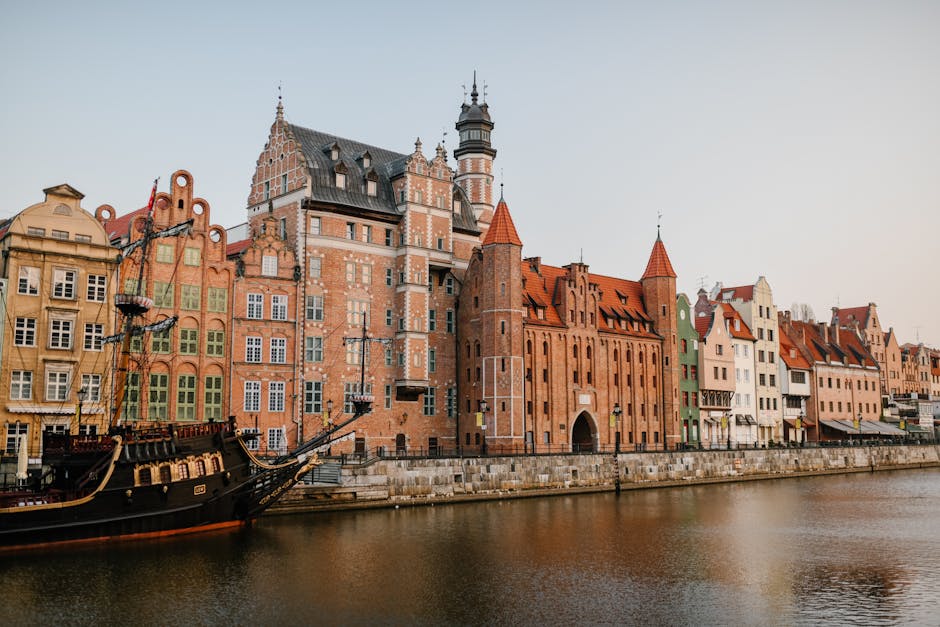 Easy
EasyGdansk, Poland
Discover the 'Baltic Gold' on this self-guided walk through Gdansk's historic mills, massive cathedrals, and the magical Mariacka Street.
 Easy
EasyHelsinki, Finland
Discover Helsinki's oldest neighborhood on this self-guided audio walk through Kruununhaka’s historic streets, hidden courtyards, and scenic shores.
 Easy
EasyKrakow, Poland
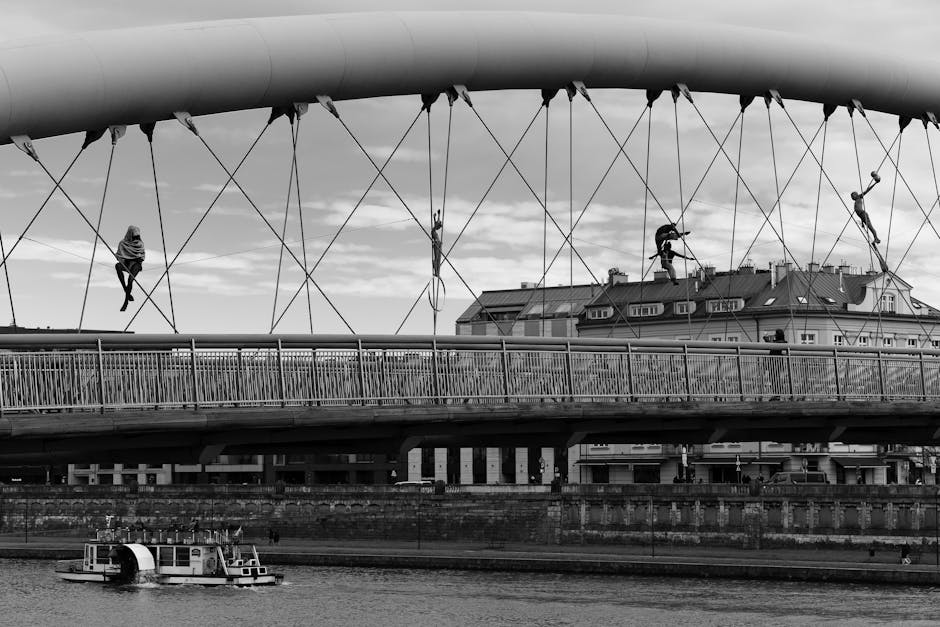
Discover Krakow’s creative soul in Zabłocie, exploring industrial heritage, contemporary art museums, and avant-garde architecture at your own pace.
 Easy
EasyGalway, Ireland
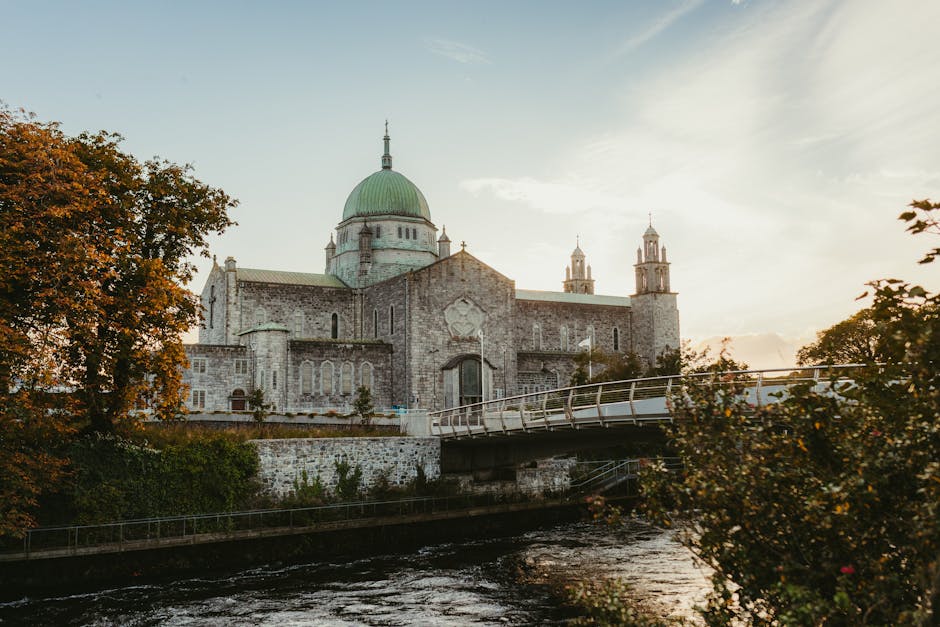
Explore Galway’s literary soul on this self-guided walk through historic bookshops, legendary theaters, and the haunts of Joyce and Wilde.
 Easy
EasyGalway, Ireland
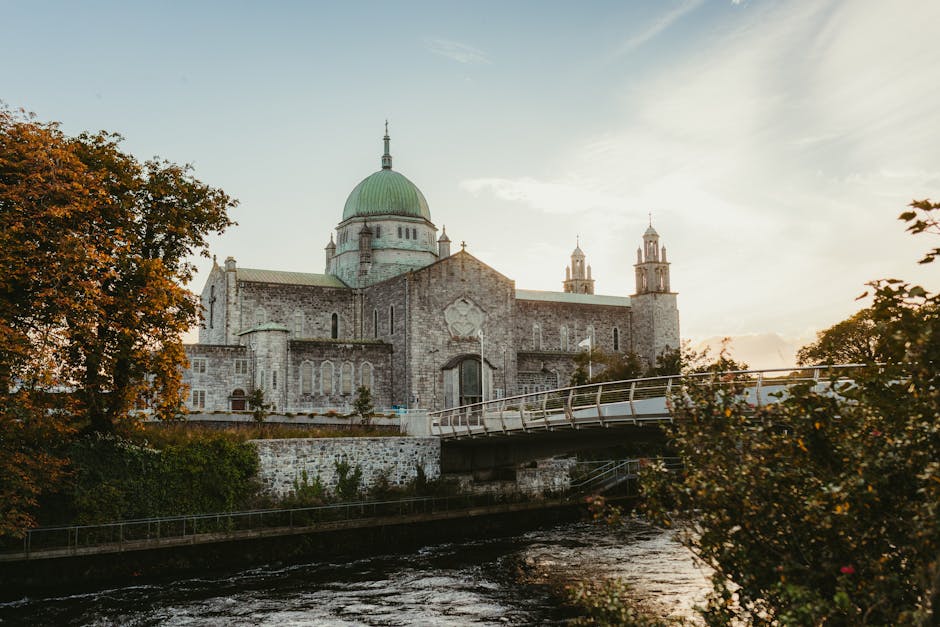
Explore Galway’s vibrant street art, contemporary galleries, and scenic photography spots on this independent neighborhood stroll.
 Easy
EasyGalway, Ireland
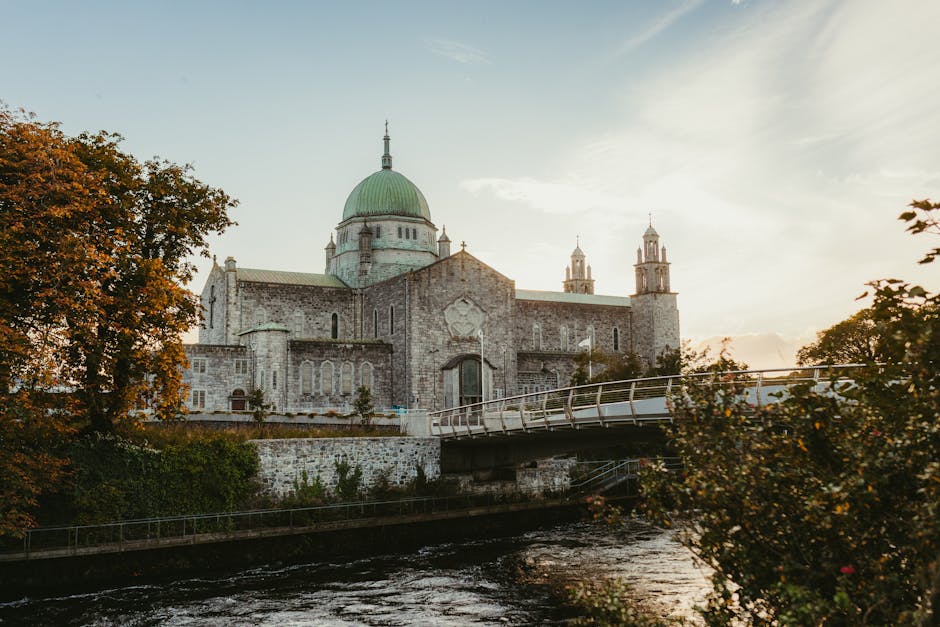
Capture Galway's most iconic views on this self-guided stroll through the Claddagh and along the vibrant Long Walk.
 Easy
EasyGalway, Ireland
Explore Salthill’s iconic promenade, discover local traditions, and enjoy stunning Atlantic views on this refreshing self-guided seaside walk.