Self-guided audio tour in Dublin
Start Free on iPhone
Start free on iPhone to unlock this self-guided walking tour in Dublin. Hear all the stories that make it amazing, walk at your own pace, and begin whenever you want.
Your Private Tour Guide
Step back into the 18th century and immerse yourself in the elegance of the 'Golden Age' with this self-guided walk through Dublin’s aristocratic heart. This neighborhood stroll captures the essence of Georgian Dublin, a period when the city was the second-largest in the British Empire and its streets were a canvas for neoclassical symmetry and refined living. As you explore the area around Dublin 2, you will encounter the perfectly preserved squares and grand townhouses that defined the era's social and architectural hierarchy. This walking route is designed for those who appreciate the finer details: the intricate wrought-iron railings, the delicate glass fanlights, and, of course, the iconic colorful doors that have become a symbol of the city. Beyond the facades, you will discover the green lungs of the city, where the elite once paraded in their finest attire. This self-guided adventure begins at the majestic Merrion Square, home to some of the finest examples of Georgian architecture and the famous statue of Oscar Wilde. From there, the route takes you past cultural institutions and government seats that still operate within these historic shells. You will wander through St. Stephen’s Green, a Victorian masterpiece surrounded by Georgian grandeur, and finish your journey on Fitzwilliam Place, part of the longest continuous stretch of Georgian architecture in Europe. Whether you are an architecture enthusiast, a history buff, or a photography lover looking for that perfect 'Dublin Door' shot, this walking tour Dublin offers a flexible and deeply informative way to see the city's most prestigious district. Discover at your own pace how the Wide Streets Commission transformed a medieval settlement into a modern European capital of light and order. This is more than just a walk; it is an invitation to witness the enduring legacy of Irish craftsmanship and the sophisticated urban planning that makes Dublin 2 an architectural treasure trove.
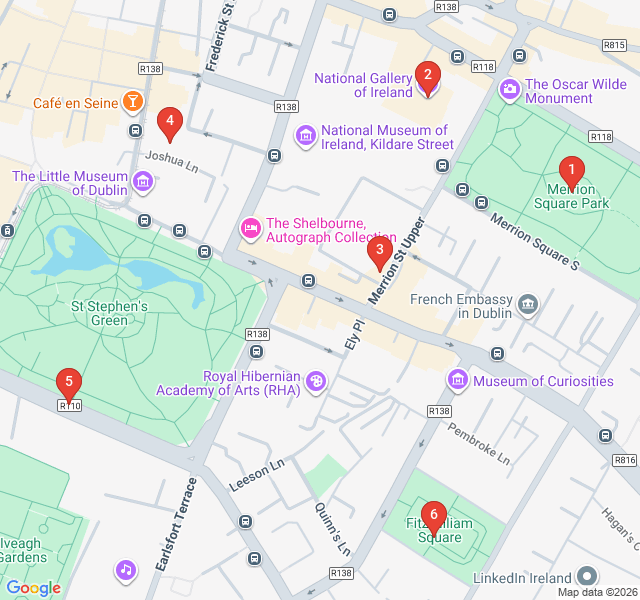
Numbers indicate the order of stops on the tour.
Welcome to the heart of Georgian Dublin. Merrion Square was laid out in 1762 and quickly became the most fashionable address in the city. As you look around, notice the uniform red-brick facades and the rhythmic placement of windows, designed to create a sense of perfect order. This park was once private, accessible only to the wealthy residents of the surrounding houses. Today, it is famous for the vibrant statue of Oscar Wilde, who lived at Number 1 Merrion Square. Take a moment to admire the 'Dublin Doors' here; legend says they were painted bright colors so that residents could distinguish their homes after a long night at the pub, though the true reason likely lies in 19th-century rebellion against strict architectural codes.
As you move toward Clare Street, you encounter the National Gallery of Ireland. Opened in 1864, the building itself is a masterpiece of Victorian design, though it sits seamlessly within the Georgian context of the neighborhood. The gallery holds a world-class collection of European and Irish art, but even from the outside, the Portland stone facade speaks to the civic pride of the era. This area was the cultural hub of the 19th century, connecting the residential squares with the centers of learning and government. The architecture here transitions from the domestic scale of townhouses to the monumental scale of public institutions, reflecting Dublin's growth as a major European capital.
Standing here on Upper Merrion Street, you are looking at part of the massive complex of Government Buildings. Completed in 1911, this was actually the last major building project by the British administration in Ireland. It was originally intended as the Royal College of Science, but its Edwardian Baroque style—a grander, more ornate evolution of the Georgian aesthetic—was designed to impress. Notice the large dome and the intricate carvings. This site represents the transition of Dublin from a colonial administrative center to the seat of an independent Irish government. The scale of the columns and the heavy stonework provide a stark contrast to the simpler, more domestic Georgian houses you saw earlier.
Located on Dawson Street, the Mansion House has been the official residence of the Lord Mayor of Dublin since 1715. It is unique for being the only mayoral residence in Ireland or the UK that has been in continuous use for over 300 years. While the exterior was given a Victorian 'makeover' with stucco and embellishments, the core of the building is pure Georgian. This house has witnessed some of the most pivotal moments in Irish history, including the first meeting of the Dáil Éireann (the Irish Parliament) in 1919. Its presence here marks the shift of the city’s social center from the north side of the River Liffey to the south side during the 1700s.
St. Stephen's Green is the crown jewel of Dublin's public parks. Originally a marshy common used for grazing and even public executions, it was enclosed in 1663. However, the lush Victorian layout you see today was a gift to the city from Lord Ardilaun (of the Guinness family) in 1880. As you stroll the paths, look at the grand houses lining the perimeter. These 'palaces' were the height of luxury. The Green served as a battlefield during the 1916 Easter Rising; remarkably, both sides famously ceased fire every day so that the park ranger could feed the ducks. It remains a peaceful sanctuary where the city's Georgian history meets its modern vibrant life.
You are now standing on Fitzwilliam Place, which forms part of what is often called the 'Georgian Mile.' This stretch is widely considered the longest and most intact sequence of Georgian houses in Europe. Look down the street to see the perfect alignment of the rooflines and the perspective of the doors. At number 2 and its neighbors, you can see the classic elements of the style: the semi-circular fanlights above the doors, which allowed light into the windowless hallways, and the boot scrapers at the steps, a reminder of the muddy streets of the 1700s. This is the ultimate spot for photography, capturing the quiet, dignified grandeur that defines the Dublin 2 neighborhood.
Start Free on iPhone
Explore “Georgian Splendor: Squares and Secret Doors” with your very own Private Tour Guide with Zigway. Start free on iPhone, skip the large group and the fixed routes, and hear the city come alive as you go.
Your Private Tour Guide
Don't miss the good stuff
Explore Freely
 Easy
EasyDublin, Ireland
Explore Dublin's 'Silicon Docks' on this self-guided walk featuring futuristic bridges, famine history, and world-class modern architecture.
 Moderate
Dublin, Ireland
Uncover Dublin’s macabre history on this self-guided walk featuring mummies, medieval rebels, and the city’s most infamous legends.
 Moderate
Dublin, Ireland
Discover Dublin's poetic waterways and modern docks on this self-guided walk through leafy canals and glass-fronted tech hubs.
 Easy
EasyDublin, Ireland
Explore Dublin's storied streets at your own pace on this self-guided literary walk, from Joyce’s statues to Wilde’s colorful memorial.
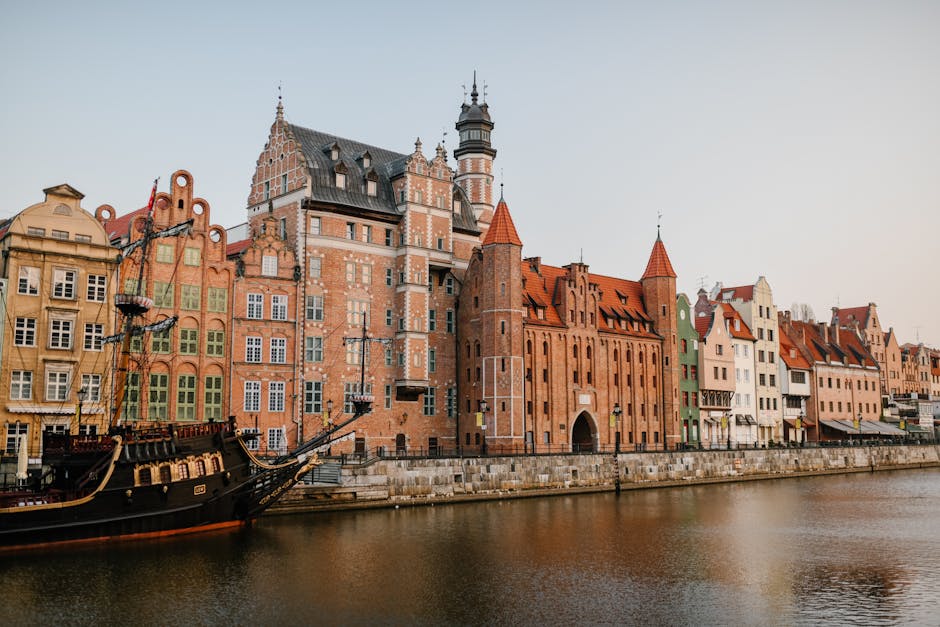 Easy
EasyGdansk, Poland
Discover the 'Baltic Gold' on this self-guided walk through Gdansk's historic mills, massive cathedrals, and the magical Mariacka Street.
 Easy
EasyNairobi, Kenya
Discover Nairobi's iconic skyline on this self-guided architecture walk through the CBD’s most famous modernist and Brutalist landmarks.
 Easy
EasyKrakow, Poland
Explore the historic heart of Kazimierz on this self-guided walk through synagogues, ancient cemeteries, and vibrant squares.
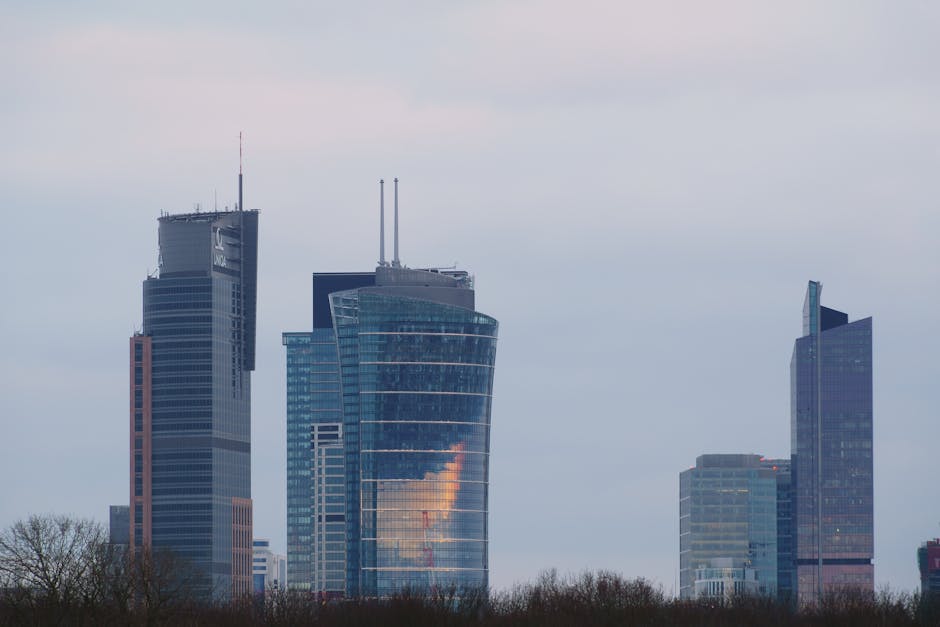 Easy
EasyWarsaw, Poland
Discover the hidden courtyards and grand pre-war architecture of Warsaw's most atmospheric neighborhood on this self-guided stroll.
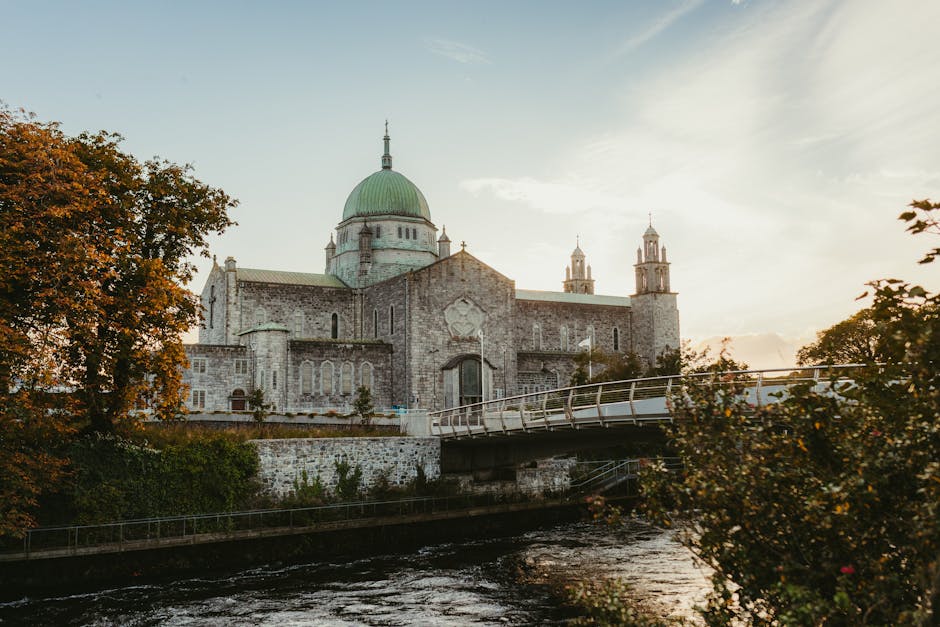 Easy
EasyGalway, Ireland
Explore Galway’s literary soul on this self-guided walk through historic bookshops, legendary theaters, and the haunts of Joyce and Wilde.
 Easy
EasyGalway, Ireland
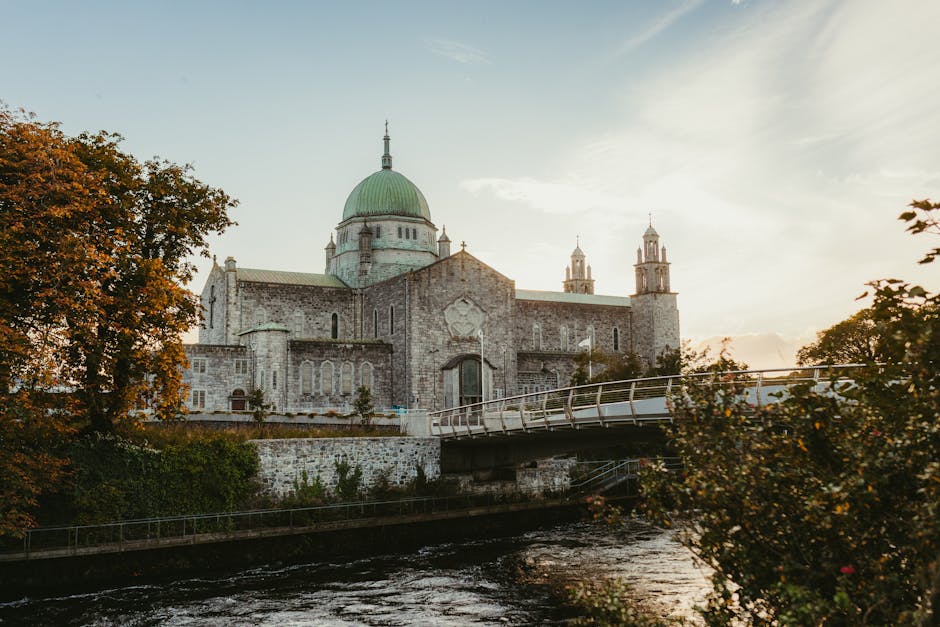
Explore Galway’s vibrant street art, contemporary galleries, and scenic photography spots on this independent neighborhood stroll.
 Easy
EasyGalway, Ireland
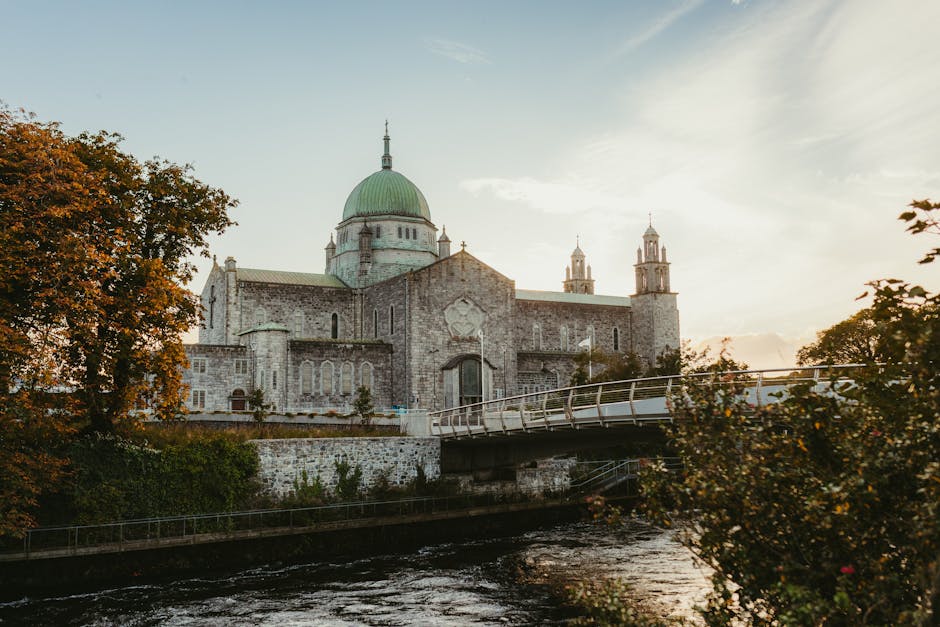
Capture Galway's most iconic views on this self-guided stroll through the Claddagh and along the vibrant Long Walk.
 Easy
EasyGalway, Ireland
Explore Salthill’s iconic promenade, discover local traditions, and enjoy stunning Atlantic views on this refreshing self-guided seaside walk.