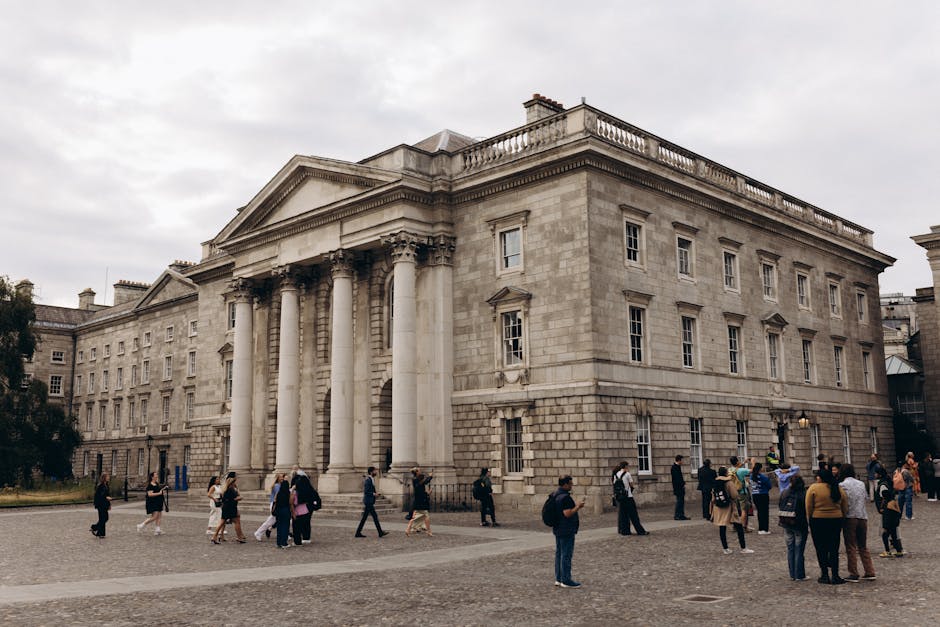
Self-guided audio tour in Dublin
Start Free on iPhone
Start free on iPhone to unlock this self-guided walking tour in Dublin. Hear all the stories that make it amazing, walk at your own pace, and begin whenever you want.
Your Private Tour Guide
Step back into the pivotal week of April 1916, when a small group of Irish rebels changed the course of history forever. This self-guided walk invites you to explore the bullet-scarred streets of Dublin's North City Centre, tracing the footsteps of the men and women who stood against the British Empire during the Easter Rising. Unlike a standard walking tour Dublin experience, this audio route allows you to linger at the sites of fierce barricade battles and quiet moments of surrender without the pressure of a group. You will begin at the General Post Office, the nerve center of the rebellion, where the Proclamation of the Irish Republic was first read to a bewildered public. From there, the route winds through the narrow lanes of Moore Street, where the leaders made their final, desperate stand. As you navigate the city, you will see how the events of Easter Week are etched into the very stones of the architecture, from the rebuilt facade of the Four Courts to the symbolic peace of the Garden of Remembrance. This walking route provides a deep dive into the political tensions, the military strategy, and the human stories of 1916. You will discover the role of the Irish Citizen Army at Liberty Hall and see where the fires of revolution literally illuminated the Dublin skyline. For those seeking a guided tour Dublin alternative that offers total flexibility, this neighborhood stroll provides the perfect blend of historical rigor and personal exploration. Whether you are a history buff or a first-time visitor, this journey through Dublin’s revolutionary past offers a profound understanding of how modern Ireland was born on these very street corners.
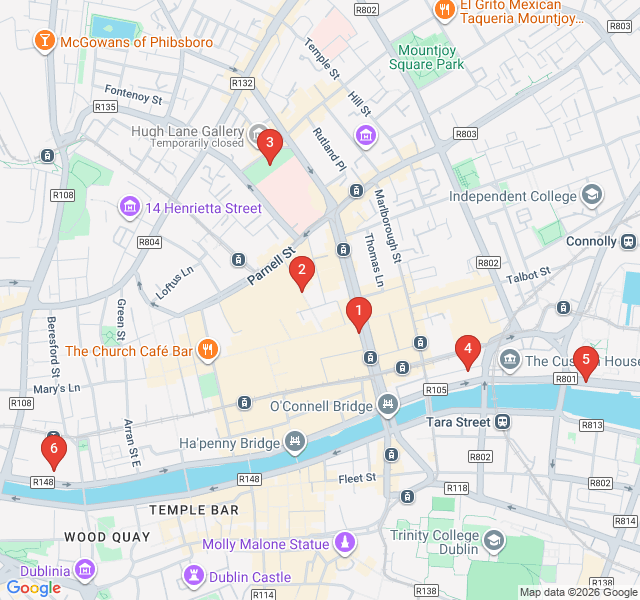
Numbers indicate the order of stops on the tour.
Standing before the grand Ionic columns of the GPO, you are looking at the heart of the 1916 Rising. On Easter Monday, Patrick Pearse stood outside these doors and read the Proclamation of the Irish Republic. Inside, the rebels established their headquarters, turning a center of communication into a fortress. If you look closely at the pillars today, you can still see the pockmarks left by British bullets and shrapnel. The building was eventually gutted by fire as the British used heavy artillery from the River Liffey. It remains a powerful symbol of Irish independence and a 'must-see' for anyone exploring Dublin’s revolutionary history.
As the GPO became an inferno, the rebel leaders realized they had to evacuate. They tunneled through the terrace of houses here on Moore Street, creating a makeshift headquarters in the final days of the Rising. It was here, in a small cottage, that the decision to surrender was finally made to prevent further loss of civilian life. Today, Moore Street is famous for its traditional street market, but it remains a site of immense historical controversy as activists fight to preserve these buildings as a national monument. Feel the contrast between the bustling market calls and the somber history of the 1916 surrender.
This peaceful sunken garden is dedicated to all those who gave their lives in the cause of Irish freedom. It is located on the site where several leaders of the 1916 Rising were held overnight after their surrender before being taken to Kilmainham Gaol. The central pool features a stunning mosaic of discarded weapons, following the ancient Celtic tradition of casting weapons into water after a battle. The dominant sculpture of the Children of Lir symbolizes rebirth and resurrection, reflecting the transition of Ireland from a colony to an independent nation. Take a moment here for quiet reflection away from the city noise.
Though the current building is a 1960s skyscraper, this site was originally the headquarters of the Irish Transport and General Workers' Union and the Irish Citizen Army. Led by James Connolly, the ICA was a socialist militia formed to protect workers. Before the Rising, a famous banner hung here that read: 'We serve neither King nor Kaiser, but Ireland.' Because of its significance, Liberty Hall was the first building targeted by the British gunboat, the Helga, which sailed up the Liffey to shell rebel positions. It stands as a testament to the labor movement’s crucial role in the fight for Irish independence.
The Custom House is an architectural masterpiece of the 18th century, designed by James Gandon. While it is often associated with the 1921 War of Independence—when it was burned to the ground in a massive IRA operation—it represents the administrative power the 1916 rebels sought to dismantle. Standing here by the Liffey, you can visualize the British naval presence during the Rising. The Helga was moored nearby, using its guns to bypass the rebel barricades and shell the city center. The building's meticulous restoration serves as a reminder of Dublin's resilience through decades of revolutionary conflict.
The Four Courts served as a major rebel stronghold during Easter Week, occupied by the 1st Battalion of the Irish Volunteers under Ned Daly. The heavy fighting in the surrounding Northside streets was some of the most intense of the week. However, the building is perhaps even more famous for its role in the subsequent Irish Civil War in 1922, when an explosion destroyed the Public Record Office housed here, vaporizing centuries of Irish genealogical history. As you look at the majestic dome, consider the layers of conflict this site has witnessed, from the idealistic Rising to the tragic divisions of the Civil War.
Start Free on iPhone
Explore “The 1916 Rising: Rebellion in the Streets” with your very own Private Tour Guide with Zigway. Start free on iPhone, skip the large group and the fixed routes, and hear the city come alive as you go.
Your Private Tour Guide
Don't miss the good stuff
Explore Freely
 Easy
EasyDublin, Ireland
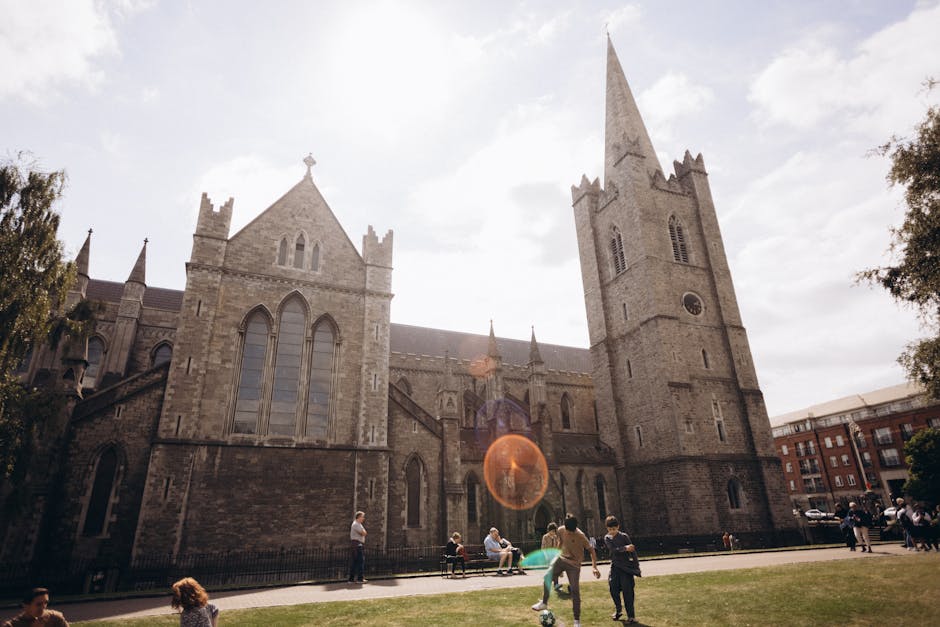
Explore Dublin's 'Silicon Docks' on this self-guided walk featuring futuristic bridges, famine history, and world-class modern architecture.
 Moderate
Dublin, Ireland
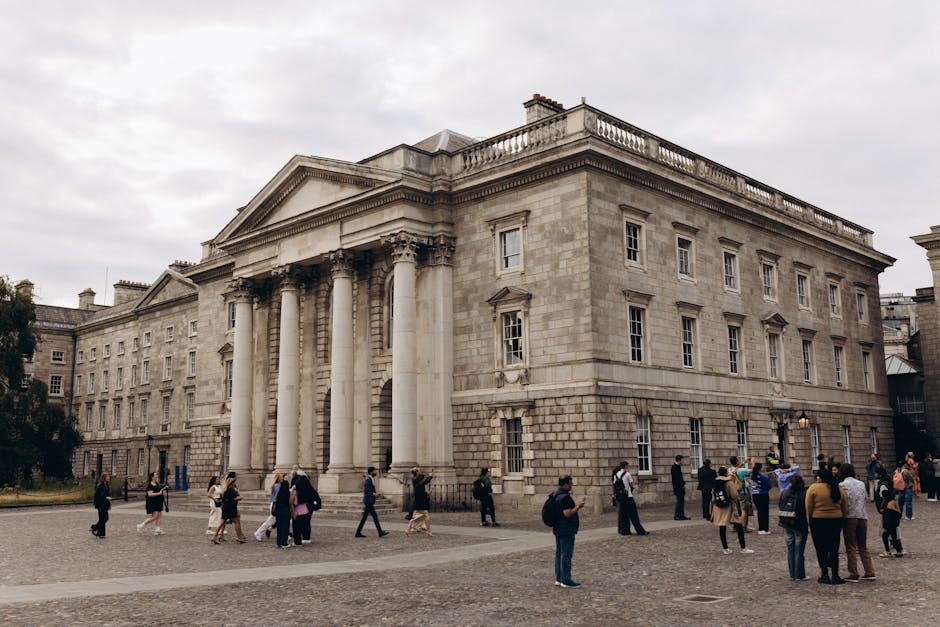
Uncover Dublin’s macabre history on this self-guided walk featuring mummies, medieval rebels, and the city’s most infamous legends.
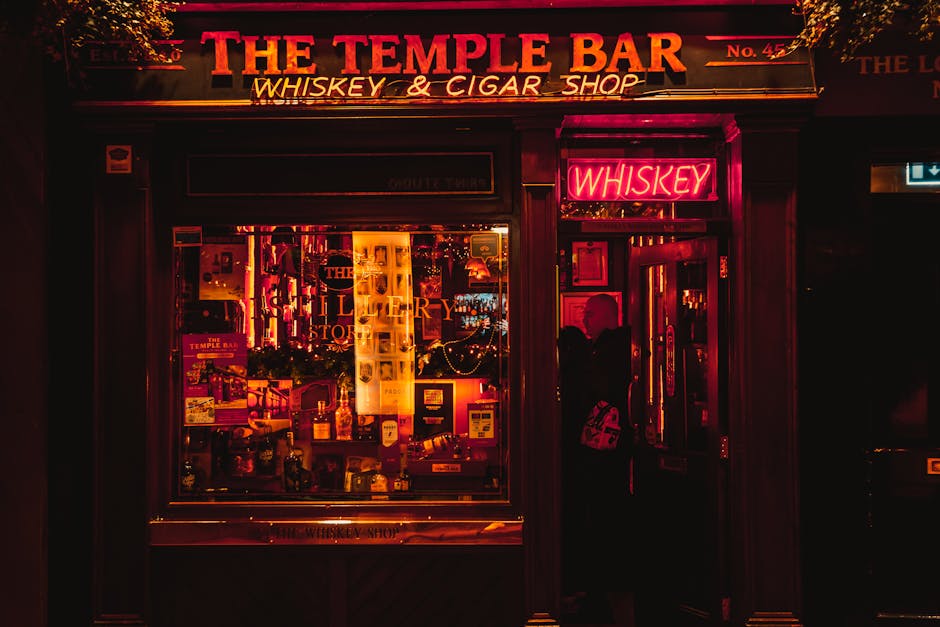 Moderate
Dublin, Ireland
Discover Dublin's poetic waterways and modern docks on this self-guided walk through leafy canals and glass-fronted tech hubs.
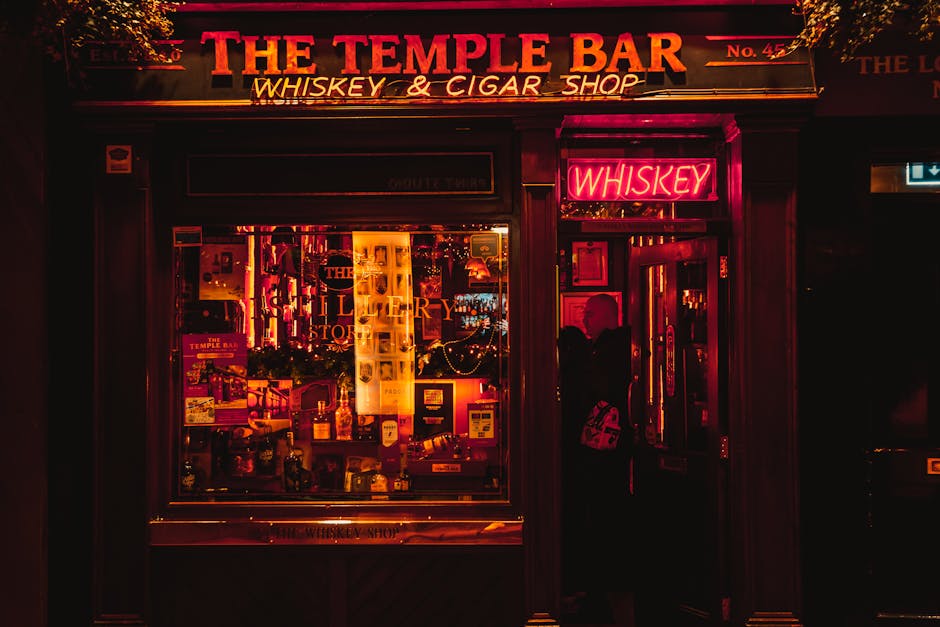 Easy
EasyDublin, Ireland
Explore Dublin's storied streets at your own pace on this self-guided literary walk, from Joyce’s statues to Wilde’s colorful memorial.
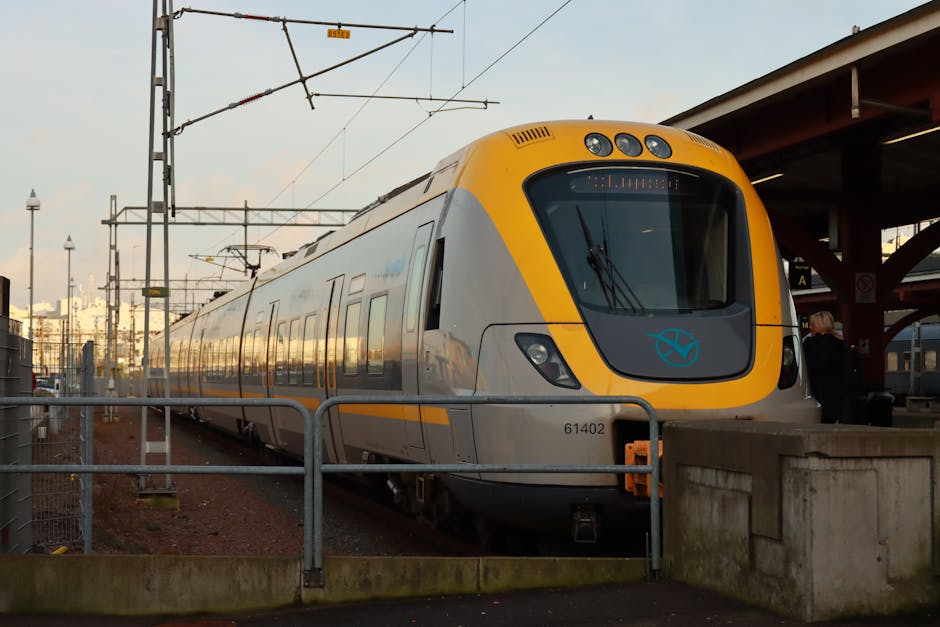 Easy
EasyGothenburg, Sweden
Discover Gothenburg’s 17th-century Dutch foundations, historic canals, and military fortifications on this self-guided architectural walk.
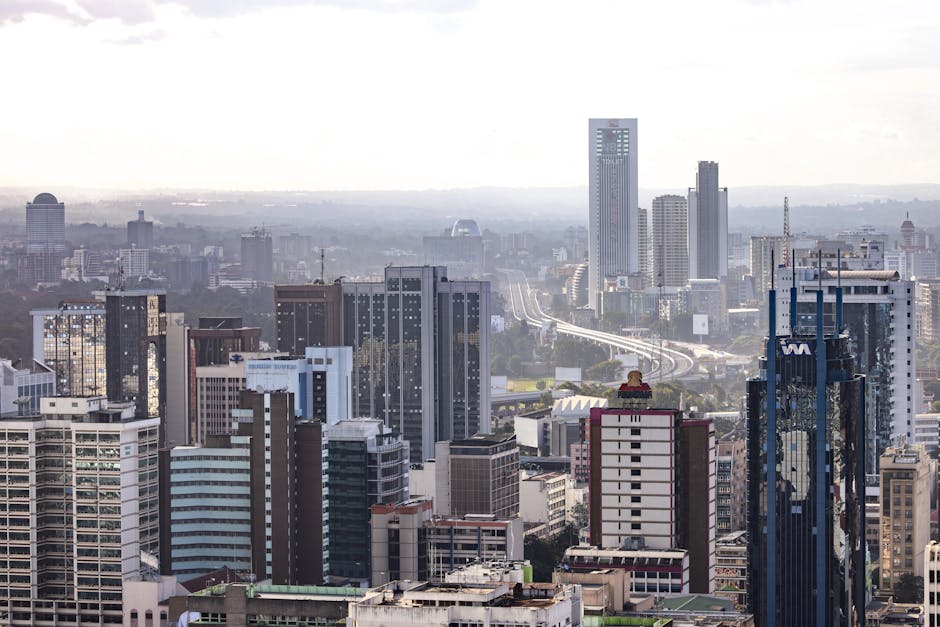 Easy
EasyNairobi, Kenya
Explore Nairobi's architectural evolution from colonial-era landmarks to iconic Brutalist skyscrapers on this historic self-guided walking route.
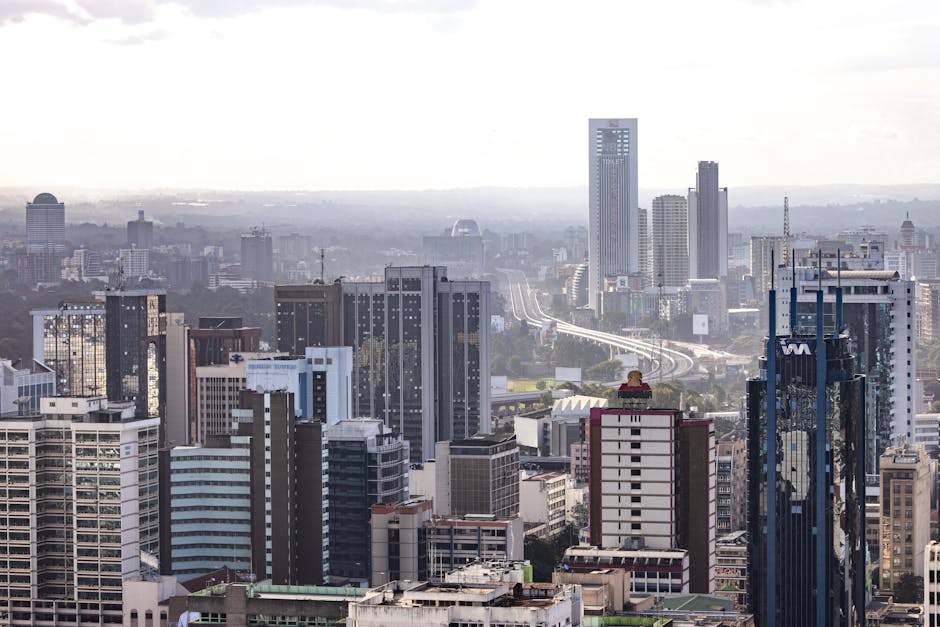 Easy
EasyNairobi, Kenya
Explore the history of Kenya’s independence through the statues, monuments, and parks that define Nairobi’s political heart on this self-guided walk.
 Easy
EasyNairobi, Kenya
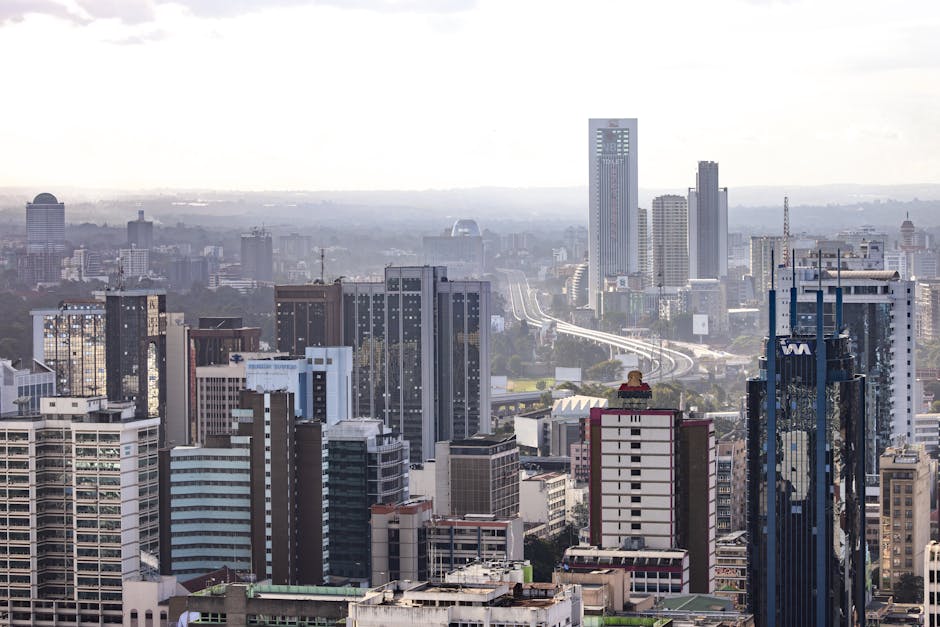
Discover Nairobi's iconic skyline on this self-guided architecture walk through the CBD’s most famous modernist and Brutalist landmarks.
 Easy
EasyGalway, Ireland
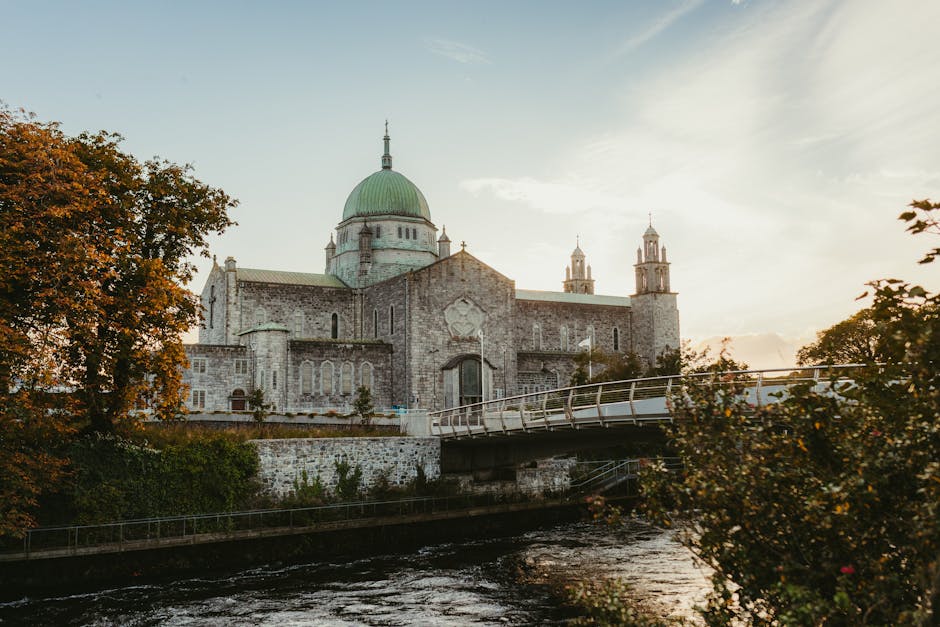
Explore Galway’s literary soul on this self-guided walk through historic bookshops, legendary theaters, and the haunts of Joyce and Wilde.
 Easy
EasyGalway, Ireland
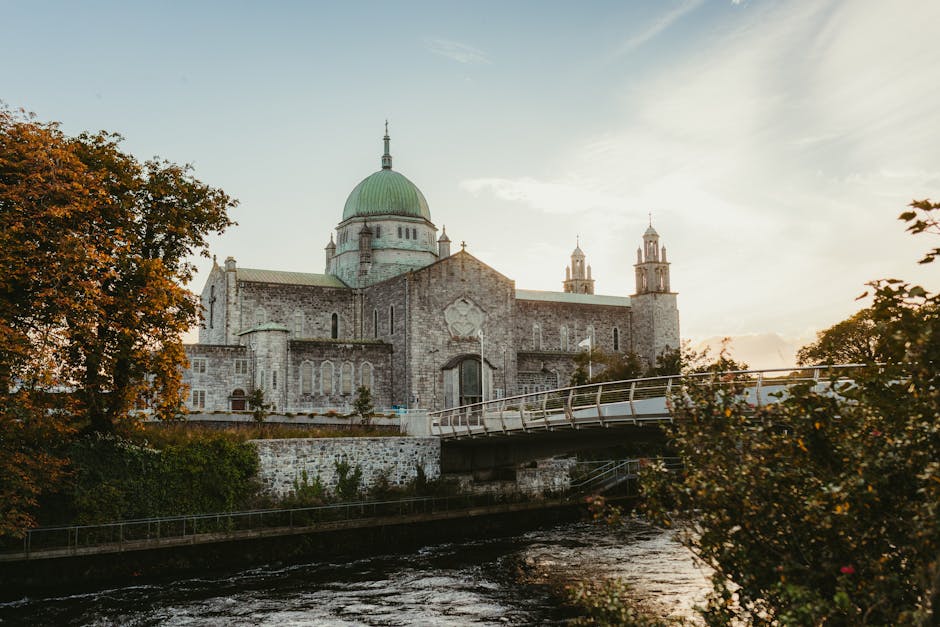
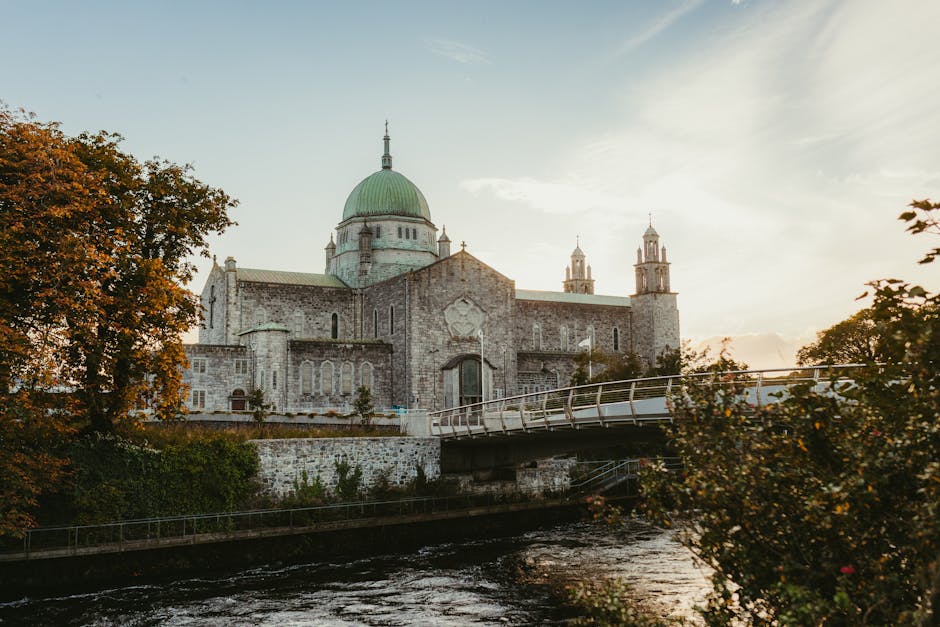
Explore Galway’s vibrant street art, contemporary galleries, and scenic photography spots on this independent neighborhood stroll.
 Easy
EasyGalway, Ireland
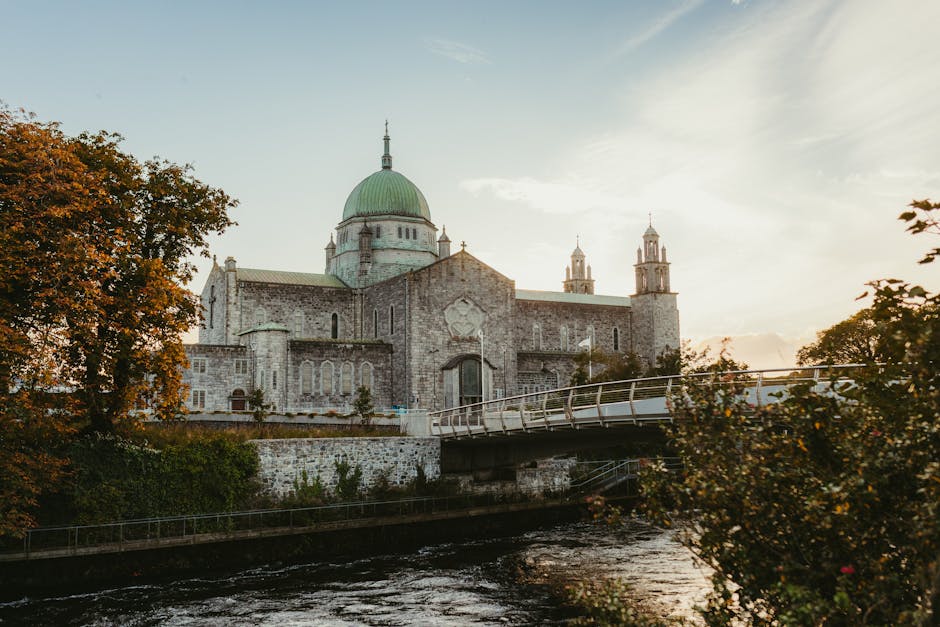
Capture Galway's most iconic views on this self-guided stroll through the Claddagh and along the vibrant Long Walk.
 Easy
EasyGalway, Ireland
Explore Salthill’s iconic promenade, discover local traditions, and enjoy stunning Atlantic views on this refreshing self-guided seaside walk.