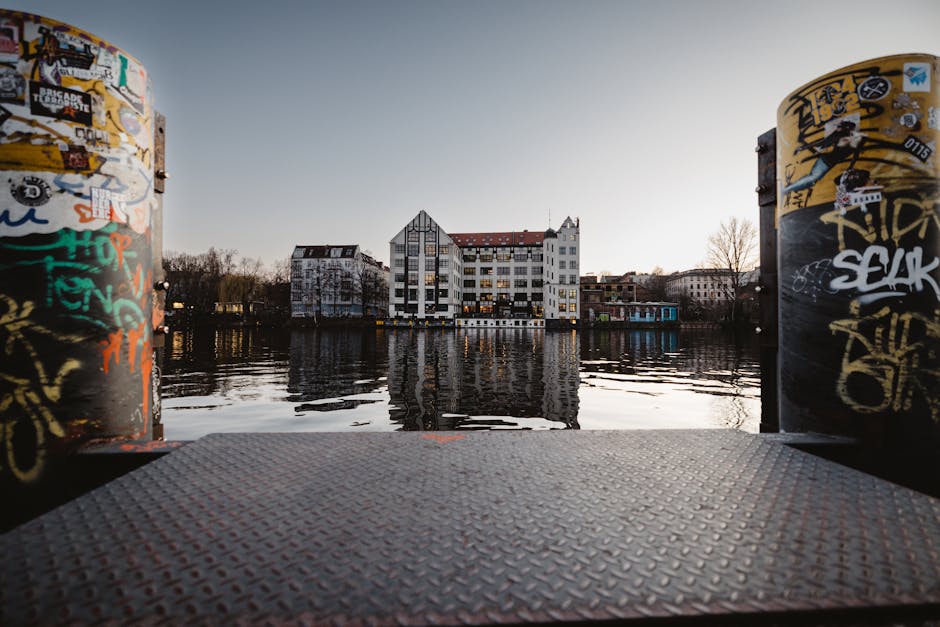
Self-guided audio tour in Berlin
Start Free on iPhone
Start free on iPhone to unlock this self-guided walking tour in Berlin. Hear all the stories that make it amazing, walk at your own pace, and begin whenever you want.
Your Private Tour Guide
Step into the rebellious soul of Berlin with this self-guided walk through Kreuzberg, a neighborhood that has long served as the epicenter of German counter-culture. This neighborhood stroll takes you through the legendary 'Kreuzberg 36' district, an area defined by its history of squatting, punk rock, and political activism. As you explore independently, you will witness how the former 'no-man's-land' of the Cold War transformed into a canvas for world-renowned street artists and a sanctuary for those living outside the mainstream. The route highlights the unique architectural landscape of the area, from 19th-century tenements to the bold social housing projects of the 1970s. You will encounter stories of radical resistance, such as the famous treehouse built in the shadow of the Wall, and see how former hospitals have been reclaimed as vibrant art centers. This walking route is not just about the past; it is about the living, breathing energy of modern Berlin. You will pass through bustling markets that showcase the city's diverse culinary scene and cross historic bridges where locals gather to enjoy the sunset. Whether you are interested in the grit of the punk era or the colorful murals of today, this neighborhood stroll offers a deep dive into the spirit of freedom that defines the city. This self-guided adventure allows you to soak in the atmosphere of Kottbusser Tor and the peaceful banks of the Landwehr Canal at your own pace, making it a perfect way to experience a walking tour Berlin style without the constraints of a group. **Note:** This area is known for its ever-changing character. Street art, pop-up venues, and temporary exhibitions may differ from what's described. That's part of the adventure - you might discover something entirely new!
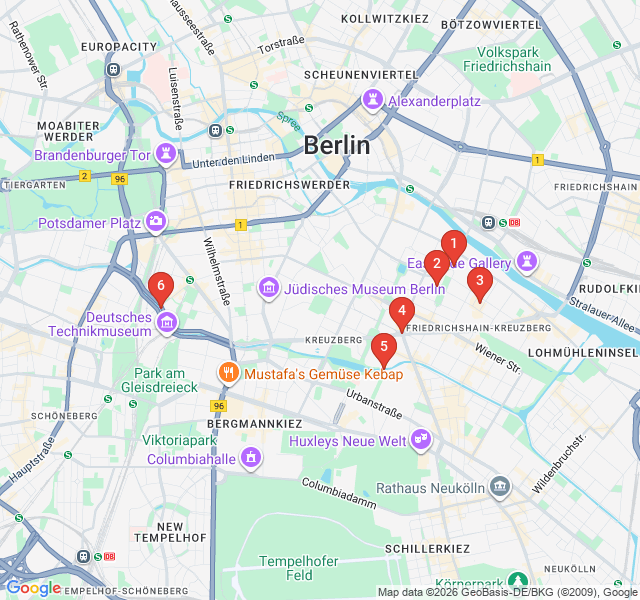
Numbers indicate the order of stops on the tour.
Start your journey at one of Berlin's most peculiar landmarks. This 'Treehouse on the Wall' was built by Osman Kalin, a Turkish immigrant who claimed a small triangular plot of land that technically belonged to East Berlin but sat on the West side of the Wall. Despite threats from both sides, Kalin refused to leave, eventually building a two-story shack from recycled materials. It stands today as a powerful symbol of individual persistence and the strange legal loopholes of divided Berlin. Note that the garden and structure are private and can change based on the family's upkeep, but the story of resistance remains etched in the neighborhood's identity.
Walking into the Mariannenplatz, you cannot miss the imposing twin towers of Bethanien. Originally a deaconess hospital built in the mid-1800s, it narrowly escaped demolition in the 1970s thanks to local activists and squatters. Today, it serves as the Kunstquartier Bethanien, housing galleries, artist studios, and a print shop. It is a cornerstone of Kreuzberg’s transition from a radical squatting scene to a formalized creative hub. Wander through the open courtyard to see how the community reclaimed this space. Street art on the exterior walls is frequently updated, reflecting the neighborhood's ever-evolving visual dialogue.
This historic market hall, opened in 1891, is one of the few survivors of Berlin's original municipal markets. In the early 2010s, it was saved from being turned into a discount supermarket by residents who wanted to preserve its architectural and social heritage. It has since become a beacon for the 'slow food' movement in Berlin. While it is famous for 'Street Food Thursday,' the hall is a great place to observe the intersection of old-school Kreuzberg and the newer, international culinary scene. Take a moment to appreciate the ironwork architecture and the bustling local commerce that keeps this 19th-century space alive.
Affectionately known as 'Kotti,' this is the chaotic, beating heart of Kreuzberg 36. It is a place of contrasts: the massive New Kreuzberg Center (NKZ) social housing block looms over the U-Bahn tracks, while traditional Turkish cafes sit alongside trendy bars. Kotti has been the site of countless political protests and is a central hub for the city's Turkish-German community. The area is famous for its 'Gecekondu' (informal protest structures) and vibrant murals. Because this is a high-traffic urban center, the atmosphere is intense and always changing; keep an eye out for the latest political posters and community art installations that define the current local mood.
As you move toward the water, you arrive at Admiralbrücke, arguably the most famous bridge in the district. This wrought-iron structure is more than a crossing; it is a public living room. On warm evenings, you will find hundreds of people sitting on the cobblestones, drinking beer from local 'Spätis' and listening to street musicians. It represents the relaxed, communal side of Kreuzberg life. The bridge offers a perfect vantage point to see the Landwehr Canal stretching in both directions. It is a quintessential spot to experience the local lifestyle that resists the fast-paced nature of the surrounding city.
Finish your walk along the banks of the Landwehr Canal. Built in the mid-19th century to relieve traffic on the Spree River, the canal later became a grim boundary during the Cold War. Today, its tree-lined paths are a sanctuary for walkers and cyclists. This area is rich with history; not far from here, the body of revolutionary Rosa Luxemburg was famously found in 1919. As you stroll, look for the 'Stolpersteine' (stumbling stones) in the pavement, which commemorate victims of the Nazi regime. The mix of somber history and modern leisure makes the canal the perfect place to reflect on Berlin’s complex journey.
Start Free on iPhone
Explore “Kreuzberg’s Counter-Culture: Punk, Squats, and Street Art” with your very own Private Tour Guide with Zigway. Start free on iPhone, skip the large group and the fixed routes, and hear the city come alive as you go.
Your Private Tour Guide
Don't miss the good stuff
Explore Freely
 Easy
EasyBerlin, Germany
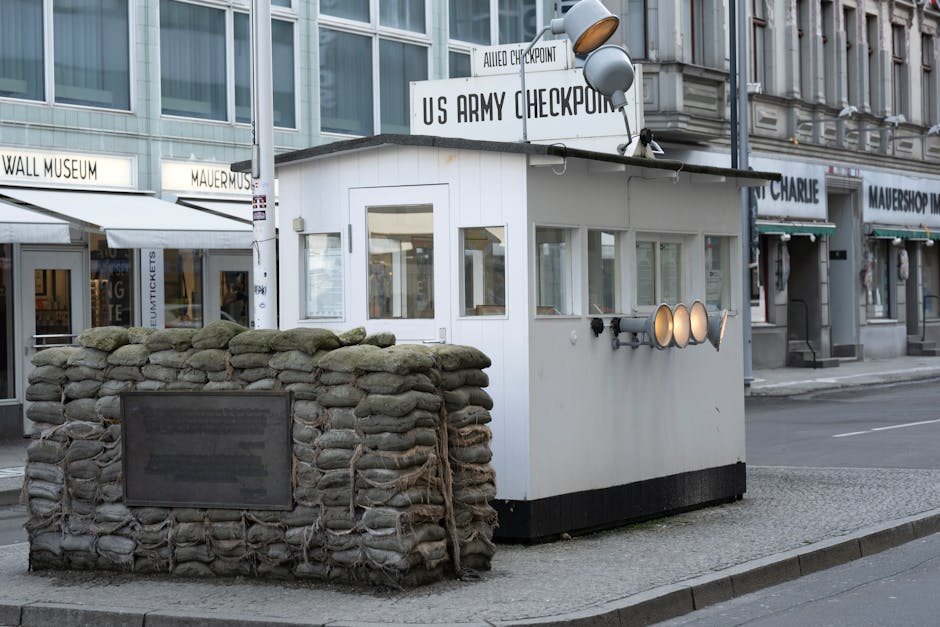
Explore the sites of Nazi power and the memorials that honor its victims on this self-guided walk through Berlin's historic Wilhelmstraße district.
 Moderate
Berlin, Germany
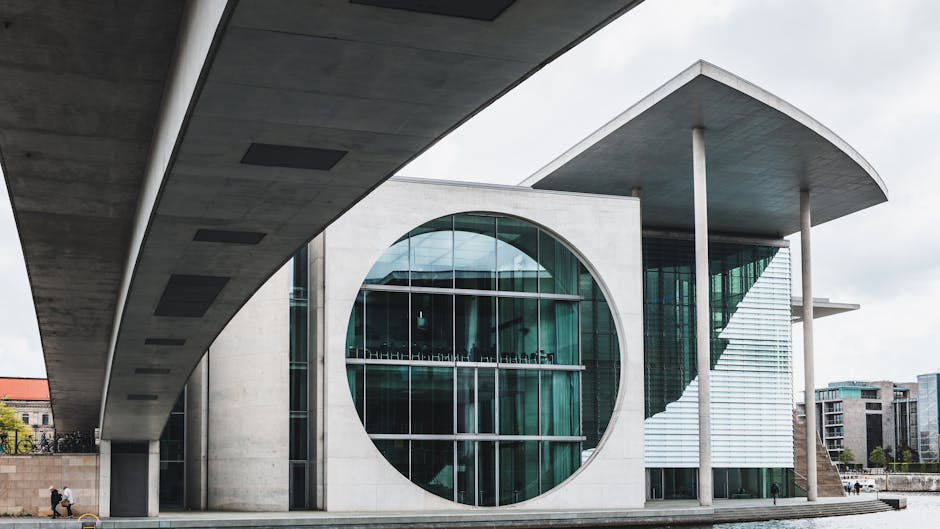
Explore Berlin’s 'Green Heart' on a self-guided walk through royal history, Cold War memorials, and serene lakeside gardens.
 Moderate
Berlin, Germany
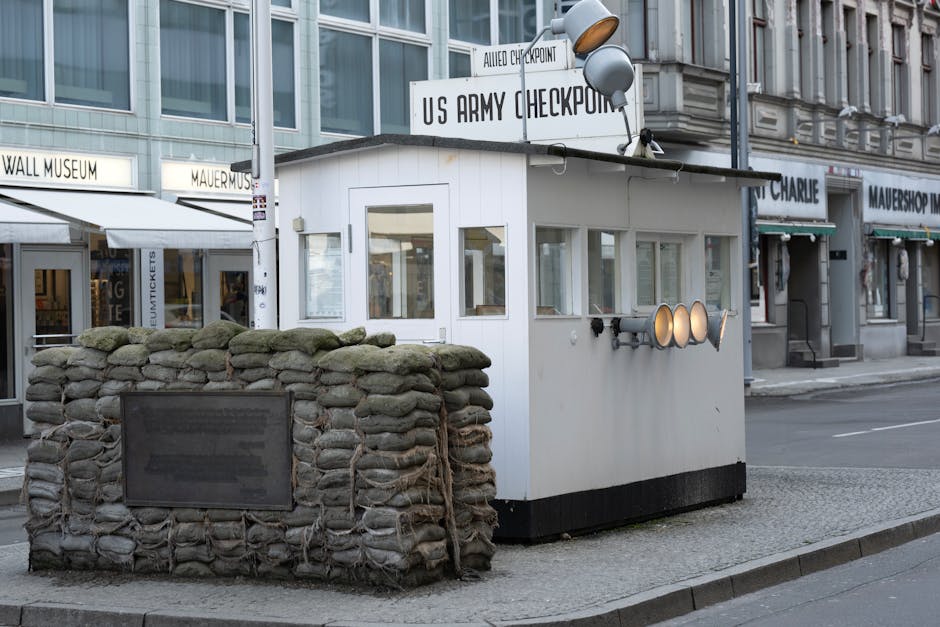
Discover the legacy of the Berlin Wall on this self-guided walk from historic ghost stations to the vibrant street art and cafes of Mauerpark.
 Easy
EasyBerlin, Germany
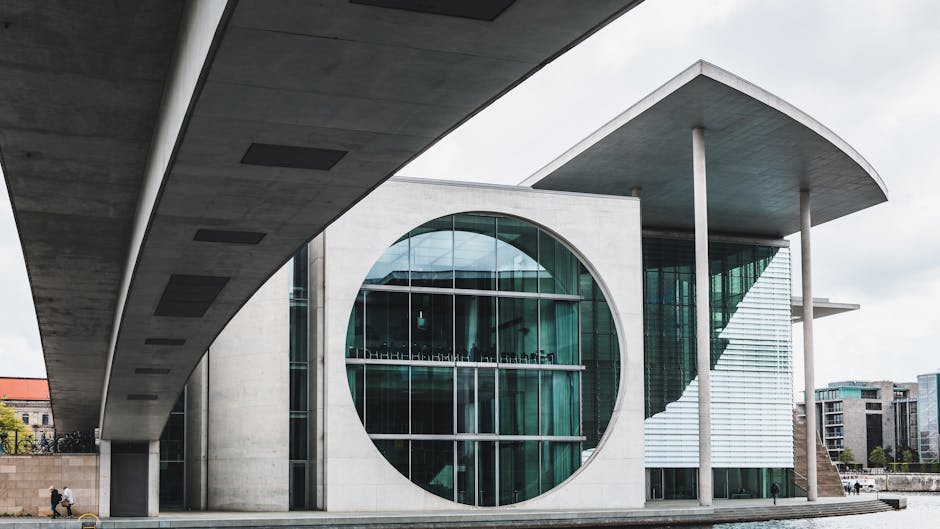
Discover the soul of 1920s Berlin on a self-guided walk through Charlottenburg’s iconic literary cafes, historic theaters, and artistic landmarks.
 Moderate
Gdansk, Poland
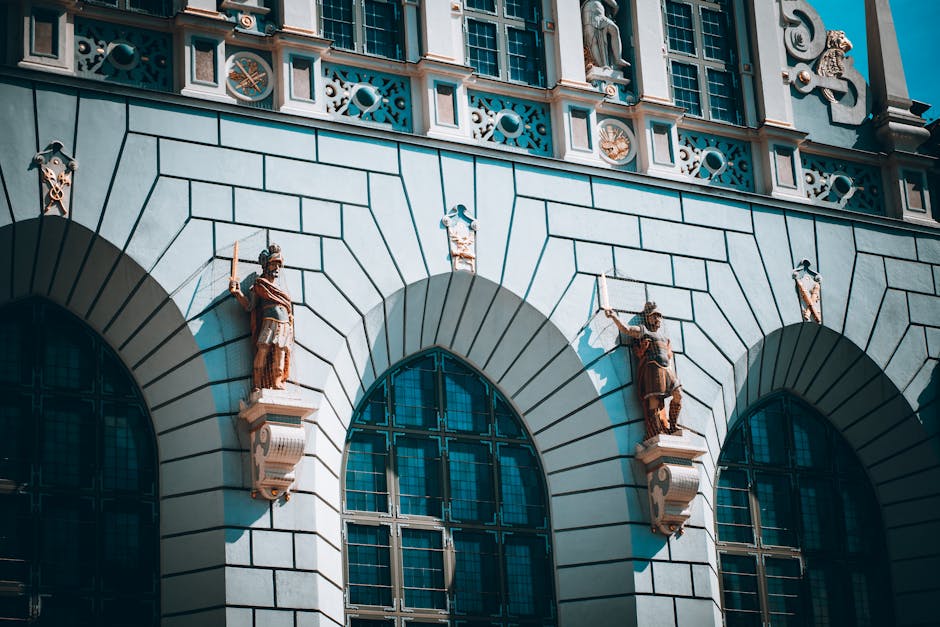
Discover Zaspa, a massive open-air gallery where grey housing blocks are transformed by over 60 monumental murals. Explore at your own pace.
 Moderate
Helsinki, Finland
Explore Helsinki's bohemian heart. Discover historic saunas, granite churches, and the vibrant local life of the Kallio neighborhood at your own pace.
 Moderate
Nairobi, Kenya
Discover the creative soul of Nairobi on this self-guided walk through the city's premier art galleries, markets, and artisan workshops.
 Moderate
Nairobi, Kenya
Taste your way through Nairobi's Westlands on this self-guided walk featuring street snacks, cultural landmarks, and hidden foodie gems.
 Easy
EasyMunich, Germany
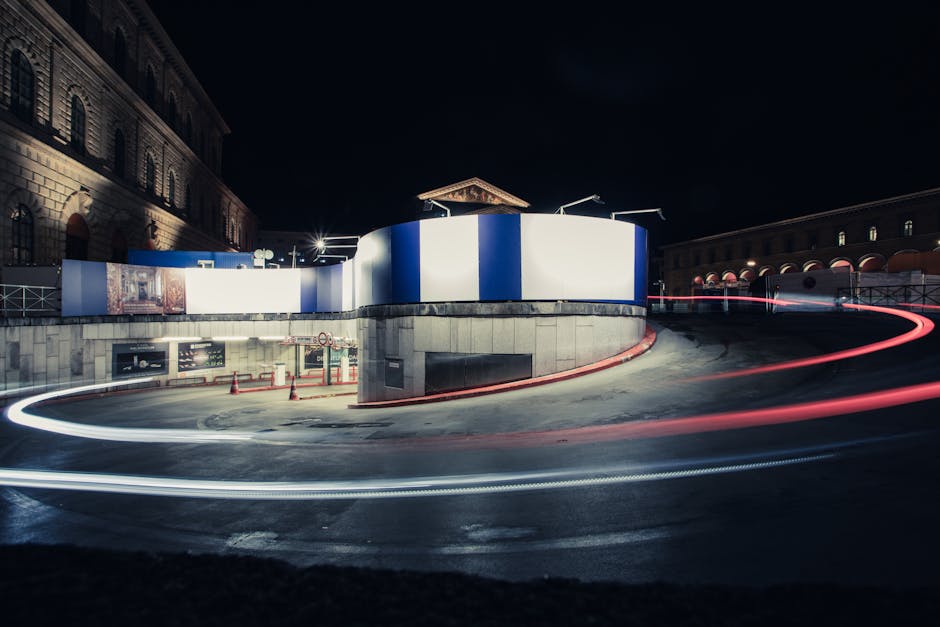
Explore Munich's creative heartbeat in Werksviertel-Mitte. Discover vibrant street art, upcycled containers, and rooftop sheep on this urban stroll.
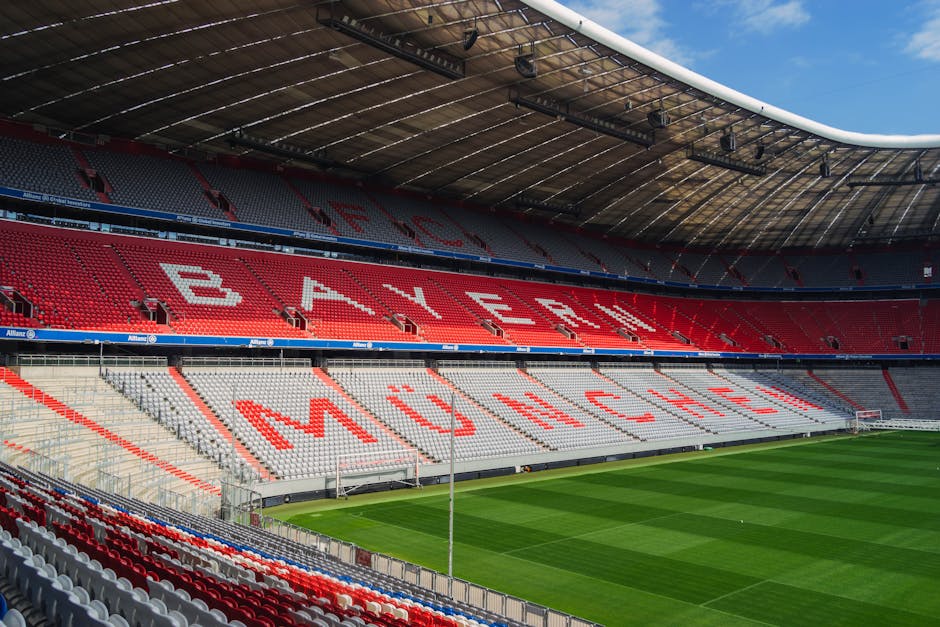 Moderate
Munich, Germany
Discover river surfing, iconic Greek temples, and Bavarian beer culture on this scenic self-guided walk through Munich's English Garden.
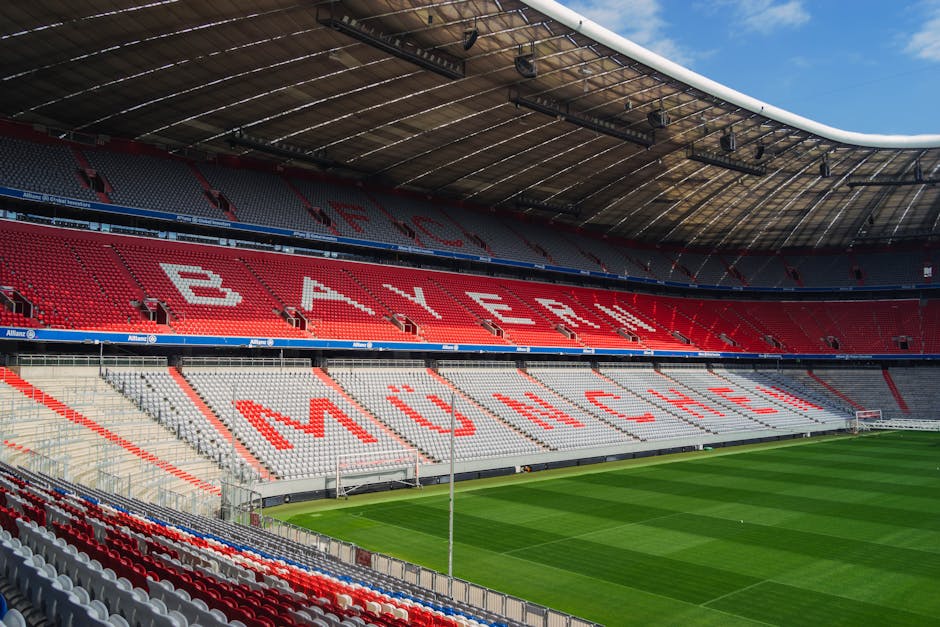 Easy
EasyMunich, Germany
Discover Munich's culinary heart on this self-guided walk through the vibrant Viktualienmarkt and its legendary food stalls.
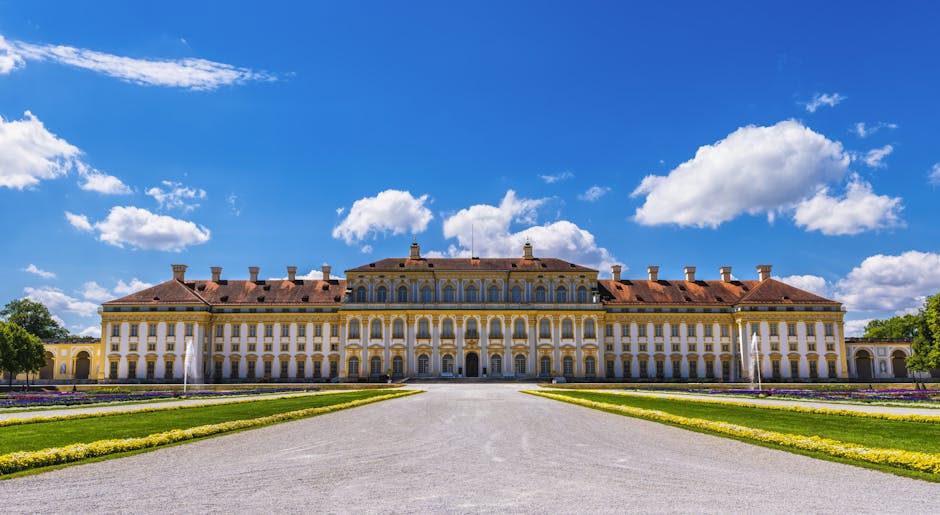 Easy
EasyMunich, Germany
Explore the majestic gardens and hidden pavilions of the Wittelsbach summer residence on this peaceful, self-guided walking route in Munich.