Self-guided audio tour in Wellington
Start Free on iPhone
Start free on iPhone to unlock this self-guided walking tour in Wellington. Hear all the stories that make it amazing, walk at your own pace, and begin whenever you want.
Your Private Tour Guide
Wellington is often celebrated for its vibrant harbor and windy peaks, but beneath the surface lies a 'Grey Gold'—a collection of bold, expressive concrete structures that redefined the city's skyline in the mid-20th century. This self-guided walk invites you to explore the evolution of Wellington Central through its most striking Modernist and Brutalist landmarks. This walking route is perfect for those who appreciate the raw beauty of exposed concrete, the functionalist ethics of the post-war era, and the innovative engineering required to build a modern capital on a fault line. Your journey begins in Civic Square, where the transition from Art Deco elegance to Modernist utility is on full display at the City Gallery. From there, you will encounter the Michael Fowler Centre, a masterpiece of 1980s Modernism that balances massive concrete forms with shimmering glass. As you move through the city, the route highlights how concrete was not just an aesthetic choice, but a necessity for seismic resilience. Even the National Shrine of St Mary of the Angels, with its soaring Gothic arches, hides a secret: it was a global pioneer in reinforced concrete construction. The walk then climbs toward the university district to witness the Rankine Brown Building, a textbook example of Brutalist architecture that dominates the hillside with its rhythmic, heavy-set windows. Finally, you will explore the commercial heart of the city along The Terrace, concluding at the Reserve Bank of New Zealand. This 'fortress of finance' stands as one of the most uncompromising examples of Brutalism in the Southern Hemisphere. Whether you are an architecture enthusiast or a curious traveler, this self-guided adventure offers a fresh perspective on the capital's urban fabric. Unlike a traditional walking tour Wellington visitors might find in brochures, this experience allows you to linger at each site, photographing the interplay of light and shadow on textured concrete at your own pace. Discover the history of a city that rebuilt itself with ambition and stone-cold conviction on this unique walking tour Wellington architecture fans will love.
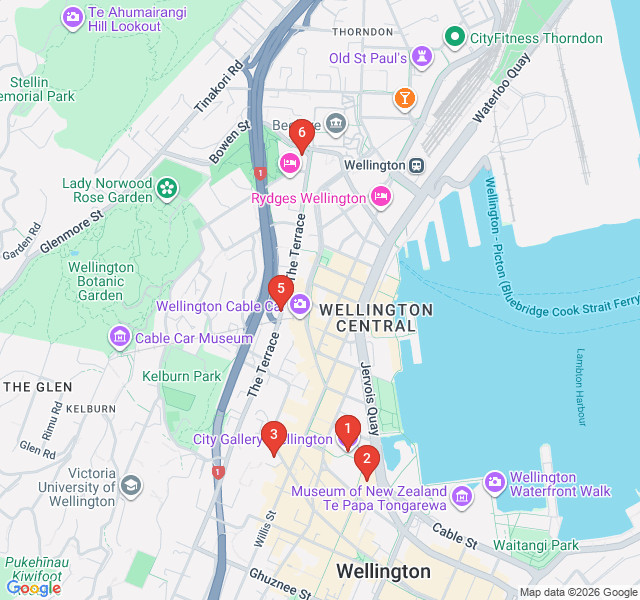
Numbers indicate the order of stops on the tour.
Start your exploration at Civic Square, the civic heart of the city. The City Gallery building itself is a fascinating study in architectural evolution. Originally opened in 1940 as the Wellington Central Library, it was designed in a transitional style that bridged the gap between Art Deco and the cleaner lines of early Modernism. Notice the symmetrical facade and the use of hard-wearing materials intended to project a sense of permanence and public service. In the 1990s, the building was reimagined as a contemporary art space, but its solid, rhythmic bones remain a testament to the city's pre-war architectural ambitions.
Just a short stroll away stands the Michael Fowler Centre, designed by the renowned architect Sir Miles Warren and opened in 1983. This building represents a more 'sculptural' phase of Modernism. Its circular form and the dramatic use of floor-to-ceiling glass allowed the interior activity to be visible from the street, a hallmark of Modernist transparency. However, look closely at the concrete supports and the heavy roofline; these are the 'Brutalist' echoes of the previous decade, providing the structural strength needed for a world-class concert hall while maintaining a bold, uncompromising aesthetic.
While this church looks like a traditional Gothic Revival masterpiece, it is actually a revolutionary piece of concrete engineering. Completed in 1922, it is widely considered the first neo-Gothic church in the world to be built primarily from reinforced concrete. The architect, Frederick de Jersey Clere, realized that traditional stone masonry would not survive Wellington's frequent earthquakes. By using concrete, he could achieve the soaring heights and delicate tracery of the Gothic style with a fraction of the weight and much greater structural integrity. It is a perfect example of Modernist materials serving traditional forms.
Head toward the university to find one of the city's most iconic Brutalist structures. The Rankine Brown Building, completed in 1970, embodies the 'heroic' era of New Zealand architecture. Brutalism—derived from the French 'béton brut' or raw concrete—is characterized by its honesty of materials and massive scale. Here, the concrete is not hidden; it is the star. The rhythmic pattern of the windows and the heavy, overhanging levels were designed to create a sense of intellectual weight and permanence on the hillside overlooking the city. It remains a polarizing but essential piece of the local landscape.
Walking along The Terrace, you are in the heart of Wellington's commercial and governmental district. This street underwent a massive transformation during the 1960s and 70s as low-rise timber buildings were replaced by high-rise concrete towers. Look up at the various office blocks; you'll see a variety of Modernist approaches, from the repetitive 'grid' facades to more experimental shapes. These buildings were symbols of New Zealand's post-war prosperity and its desire to look like a global metropolis. The density of concrete here creates a unique urban canyon that traps the city's famous winds, making the architecture feel even more formidable.
Your walk concludes at the Reserve Bank, perhaps the most uncompromising Brutalist building in the country. Completed in 1972, its design reflects its function: security and stability. The windows are narrow and recessed, while the massive concrete piers ground the building firmly. The texture of the concrete often shows the grain of the wooden 'formwork' used to pour it, a signature Brutalist detail. It doesn't try to be pretty; it tries to be powerful. This building stands as a final, bold statement on the era when concrete was the ultimate symbol of a modern, resilient New Zealand.
Start Free on iPhone
Explore “Modernist Wellington: Brutalism & Concrete” with your very own Private Tour Guide with Zigway. Start free on iPhone, skip the large group and the fixed routes, and hear the city come alive as you go.
Your Private Tour Guide
Don't miss the good stuff
Explore Freely
 Challenging
Wellington, New Zealand
Explore cinematic forests and 360-degree harbor views on this self-guided walk to Wellington's iconic Mount Victoria summit.
 Easy
EasyWellington, New Zealand
Discover iconic sculptures and harbor views on this easy self-guided walk along Wellington's vibrant waterfront.
 Moderate
Wellington, New Zealand
Discover panoramic views, celestial history, and lush floral displays on this scenic self-guided stroll from Kelburn heights to the city center.
 Easy
EasyWellington, New Zealand
Uncover Wellington’s hidden history and haunted theaters on this atmospheric self-guided walk through the city's dark past and vibrant nightlife.
 Easy
EasyGothenburg, Sweden
Explore Gothenburg's maritime soul on this self-guided walk from historic shipyards to sleek modern piers and iconic industrial landmarks.
 Easy
EasyNairobi, Kenya
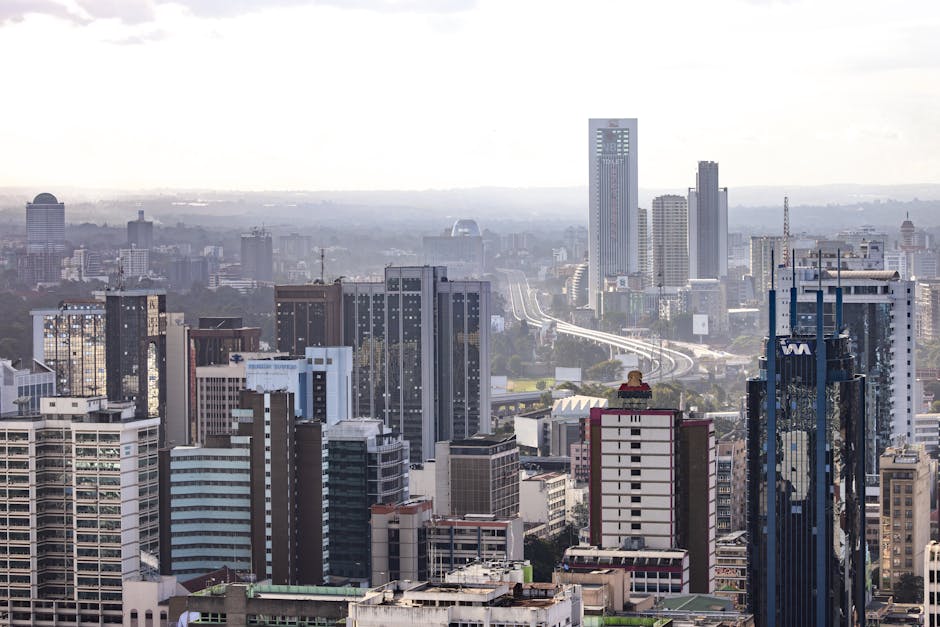
Discover Nairobi's iconic skyline on this self-guided architecture walk through the CBD’s most famous modernist and Brutalist landmarks.
 Easy
EasyKrakow, Poland
Explore the prestigious Jagiellonian University district, featuring Neo-Gothic architecture, Baroque churches, and Krakow's hidden scholarly gems.
 Easy
EasyGdansk, Poland
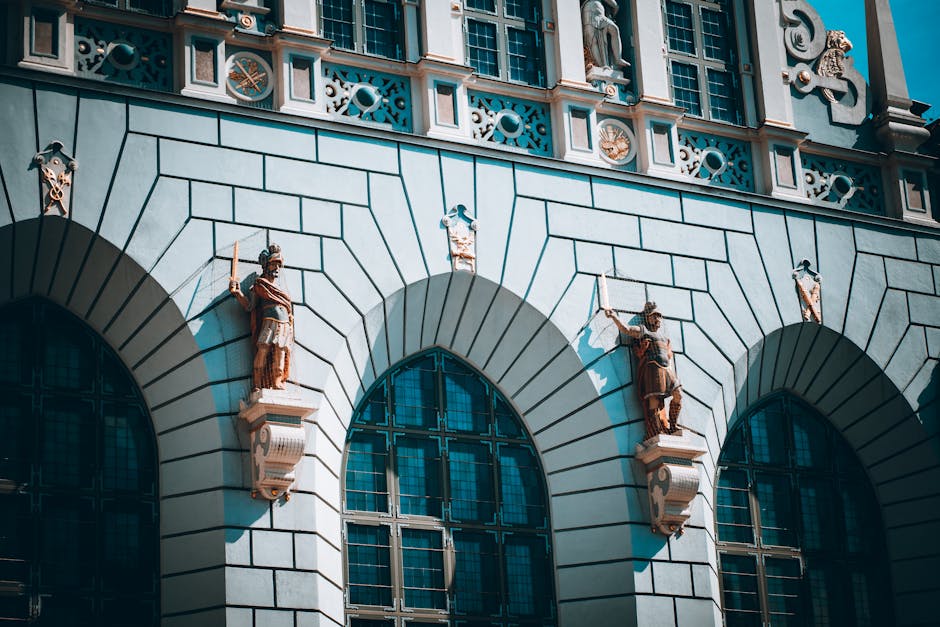
Discover the opulent Royal Way of Gdansk at your own pace. Explore Hanseatic history, gilded architecture, and the iconic Neptune's Fountain.
 Easy
EasyAuckland, New Zealand
Discover Auckland's sustainable future on this self-guided walk through the award-winning architecture and industrial history of Wynyard Quarter.
 Moderate
Auckland, New Zealand
Discover Auckland's highest volcanic peak, sacred Māori history, and stunning 360-degree views on this self-guided walking route up Maungawhau.
 Easy
EasyAuckland, New Zealand
Explore the gritty soul of Auckland on this self-guided walk through Karangahape Road’s street art, heritage, and legendary nightlife spots.
 Moderate
Auckland, New Zealand
Explore Auckland's iconic coastline, Art Deco architecture, and Maori heritage on this scenic self-guided walking route from Bastion Point to the Bay.