Self-guided audio tour in Brisbane
Start Free on iPhone
Start free on iPhone to unlock this self-guided walking tour in Brisbane. Hear all the stories that make it amazing, walk at your own pace, and begin whenever you want.
Your Private Tour Guide
Rising steeply above the central business district, Spring Hill is one of Brisbane's most evocative and oldest residential neighborhoods. This self-guided walking route invites you to ascend the historic 'stairs' that connect the modern city to its Victorian past. As you climb, you leave the glass towers of the CBD behind for a world of wrought-iron lace, heritage sandstone, and steep ridgelines that once provided the colonial elite with a literal and social elevation above the humid river flats. This neighborhood stroll is as much a workout for your legs as it is a feast for the eyes, focusing on the architectural evolution of a city coming into its own during the late 19th century. You will encounter everything from the industrial-era engineering of Jacob's Ladder to the refined elegance of private clubs and the oldest public swimming pool in the Southern Hemisphere. Exploring independently allows you to pause and appreciate the intricate details of the timber-and-tin cottages tucked between grand institutional buildings. The route highlights how Brisbane’s early settlers adapted European architectural styles to the subtropical climate, creating a unique 'Brisbane' aesthetic. Whether you are a photography enthusiast looking for the perfect angle of a Gothic spire or a history buff eager to trace the footsteps of the city's early residents, this walking route Brisbane offers a deep dive into the heights of Victorian-era society. By following the ridgeline, you gain a unique perspective on the city's geography and its growth from a penal colony to a thriving capital. Start exploring with Zigway and discover the hidden narratives etched into the brickwork and ironwork of this historic precinct. This is a chance to see a side of the city often missed by those who stick to the flat riverside paths, revealing a neighborhood that remains a preserved pocket of heritage charm amidst a rapidly modernizing skyline.
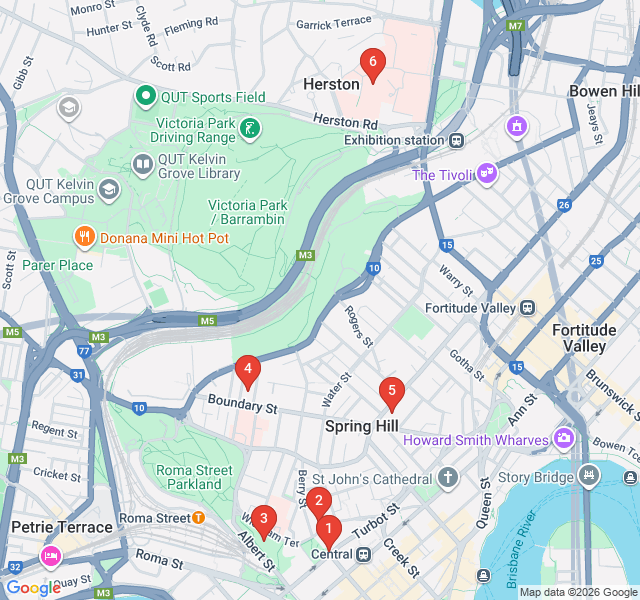
Numbers indicate the order of stops on the tour.
Begin your self-guided adventure at the base of Jacob's Ladder. This steep set of approximately 80 steps has served as a vital pedestrian artery between the city center and the heights of Spring Hill since the late 19th century. While the current concrete structure dates to 1920, a timber version preceded it. The name is a biblical reference to the ladder reaching toward heaven, a fitting title for a path that rises so sharply above the city streets. As you climb, notice how the city noise begins to fade, replaced by the residential quiet of the hill. From the top, look back to see a framed view of the CBD's modern skyscrapers, a stark contrast to the historic neighborhood you are about to enter. This spot is a favorite for local commuters and fitness enthusiasts, representing the literal connection between Brisbane's commercial heart and its residential heritage.
At the top of the climb, you find yourself near the United Service Club Queensland. Established in 1892, this institution was originally founded for the officers of the Queensland colonial defense forces. The building itself is a magnificent example of the Victorian Italianate style, reflecting the prestige of its members. It sits on what was once known as 'Windmill Hill,' a prime piece of real estate that offered cooling breezes and a commanding view. While the club remains a private social hub, the exterior architecture tells a story of social stratification in early Brisbane. Note the grand entrance and the classic proportions that signaled the club's importance within the local establishment. It serves as a reminder of the era when Spring Hill was the premier address for the city’s influential military and professional classes.
Stroll into the green expanse of Wickham Park, a significant public space that has served the city since its earliest days. This parkland follows the ridge of the hill and is home to several historical markers. Most notably, nearby stands the Old Windmill, the oldest surviving building in Brisbane, though our path focuses on the park's Victorian-era recreational role. During the late 1800s, parks like this were essential 'lungs' for the growing city, providing a place for residents of the densely packed Spring Hill cottages to enjoy fresh air. The mature trees and winding paths offer a peaceful respite and excellent vantage points for looking across the valley toward the northern suburbs. The park's layout reflects the Victorian desire to blend structured landscaping with the natural topography of the ridge.
Nestled on Torrington Street, the Spring Hill Baths are a true hidden gem. Opened in 1886, this is Brisbane's oldest public swimming pool and arguably the oldest surviving in the Southern Hemisphere. The building is a marvel of Victorian functional architecture, featuring a charming timber facade and classic changing cubicles that line the water's edge. In an era before backyard pools, these baths were a vital community resource for hygiene and recreation. The interior remains remarkably preserved, retaining the atmosphere of a bygone era. It was here that many of Brisbane's first competitive swimmers trained. Even today, it operates as a public pool, allowing a rare opportunity to experience Victorian-era leisure in a contemporary setting. Take a moment to appreciate the ornate wrought iron and the traditional color scheme that have been carefully maintained.
As you move toward the edge of the hill, the spire of St Paul's Presbyterian Church dominates the skyline. Completed in 1889, this church is a premier example of the Gothic Revival style, built using locally quarried Brisbane tuff and sandstone. The architect, FDG Stanley, was one of Queensland's most prolific colonial architects, and this church is considered one of his masterpieces. The building features stunning stained glass and intricate stonework that reflects the wealth and piety of the Scottish Presbyterian community that settled in the area. Its location on a prominent corner made it a landmark for those approaching the city from the north. The church's enduring presence highlights the central role of religious institutions in shaping the social fabric and architectural character of Victorian Spring Hill.
The final stop on your walking route is the Lady Lamington Building, part of the Royal Brisbane and Women's Hospital precinct. Designed by the renowned architect Robin Dods and completed in phases starting in 1896, this building served as a home for nurses. It is famous for its innovative subtropical design, featuring deep verandas and a unique 'H' shape that maximized cross-ventilation—a crucial consideration in the days before air conditioning. The building is named after the wife of the Governor of Queensland at the time. Its red-brick exterior and elegant arches represent a transition from strict Victorian styles to a more climate-responsive Australian architecture. Standing here, you are at the northern gateway of Spring Hill, where the residential suburb meets the grand scale of the city's primary medical institutions.
Start Free on iPhone
Explore “Victorian Heights: The Stairs of Spring Hill” with your very own Private Tour Guide with Zigway. Start free on iPhone, skip the large group and the fixed routes, and hear the city come alive as you go.
Your Private Tour Guide
Don't miss the good stuff
Explore Freely
 Moderate
Brisbane, Australia
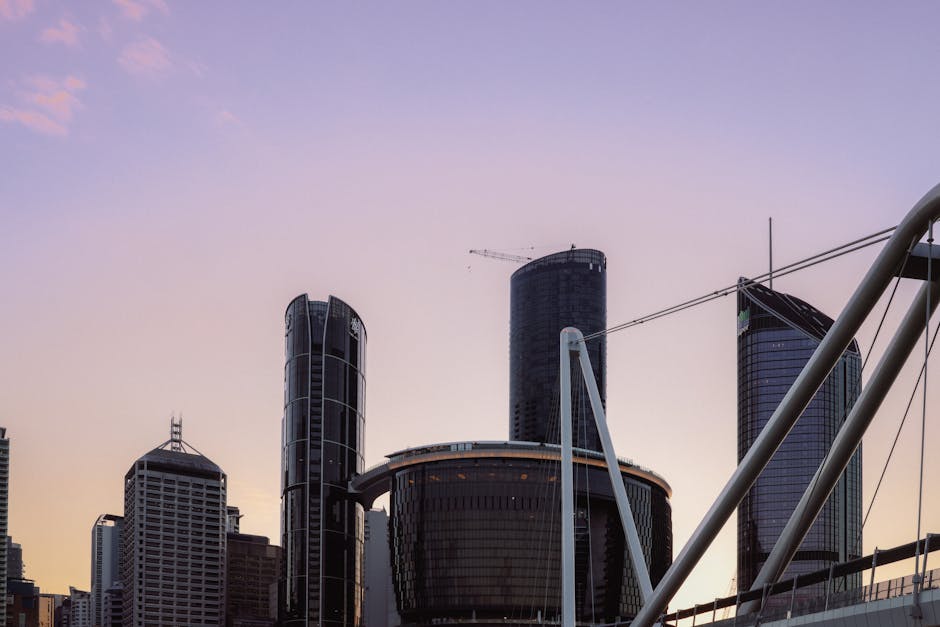
Explore Brisbane's iconic riverfront architecture and skyline views on this scenic self-guided photography walk across the city's famous bridges.
 Easy
EasyBrisbane, Australia
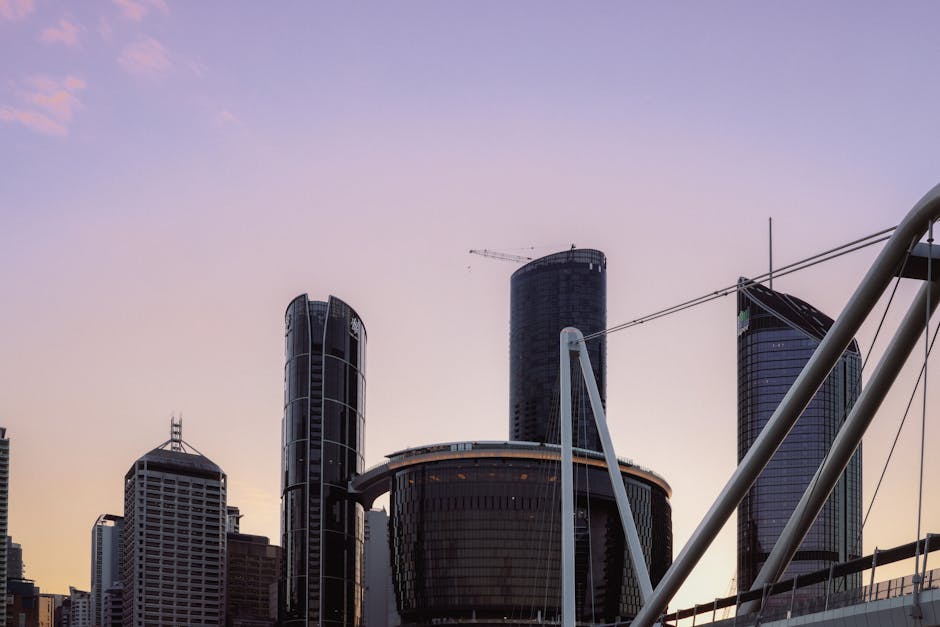
Explore Brisbane’s bohemian heart on this self-guided walk through West End’s global food scene and historic parks.
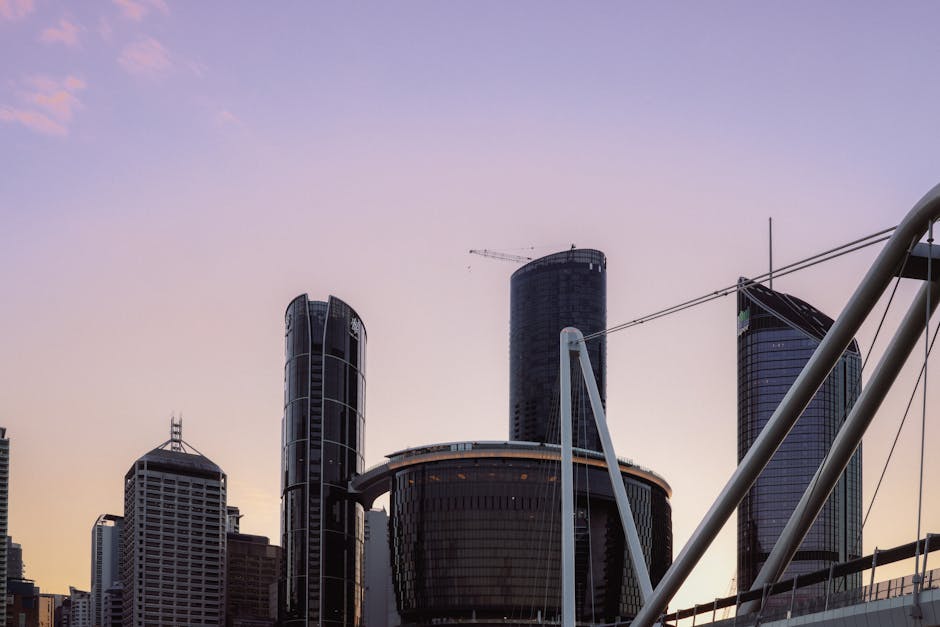 Easy
EasyBrisbane, Australia
Discover Brisbane’s architectural gems on this self-guided stroll through the South Bank Cultural Precinct’s iconic galleries and gardens.
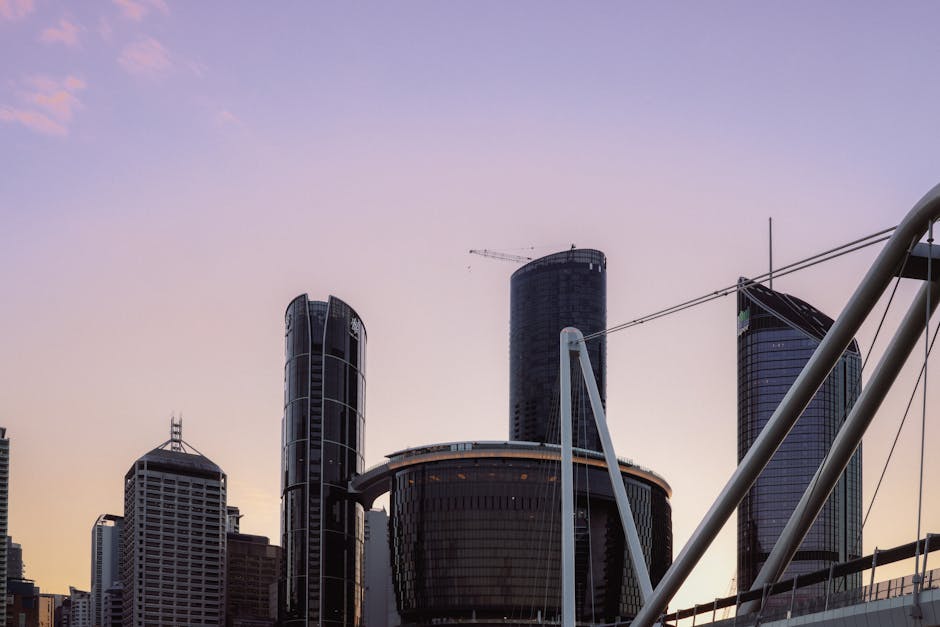 Moderate
Brisbane, Australia
A scenic self-guided stroll from the lush City Botanic Gardens to the dramatic volcanic cliffs and panoramic river views of Kangaroo Point.
 Easy
EasyWarsaw, Poland
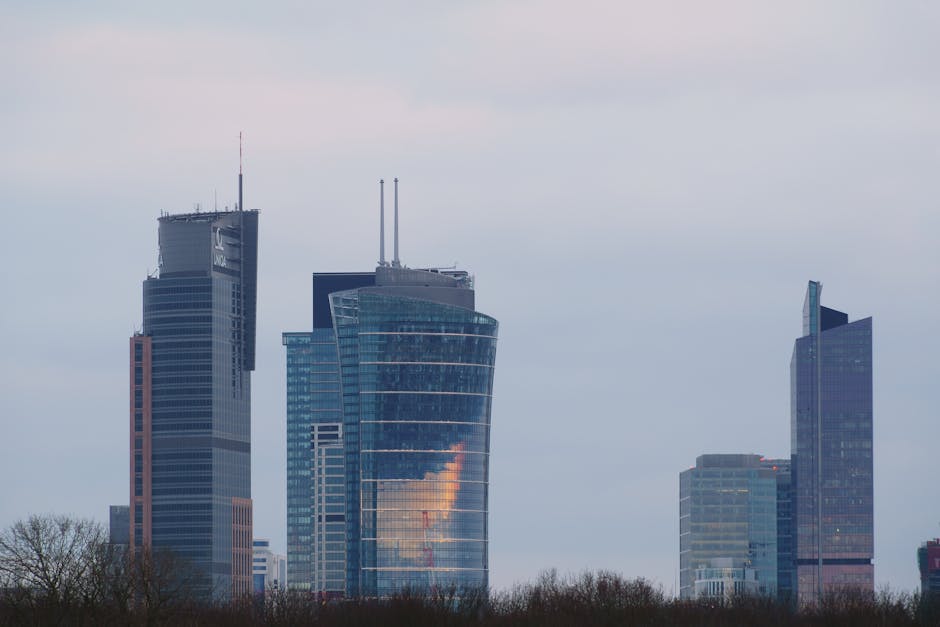
Discover the hidden courtyards and grand pre-war architecture of Warsaw's most atmospheric neighborhood on this self-guided stroll.
 Easy
EasySalzburg, Austria
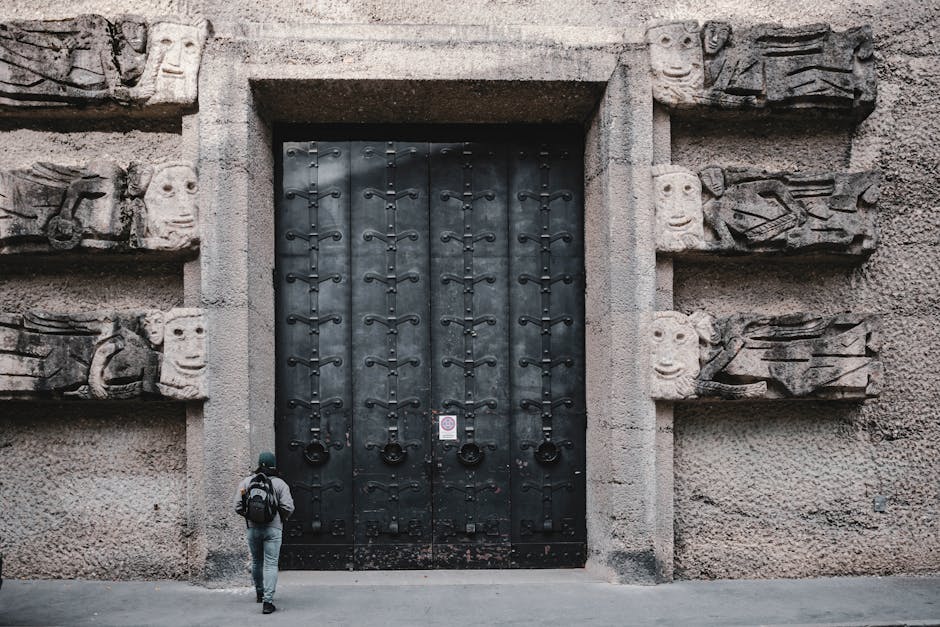
Discover Salzburg's oldest medieval alley, the birthplace of the 'Silent Night' author, and breathtaking views on this quiet self-guided walk.
 Easy
EasyNairobi, Kenya
Discover Nairobi's iconic skyline on this self-guided architecture walk through the CBD’s most famous modernist and Brutalist landmarks.
 Moderate
Vienna, Austria
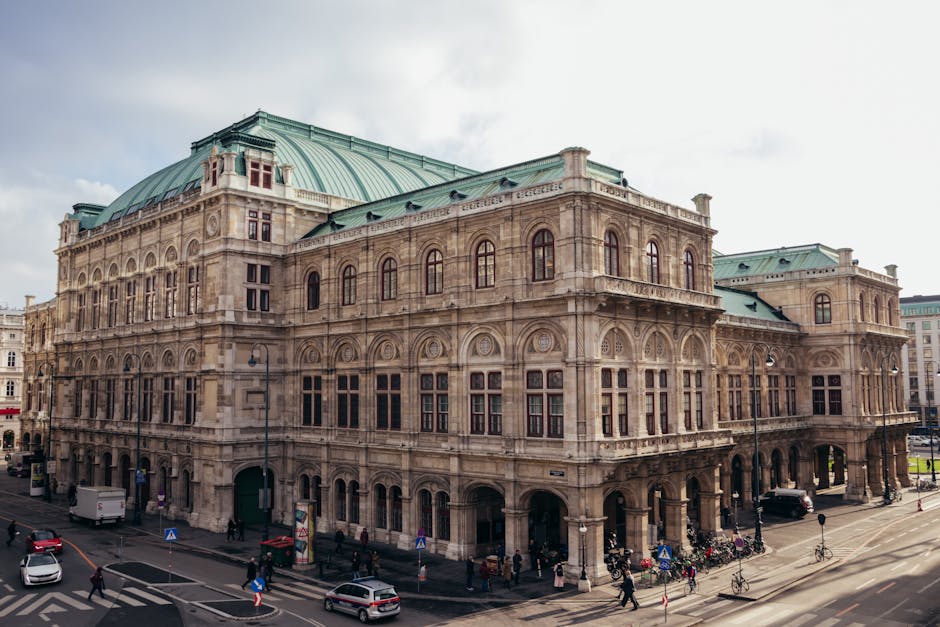
Discover the noir world of The Third Man and Cold War Vienna on this atmospheric self-guided audio walk through the historic Innere Stadt.
 Easy
EasySydney, Australia
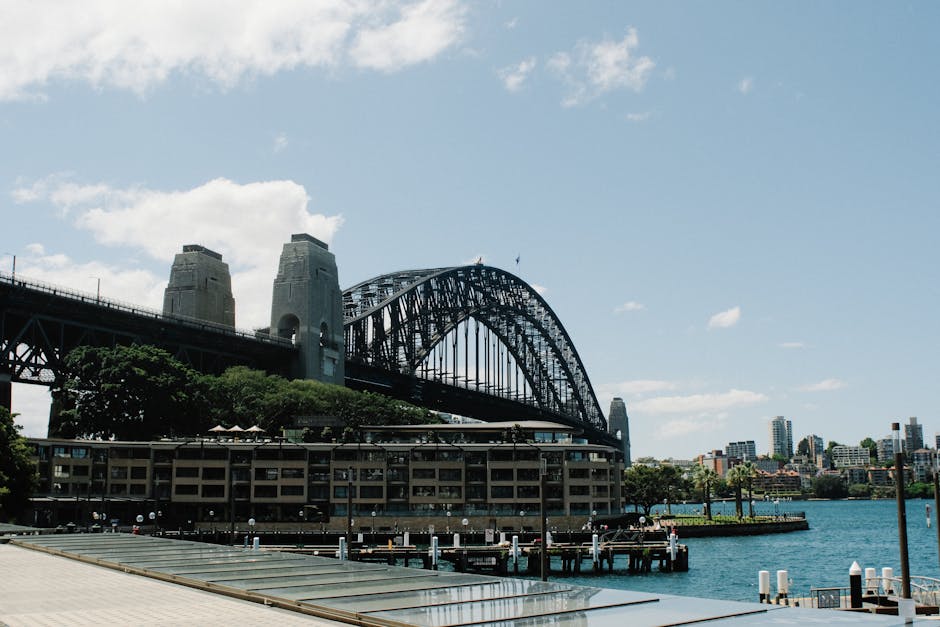
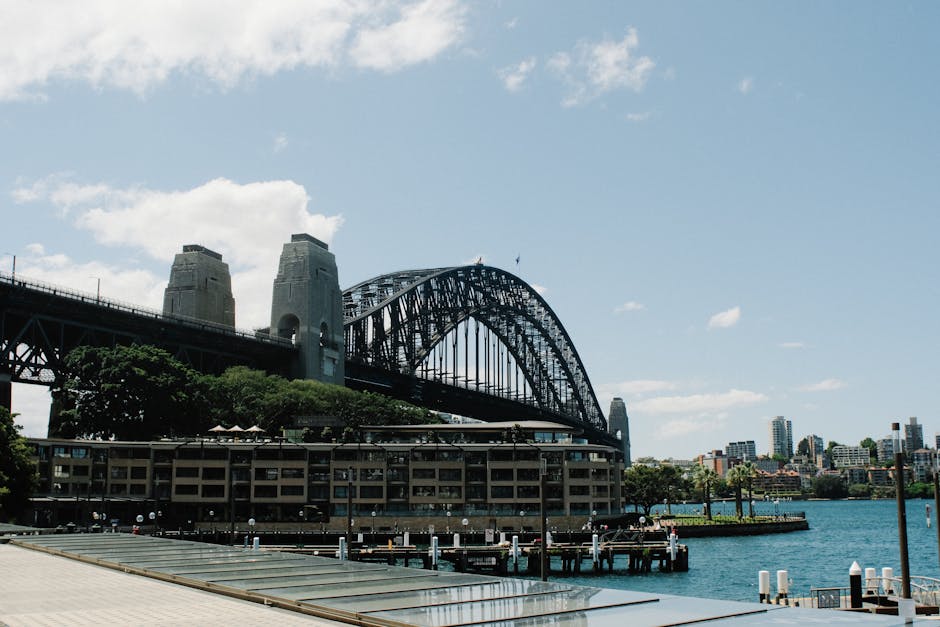
Explore Sydney’s boldest waterfront precinct on this self-guided walk through modern architecture and reclaimed natural landscapes.
 Easy
EasySydney, Australia
Discover Sydney's most stylish neighborhood on this self-guided walk through Art Deco gems and bohemian history.
 Moderate
Sydney, Australia
Explore Surry Hills' creative soul on this self-guided walk through Sydney’s premier coffee, art, and fashion district.
 Moderate
Sydney, Australia
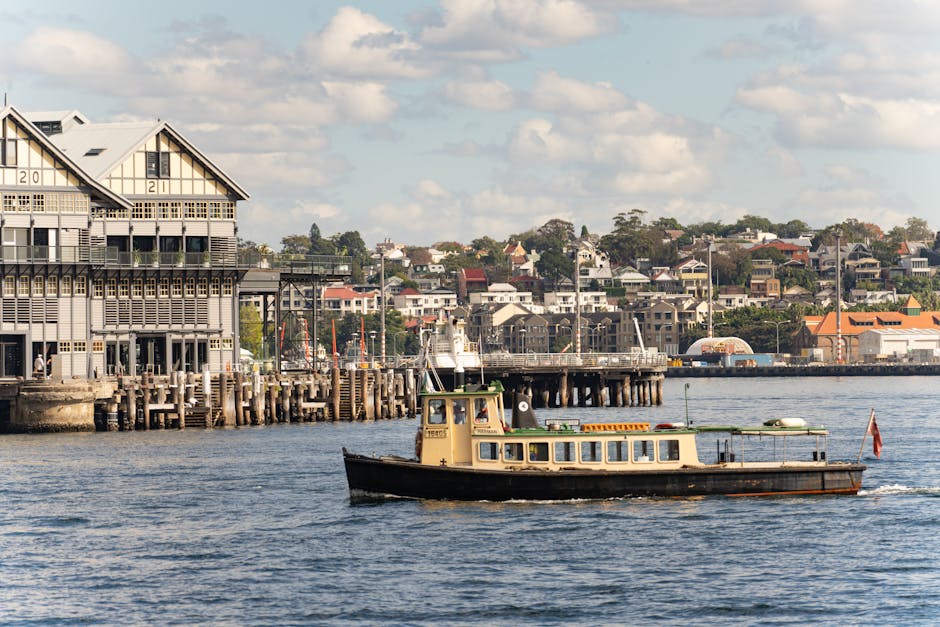
Explore the rugged maritime history and stunning harbor views of Sydney's historic Balmain peninsula on this self-guided walk.