Self-guided audio tour in Amsterdam
Start Free on iPhone
Start free on iPhone to unlock this self-guided walking tour in Amsterdam. Hear all the stories that make it amazing, walk at your own pace, and begin whenever you want.
Your Private Tour Guide
Explore the intersection of socialist ideals and industrial grit on this self-guided walk through Amsterdam’s Westerpark district. Your journey begins in the Spaarndammerbuurt, a neighborhood defined by the Amsterdam School, an architectural style that turned social housing into works of art. The highlight here is Museum Het Schip, known as the 'Palace of the Proletariat,' where brickwork is treated like sculpture and every corner tells a story of community pride. As you move toward the Westergasfabriek, you leave behind the residential and enter the industrial heart of the 19th century. This former gasworks was once a vital source of light for the city but fell into disrepair after the discovery of natural gas in the North Sea. Today, it stands as a shining example of adaptive reuse. The red-brick Neo-Renaissance buildings that once housed boilers and purifying equipment now host independent cinemas, craft breweries, and creative offices. This walking tour Amsterdam offers is more than just a history lesson; it is a sensory experience. You will feel the contrast between the lush, wild greenery of the park’s newer sections and the rigid, circular iron of the Gashouder. The park itself was designed with sustainability in mind, transforming contaminated soil into a thriving ecosystem that serves as the city's green lung. Whether you are an architecture enthusiast interested in the expressive curves of Dutch design or a nature lover seeking a break from the busy canal belt, this neighborhood stroll provides a unique perspective on how Amsterdam honors its past while building a sustainable future. Discover the stories behind the Gashouder’s massive iron structure, which once held millions of liters of gas and now hosts some of the world’s most famous electronic music festivals. Learn how the Ketelhuis evolved from a functional boiler house into a cultural landmark for Dutch film cinema. This independent exploration allows you to linger where you like, perhaps grabbing a local pint at Brouwerij Troost or relaxing by the reflection pools. It is a testament to the city's ability to reinvent itself without losing its historic soul. **Note:** This area is known for its ever-changing character. Street art, pop-up venues, and temporary exhibitions may differ from what's described. That's part of the adventure - you might discover something entirely new!
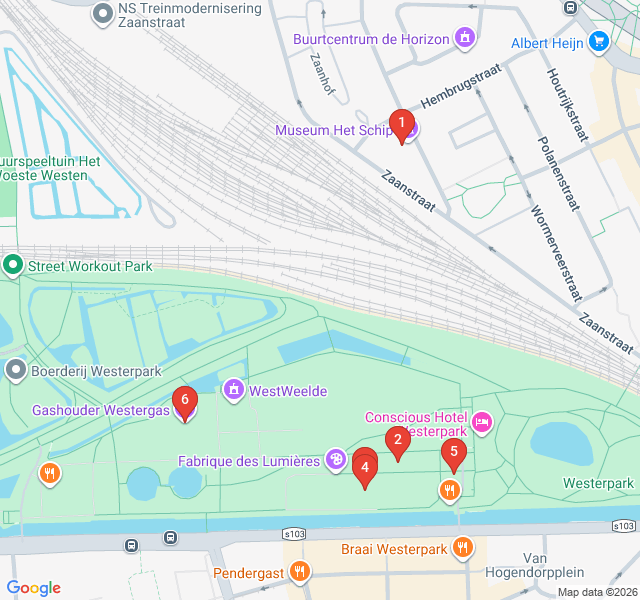
Numbers indicate the order of stops on the tour.
Start your self-guided adventure at Museum Het Schip, the pinnacle of the Amsterdam School architectural movement. Built between 1919 and 1921, this housing complex was designed by Michel de Klerk as a 'palace' for the working class. Look closely at the brickwork; the Amsterdam School is famous for using bricks like clay, creating organic, flowing shapes and decorative patterns that seem to defy the rigid nature of the material. The building earned its name because its silhouette resembles a large ship. Beyond the aesthetics, this site represents a social revolution, providing dignified, beautiful housing for dockworkers. Note the iconic tower and the integrated post office, which showcase how the architects believed that beauty should be accessible to everyone, not just the wealthy. It remains one of the most photographed examples of Dutch expressionism in the world.
Transition from the residential to the industrial as you arrive at the Ketelhuis. Originally built in the late 19th century, this building served as the boiler house for the Westergasfabriek, providing the heat and energy needed to process coal into gas. Today, the steam and coal are gone, replaced by the flicker of projectors. Since the 1990s, the Ketelhuis has served as a dedicated cinema for Dutch and European independent films. The building’s high ceilings and large windows are classic hallmarks of industrial utility, yet they now provide a cozy atmosphere for movie-goers. It is a prime example of how Amsterdam preserves its industrial bones while filling them with new cultural life. Take a moment to admire the red-brick facade, which mirrors the architectural pride seen at your previous stop, albeit with a more functional, rugged purpose.
Continue your walking route to Brouwerij Troost, located in a building that once functioned as a laboratory for the gasworks. Here, chemists would test the quality and safety of the gas being produced for the city. Today, the chemistry is of a different sort, as the space has been converted into a craft brewery and distillery. The large industrial windows and open-plan interior remind visitors of the building's hardworking past, but the copper brewing kettles now hold beer instead of chemical reagents. This stop highlights the social revival of the Westerpark area; what was once a restricted, polluted industrial zone is now a favorite local gathering spot. If the weather is fair, the terrace offers a perfect vantage point to observe the mix of locals and travelers who come here to enjoy the park's unique atmosphere.
You are now standing at the administrative heart of the former Imperial Continental Gas Association. Established in 1885, this complex was once one of the largest gasworks in the Netherlands. These buildings housed the offices and service centers that kept the lights on in Amsterdam for decades. The architecture here is Neo-Renaissance, a style that was often used for public and utility buildings to project a sense of stability and importance. Notice the intricate details in the masonry and the rhythmic placement of the windows. When gas production ceased in 1967, these buildings faced demolition, but a dedicated effort in the 1980s and 90s saved them. They now serve as creative hubs for tech companies and artists, proving that industrial heritage can be the foundation for a modern, innovative economy.
Step into the greenery of Westerpark itself. This is not your typical manicured city park; it is a landscape designed to heal. In the late 1990s, the soil here was heavily contaminated from a century of gas production. Instead of just hauling the dirt away, the city commissioned a design that incorporated the history of the site. The park features a blend of formal gardens, wilder woodlands, and wide reflection pools that follow the lines of the old industrial tracks. The water you see isn't just for show; it's part of a complex filtration system. As you walk, you'll notice how the park seamlessly connects the historic brick buildings with the natural world. It is a favorite spot for Amsterdammers to picnic, jog, and escape the tourist crowds of the city center, offering a literal breath of fresh air.
Your self-guided walk concludes at the Gashouder, the most iconic structure in the park. This massive circular building was once a telescope-style gas holder where gas was stored under its own weight. When it was built in 1902, it was a marvel of engineering, featuring a pillarless interior and a vast iron roof. Today, its incredible acoustics and cavernous space make it one of Europe's premier venues for techno festivals, fashion shows, and large-scale art installations. The rusted iron exterior serves as a monumental reminder of the area's heavy industrial past. While the interior is often closed for private events, the sheer scale of the exterior is enough to impress. It stands as a symbol of the Westerpark’s transformation: from a site of heavy production to a temple of modern culture and celebration.
Start Free on iPhone
Explore “Gasworks to Greenery: Westerpark Industrial Revival” with your very own Private Tour Guide with Zigway. Start free on iPhone, skip the large group and the fixed routes, and hear the city come alive as you go.
Your Private Tour Guide
Don't miss the good stuff
Explore Freely
 Easy
EasyAmsterdam, Netherlands
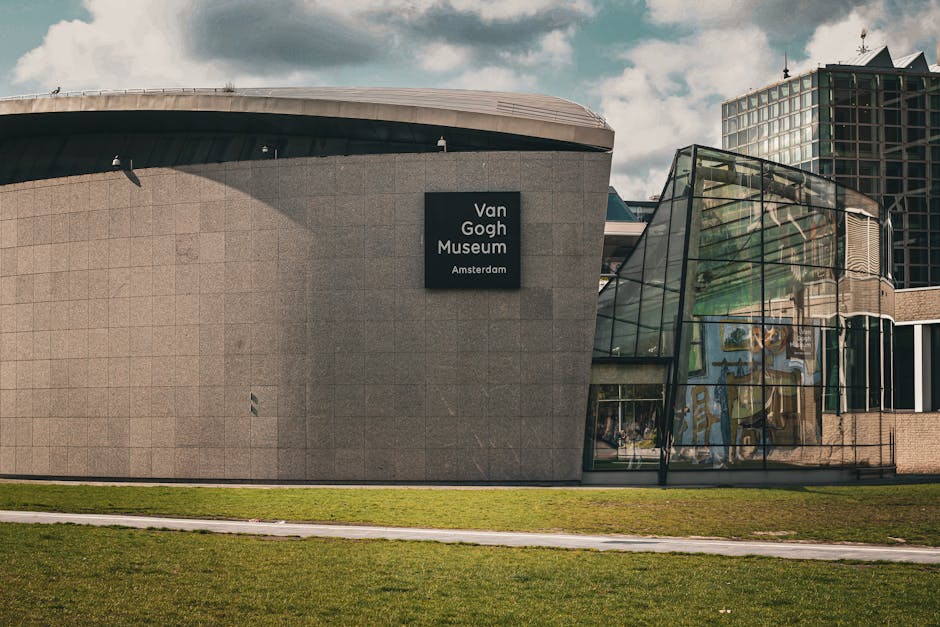
Discover Amsterdam's cultural heart on this self-guided walk from the iconic Museumplein to the serene blooming gardens of Vondelpark.
 Easy
EasyAmsterdam, Netherlands
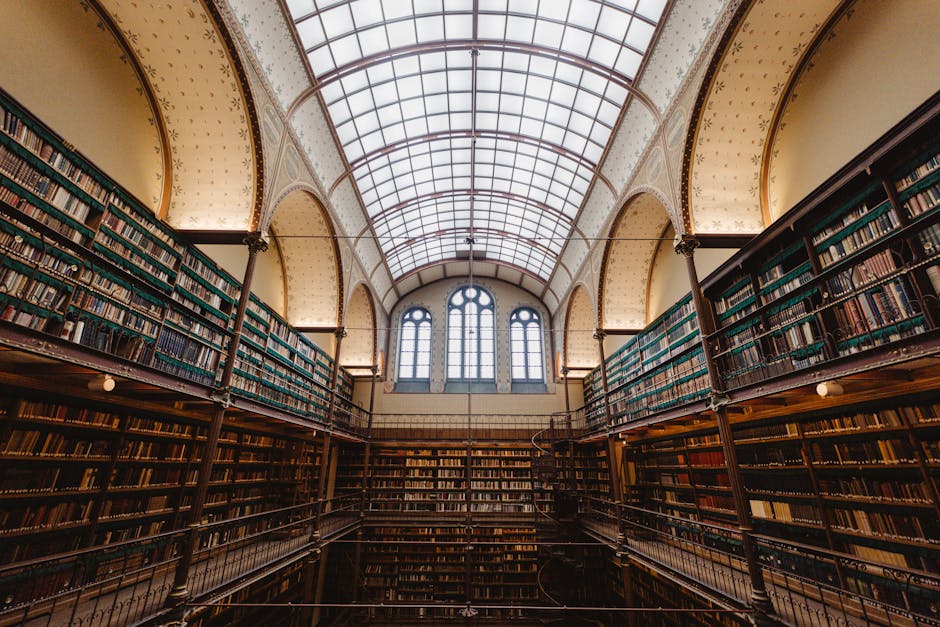
Discover Amsterdam's literary heart on this self-guided walk through historic bookshops, writers' haunts, and the homes of revolutionary thinkers.
 Easy
EasyAmsterdam, Netherlands
Capture the magic of Amsterdam with this self-guided photography walk across the iconic bridges and scenic banks of the Amstel River.
 Easy
EasyAmsterdam, Netherlands
Discover the opulent 17th-century mansions and rich history of Amsterdam's famous Canal Belt on this self-guided architectural walking route.
 Easy
EasyGothenburg, Sweden
Explore Gothenburg's maritime soul on this self-guided walk from historic shipyards to sleek modern piers and iconic industrial landmarks.
 Easy
EasyKrakow, Poland
Discover Krakow’s creative soul in Zabłocie, exploring industrial heritage, contemporary art museums, and avant-garde architecture at your own pace.
 Easy
EasyWarsaw, Poland
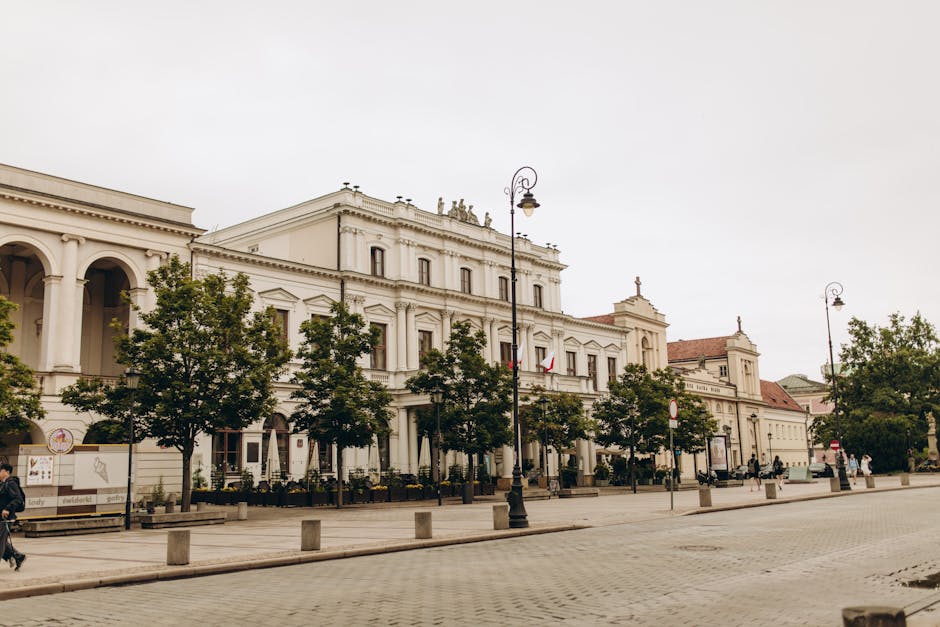
Explore Warsaw's scenic riverfront, rooftop gardens, and industrial-chic architecture on this self-guided stroll through the Powiśle district.
 Easy
EasyHelsinki, Finland
Discover Helsinki's oldest neighborhood on this self-guided audio walk through Kruununhaka’s historic streets, hidden courtyards, and scenic shores.
 Easy
EasyRotterdam, Netherlands
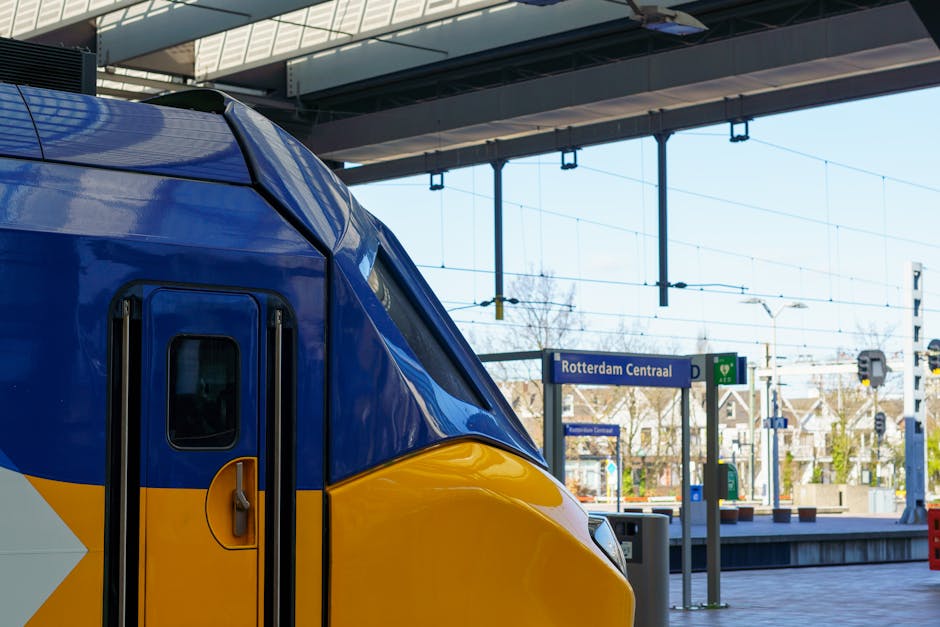
Explore Rotterdam’s cultural heart on this self-guided walk through world-class museums, modernist villas, and futuristic architectural landmarks.
 Easy
EasyRotterdam, Netherlands
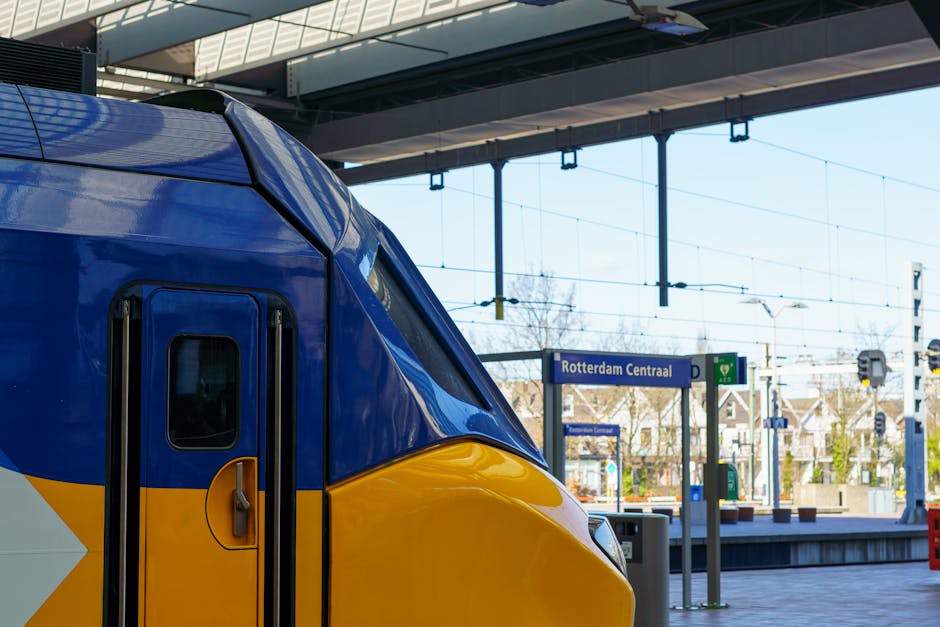
Capture Rotterdam's iconic skyline and historic bridges on this scenic self-guided photography walk along the Maas River and Noordereiland.
 Moderate
Rotterdam, Netherlands
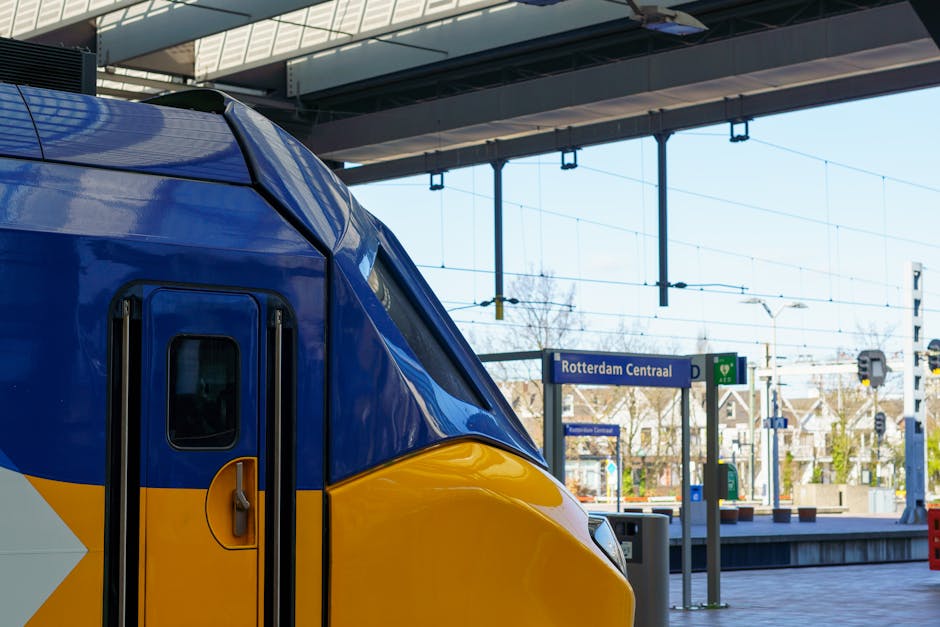
Explore Rotterdam’s lush side through secret gardens, historic harbors, and the elegant 19th-century Shipping Quarter on this self-guided walk.
 Easy
EasyRotterdam, Netherlands
Explore Rotterdam's neon-lit streets and vibrant nightlife at your own pace with this independent audio walk through the city's coolest districts.