Self-guided audio tour in Rotterdam
Start Free on iPhone
Start free on iPhone to unlock this self-guided walking tour in Rotterdam. Hear all the stories that make it amazing, walk at your own pace, and begin whenever you want.
Your Private Tour Guide
Escape the sleek skyscrapers and industrial bustle of Rotterdam to discover the city's lush, romantic heart. This self-guided walk takes you through the Scheepvaartkwartier, or Shipping Quarter, a neighborhood that miraculously survived the bombings of WWII and retains its 19th-century elegance. While many travelers associate Rotterdam with modern architecture, this route reveals a side of the city defined by weeping willows, historic harbors, and secret botanical sanctuaries. Your journey begins at the majestic Wereldmuseum, housed in a former Royal Yacht Club building, where the city’s maritime wealth first met global culture. As you stroll along the cobblestones, you will encounter the Veerhaven, a picturesque harbor where classic wooden sailing ships bob gently in the water, offering a glimpse into the Golden Age of Dutch shipping. The true highlight of this neighborhood stroll is the Historische Tuin Schoonoord. Often missed by those on a standard walking tour Rotterdam, this hidden gem is a tranquil 18th-century garden featuring ancient trees, a quiet pond, and a level of serenity rarely found in a major port city. It is the perfect place to pause and appreciate the meticulous landscape design that has been preserved for centuries. The route continues toward the Norwegian Seamen's Church, a striking wooden structure that serves as a reminder of the international community that built this city. From there, you will enter Het Park, designed by the famous Zocher architects. This expansive green space is a local favorite, offering winding paths and views of the iconic Euromast. Whether you are interested in maritime history, hidden gardens, or simply seeking a peaceful escape, this walking route provides a comprehensive look at the softer, greener side of Rotterdam. Unlike a traditional guided tour Rotterdam, this self-guided adventure allows you to linger under the canopy of Het Park or spend extra time photographing the historic villas at your own pace.
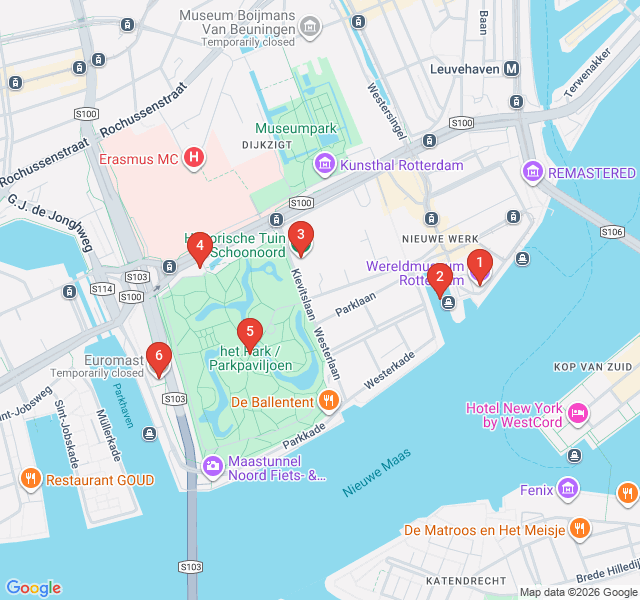
Numbers indicate the order of stops on the tour.
Start your journey at the Wereldmuseum, an architectural masterpiece overlooking the Maas River. This building was originally the Royal Yacht Club, founded by Prince Henry of the Netherlands in 1851. It served as a meeting place for the city's elite and a repository for objects brought back by Dutch explorers and merchants. Today, it stands as a testament to Rotterdam's long-standing connection to the wider world. Notice the grand facade, which reflects the wealth generated by the port during the 19th century. This area, the Scheepvaartkwartier, is one of the few parts of the city center that remained intact after the 1940 blitz, preserving the historic soul of Rotterdam.
Just a short walk away is the Veerhaven, perhaps the most atmospheric harbor in the city. Unlike the massive container terminals you might see further down the river, the Veerhaven is home to the 'Historical Tuigage,' a collection of traditional sailing vessels and classic yachts. The surrounding buildings are remarkably grand, once housing the offices of wealthy shipping magnates. As you walk along the quay, take a moment to enjoy the contrast between the old wooden masts and the modern skyscrapers of the Wilhelminapier visible across the water. It is a perfect spot to appreciate how Rotterdam balances its maritime heritage with its futuristic ambitions.
Step through the unassuming gates of Schoonoord and enter what many locals consider the city's best-kept secret. This garden was originally part of a private estate laid out in the 18th century. It features a unique collection of flora, including Lebanese cedars and a massive swamp cypress that is over 160 years old. The layout follows the English landscape style, designed to look naturally wild yet meticulously curated. Because it is tucked away behind high walls, the garden remains incredibly quiet, offering a peaceful sanctuary from the urban environment. It’s a rare example of a private green space that has been opened for public enjoyment while maintaining its intimate character.
As you approach the edge of Het Park, you will find the Norwegian Seamen's Church (Sjømannskirken). Built in 1914, this distinctive wooden structure looks like it was transported directly from a Scandinavian forest. It was constructed to serve the thousands of Norwegian sailors who passed through Rotterdam's port every year. Inside, it still functions as a community hub, often serving traditional Norwegian waffles. The church is a reminder of the diverse international communities that have called Rotterdam home and the city's role as a safe harbor for travelers. Its rustic, dark-wood exterior provides a beautiful contrast to the surrounding green lawns.
Welcome to Het Park, simply known to locals as 'The Park.' Laid out in 1852 by the Zocher brothers—the same landscape architects who designed Amsterdam's Vondelpark—it is a masterpiece of the Romantic style. With its winding paths, ornamental ponds, and vast meadows, it offers a classic European park experience. Look out for the historic Villa Parkzicht, which now houses a restaurant, and the various statues tucked away in the groves. This is the heart of Rotterdam’s outdoor life, where people come to picnic, play, and find shade under ancient oak trees. The park’s design intentionally frames views of the nearby Euromast, blending nature with the city’s skyline.
Your walk concludes at the Euromast, the tallest observation tower in the Netherlands. Built in 1960 for the Floriade international flower and garden exhibition, it was designed by architect Hugh Maaskant to resemble a ship's mast. Over the years, it was extended to reach a height of 185 meters. While the tower itself is a marvel of mid-century engineering, its location at the edge of the park marks the transition from the historic greenery of the Scheepvaartkwartier to the industrial scale of the modern port. From here, you can see the Maas River stretching toward the North Sea, a fitting end to a route that explores the intersection of nature and maritime history.
Start Free on iPhone
Explore “Green Escapes & Hidden Gardens” with your very own Private Tour Guide with Zigway. Start free on iPhone, skip the large group and the fixed routes, and hear the city come alive as you go.
Your Private Tour Guide
Don't miss the good stuff
Explore Freely
 Easy
EasyRotterdam, Netherlands
Explore Rotterdam’s cultural heart on this self-guided walk through world-class museums, modernist villas, and futuristic architectural landmarks.
 Easy
EasyRotterdam, Netherlands
Capture Rotterdam's iconic skyline and historic bridges on this scenic self-guided photography walk along the Maas River and Noordereiland.
 Easy
EasyRotterdam, Netherlands
Explore Rotterdam's neon-lit streets and vibrant nightlife at your own pace with this independent audio walk through the city's coolest districts.
 Easy
EasyRotterdam, Netherlands
Discover Rotterdam’s seafaring soul on this self-guided walk through the historic Old Harbor, iconic skyscrapers, and maritime landmarks.
 Moderate
Helsinki, Finland
Explore the 'Gibraltar of the North' on this independent walking route through the historic bastions and hidden gardens of Suomenlinna Sea Fortress.
 Moderate
Nairobi, Kenya
Discover Nairobi's lush side on this self-guided walk through botanical gardens, historic memorials, and vibrant local markets.
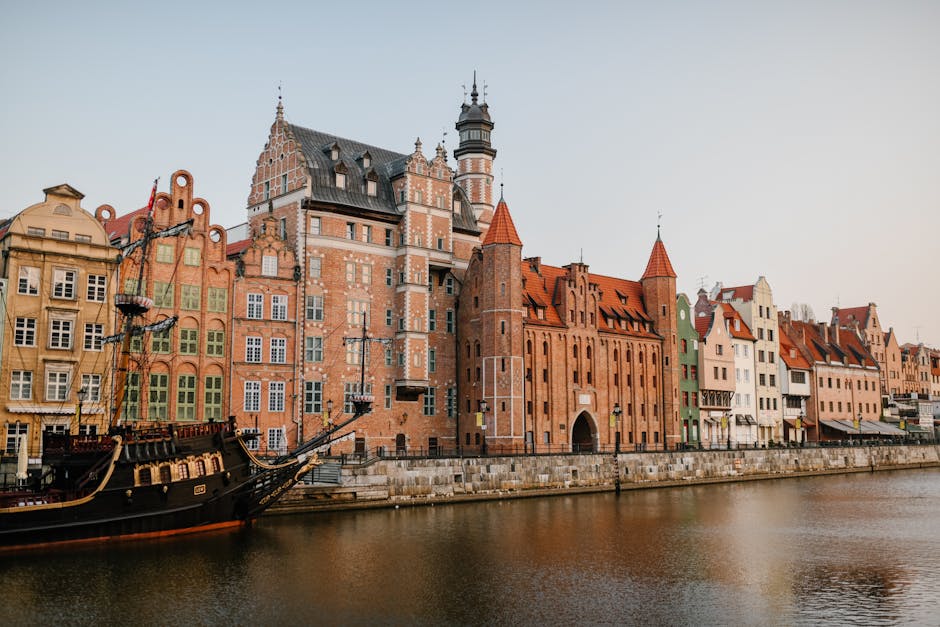 Easy
EasyGdansk, Poland
Discover the monastic heritage, world-famous organs, and lush botanical gardens of Oliwa on this peaceful self-guided neighborhood stroll.
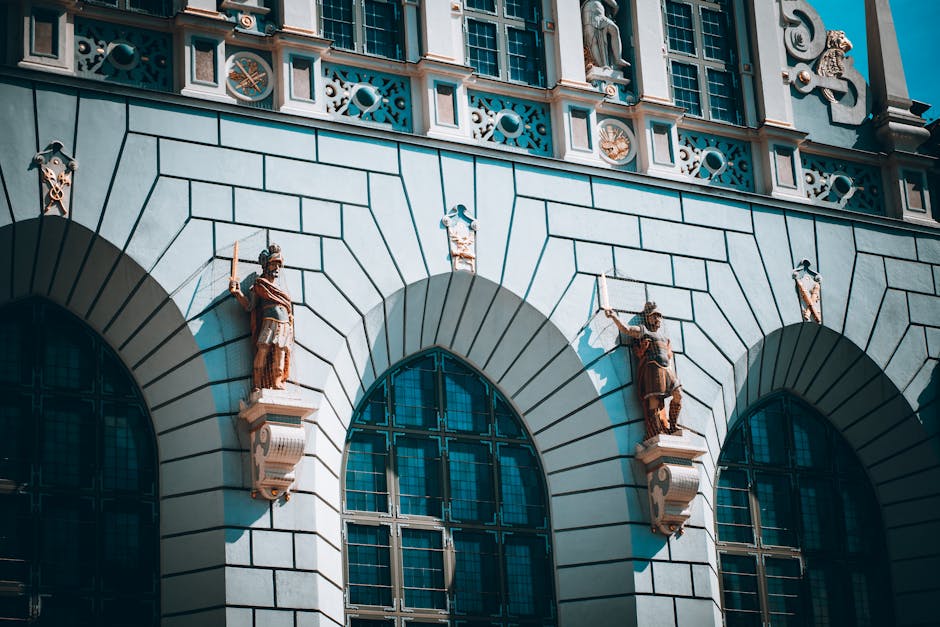 Moderate
Gdansk, Poland
Discover Zaspa, a massive open-air gallery where grey housing blocks are transformed by over 60 monumental murals. Explore at your own pace.
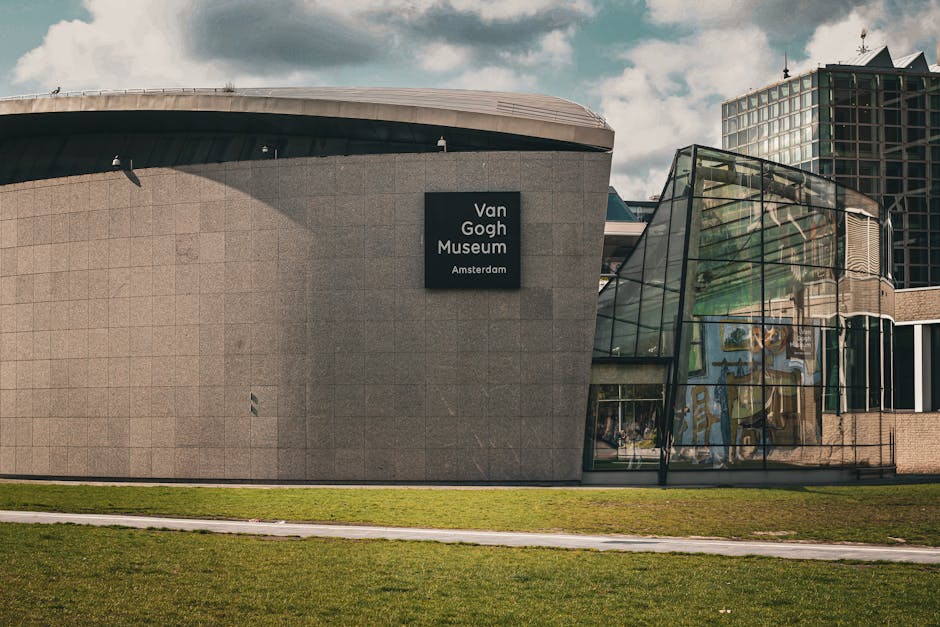 Easy
EasyAmsterdam, Netherlands
Discover Amsterdam's cultural heart on this self-guided walk from the iconic Museumplein to the serene blooming gardens of Vondelpark.
 Easy
EasyAmsterdam, Netherlands
Discover Amsterdam's literary heart on this self-guided walk through historic bookshops, writers' haunts, and the homes of revolutionary thinkers.
 Easy
EasyAmsterdam, Netherlands
Capture the magic of Amsterdam with this self-guided photography walk across the iconic bridges and scenic banks of the Amstel River.
 Easy
EasyAmsterdam, Netherlands
Discover the opulent 17th-century mansions and rich history of Amsterdam's famous Canal Belt on this self-guided architectural walking route.