Self-guided audio tour in Rotterdam
Start Free on iPhone
Start free on iPhone to unlock this self-guided walking tour in Rotterdam. Hear all the stories that make it amazing, walk at your own pace, and begin whenever you want.
Your Private Tour Guide
Step away from the futuristic skyscrapers and neon lights of modern Rotterdam and enter a pocket of the 17th century. This self-guided walk through Historic Delfshaven reveals a side of the city that survived the 1940 bombings, offering a rare glimpse into the Golden Age of the Netherlands. Once the bustling port for the city of Delft, this neighborhood is steeped in maritime lore, colonial history, and religious significance. As you wander along the tranquil canals, you will discover the departure point of the Pilgrims before they set sail for the New World and see where the Dutch East India Company once stored its precious cargo. This neighborhood stroll is perfect for those who want to explore at their own pace, moving from historic warehouses to a working windmill. While many visitors stick to the city center, a walking tour Rotterdam enthusiasts often recommend is this journey through Delfshaven, as it provides the necessary historical context to understand the city's seafaring soul. The route is easy to navigate and rich with architectural details, from stepped gables to historic sailing vessels moored in the harbor. Whether you are interested in the origins of the American Thanksgiving or the industrial heritage of Dutch gin, this audio walk provides a comprehensive look at a resilient community. It is a stark contrast to the experimental architecture found elsewhere, making it a must-see for anyone interested in a traditional walking tour Rotterdam experience. Enjoy the freedom to stop for a local craft beer or photograph the iconic windmill without the pressure of a group schedule. This self-guided adventure is your key to unlocking the stories of the merchants, sailors, and rebels who built this harbor.
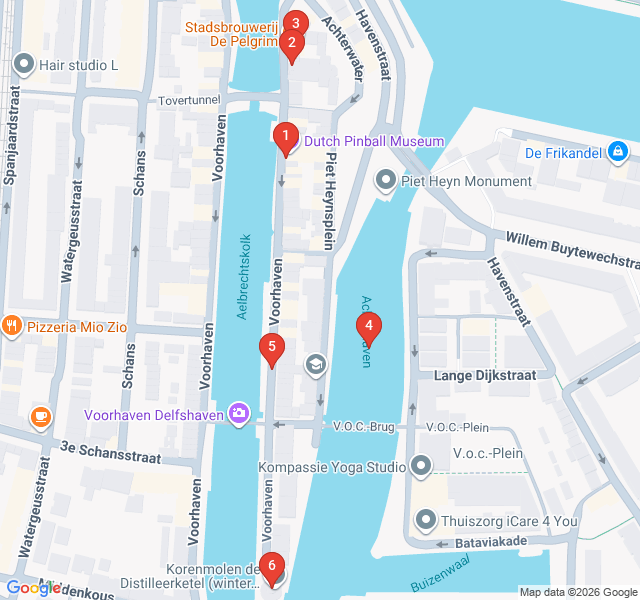
Numbers indicate the order of stops on the tour.
Begin your self-guided adventure at De Dubbelde Palmboom. This impressive building dates back to 1825 and originally served as a warehouse for grain and later as a distillery. Its name, 'The Double Palm Tree,' reflects the exotic goods that once flowed through this port. While the city of Delft was famous for its pottery, it lacked a deep-water port, leading to the creation of Delfshaven in 1389. This warehouse stands as a monument to that era of trade and industry. Look up at the sturdy brickwork and the traditional loading doors; these were essential for hoisting sacks of grain into the upper floors. Today, it serves as a branch of Museum Rotterdam, housing artifacts that tell the story of the city’s labor and craft history.
Standing before the Oude of Pelgrimvaderskerk, you are at a site of immense global significance. In July 1620, a group of English Separatists, now known as the Pilgrims, gathered here for their final service on European soil. They had lived in Leiden for 11 years but sought a new life in America. From the quay right outside this church, they boarded the Speedwell to meet the Mayflower in England. Although the Speedwell eventually proved unseaworthy, the spirit of their journey began here. The church itself dates back to the 15th century and features a beautiful facade with a small bell tower. It remains a place of pilgrimage for many Americans tracing their ancestral roots back to these early settlers.
Just next door to the church, you will find the City Brewery 'The Pilgrim.' This building was formerly the town hall of Delfshaven when it was an independent municipality. Since 1996, it has revived the local brewing tradition that once flourished in this district. In the 17th century, clean water was scarce, and beer was a primary beverage for everyone from sailors to children. The brewery uses traditional methods to craft its ales, often naming them after local historical figures. The interior retains a cozy, old-world Dutch atmosphere with dark wood and copper kettles. It is a perfect example of how historic spaces in this neighborhood have been repurposed for modern enjoyment while respecting their heritage.
As you walk toward the Achterhaven, or 'Rear Harbor,' take a moment to observe the historic sailing vessels often moored here. This part of the harbor was vital for the Dutch West India Company and later the fishing industry. Unlike the modern, automated Port of Rotterdam you see today, this area relied on wind power and manual labor. The surrounding houses were once the homes of wealthy merchants and sea captains. Notice the narrowness of the buildings; in the 17th century, property taxes were often based on the width of the street frontage, leading to the tall, slim architectural style that is quintessentially Dutch. The reflection of these gabled houses in the still water makes this one of the most photographed spots in the city.
The Voorhaven, or 'Front Harbor,' is the main artery of historic Delfshaven. This canal was the primary connection to the Nieuwe Maas river. Walking along these quays, you are following in the footsteps of Admiral Piet Hein, a Dutch naval hero born in a house nearby in 1577. He is famous for capturing the Spanish Treasure Fleet in 1628, a feat that brought immense wealth to the Dutch Republic. The architecture here is remarkably well-preserved compared to the rest of Rotterdam. Look for the 'gevelstenen' or gable stones—decorative plaques on the houses that often indicated the profession or name of the original owner before street numbers were standardized.
Your walking route concludes at one of the tallest windmills in the Netherlands. De Distilleerketel is a traditional grain mill that played a crucial role in the local gin (jenever) industry. The mill ground the malted grain required by the many distilleries that once operated in Delfshaven. The original mill was destroyed during the 1940 bombings, but it was faithfully reconstructed in 1986. It is still a working mill today, and you can often buy flour ground right here in the small shop. The sheer scale of the sails is a testament to the engineering prowess of the Dutch, who harnessed the North Sea winds to power their industrial revolution long before the age of steam.
Start Free on iPhone
Explore “Historic Delfshaven Time Travel” with your very own Private Tour Guide with Zigway. Start free on iPhone, skip the large group and the fixed routes, and hear the city come alive as you go.
Your Private Tour Guide
Don't miss the good stuff
Explore Freely
 Easy
EasyRotterdam, Netherlands
Explore Rotterdam’s cultural heart on this self-guided walk through world-class museums, modernist villas, and futuristic architectural landmarks.
 Easy
EasyRotterdam, Netherlands
Capture Rotterdam's iconic skyline and historic bridges on this scenic self-guided photography walk along the Maas River and Noordereiland.
 Moderate
Rotterdam, Netherlands
Explore Rotterdam’s lush side through secret gardens, historic harbors, and the elegant 19th-century Shipping Quarter on this self-guided walk.
 Easy
EasyRotterdam, Netherlands
Explore Rotterdam's neon-lit streets and vibrant nightlife at your own pace with this independent audio walk through the city's coolest districts.
 Easy
EasyHelsinki, Finland
Discover Helsinki's oldest neighborhood on this self-guided audio walk through Kruununhaka’s historic streets, hidden courtyards, and scenic shores.
 Easy
EasyGothenburg, Sweden
Explore Gothenburg's maritime soul on this self-guided walk from historic shipyards to sleek modern piers and iconic industrial landmarks.
 Easy
EasyGothenburg, Sweden
Discover Gothenburg’s 17th-century Dutch foundations, historic canals, and military fortifications on this self-guided architectural walk.
 Easy
EasyKrakow, Poland
Explore the prestigious Jagiellonian University district, featuring Neo-Gothic architecture, Baroque churches, and Krakow's hidden scholarly gems.
 Easy
EasyAmsterdam, Netherlands
Discover Amsterdam's cultural heart on this self-guided walk from the iconic Museumplein to the serene blooming gardens of Vondelpark.
 Easy
EasyAmsterdam, Netherlands
Discover Amsterdam's literary heart on this self-guided walk through historic bookshops, writers' haunts, and the homes of revolutionary thinkers.
 Easy
EasyAmsterdam, Netherlands
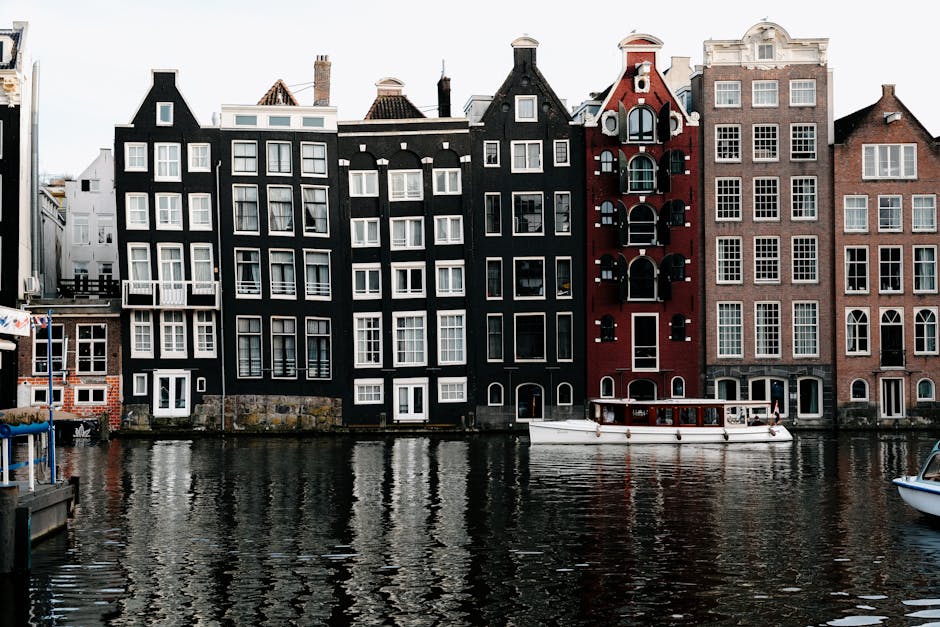
Capture the magic of Amsterdam with this self-guided photography walk across the iconic bridges and scenic banks of the Amstel River.
 Easy
EasyAmsterdam, Netherlands
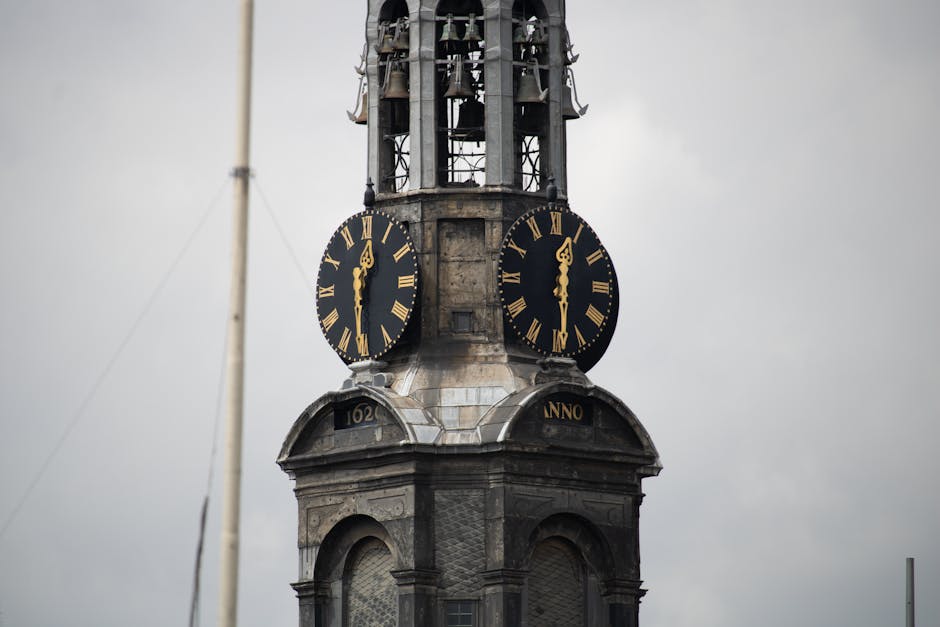
Discover the opulent 17th-century mansions and rich history of Amsterdam's famous Canal Belt on this self-guided architectural walking route.