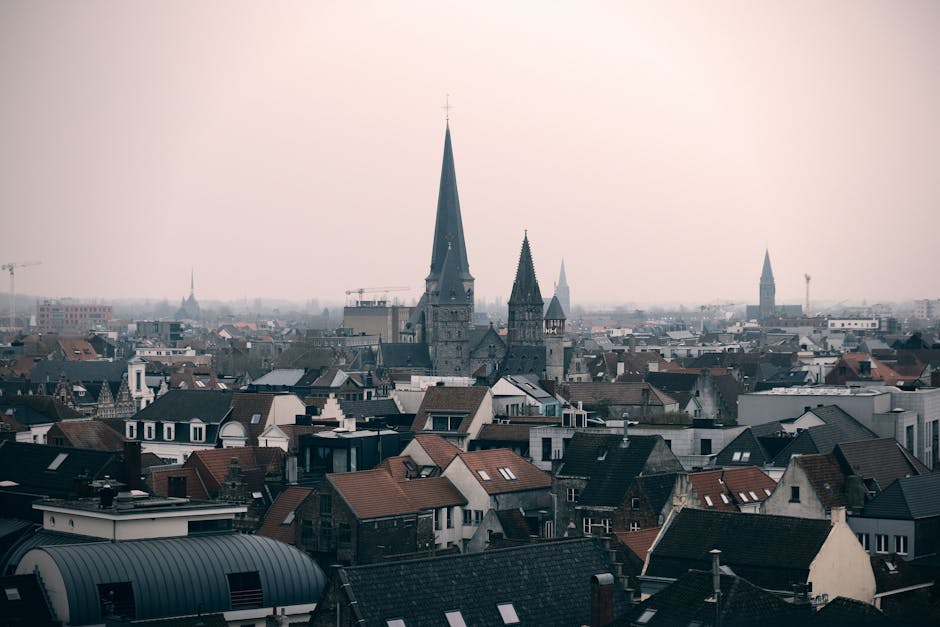
Self-guided audio tour in Ghent
Start Free on iPhone
Start free on iPhone to unlock this self-guided walking tour in Ghent. Hear all the stories that make it amazing, walk at your own pace, and begin whenever you want.
Your Private Tour Guide
Ghent is often celebrated for its medieval spires and cobblestone charm, but beneath its historic surface lies a rebellious, colorful soul. This self-guided walk invites you to step away from the traditional sights and immerse yourself in the city's thriving urban art scene. As you navigate the winding streets of the city center and venture toward the industrial north, you will discover that Ghent is a living canvas where international legends like ROA share space with local underground talent. The route begins in the heart of the city at the famous Graffiti Street, a legal zone where the layers of paint are so thick they have physically narrowed the alley over decades. From there, the journey takes you past massive monochromatic murals by the world-renowned ROA, whose signature animal motifs have become a symbol of Ghent's artistic identity. This neighborhood stroll is designed for those who appreciate the ephemeral nature of art. Because street art is constantly evolving, every visit offers a new perspective, with fresh tags and intricate masterpieces appearing overnight. You will explore hidden pockets like the Baudelopark, where green space meets gritty creativity, and the Grindbakken, a former industrial site where concrete pits for sand and gravel have been reclaimed by the local graffiti community. The walk concludes at the Glasfabriek, a former glass factory that now serves as a creative hub, embodying the city's knack for repurposing its industrial heritage. Whether you are a photography enthusiast looking for the perfect shot or a traveler seeking an alternative to the standard walking tour Ghent offers, this route provides a deep dive into the creative energy that makes Ghent one of Europe's most vibrant cultural destinations. Explore at your own pace, stop for a coffee in the trendy northern district, and witness how modern expression breathes new life into an ancient city. **Note:** This area is known for its ever-changing character. Street art, pop-up venues, and temporary exhibitions may differ from what's described. That's part of the adventure - you might discover something entirely new!
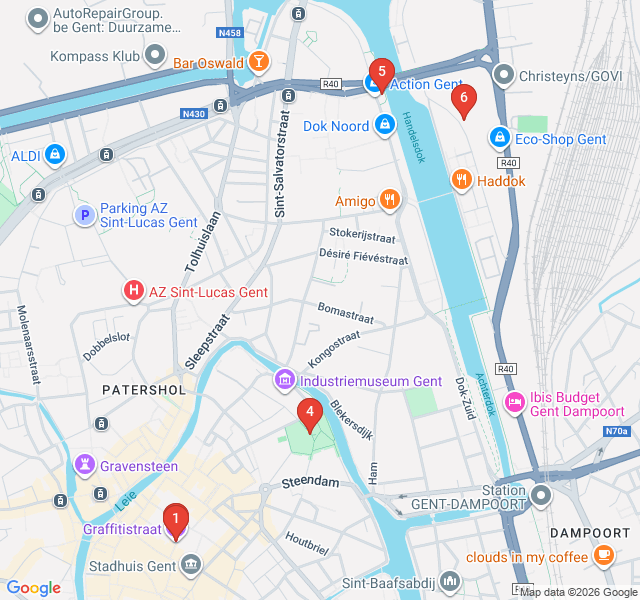
Numbers indicate the order of stops on the tour.
Welcome to Werregarenstraat, better known to locals as Graffiti Street. This narrow alleyway is a unique anomaly in Ghent's strictly preserved city center. Since 1995, it has served as a legal 'tolerance zone' for street artists. Unlike the rest of the city, where unauthorized painting is penalized, here the act of creation is celebrated. As you walk through, notice the incredible texture of the walls; decades of spray paint have created a thick, multi-colored crust. Because this is an open canvas, the art you see today might be gone tomorrow, replaced by a fresh layer of expression. It is a living, breathing monument to the city's democratic approach to public art.
Continuing through this vibrant corridor, you'll see the full spectrum of urban art, from quick 'tags' to elaborate 'pieces.' This alley was officially established during the Ghent Festivities as a way to centralize graffiti and keep it off historic monuments. It has since become a rite of passage for local artists. Take a moment to look at the details—the way colors bleed into one another and how different artists respect or overlap each other's work. This street is never finished; it is a permanent work in progress that perfectly captures Ghent’s edgy and inclusive spirit.
You are now standing before one of Ghent's most iconic pieces of modern art. ROA is a world-renowned street artist who calls Ghent his home, yet his massive monochromatic animals can be found from New York to London. He is famous for his anatomical style and focus on native wildlife. These four sleeping rabbits are a classic example of his work, using the natural texture of the wall to add depth to his black-and-white palette. ROA’s work often highlights the tension between the natural world and urban decay. This specific mural has become a local landmark, proving that street art can be as much a part of a city's soul as its medieval cathedrals.
Baudelopark is a vital green lung in the city's northern district and a favorite hangout for students and locals. While it may look like a typical urban park, keep your eyes on the surrounding walls and structures. The park often serves as a backdrop for temporary art installations and murals that reflect the neighborhood's bohemian vibe. During the summer, this area becomes the heart of the Ghent Festivities, but year-round, it acts as a transition point between the historic center and the gritty, industrial heritage of the north. It is a place where nature and urban subculture coexist peacefully.
Welcome to the Grindbakken, one of the most interesting examples of industrial repurposing in Ghent. These concrete pits were once used to store sand and gravel for the nearby shipping industry. Today, they have been transformed into a sprawling legal graffiti zone. This site is part of the 'Concrete Canvas' project, which aimed to revitalize the old docklands. The raw, brutalist architecture of the pits provides a stark, dramatic contrast to the vibrant spray-painted murals. Explore the different chambers; you'll often find artists at work here, as the sheer scale of the walls allows for massive, ambitious productions that wouldn't fit in the city center alleys.
The final stop on our walking route is the Glasfabriek, a former glass factory that has been reimagined as a temporary creative hub and event space. This site represents the future of Ghent's northern docks—an area in transition from heavy industry to cultural innovation. The large industrial buildings here often host pop-up bars, art studios, and large-scale murals. As you explore the perimeter, you can see how the city's industrial past provides the perfect skeleton for its creative future. It is a fitting end to our walk, showing that in Ghent, the walls don't just have ears—they have voices, colors, and stories to tell.
Start Free on iPhone
Explore “Vibrant Murals and Graffiti Alley” with your very own Private Tour Guide with Zigway. Start free on iPhone, skip the large group and the fixed routes, and hear the city come alive as you go.
Your Private Tour Guide
Don't miss the good stuff
Explore Freely
 Challenging
Ghent, Belgium
Explore Ghent's gritty past and modern rebirth on this self-guided walking route through the historic Northern Docks and industrial heritage sites.
 Easy
EasyGhent, Belgium
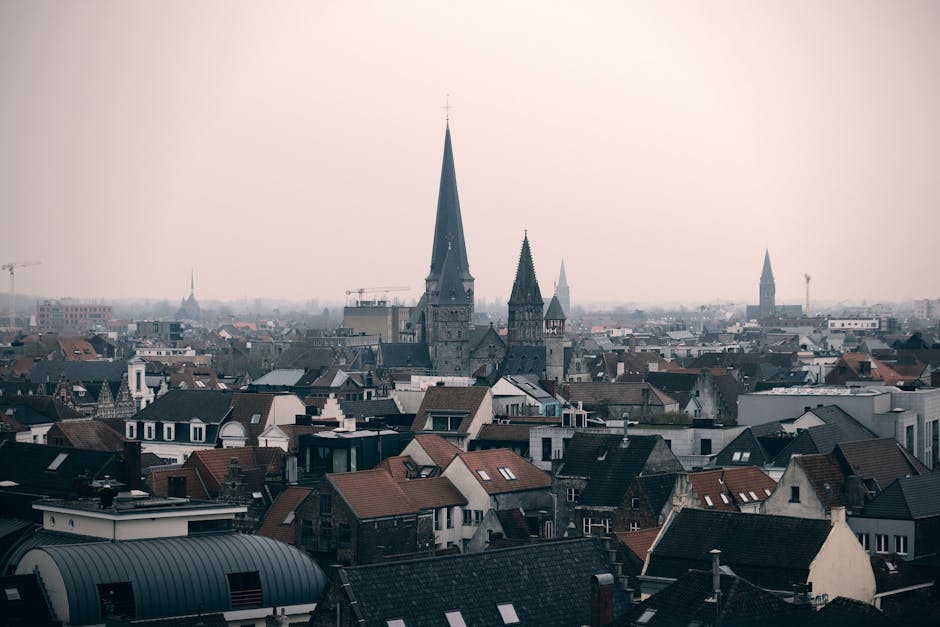
Explore Ghent’s bold architectural evolution from medieval markets to modernist icons on this self-guided walking route through the city center.
 Easy
EasyGhent, Belgium
Discover the sugary secrets of Ghent on this self-guided stroll through historic bakeries, candy shops, and artisanal chocolatiers.
 Easy
EasyGhent, Belgium
Explore Ghent's historic Patershol district, a medieval maze of narrow alleys, legendary Jenever bars, and the city's finest culinary hidden gems.
 Easy
EasyVienna, Austria
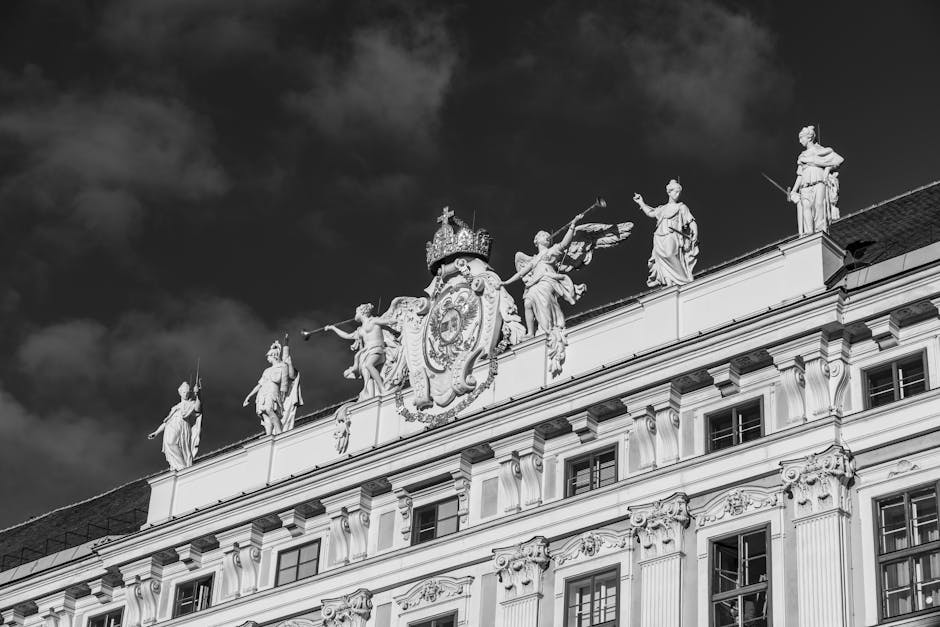
Explore Vienna’s vibrant open-air gallery along the Danube Canal on this self-guided street art and nightlife stroll through Leopoldstadt.
 Moderate
Nairobi, Kenya
Discover the pulse of Nairobi's contemporary art scene on this self-guided walk through the galleries and creative spaces of Kilimani.
 Easy
EasyKrakow, Poland
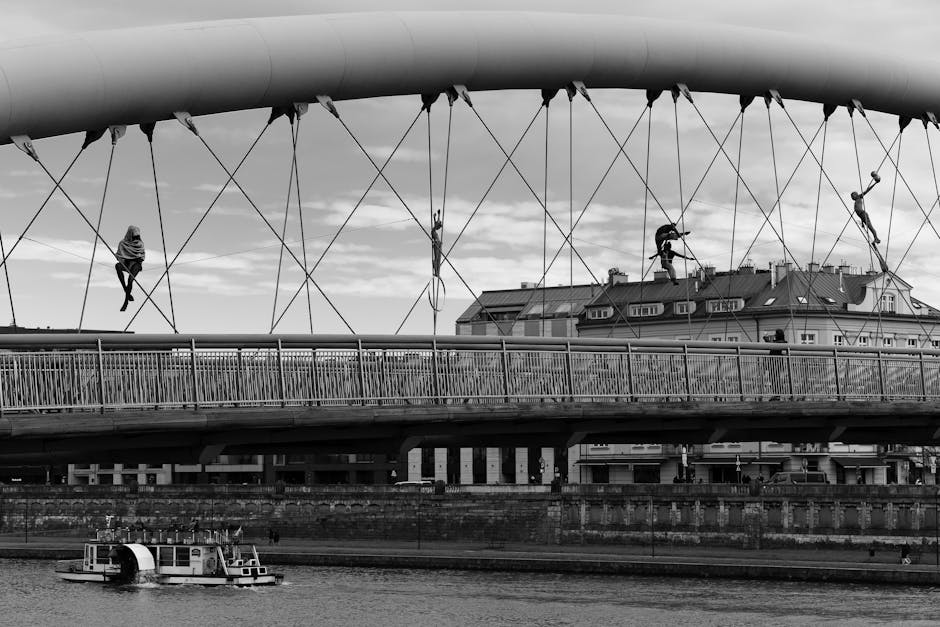
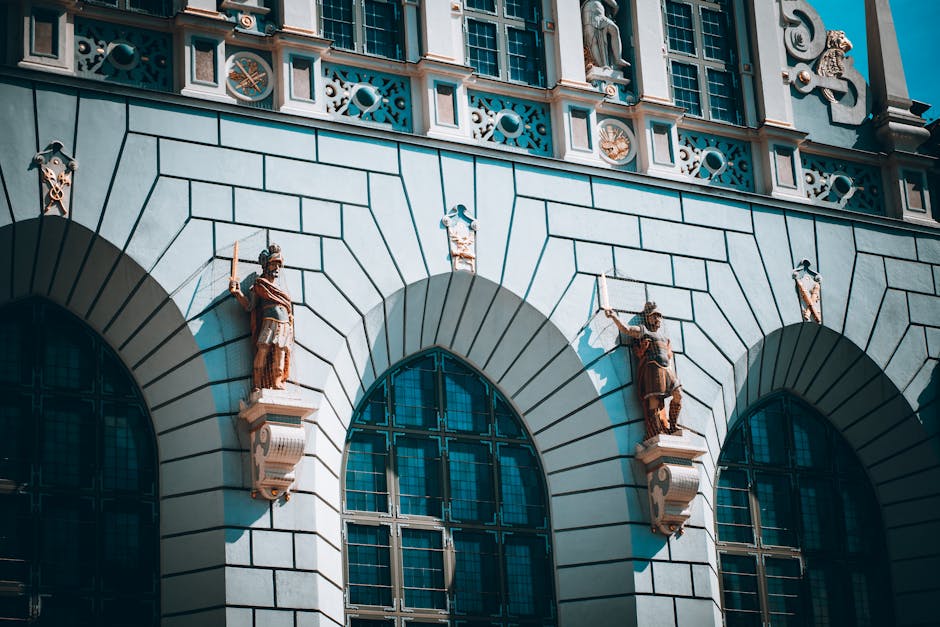
Discover Krakow’s creative soul in Zabłocie, exploring industrial heritage, contemporary art museums, and avant-garde architecture at your own pace.
 Moderate
Gdansk, Poland
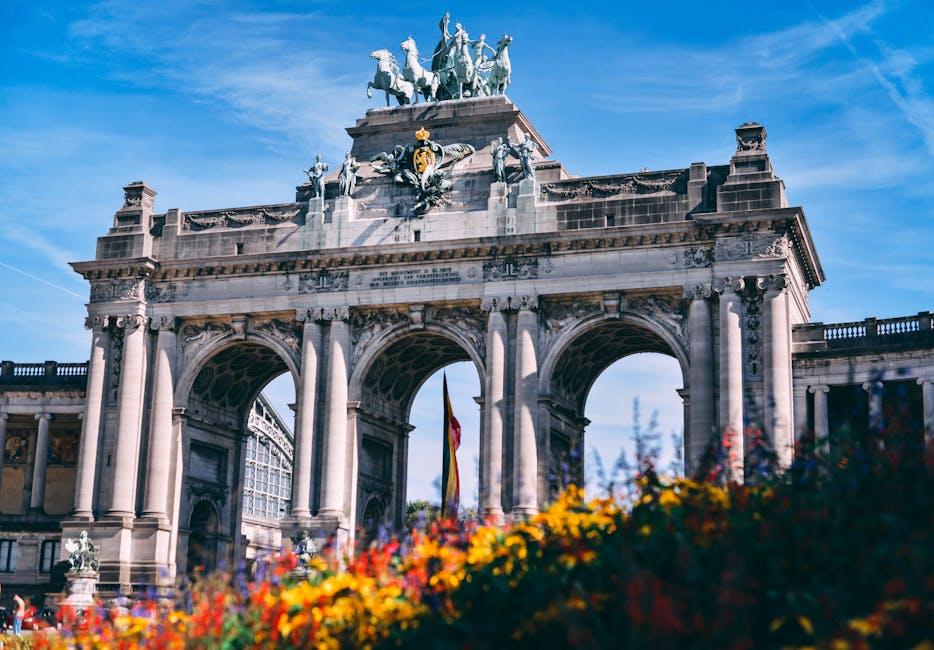
Discover Zaspa, a massive open-air gallery where grey housing blocks are transformed by over 60 monumental murals. Explore at your own pace.
 Easy
EasyBrussels, Belgium
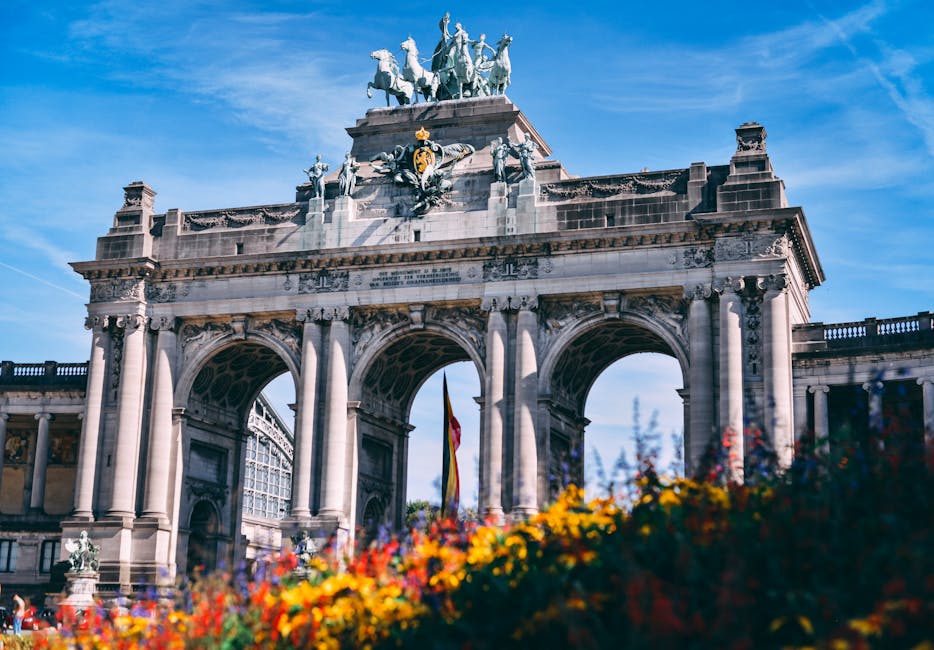
Discover the colorful world of Belgian comics on this independent walking route through the creative streets and murals of central Brussels.
 Moderate
Brussels, Belgium
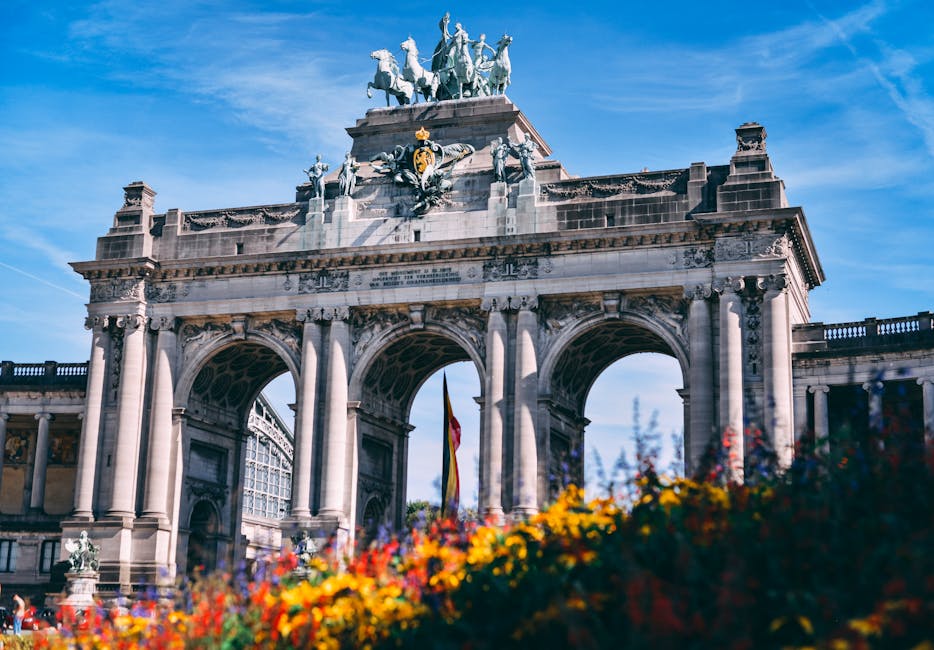
Explore the majestic Royal Quarter, from Art Nouveau gems to the King's Palace and the iconic views of Mont des Arts on this self-guided walk.
 Moderate
Brussels, Belgium
Explore Brussels' industrial heart and artistic rebirth on this self-guided walk through Molenbeek and the Canal district's iconic landmarks.
 Moderate
Brussels, Belgium
Discover Brussels' Art Nouveau masterpieces at your own pace, from Victor Horta's UNESCO sites to the flamboyant Maison Saint-Cyr.