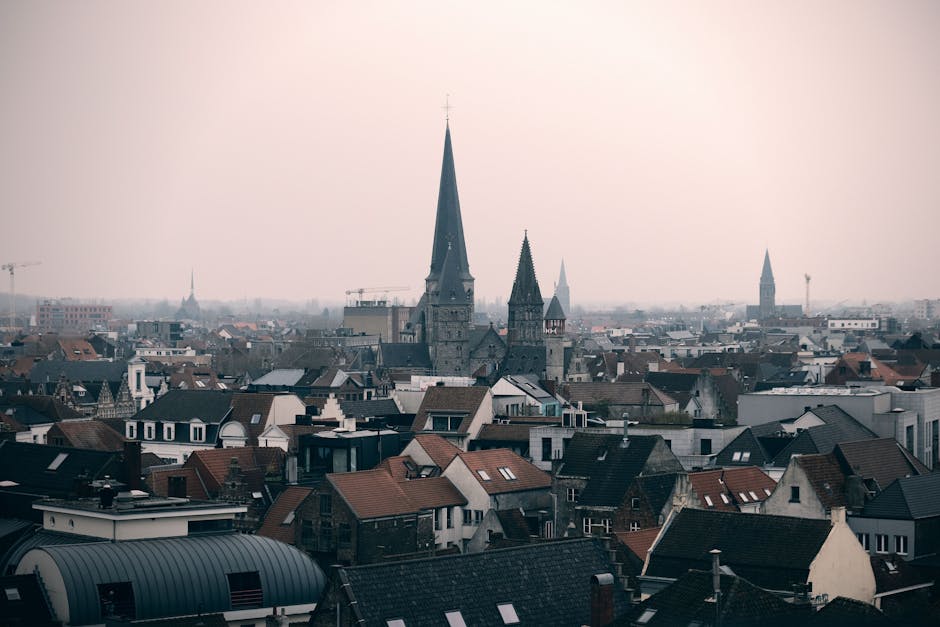
Self-guided audio tour in Ghent
Start Free on iPhone
Start free on iPhone to unlock this self-guided walking tour in Ghent. Hear all the stories that make it amazing, walk at your own pace, and begin whenever you want.
Your Private Tour Guide
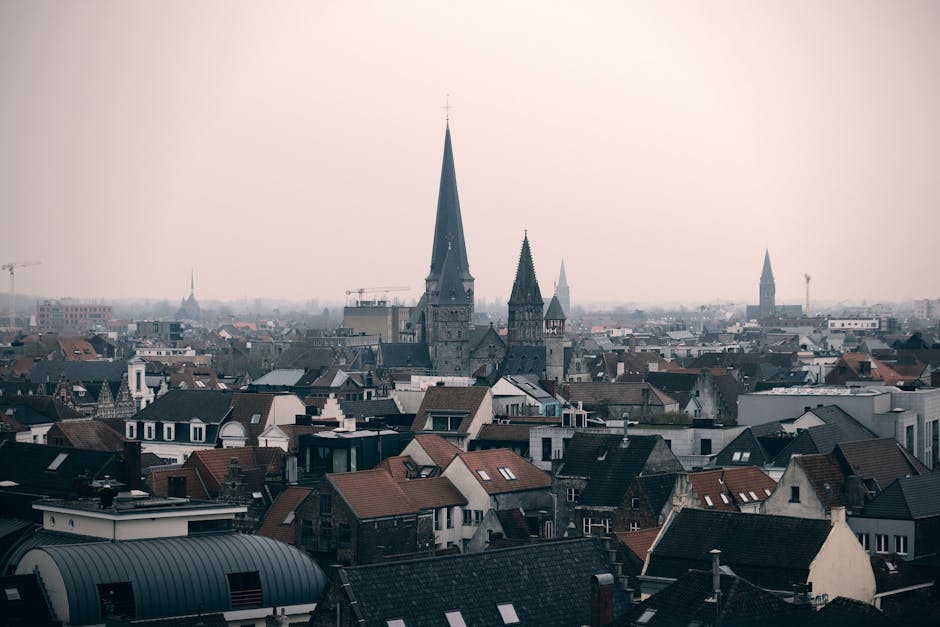
As the sun sets, Ghent transforms into a glowing masterpiece, thanks to its award-winning Lighting Plan that illuminates the city's medieval soul. This self-guided walk invites you to experience the 'City of Lights' at your own pace, moving through a landscape where shadows and warm golden hues dance across centuries-old stone. This isn't just a neighborhood stroll; it is a curated visual journey designed by light artists to emphasize the architectural details of the historic center while ensuring a safe and atmospheric environment for residents and visitors alike. Your walking route begins on the iconic Saint Michael's Bridge, the only spot where you can see Ghent's three famous towers lined up in a single row. From here, you will explore the Graslei, often called the most beautiful harbor in the world, where the reflections of guild houses shimmer in the Lys river. The route then leads you through the bustling Vrijdagmarkt and toward the more mysterious, shadowed corners of the city, such as the Geeraard de Duivelsteen. What makes this walking tour Ghent special is the absence of harsh, modern floodlights. Instead, the city uses subtle, energy-efficient lighting to highlight the texture of the bricks and the intricate carvings of Gothic facades. Whether you are interested in architecture, nightlife, or finding the perfect frame for photography, this route offers a unique perspective on the city's heritage. You will discover how Ghent balances its industrial past with its vibrant present, ending at the peaceful Portus Ganda marina. This independent exploration allows you to linger at each viewpoint, capturing the romantic essence of Flanders without the constraints of a group or a schedule. Discover Ghent independently and witness why this lighting design has won international acclaim, making the city as breathtaking by night as it is by day.
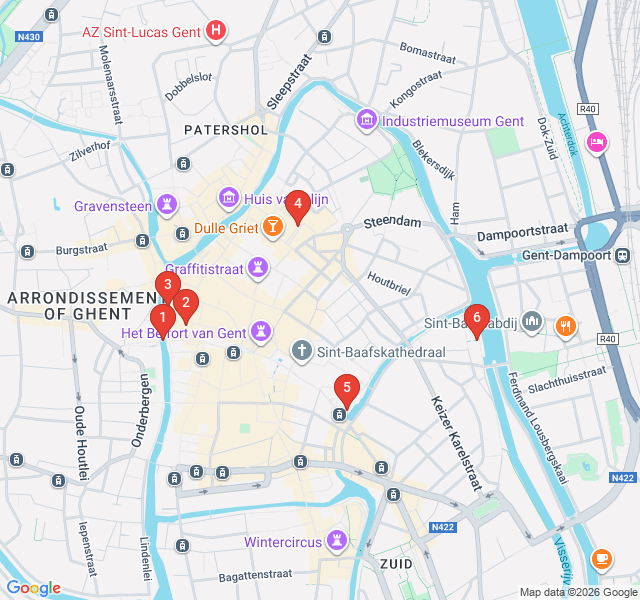
Numbers indicate the order of stops on the tour.
Begin your self-guided adventure at the heart of Ghent's visual identity. Saint Michael's Bridge (Sint-Michielsbrug) offers the most celebrated view in the city. As part of the city’s lighting plan, the three towers—Saint Nicholas’ Church, the Belfry, and Saint Bavo’s Cathedral—are strategically lit to create a dramatic skyline. Looking down the river, you see the illuminated facades reflecting in the water. This bridge was originally a flat turntable bridge, but it was replaced in the early 20th century with this arched stone version to provide a grander entrance to the city. Take a moment to appreciate the bronze statue of Saint Michael slaying the dragon on the central lamppost, a silent guardian over the glowing city.
Just steps from the bridge stands 'De Post,' the former central post office. Completed in the early 1900s, this building is a masterpiece of Neo-Gothic architecture. At night, the lighting highlights its octagonal clock tower and the intricate stone carvings that adorn its facade. Originally built to handle the city's growing communications during the 1913 World Exhibition, it has since been repurposed into a luxury hotel and shopping center. Notice how the lighting emphasizes the verticality of the building, making it appear even more regal against the dark sky. The statues on the facade represent various countries, a nod to the building's international purpose in the age of telegrams and letters.
Step down toward the water to walk along the Graslei. In the evening, this is arguably the most romantic spot in Belgium. The guild houses here, dating from the 12th to the 19th centuries, served as the headquarters for the city's powerful trade unions. Look for the 'Spijker,' the old grain storehouse with its crow-stepped gable, and the tiny Toll House. The lighting plan here is carefully calibrated to ensure that the light doesn't overpower the water, allowing for perfect mirror-like reflections. This area was the city’s primary harbor for centuries, and even now, the energy of the city's nightlife often centers around these historic docks, where locals gather on the stone quay to enjoy the night air.
As you move deeper into the city center, you reach the Vrijdagmarkt, or Friday Market. This massive square has been the stage for Ghent’s public life since the 12th century—from markets and festivals to royal welcomes and even executions. In the center stands the statue of Jacob van Artevelde, a 14th-century leader who helped Ghent maintain its independence. At night, the square is surrounded by a ring of light from the traditional cafes and the impressive 'Ons Huis' building, once the headquarters of the socialist movement. The contrast between the wide, open square and the narrow illuminated side streets creates a sense of the city’s historic scale and community spirit.
Leave the bright squares behind for a moment to visit the Geeraard de Duivelsteen, or Gerald the Devil’s Castle. This 13th-century fortress is one of the oldest stone buildings in Ghent. Its name comes from the knight Geeraard Vilain, nicknamed 'The Devil' because of his dark hair and complexion. The lighting here is intentionally more somber and dramatic, emphasizing the fortress's thick walls and slit windows. Over the centuries, this building has served as a knight’s residence, an arsenal, a monastery, a school, and even an asylum. Today, it stands as a stark, imposing reminder of Ghent’s medieval military strength, casting long shadows over the nearby canal.
Conclude your self-guided walk at Portus Ganda, the city's inland marina. This is where the Lys and Scheldt rivers meet, the very spot where Ghent was founded. The atmosphere here is quieter and more modern than the medieval center. The lighting reflects off the white boats moored in the harbor and the Art Deco facade of the nearby Van Eyck swimming pool. It’s a peaceful place to reflect on the city's journey from a small settlement to a powerful medieval city-state and finally to the vibrant, light-filled modern city you see today. From here, you are just a short walk away from the bustling Dampoort area or back toward the city center.
Start Free on iPhone
Explore “Ghent by Night: The City of Lights” with your very own Private Tour Guide with Zigway. Start free on iPhone, skip the large group and the fixed routes, and hear the city come alive as you go.
Your Private Tour Guide
Don't miss the good stuff
Explore Freely
 Challenging
Ghent, Belgium
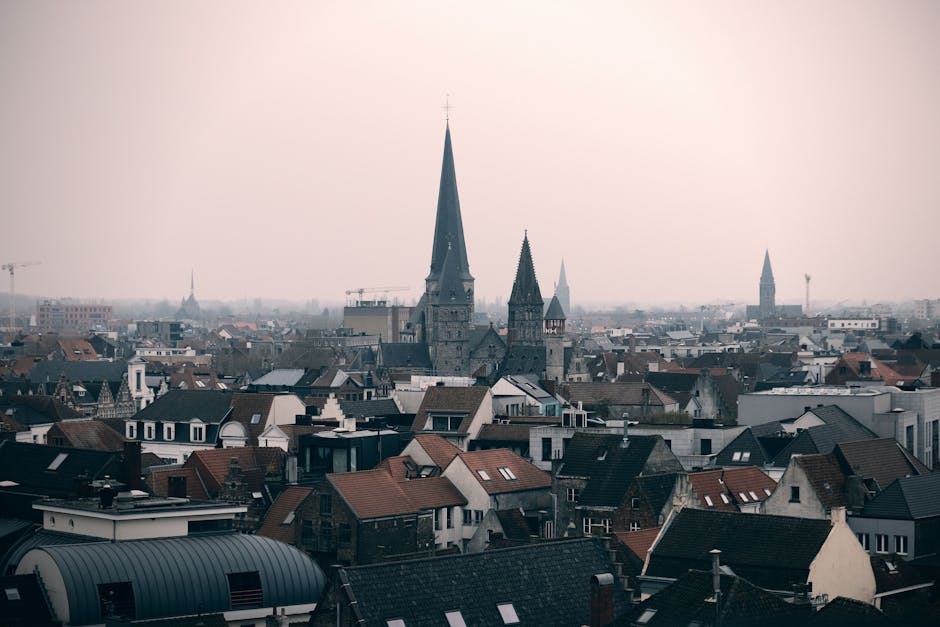
Explore Ghent's gritty past and modern rebirth on this self-guided walking route through the historic Northern Docks and industrial heritage sites.
 Easy
EasyGhent, Belgium
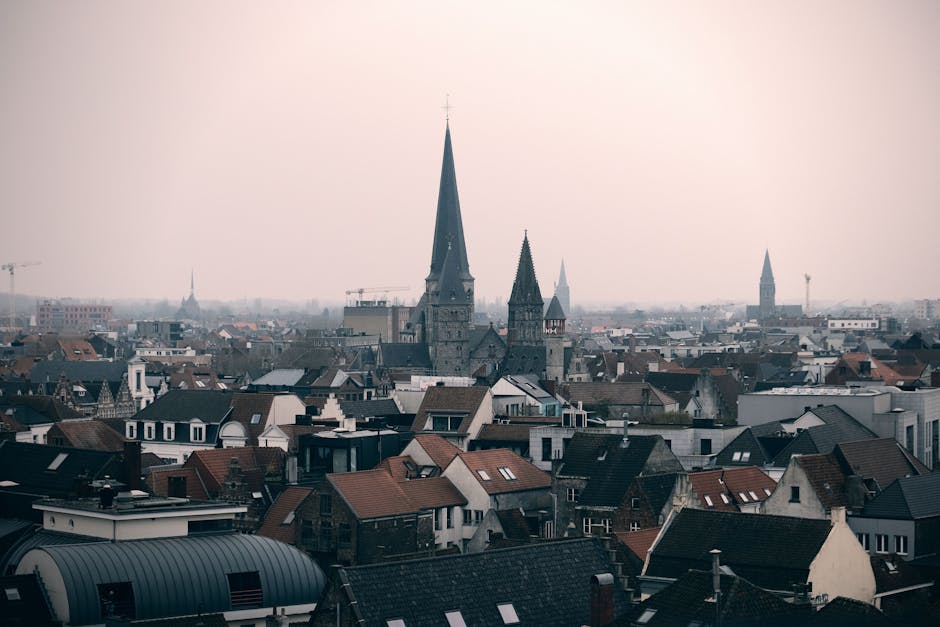
Explore Ghent’s bold architectural evolution from medieval markets to modernist icons on this self-guided walking route through the city center.
 Easy
EasyGhent, Belgium
Discover the sugary secrets of Ghent on this self-guided stroll through historic bakeries, candy shops, and artisanal chocolatiers.
 Easy
EasyGhent, Belgium
Explore Ghent's historic Patershol district, a medieval maze of narrow alleys, legendary Jenever bars, and the city's finest culinary hidden gems.
 Easy
EasyKrakow, Poland
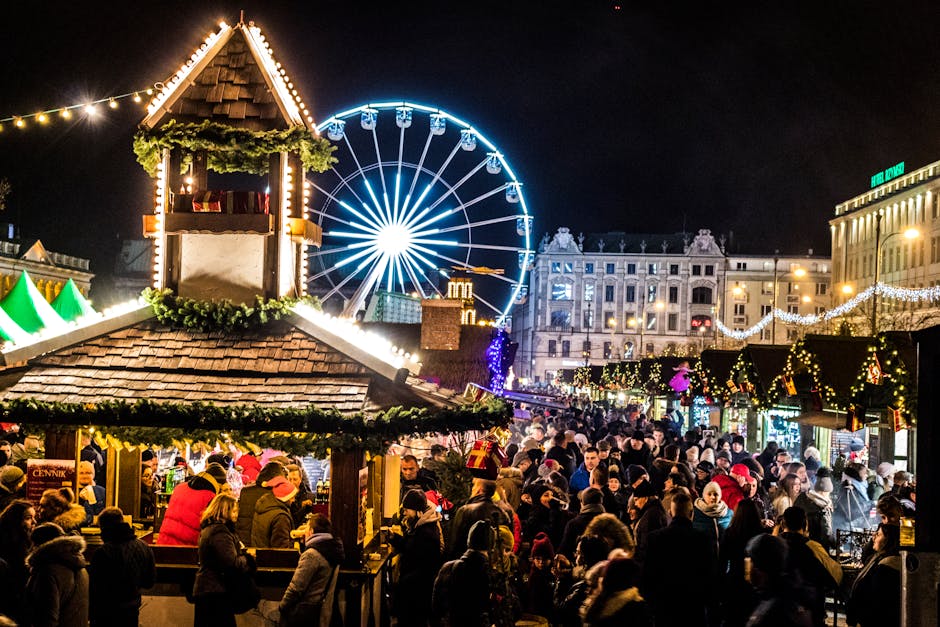
Explore Krakow's hidden nightlife with this self-guided walk through medieval cellars, jazz clubs, and bohemian bars in the Old Town and Kazimierz.
 Easy
EasyVienna, Austria
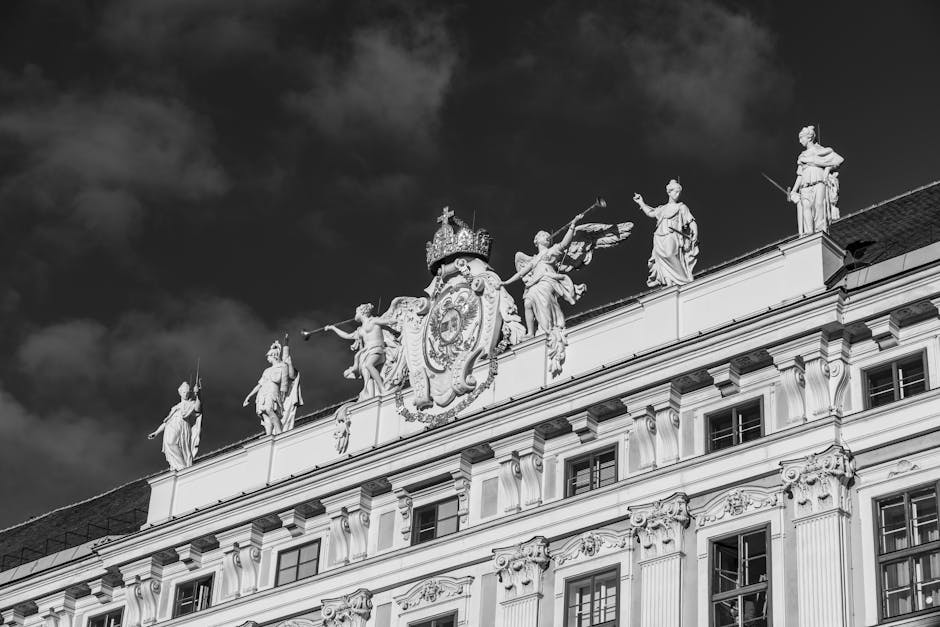
Explore Vienna’s vibrant open-air gallery along the Danube Canal on this self-guided street art and nightlife stroll through Leopoldstadt.
 Easy
EasyNairobi, Kenya
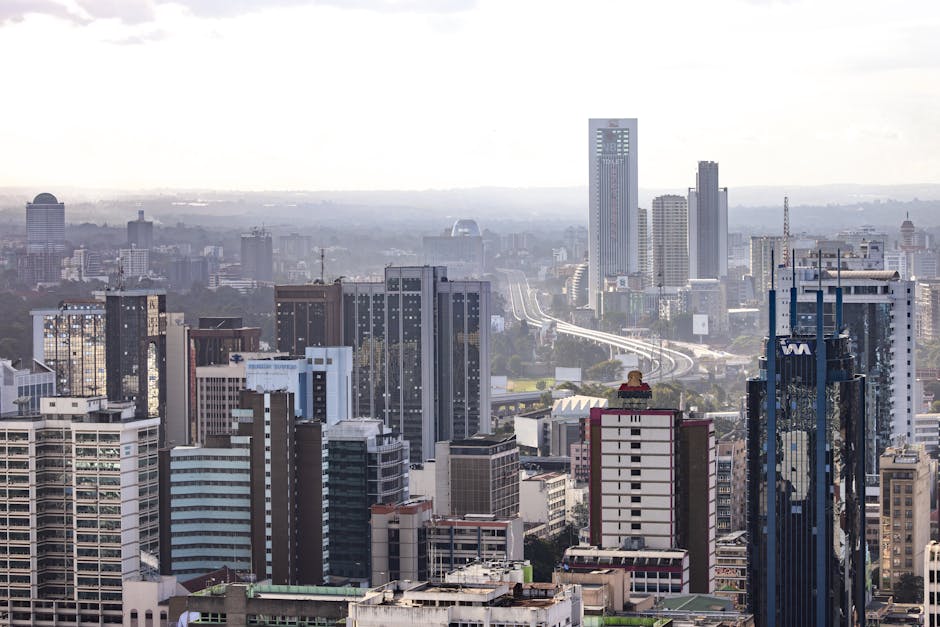
Discover Nairobi's iconic skyline on this self-guided architecture walk through the CBD’s most famous modernist and Brutalist landmarks.
 Easy
EasyGdansk, Poland
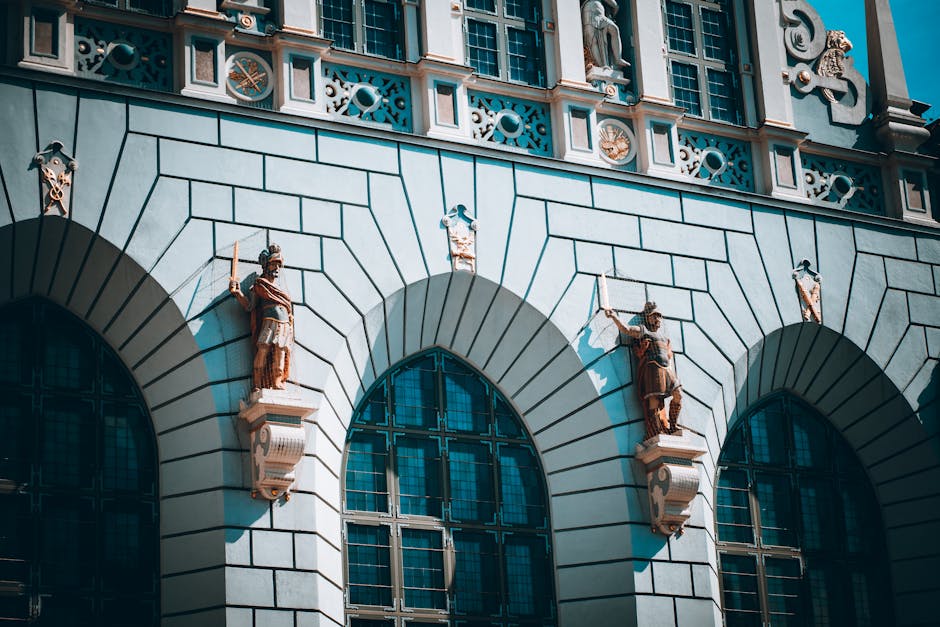
Discover the opulent Royal Way of Gdansk at your own pace. Explore Hanseatic history, gilded architecture, and the iconic Neptune's Fountain.
 Easy
EasyBrussels, Belgium
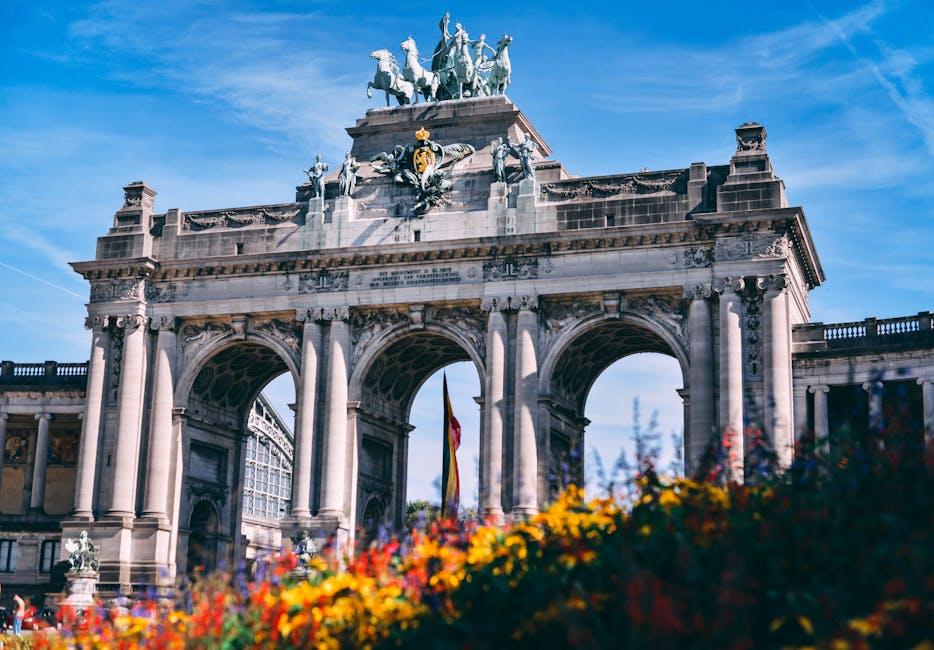
Discover the colorful world of Belgian comics on this independent walking route through the creative streets and murals of central Brussels.
 Moderate
Brussels, Belgium
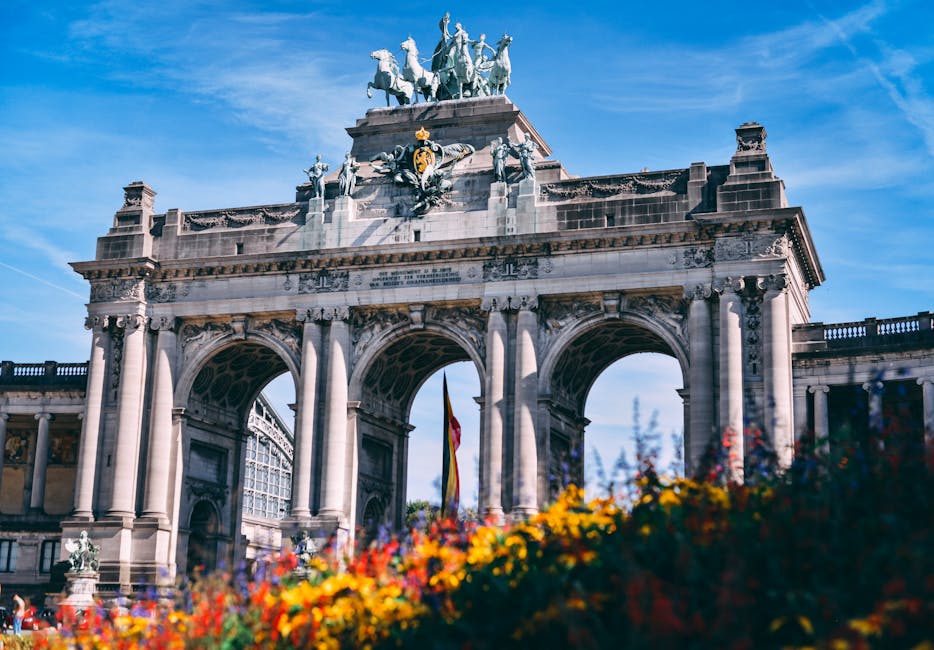
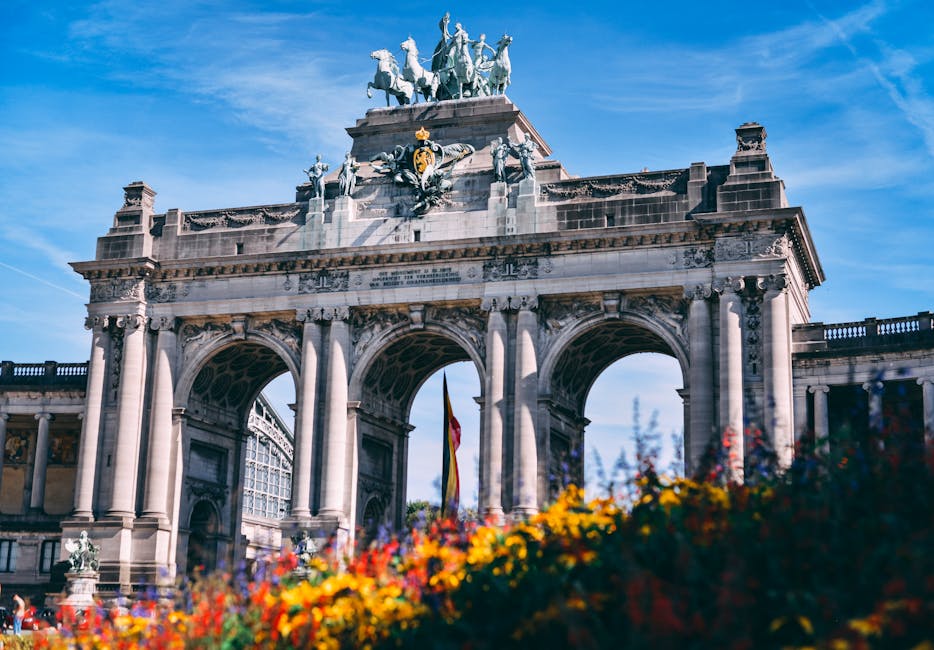
Explore the majestic Royal Quarter, from Art Nouveau gems to the King's Palace and the iconic views of Mont des Arts on this self-guided walk.
 Moderate
Brussels, Belgium
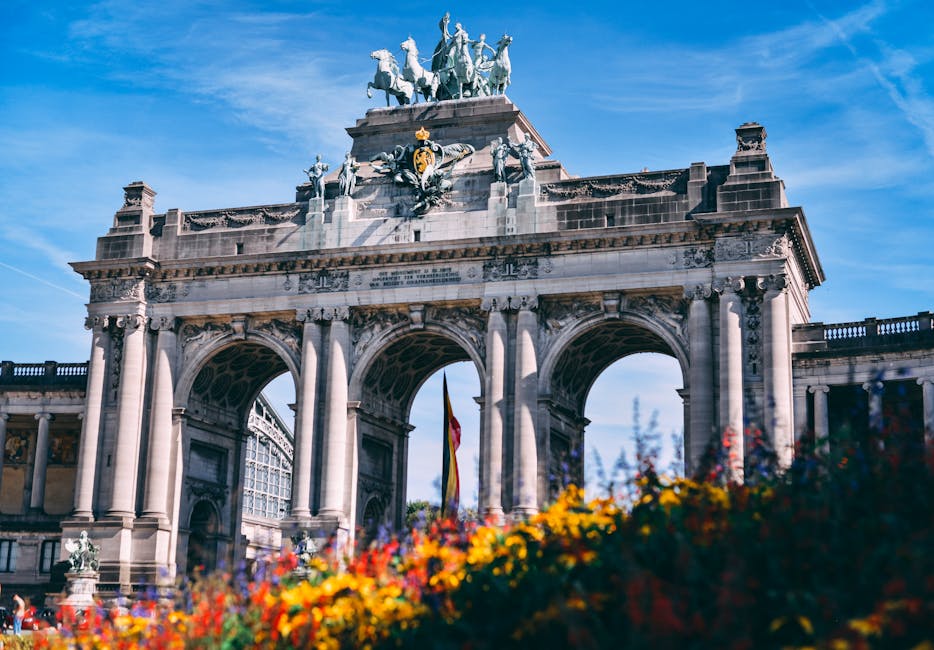
Explore Brussels' industrial heart and artistic rebirth on this self-guided walk through Molenbeek and the Canal district's iconic landmarks.
 Moderate
Brussels, Belgium
Discover Brussels' Art Nouveau masterpieces at your own pace, from Victor Horta's UNESCO sites to the flamboyant Maison Saint-Cyr.