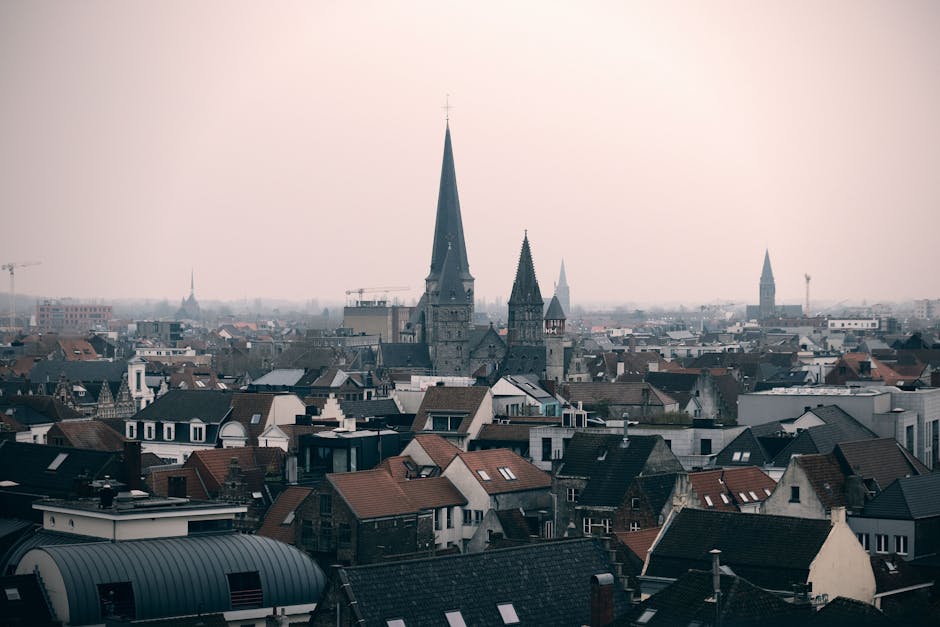
Self-guided audio tour in Ghent
Start Free on iPhone
Start free on iPhone to unlock this self-guided walking tour in Ghent. Hear all the stories that make it amazing, walk at your own pace, and begin whenever you want.
Your Private Tour Guide
Escape the medieval cobblestones of the city center and discover a different side of Ghent. This self-guided walk leads you through the lush Museum Quarter, a district where world-class fine arts meet the tranquility of 19th-century landscape architecture. The route centers around the historic Citadelpark, once a military stronghold and later the grand stage for the 1913 World Exhibition. Today, it serves as a verdant hub connecting Ghent's most prestigious cultural institutions. As you explore independently, you will encounter the stark contrast between the Old Masters at the Museum of Fine Arts and the provocative, experimental works at the SMAK across the street. This neighborhood stroll is more than just an art walk; it is an immersion into the 'Green Belt' of Ghent. You will wander through botanical treasures and explore the monumental transformation of the Leopoldskazerne, a former military barracks turned into a vibrant urban space. The path continues to the University's Botanical Garden, a hidden sanctuary housing thousands of plant species, before concluding in the spacious Koning Albertpark. This walking route is perfect for those who want to see the city's intellectual and natural heart without the crowds of the Graslei. Whether you are an art enthusiast or a nature lover, this self-guided adventure offers a refreshing perspective on Ghent’s evolution from a fortified city to a modern, green metropolis. While many visitors stick to the historic core, this walking tour Ghent offers a deeper look at the city's 19th and 20th-century heritage. For those looking for a comprehensive guided tour Ghent experience without the constraints of a group, this audio-enhanced journey provides the perfect balance of freedom and historical context.
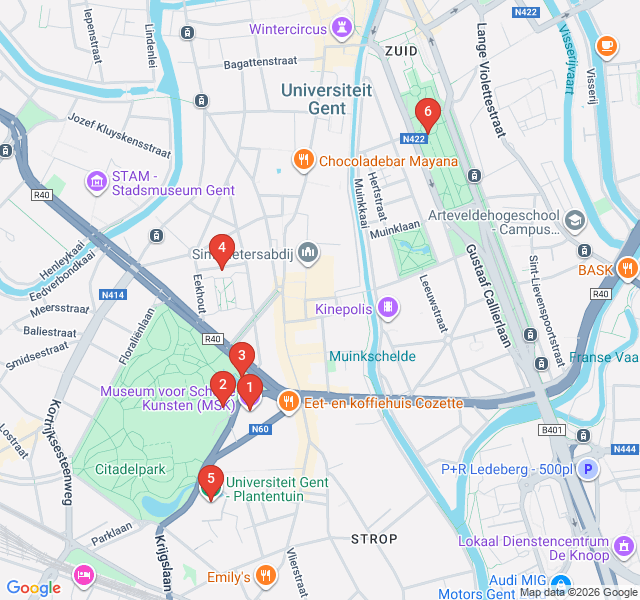
Numbers indicate the order of stops on the tour.
Begin your self-guided adventure at one of Belgium's oldest museums. The Museum of Fine Arts, or MSK, is housed in a stunning neoclassical building designed by architect Charles van Rysselberghe. Inside, the collection spans from the Middle Ages to the mid-20th century, featuring Flemish masters like Hieronymus Bosch and Peter Paul Rubens. It is famously the site where the restoration of the 'Adoration of the Mystic Lamb' by the Van Eyck brothers took place behind glass. Take a moment to admire the grand facade and the statues that crown the building, representing various artistic disciplines. This institution serves as the anchor for the Museum Quarter, bridging the gap between historical tradition and the modern city.
Directly across from the MSK lies its rebellious sibling, the SMAK. Founded by the legendary Jan Hoet, this museum is known for its provocative and ever-changing exhibitions. The building itself was once the casino of the 1913 World Fair. Unlike traditional galleries, the SMAK focuses on art after 1945, showcasing international movements like Pop Art, Minimal Art, and Conceptualism alongside Belgian works. The contrast between the two museums—one neoclassical and the other housed in a converted leisure space—mirrors Ghent's own identity: a city deeply rooted in history but fiercely forward-looking. The museum's spirit is often visible even before you enter, through various outdoor installations that challenge the surrounding parkland.
Step into the largest park in Ghent's city center. Citadelpark was established in 1875 on the site of a former Dutch citadel, which once protected the city from French incursions. The park was meticulously designed in an English landscape style, featuring winding paths, rare trees, and artificial grottoes. It reached its peak of fame during the 1913 World Exhibition, when many of its current structures were erected. As you walk, look for the 'Kuipke' velodrome, a temple of Belgian cycling history. The park is a living archive of Ghent's 19th-century ambitions, offering a peaceful retreat where nature and history intertwine under a canopy of heritage trees.
Leaving the park, you will encounter the imposing Leopoldskazerne. This massive brick complex, dating back to the early 20th century, served as a military barracks for decades. Today, it is part of an ambitious urban renewal project. Instead of soldiers, the courtyard now welcomes residents, provincial government offices, and cultural spaces. The redevelopment is a prime example of how Ghent preserves its industrial and military heritage by giving it a new, community-focused purpose. The architecture remains stern and impressive, but the atmosphere has shifted from restricted military zone to an open, integrated part of the Museum Quarter.
A short walk brings you to a hidden gem: the Ghent University Botanical Garden. This scientific oasis houses over 10,000 plant species spread across four hectares and several impressive glasshouses. Since the early 20th century, this site has been a center for research and conservation. Even if you don't enter the greenhouses, the outdoor arboretum and the rock gardens offer a serene environment for a quiet stroll. The garden serves as a vital link between the university's scientific community and the public, providing a lush educational landscape that changes dramatically with the seasons.
Conclude your neighborhood stroll at Koning Albertpark, often called 'Zuidpark' by the locals. This long, rectangular park was created in the 1930s on the former site of the Gent-Zuid railway station. It is a classic example of interwar urban planning, designed to provide a grand entrance to the city. The park is characterized by its wide lawns, formal flower beds, and the impressive 'Monument to the Fallen' at its center. It is a popular spot for Ghent residents to jog, picnic, or simply enjoy the view of the nearby library and administrative center. It marks the transition from the quiet Museum Quarter back into the bustling life of the city.
Start Free on iPhone
Explore “Ghent's Green Belt: Parks and Citadels” with your very own Private Tour Guide with Zigway. Start free on iPhone, skip the large group and the fixed routes, and hear the city come alive as you go.
Your Private Tour Guide
Don't miss the good stuff
Explore Freely
 Challenging
Ghent, Belgium
Explore Ghent's gritty past and modern rebirth on this self-guided walking route through the historic Northern Docks and industrial heritage sites.
 Easy
EasyGhent, Belgium
Explore Ghent’s bold architectural evolution from medieval markets to modernist icons on this self-guided walking route through the city center.
 Easy
EasyGhent, Belgium
Discover the sugary secrets of Ghent on this self-guided stroll through historic bakeries, candy shops, and artisanal chocolatiers.
 Easy
EasyGhent, Belgium
Explore Ghent's historic Patershol district, a medieval maze of narrow alleys, legendary Jenever bars, and the city's finest culinary hidden gems.
 Moderate
Nairobi, Kenya
Discover Nairobi's lush side on this self-guided walk through botanical gardens, historic memorials, and vibrant local markets.
 Easy
EasyKrakow, Poland
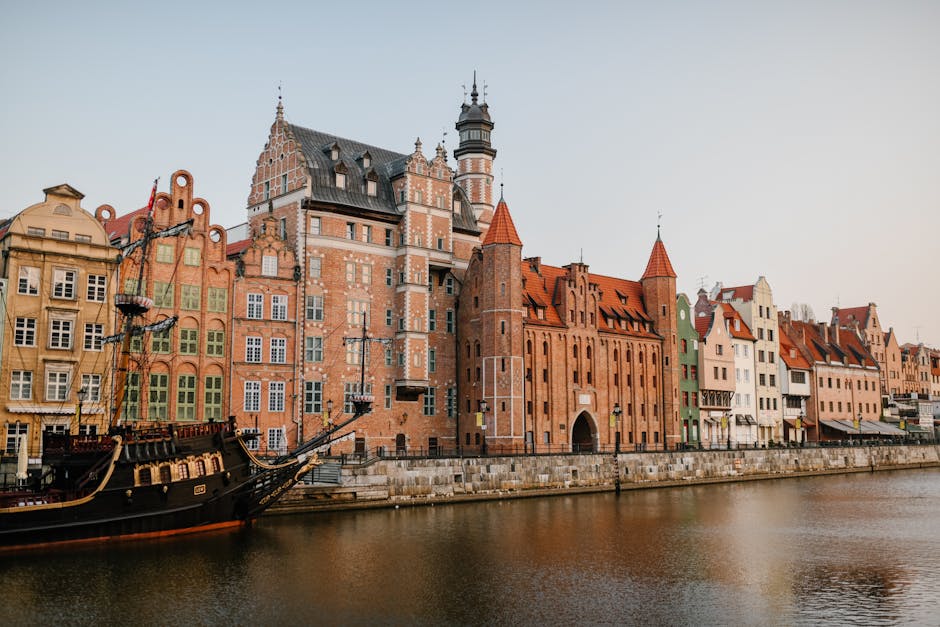
Explore Krakow’s artistic evolution from Renaissance masterpieces to vibrant urban murals on this inspiring self-guided walk through the city.
 Easy
EasyGdansk, Poland
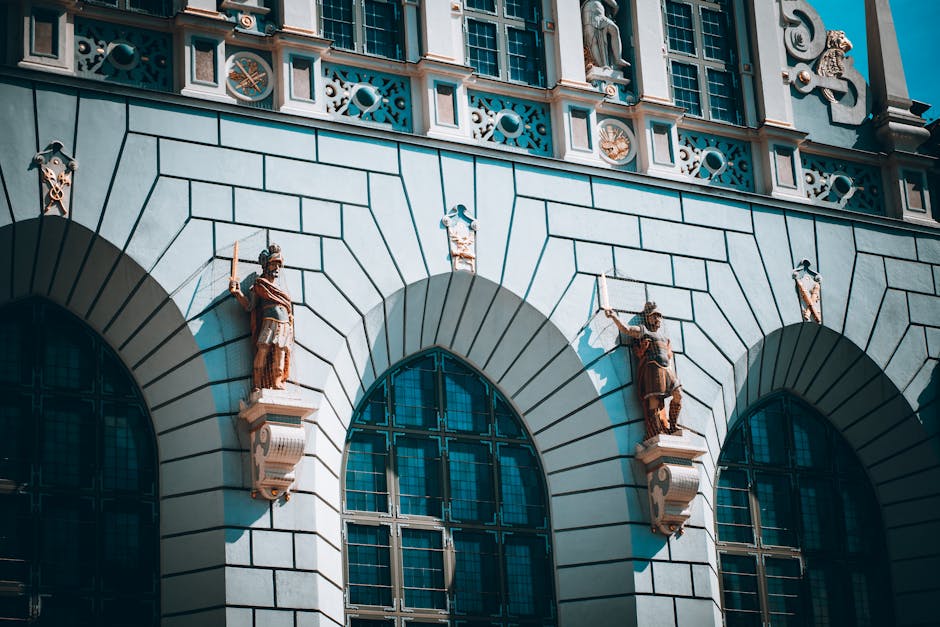
Discover the monastic heritage, world-famous organs, and lush botanical gardens of Oliwa on this peaceful self-guided neighborhood stroll.
 Moderate
Gdansk, Poland
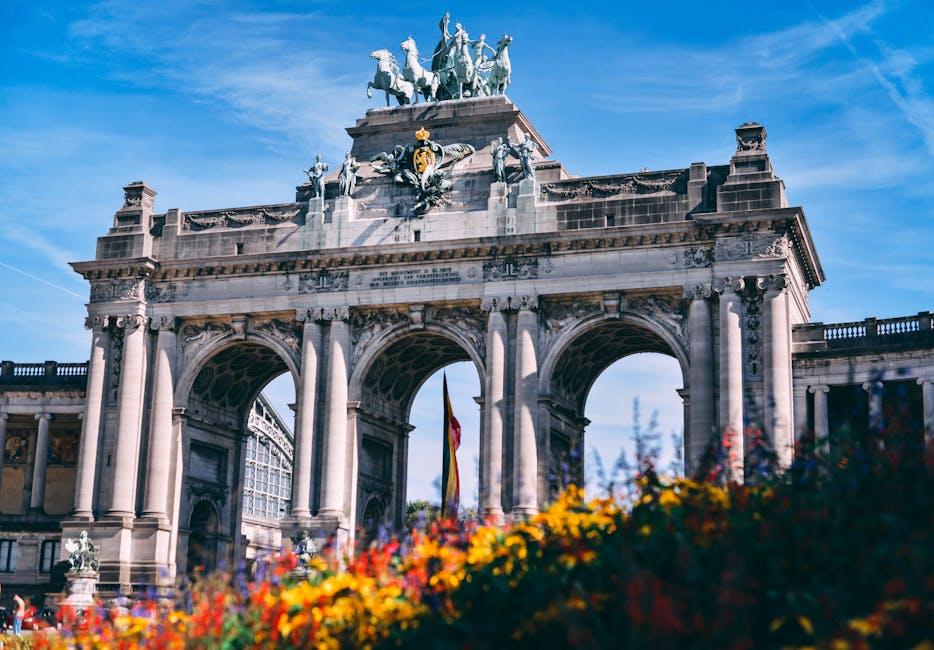
Discover Zaspa, a massive open-air gallery where grey housing blocks are transformed by over 60 monumental murals. Explore at your own pace.
 Easy
EasyBrussels, Belgium
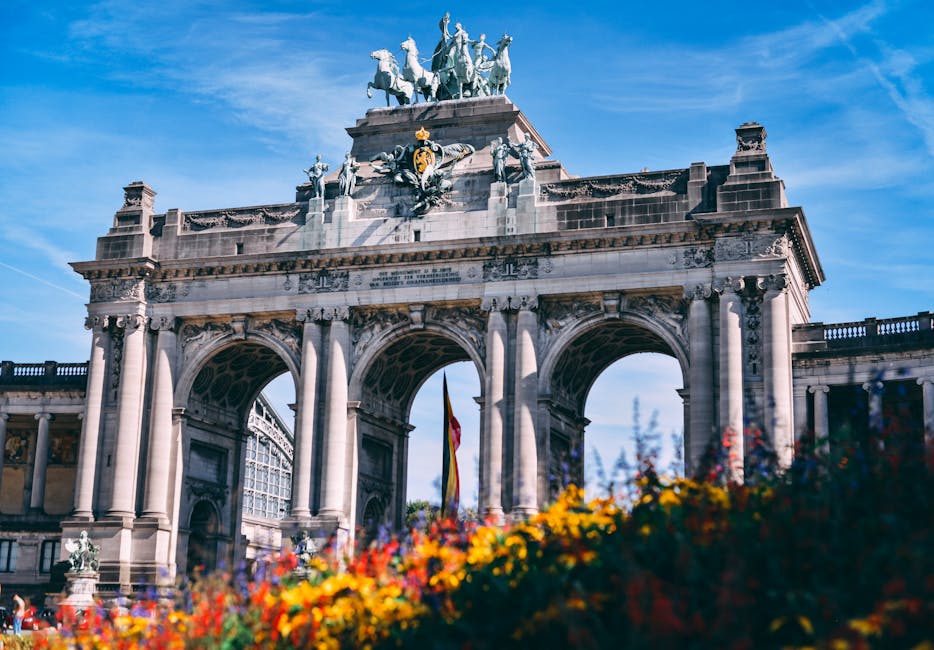
Discover the colorful world of Belgian comics on this independent walking route through the creative streets and murals of central Brussels.
 Moderate
Brussels, Belgium
Explore the majestic Royal Quarter, from Art Nouveau gems to the King's Palace and the iconic views of Mont des Arts on this self-guided walk.
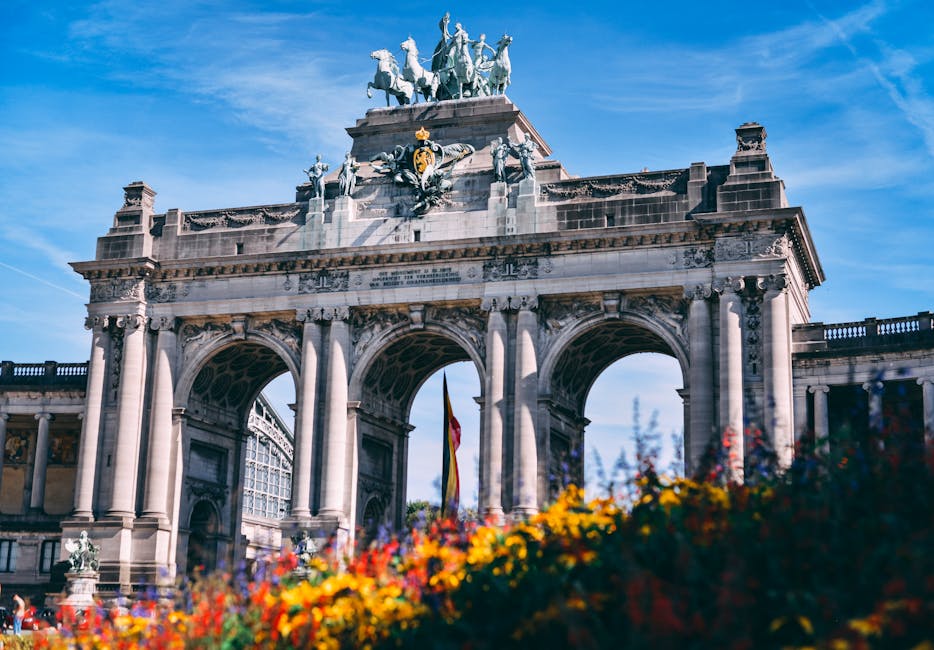 Moderate
Brussels, Belgium
Explore Brussels' industrial heart and artistic rebirth on this self-guided walk through Molenbeek and the Canal district's iconic landmarks.
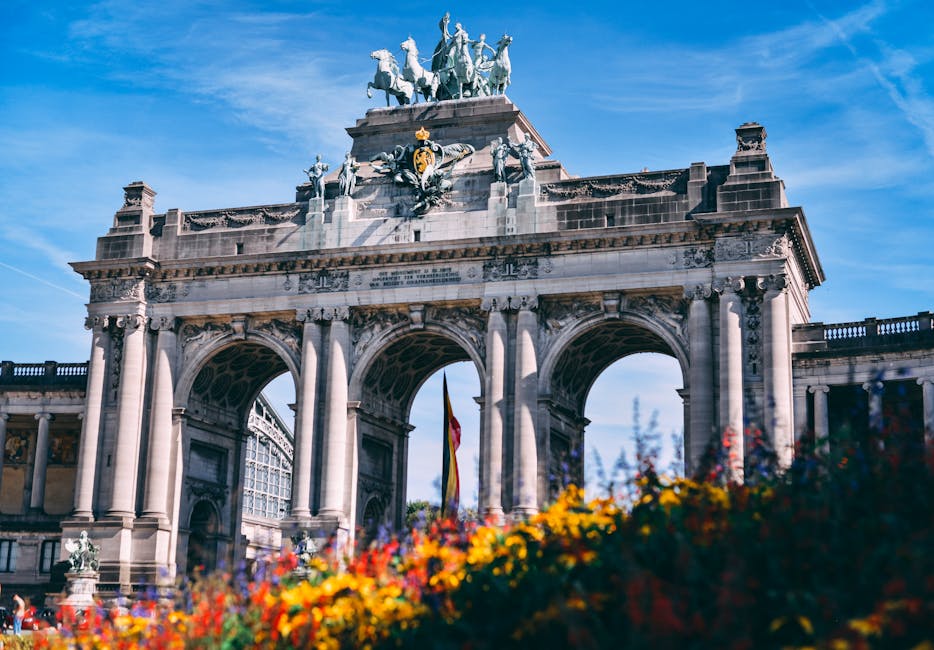 Moderate
Brussels, Belgium
Discover Brussels' Art Nouveau masterpieces at your own pace, from Victor Horta's UNESCO sites to the flamboyant Maison Saint-Cyr.