Self-guided audio tour in Bordeaux
Start Free on iPhone
Start free on iPhone to unlock this self-guided walking tour in Bordeaux. Hear all the stories that make it amazing, walk at your own pace, and begin whenever you want.
Your Private Tour Guide
Step into the 18th century and discover why Bordeaux is often called 'Little Paris.' This self-guided walk explores the city's Golden Age, a period of radical urban transformation that replaced cramped medieval alleys with grand boulevards and neoclassical monuments. As you move through the prestigious Triangle d'Or, you will witness the architectural legacy of the Enlightenment, where limestone facades and symmetrical squares reflect the wealth of a thriving port city. This neighborhood stroll captures the essence of Bordeaux's transition from a fortified town to a modern European capital of culture. This walking route highlights the work of visionary architects like Victor Louis and Ange-Jacques Gabriel, whose designs continue to define the city's skyline. Along the way, you can admire the intricate carvings of the Grand-Théâtre and the monumental scale of Europe's largest city squares. This self-guided adventure allows you to appreciate the 'Age of Enlightenment' at your own pace, focusing on the fine details of the masonry and the stories of the figures who shaped the city. Whether you are a fan of classical architecture or simply want to see the most iconic landmarks of the Garonne riverfront, this route provides a comprehensive introduction to the city's historic core. It is an ideal way to experience a walking tour Bordeaux style, focusing on the elegance and prestige of the 1700s. By following this path, you will understand how the city's urban planning influenced major projects elsewhere in France, including the design of the Paris Opera House. Explore the grandeur of the Place de la Bourse and the revolutionary history embedded in the Monument aux Girondins while enjoying the vibrant atmosphere of contemporary Bordeaux.
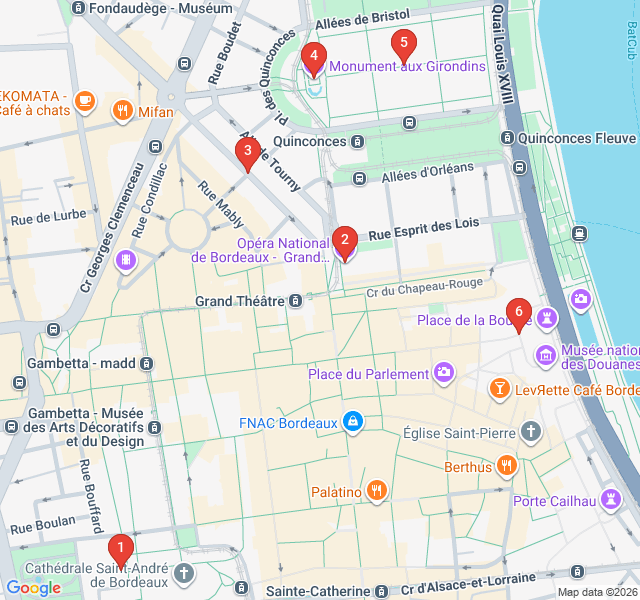
Numbers indicate the order of stops on the tour.
Start your journey at the Palais Rohan, which now serves as the Bordeaux City Hall. Completed in 1784, this palace was originally built for the Archbishop Ferdinand Maximilien Mériadec de Rohan. It represents the height of the Louis XVI style, characterized by its sobriety and classical proportions. Unlike the flamboyant Baroque styles seen elsewhere in Europe, this building focuses on symmetry and clear lines. Take a moment to look at the courtyard and the grand staircase inside, which is considered one of the most beautiful in France. The palace signifies the shift of power and wealth in Bordeaux during the late 18th century, as the city expanded beyond its medieval walls to embrace the open, airy designs of the Enlightenment. It remains a cornerstone of the city's political and architectural identity.
Standing before the Grand-Théâtre, you are looking at one of the oldest wooden-framed opera houses in Europe that has never burnt down. Architect Victor Louis designed this masterpiece, which opened in 1780. Notice the twelve Corinthian columns topped by statues representing the nine Muses and three goddesses: Juno, Venus, and Minerva. The interior is equally spectacular, featuring a grand staircase that served as the primary inspiration for Charles Garnier when he designed the Opéra Garnier in Paris nearly a century later. This building was the social heart of Bordeaux's elite during the Golden Age, a place where the wealthy merchants and nobility displayed their status. Its perfect acoustics and opulent blue and gold auditorium still host world-class performances today, maintaining its role as a beacon of French cultural heritage.
Walk along the Allées de Tourny, a wide esplanade that epitomizes the urban vision of Louis-Urbain-Aubert de Tourny. As the Intendant of Guyenne in the mid-18th century, Tourny was responsible for clearing the city's congested center and creating these grand promenades. The uniform facades of the buildings lining the square were strictly regulated to ensure a harmonious aesthetic. Originally, this area was outside the city walls, but it soon became the center of Bordeaux's 'Triangle d'Or' or Golden Triangle. It was designed for the 'promenade,' a social ritual where citizens could see and be seen. Today, the Allées remain a vibrant hub, hosting the city's annual Christmas market and serving as a gateway to the high-end shopping districts nearby, reflecting the enduring luxury of this historic neighborhood.
This towering monument is a tribute to the Girondins, a political faction during the French Revolution that originated in Bordeaux. At the top of the 43-meter column stands the Statue of Liberty breaking her chains. At the base, you will find two massive bronze fountains. One represents the 'Triumph of the Republic' and the other the 'Triumph of the Concord.' Look closely at the intricate details of the bronze horses, which appear to be leaping out of the water. Interestingly, these statues were removed by German forces during World War II to be melted down for metal, but they were found hidden in a warehouse in Angers after the war and eventually restored to their rightful place in 1982. The monument serves as a powerful reminder of Bordeaux's turbulent but influential role in French political history.
You are now standing in one of the largest city squares in Europe. The name 'Quinconces' refers to the way the trees are planted—in staggered rows of five, like the pips on a die. This massive space was created in the early 19th century on the site of the former Château Trompette, a fortress that once guarded the city. The square was intentionally left open to prevent the citizens of Bordeaux from using the fortress as a base for rebellion against the monarchy. Today, the square is a versatile public space used for circuses, antique fairs, and major concerts. Flanked by statues of the famous local philosophers Montaigne and Montesquieu, the Quinconces serves as a link between the historic center and the Garonne river, offering a sense of scale that is rare in medieval-origin European cities.
Finally, arrive at the Place de la Bourse, the most recognizable symbol of Bordeaux. Designed by Ange-Jacques Gabriel—the King's chief architect who also designed the Place de la Concorde in Paris—this square broke the city's medieval walls to open it up to the river. It was originally called Place Royale and featured a statue of King Louis XV at its center. The facades are decorated with 'mascarons' (stone faces) representing characters from Greek mythology and the city's maritime history. Directly across from the square is the Miroir d'Eau, or Water Mirror. This contemporary addition reflects the 18th-century architecture in a thin layer of water, creating a stunning visual bridge between the city's past and present. It is the perfect spot to end your walk and appreciate the enduring beauty of Bordeaux's architectural Golden Age.
Start Free on iPhone
Explore “The Golden Age of Bordeaux Architecture” with your very own Private Tour Guide with Zigway. Start free on iPhone, skip the large group and the fixed routes, and hear the city come alive as you go.
Your Private Tour Guide
Don't miss the good stuff
Explore Freely
 Easy
EasyBordeaux, France
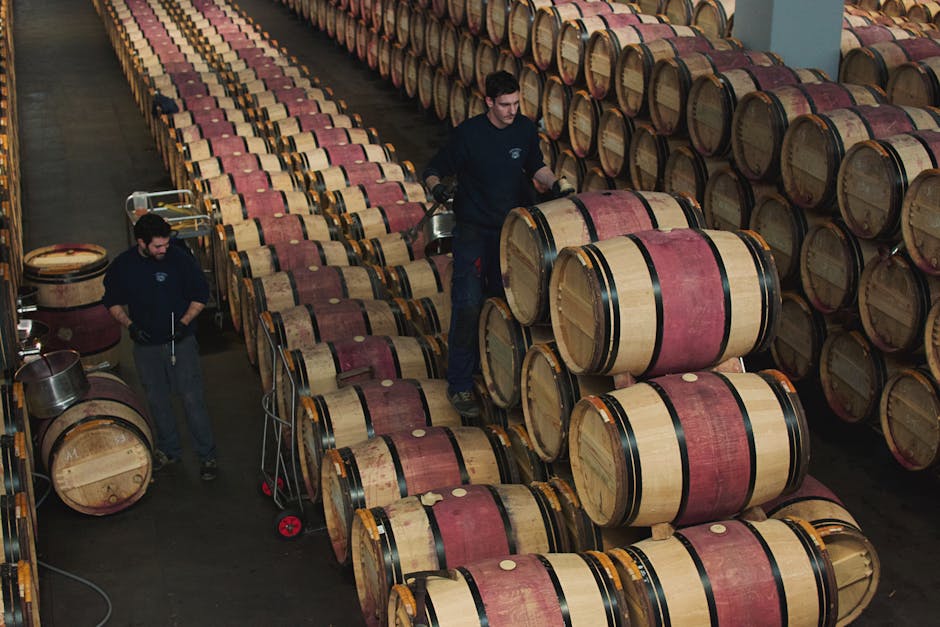
Explore the vibrant Saint-Michel district and the legendary Marché des Capucins on this self-guided food and culture walk through Bordeaux.
 Easy
EasyBordeaux, France
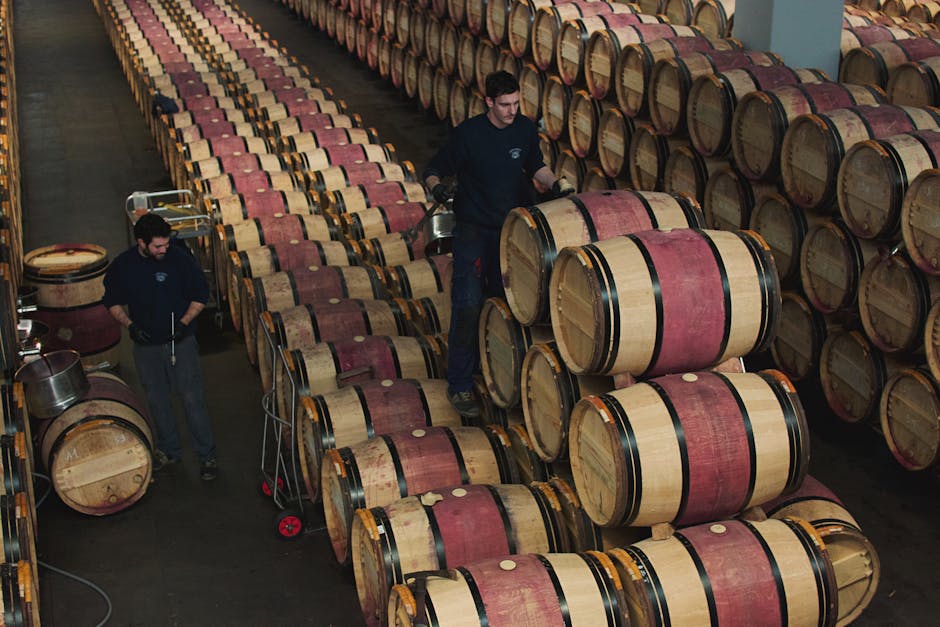
Discover the intellectual soul of Bordeaux on this self-guided walk through the haunts of legendary philosophers and writers.
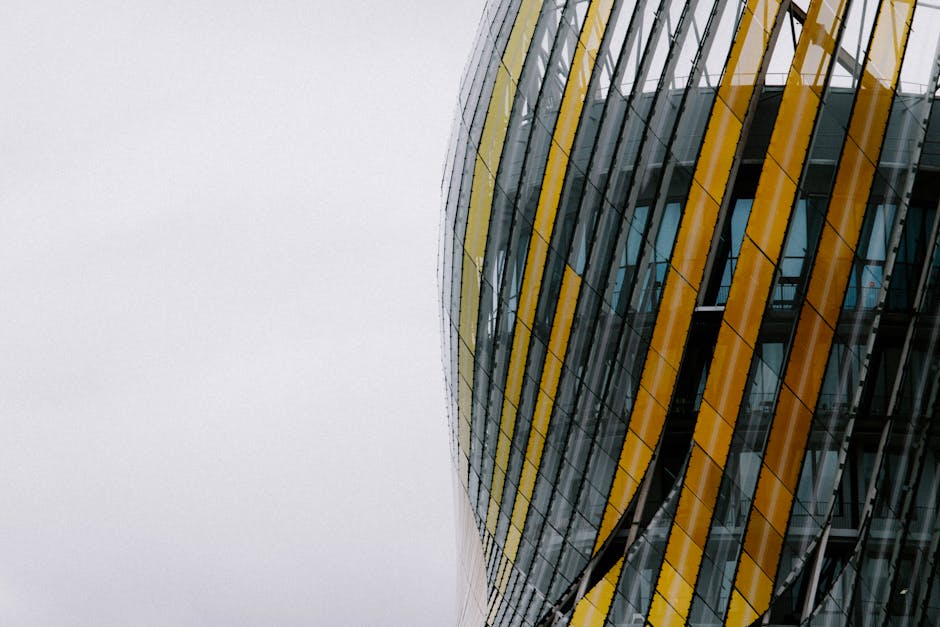 Moderate
Bordeaux, France
Explore the bold Brutalist architecture of Bordeaux's Mériadeck district on this self-guided walk through 1970s urban design and hanging gardens.
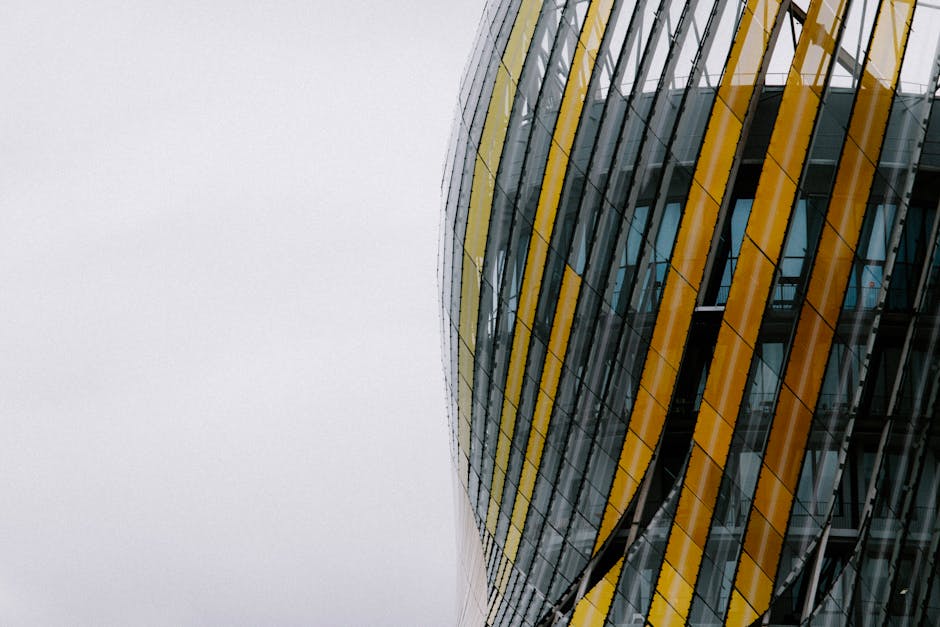 Moderate
Bordeaux, France
Explore Bordeaux's creative edge on this self-guided walk from classic museums to the vibrant Darwin Ecosystem and industrial ruins.
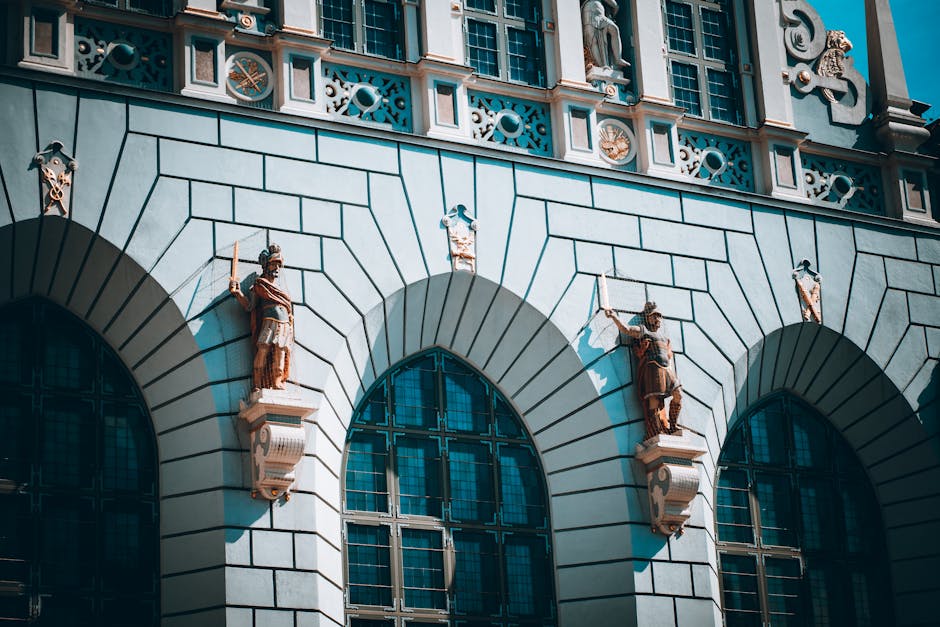 Easy
EasyGdansk, Poland
Discover the opulent Royal Way of Gdansk at your own pace. Explore Hanseatic history, gilded architecture, and the iconic Neptune's Fountain.
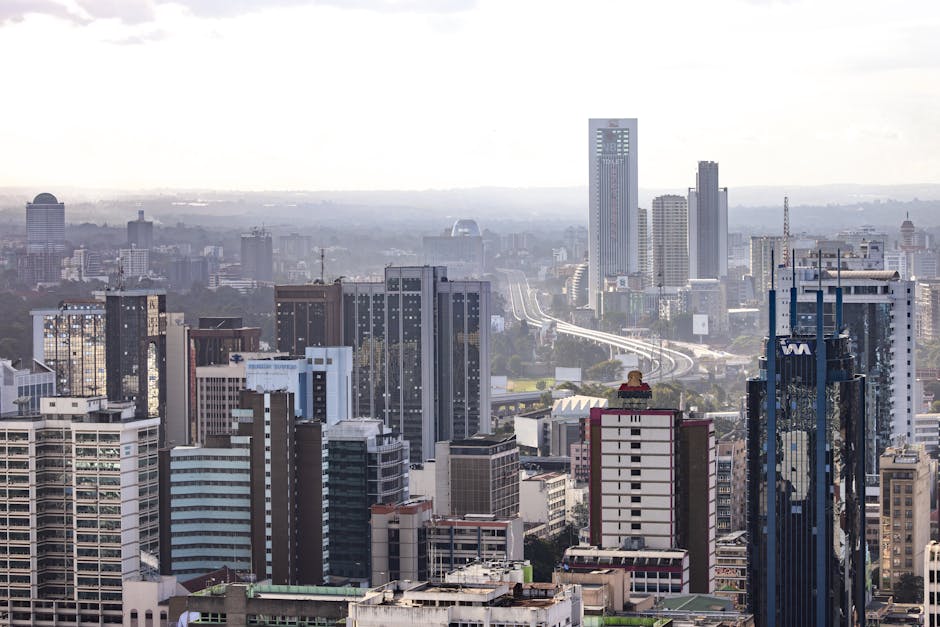 Easy
EasyNairobi, Kenya
Discover Nairobi's iconic skyline on this self-guided architecture walk through the CBD’s most famous modernist and Brutalist landmarks.
 Easy
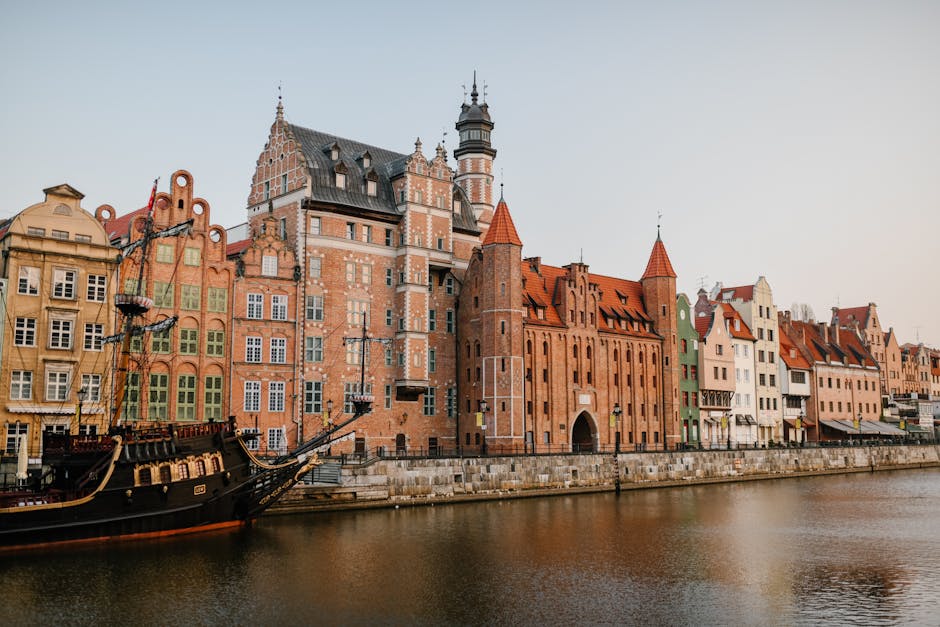
EasyGdansk, Poland
Discover the 'Baltic Gold' on this self-guided walk through Gdansk's historic mills, massive cathedrals, and the magical Mariacka Street.
 Easy
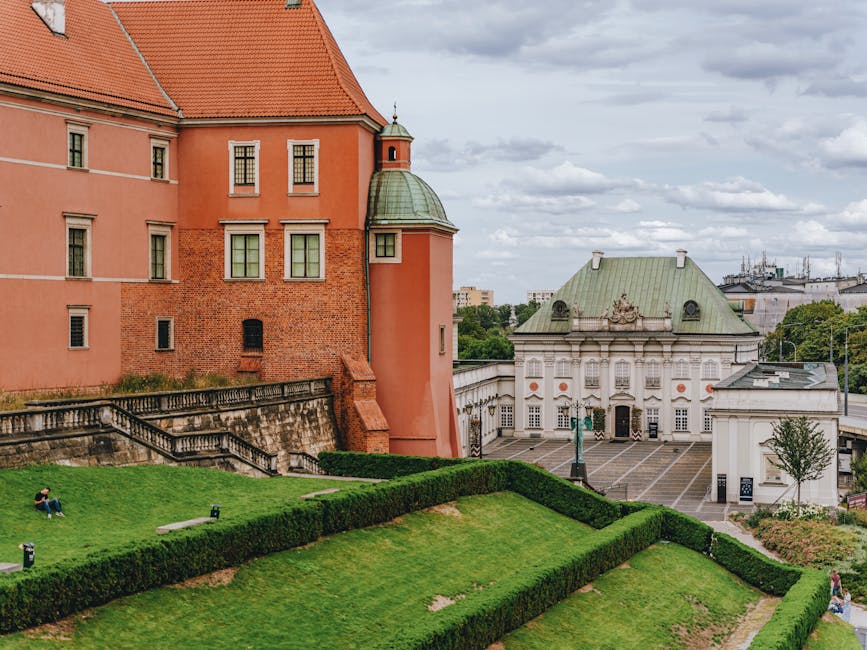
EasyWarsaw, Poland
Explore the miracle of Warsaw's reconstructed Old Town on this self-guided walk through royal squares, medieval walls, and heroic monuments.
 Challenging
Paris, France
Explore the secret vineyards, legendary artist studios, and hidden squares of Paris's iconic hilltop on this self-guided bohemian walking route.
 Easy
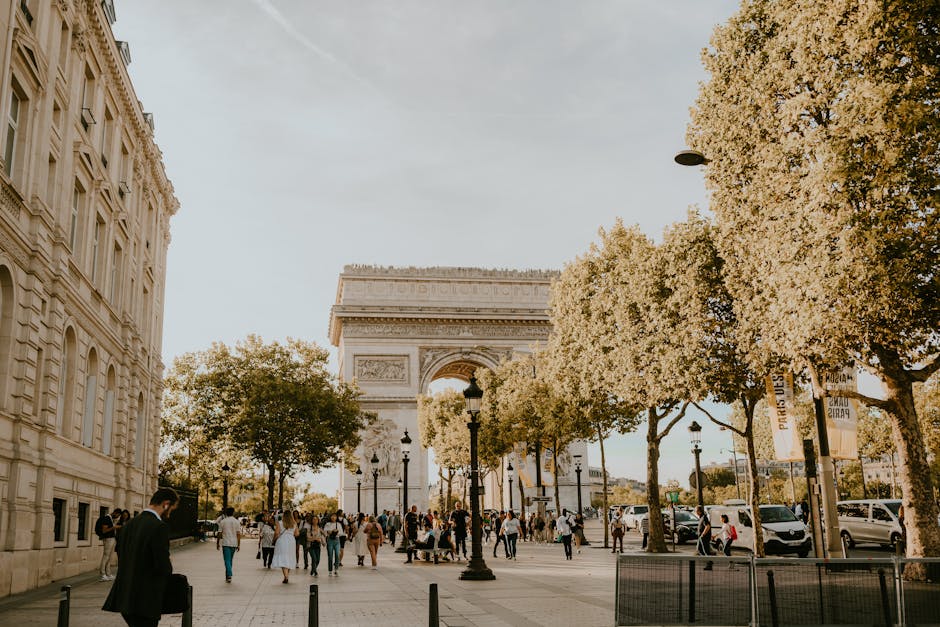
EasyParis, France
Explore the evolution of Parisian design from Art Nouveau whimsy to Le Corbusier's Modernist masterpieces on this self-guided architectural walk.
 Easy
EasyParis, France
Explore the flavors and history of Bastille on this self-guided walk through the legendary Aligre Market and the scenic Coulée Verte.
 Easy
EasyParis, France
Discover aristocratic mansions, secret medieval courtyards, and royal history on this self-guided walk through the enchanting Marais district.