Self-guided audio tour in Strasbourg
Start Free on iPhone
Start free on iPhone to unlock this self-guided walking tour in Strasbourg. Hear all the stories that make it amazing, walk at your own pace, and begin whenever you want.
Your Private Tour Guide
Strasbourg is famously known as the 'Capital of Europe,' a title that comes to life as you wander through the sleek, glass-and-steel landscape of the European Quarter. This self-guided walk offers a fascinating look at the institutions that shape the continent's future, set against a backdrop of innovative architecture and historic parklands. Far from the medieval timber-framed houses of the city center, this neighborhood stroll reveals a modern, cosmopolitan side of Strasbourg where diplomacy meets design. This walking route is perfect for those who want to understand the political heartbeat of Europe while enjoying the tranquility of the city's oldest park. Your journey begins at the headquarters of Arte, the Franco-German cultural channel, symbolizing the cross-border cooperation that defines this region. From there, you will explore the heavyweights of international law and democracy. You’ll stand before the Palais de l'Europe, the seat of the Council of Europe, and the striking European Court of Human Rights, designed by the renowned architect Richard Rogers. These buildings aren't just offices; they are architectural statements of transparency and justice. The route then leads you into the verdant embrace of the Parc de l'Orangerie. Here, you can take a breather under centuries-old trees and perhaps spot a stork, the symbolic bird of Alsace, nesting atop the Pavillon Joséphine. The finale of this neighborhood stroll is the massive European Parliament building, the Louise Weiss. Its iconic unfinished-look tower and vast glass facade represent the ongoing process of European integration. Whether you are an architecture enthusiast, a history buff, or simply looking for a peaceful yet intellectually stimulating walk, this route provides a comprehensive overview of Strasbourg's role on the world stage. Because this is a self-guided adventure, you have the flexibility to linger at the riverbanks or spend extra time in the gardens without following a rigid schedule. It is an essential walking tour Strasbourg experience for anyone wanting to look beyond the cathedral and discover the city’s modern identity.
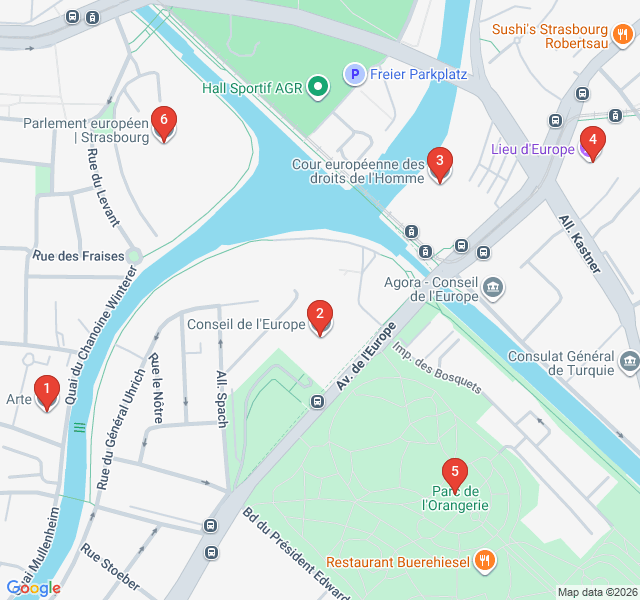
Numbers indicate the order of stops on the tour.
Begin your exploration at the headquarters of Arte, the European culture channel. This building is a masterpiece of modern glass architecture, designed to look like a 'translucent ship' docked along the Ill River. Founded in 1991 as a joint venture between France and Germany, Arte serves as a powerful symbol of reconciliation. The building's design emphasizes transparency, mirroring the channel's mission to bridge cultural divides. As you look at the facade, notice how it reflects the surrounding water and greenery, blending the industrial with the natural. It is the perfect starting point to understand Strasbourg's role as a mediator between nations.
Standing before you is the Palais de l'Europe, the heart of the Council of Europe. Established in 1949, this is the oldest of the major European institutions in Strasbourg. The current building, inaugurated in 1977, was designed by architect Henry Bernard. Look at the exterior—a fortress-like structure of red brick, concrete, and glass. The most striking feature is the row of flags representing the 46 member states. Unlike the European Union, the Council focuses primarily on human rights, democracy, and the rule of law across the entire continent. It is here that the European flag was first flown before being adopted by other institutions.
This striking building, with its two giant silver cylinders, is the European Court of Human Rights. Designed by the British architect Richard Rogers—famed for the Pompidou Centre in Paris—it was completed in 1995. The design is highly symbolic: the two main drums represent the scales of justice, while the use of glass and steel suggests the transparency of the law. The Court is where citizens can bring cases against member states for human rights violations. It is a place of immense legal weight, nestled quietly by the river, serving as the ultimate guardian of fundamental freedoms for over 700 million Europeans.
Located in the historic Villa Kaysersguet, the Lieu d'Europe serves as an educational bridge between the public and the diplomatic institutions. This charming 18th-century estate stands in stark contrast to the modern glass buildings nearby. It tells the story of Strasbourg's European history through permanent exhibitions and interactive displays. The surrounding parkland offers a quiet moment to reflect on how this city transformed from a site of frequent conflict to a beacon of peace. It is a reminder that the 'European Quarter' is not just a collection of offices, but a living part of Strasbourg's urban fabric.
Step into the Parc de l'Orangerie, the oldest and most beloved park in Strasbourg. Originally designed during the French Revolution, it was later enhanced to honor Empress Joséphine. The Pavillon Joséphine, which you can see in the center, was built to house orange trees confiscated from nearby estates. Today, the park is a sanctuary of 26 hectares filled with winding paths, a lake, and an animal farm. Most importantly, keep your eyes on the treetops. The Orangerie is the primary site for the reintroduction of the white stork to Alsace. You will see their massive nests perched high above, a testament to the city's commitment to nature.
The final stop is the Louise Weiss building, the seat of the European Parliament. Completed in 1999, its design is one of the most iconic in modern Europe. The massive glass facade curves along the river, while the central tower appears intentionally 'unfinished,' symbolizing the ongoing project of building Europe. Inside lies the Hemicycle, where 705 MEPs debate and vote on laws that affect the entire EU. The building is named after Louise Weiss, a prominent feminist and journalist who served as the oldest member of the first directly elected Parliament in 1979. It is a grand conclusion to your walk, embodying the scale and ambition of European democracy.
Start Free on iPhone
Explore “Diplomacy and Modernity: The European Quarter” with your very own Private Tour Guide with Zigway. Start free on iPhone, skip the large group and the fixed routes, and hear the city come alive as you go.
Your Private Tour Guide
Don't miss the good stuff
Explore Freely
 Easy
EasyStrasbourg, France
Discover the vibrant soul of Strasbourg’s student district. Explore historic factories, lively squares, and canal-side hangouts at your own pace.
 Easy
EasyStrasbourg, France
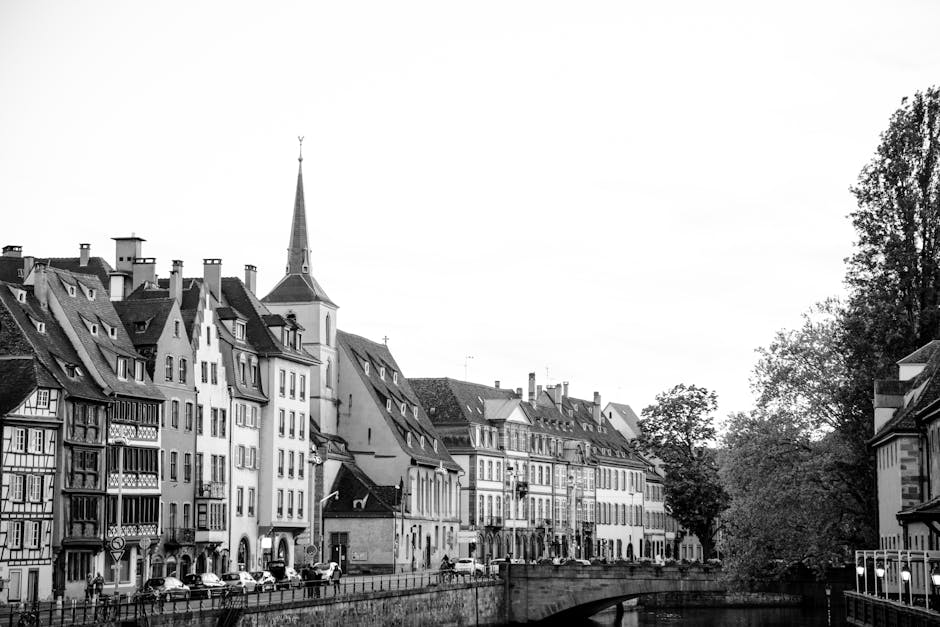
Explore Strasbourg’s Gothic heart and astronomical marvels on this self-guided walk through the historic Grande Île.
 Easy
EasyStrasbourg, France
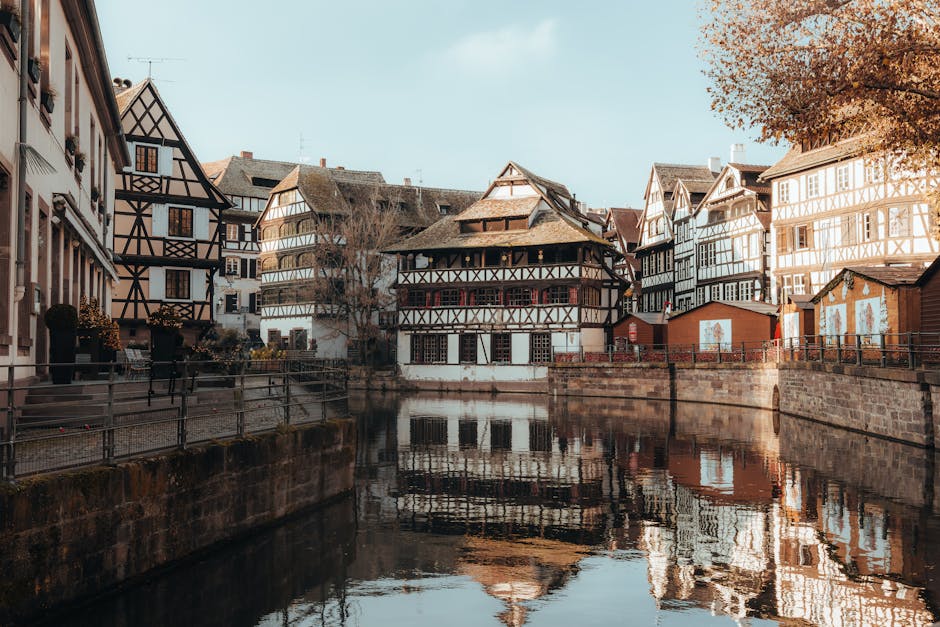
Discover Strasbourg’s soul on this self-guided stroll along historic quays, scenic bridges, and the fairytale canals of Petite France.
 Moderate
Strasbourg, France
Explore the military genius of Vauban on this self-guided walk through Strasbourg’s historic bridges, dams, and riverside defenses.
 Moderate
Warsaw, Poland
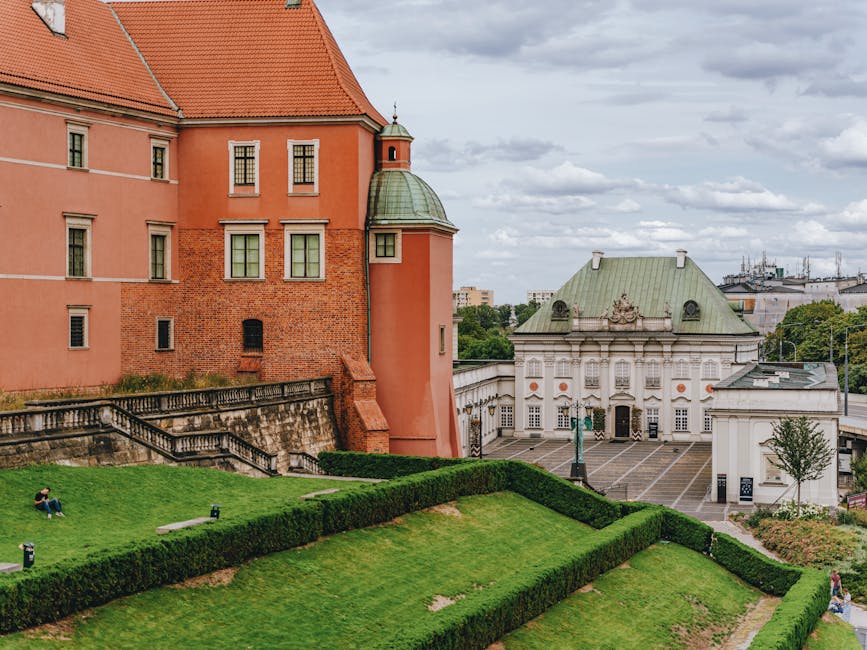
A powerful self-guided walk through Warsaw's WWII history, tracking the 1944 Uprising from ruined skyscrapers to solemn memorials.
 Moderate
Nairobi, Kenya
Discover Nairobi's lush side on this self-guided walk through botanical gardens, historic memorials, and vibrant local markets.
 Moderate
Vienna, Austria
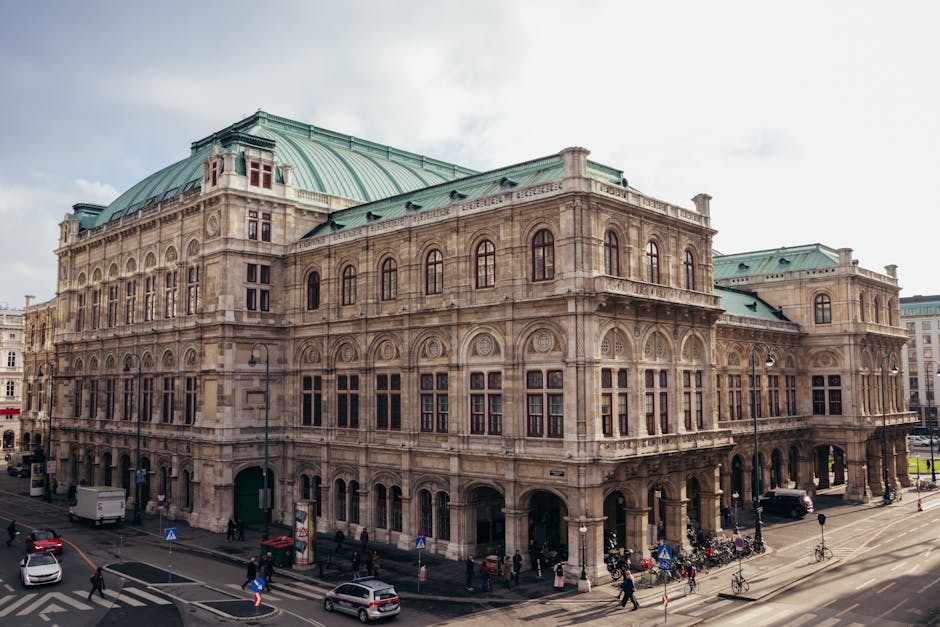
Follow the footsteps of Mozart and Strauss through Vienna’s historic center on this self-guided walk through the city's rich musical history.
 Moderate
Krakow, Poland
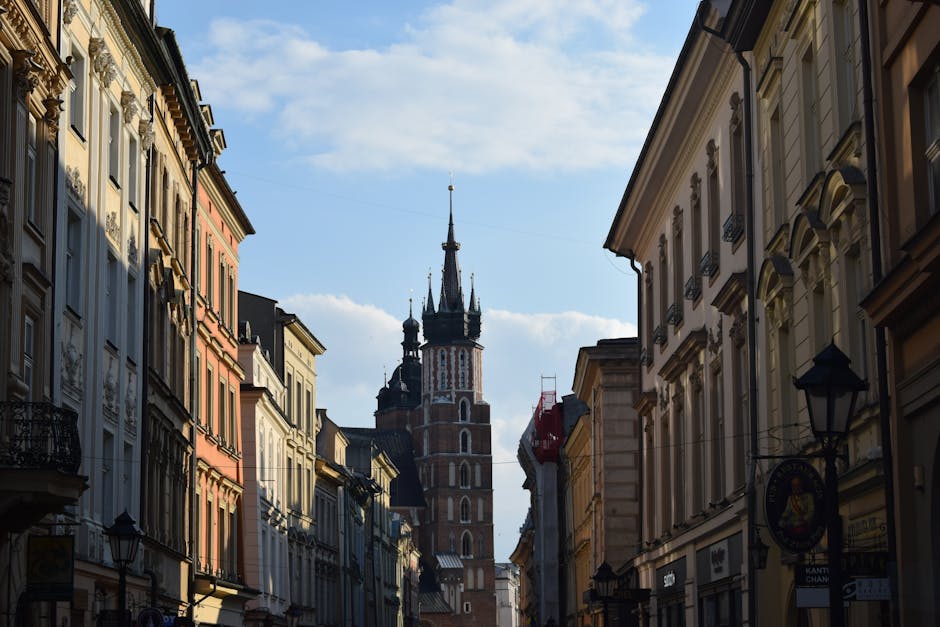
Discover Krakow’s stunning skyline and riverside charm on this self-guided audio walk through scenic viewpoints and historic mounds.
 Challenging
Paris, France
Explore the secret vineyards, legendary artist studios, and hidden squares of Paris's iconic hilltop on this self-guided bohemian walking route.
 Easy
EasyParis, France
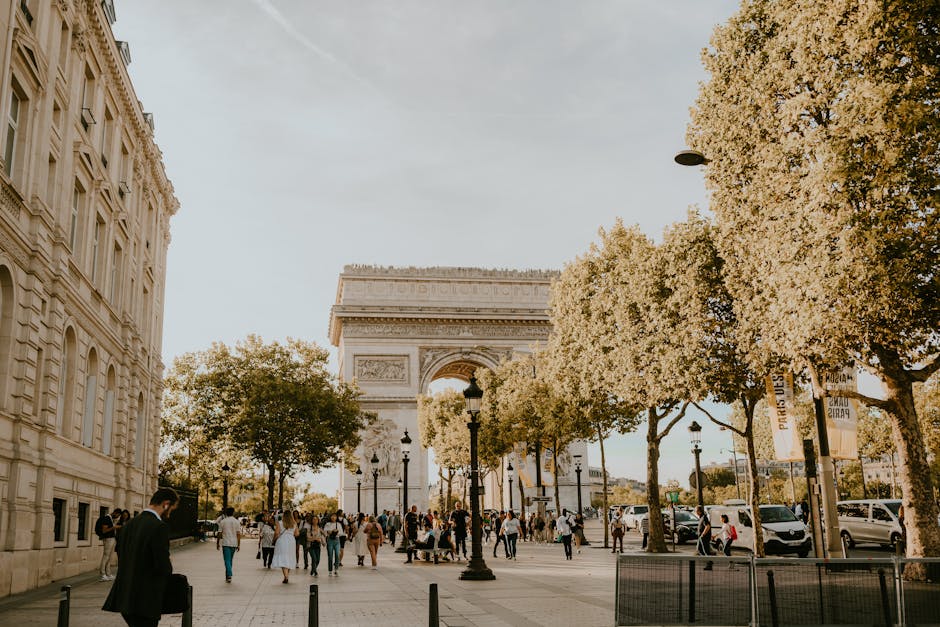
Explore the evolution of Parisian design from Art Nouveau whimsy to Le Corbusier's Modernist masterpieces on this self-guided architectural walk.
 Easy
EasyParis, France
Explore the flavors and history of Bastille on this self-guided walk through the legendary Aligre Market and the scenic Coulée Verte.
 Easy
EasyParis, France
Discover aristocratic mansions, secret medieval courtyards, and royal history on this self-guided walk through the enchanting Marais district.