Self-guided audio tour in Strasbourg
Start Free on iPhone
Start free on iPhone to unlock this self-guided walking tour in Strasbourg. Hear all the stories that make it amazing, walk at your own pace, and begin whenever you want.
Your Private Tour Guide
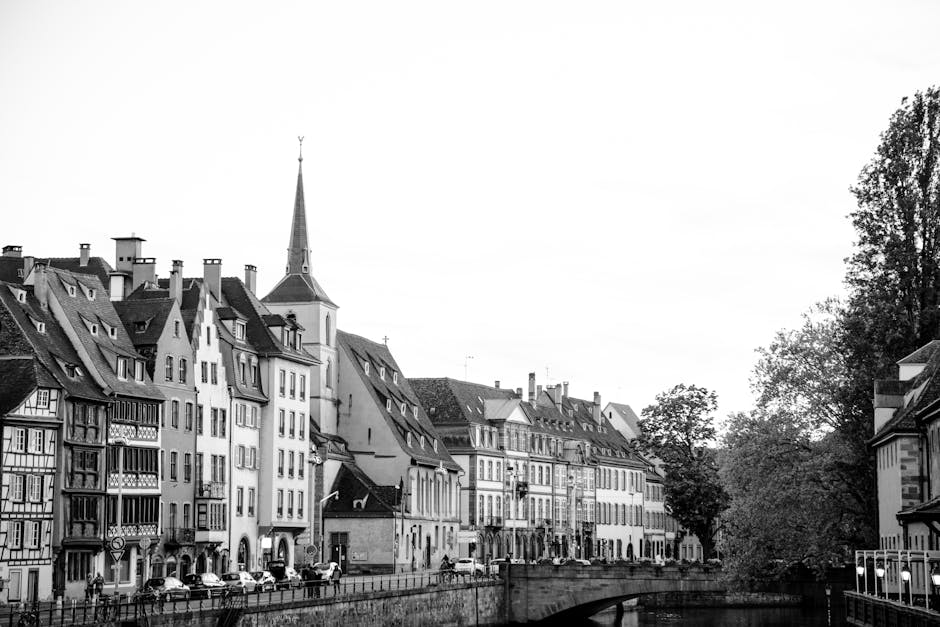
Strasbourg is a city that rewards the curious. While the towering spire of the Cathedral captures every gaze, the true soul of the Alsatian capital is often tucked away in shadows and behind heavy wooden doors. This self-guided walk invites you to peel back the layers of the Grande Île, a UNESCO World Heritage site, and explore the 'Hidden Courtyards and Secret Alleys' that most visitors miss. By choosing an audio walk, you can wander at your own pace, pausing to admire the intricate timber work of a 16th-century balcony or the quiet ripple of the Ill River. The journey begins near the Quai Saint-Nicolas, where historic dwellings whisper stories of centuries past. You will discover the Alsatian Museum, housed in a cluster of interconnected Renaissance homes that exemplify the region's unique architectural heritage. Moving through the cobblestone streets, the route highlights the transition from medieval fortification to Enlightenment elegance. A major highlight is the Cour du Corbeau, one of the oldest and most beautiful hotels in Europe, featuring a stunning timber-framed courtyard that feels frozen in time. This neighborhood stroll also takes you past the grand Hôtel de Ville and into the heart of the Grande-Île de Strasbourg. Whether you are a photography enthusiast looking for the perfect play of light on old wood or a history buff eager to trace the city's evolution, this walking route provides the context and freedom to discover Strasbourg’s secrets. It is an invitation to look beyond the postcards and step into the living history of Alsace. Discover the city’s intimate corners and architectural treasures on this independent exploration. A walking tour Strasbourg experience is incomplete without seeing these residential gems.
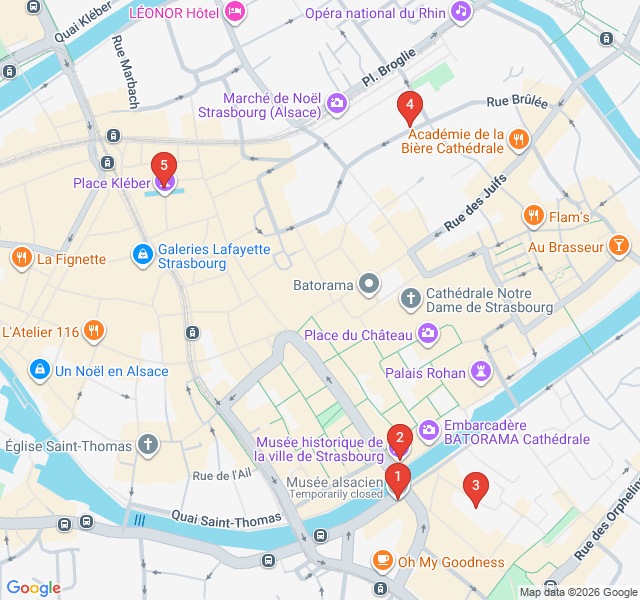
Numbers indicate the order of stops on the tour.
Begin your journey at the Alsatian Museum, located in a series of interconnected 16th and 17th-century houses overlooking the Ill River. This isn't just a museum; it is a portal into the daily lives of Alsatians from centuries ago. As you look at the facade, notice the characteristic timber framing and the narrow windows designed to keep heat in during harsh winters. The interior courtyards are the real treasure here, featuring wooden galleries and steep staircases that connect the different buildings. These courtyards served as communal spaces where residents shared news, worked on crafts, and managed their households away from the bustle of the riverfront. It is a perfect example of how the city's residents maximized space within the fortified island.
A short walk brings you to the Historical Museum, housed in the former 'Grande Boucherie' or city slaughterhouse, built in 1587. This building is a testament to Strasbourg's importance as a trading hub. While the museum inside chronicles the city's journey from the Roman era to the modern day, the architecture itself is a highlight of the Renaissance style in the Rhineland. Look for the large arched entrances that once allowed livestock and carts to enter. This spot marks the transition from the residential riverfront to the civic heart of the city. The museum is particularly famous for its 1727 relief map of Strasbourg, which offers a bird's-eye view of the very alleys you are exploring today.
Step into one of the most magical spaces in Strasbourg. The Cour du Corbeau, or 'Raven’s Court,' is a former coaching inn dating back to 1528. As you enter the courtyard, you are transported back to the era of horse-drawn carriages and weary travelers. The intricate wooden balconies, carved railings, and the way the buildings lean slightly toward each other create a sense of timelessness. It is one of the oldest and best-preserved examples of Renaissance timber-frame architecture in Europe. Famous guests, including Frederick the Great and Emperor Joseph II, once stayed here. Take a moment to appreciate the quiet atmosphere; this is the quintessential 'hidden' Strasbourg that remains tucked away behind an unassuming entrance.
As you move toward the center of the Grande Île, the architecture shifts from medieval timber to 18th-century stone. The Hôtel de Ville, or City Hall, was originally built as the Hanau-Lichtenberg Palace between 1731 and 1736. It reflects the French influence that swept through Strasbourg during the Enlightenment. The horseshoe-shaped courtyard and the ornate classical facade are a departure from the narrow, vertical styles of the earlier stops. This building serves as the administrative heart of the city, but its grand courtyard is often open to the public, offering a sense of the aristocratic lifestyle that once dominated this district. It stands as a symbol of Strasbourg’s dual identity, blending German structural traditions with French decorative elegance.
Finish your stroll by immersing yourself in the wider Grande-Île. This entire island was the first city center to be classified as a UNESCO World Heritage site in its entirety. As you wander through the final stretch of this route, look for the 'Rue des Dentelles' or 'Rue des Serruriers.' These streets were named after the guilds that once lived and worked here. Notice how the alleys curve and twist, a design choice meant to break the wind and provide defensive advantages in the Middle Ages. The secret here is to look up; the rooftops often feature small 'sitting' windows where laundry was hung or goods were dried. You are now perfectly positioned to explore the nearby Petite France district or return to the Cathedral.
Start Free on iPhone
Explore “Hidden Courtyards and Secret Alleys” with your very own Private Tour Guide with Zigway. Start free on iPhone, skip the large group and the fixed routes, and hear the city come alive as you go.
Your Private Tour Guide
Don't miss the good stuff
Explore Freely
 Easy
EasyStrasbourg, France
Discover the vibrant soul of Strasbourg’s student district. Explore historic factories, lively squares, and canal-side hangouts at your own pace.
 Easy
EasyStrasbourg, France
Explore Strasbourg’s Gothic heart and astronomical marvels on this self-guided walk through the historic Grande Île.
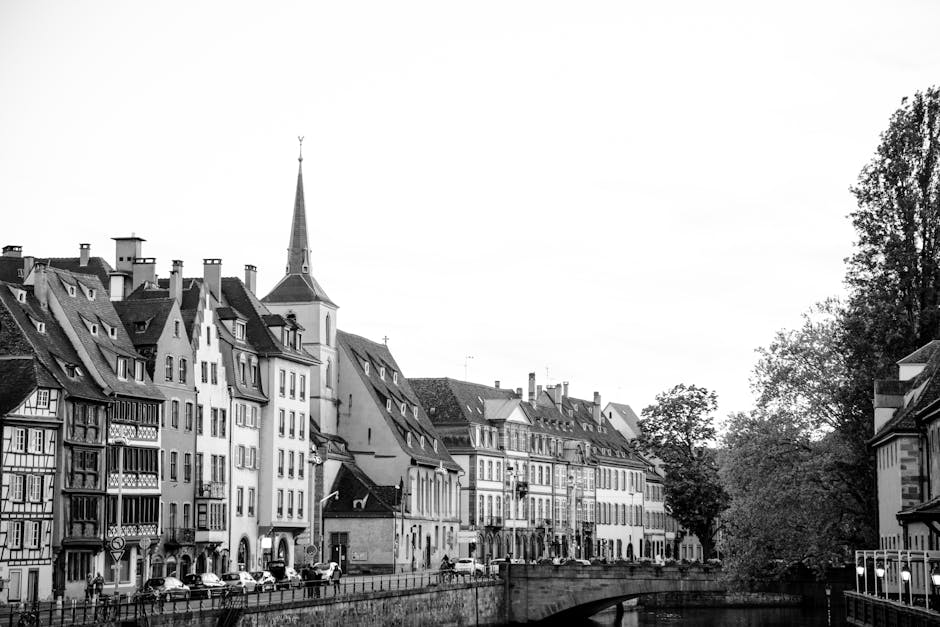 Easy
EasyStrasbourg, France
Discover Strasbourg’s soul on this self-guided stroll along historic quays, scenic bridges, and the fairytale canals of Petite France.
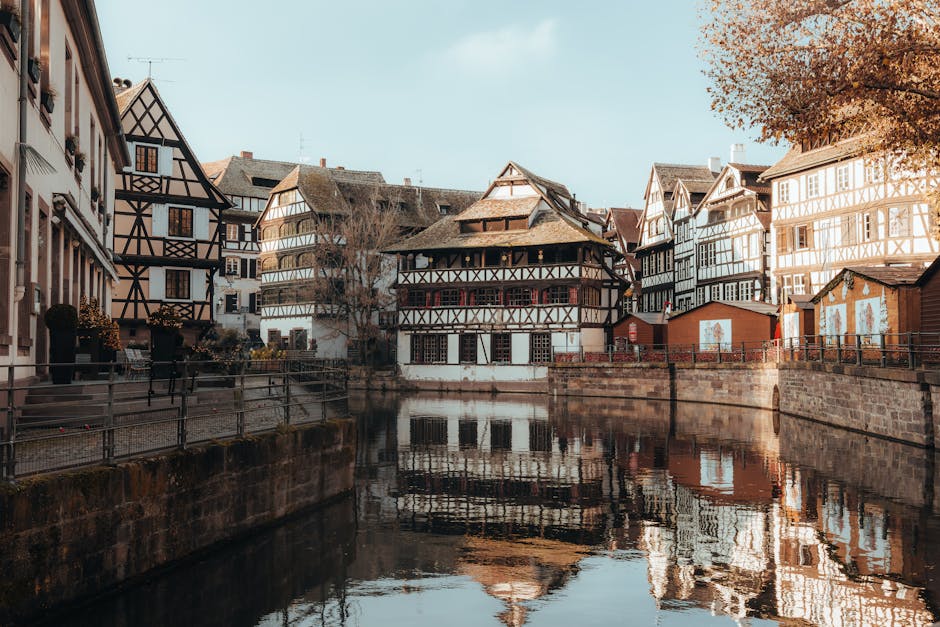 Moderate
Strasbourg, France
Explore the military genius of Vauban on this self-guided walk through Strasbourg’s historic bridges, dams, and riverside defenses.
 Easy
EasyWarsaw, Poland
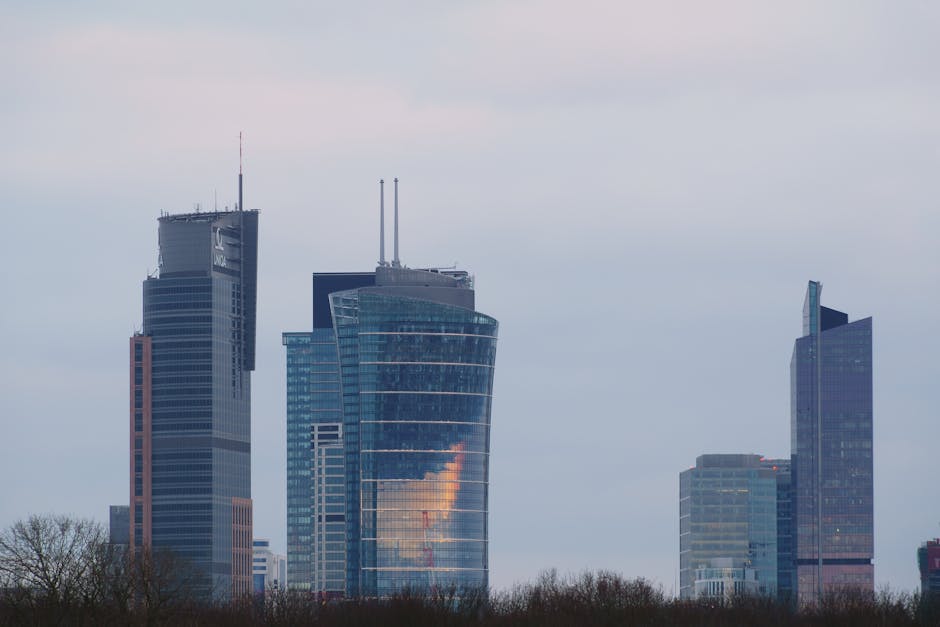
Discover the hidden courtyards and grand pre-war architecture of Warsaw's most atmospheric neighborhood on this self-guided stroll.
 Moderate
Vienna, Austria
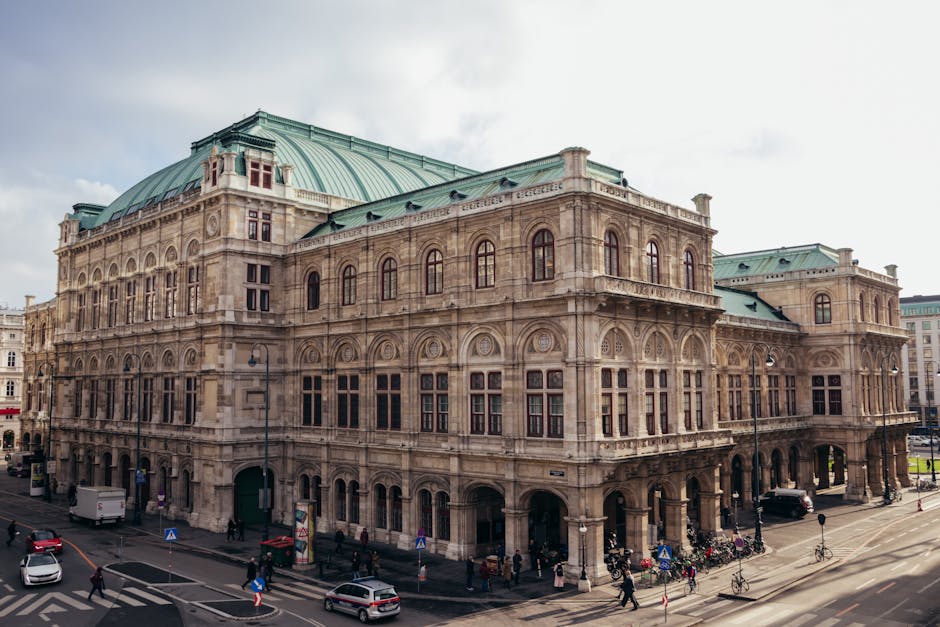
Discover the noir world of The Third Man and Cold War Vienna on this atmospheric self-guided audio walk through the historic Innere Stadt.
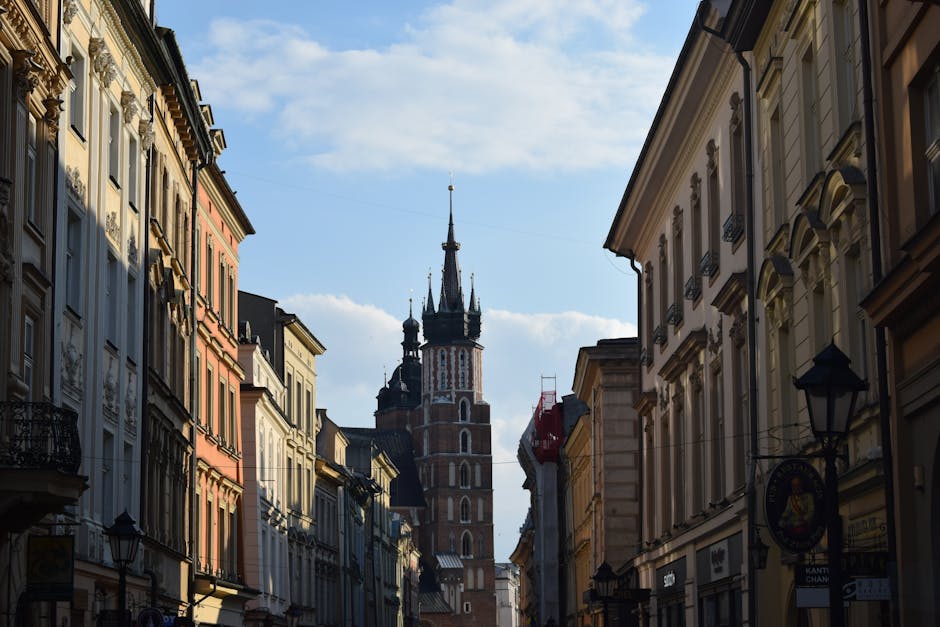 Moderate
Krakow, Poland
Discover Krakow’s stunning skyline and riverside charm on this self-guided audio walk through scenic viewpoints and historic mounds.
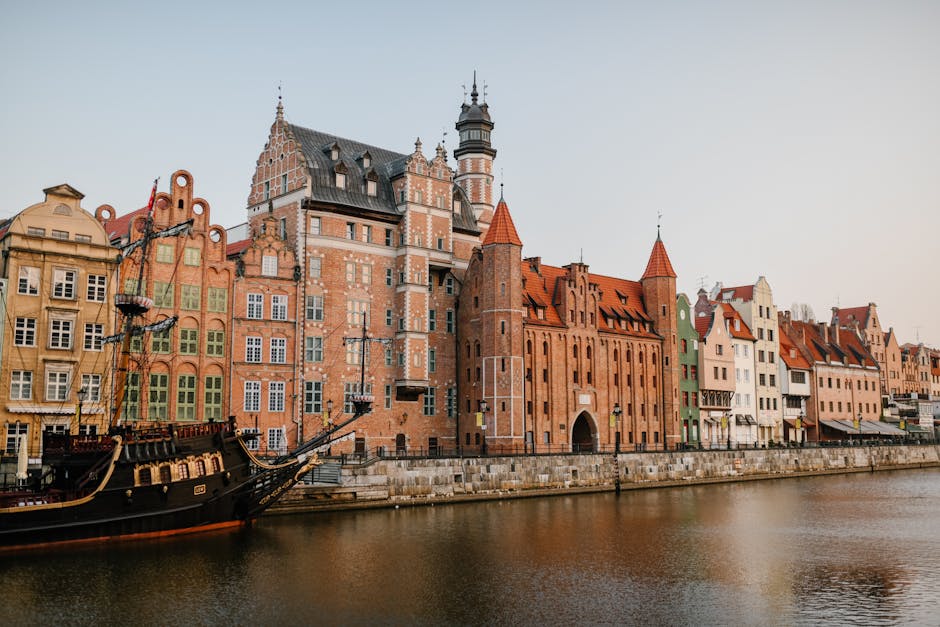 Easy
EasyGdansk, Poland
Discover the 'Baltic Gold' on this self-guided walk through Gdansk's historic mills, massive cathedrals, and the magical Mariacka Street.
 Challenging
Paris, France
Explore the secret vineyards, legendary artist studios, and hidden squares of Paris's iconic hilltop on this self-guided bohemian walking route.
 Easy
EasyParis, France
Explore the evolution of Parisian design from Art Nouveau whimsy to Le Corbusier's Modernist masterpieces on this self-guided architectural walk.
 Easy
EasyParis, France
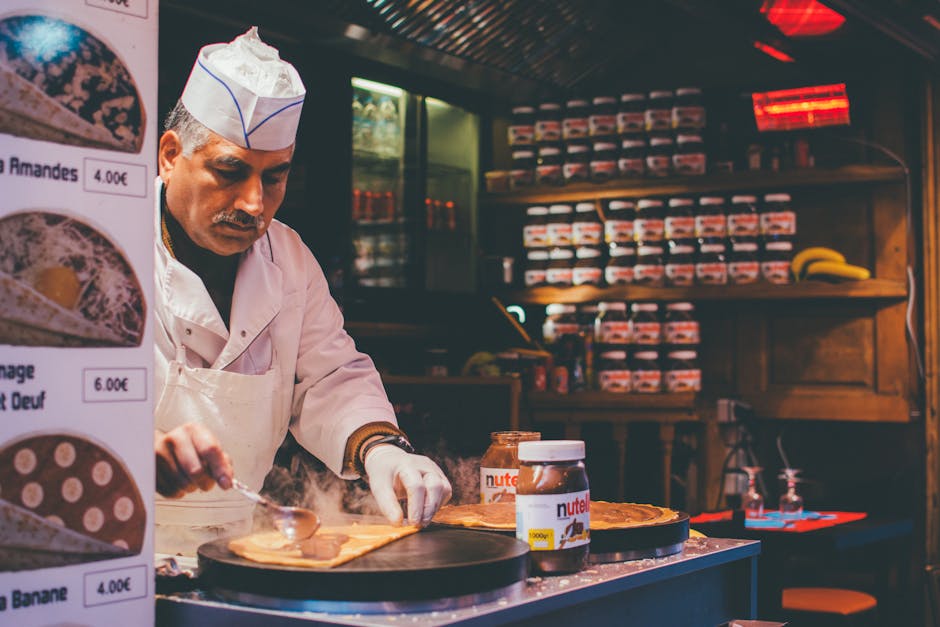
Explore the flavors and history of Bastille on this self-guided walk through the legendary Aligre Market and the scenic Coulée Verte.
 Easy
EasyParis, France
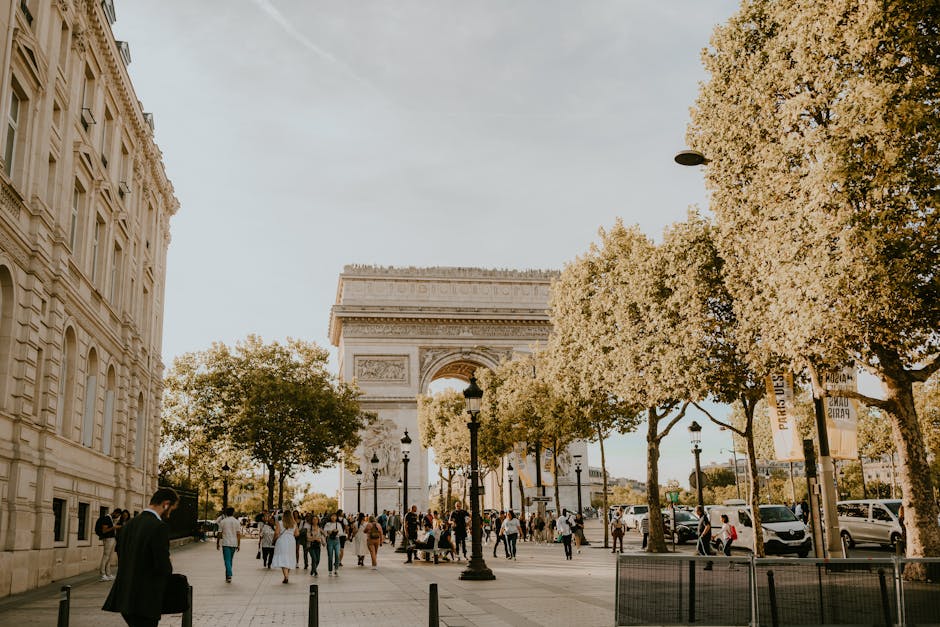
Discover aristocratic mansions, secret medieval courtyards, and royal history on this self-guided walk through the enchanting Marais district.