Self-guided audio tour in Krakow
Start Free on iPhone
Start free on iPhone to unlock this self-guided walking tour in Krakow. Hear all the stories that make it amazing, walk at your own pace, and begin whenever you want.
Your Private Tour Guide
Step away from the medieval cobblestones of the Old Town and enter a world of grand symmetry and socialist ambition. This self-guided walking route through Nowa Huta offers a fascinating look at one of only two pre-planned Socialist Realist cities ever built. Originally designed as a utopian worker's paradise and a counterweight to the intellectualism of old Krakow, Nowa Huta is a living museum of 20th-century urban planning and political history. As you explore this neighborhood stroll, you will witness the architectural transition from the heavy, ornate Stalinist blocks to the modernist designs that followed, all while uncovering the stories of the workers who lived here and the unexpected spirit of resistance that defined the district. Your independent journey begins at the striking Our Lady Queen of Poland Church, also known as Arka Pana. This boat-shaped structure stands as a powerful symbol of the neighborhood's fight for religious freedom against the officially atheist state. From there, the route leads you toward the cultural heart of the district, passing the Teatr Ludowy, which brought avant-garde performance to the industrial proletariat. You will walk down the wide promenade of Aleja Róż, once home to a massive statue of Lenin, and stop by the iconic Stylowa Restaurant, where the 1950s decor remains largely unchanged. The walk culminates at Plac Centralny, the grand architectural hub of the district, and the Museum of Nowa Huty, where you can delve deeper into the Cold War history and see the underground bunkers that lie beneath the surface. This walking tour Krakow experience provides a unique perspective on Poland's complex communist past, far removed from the typical tourist trails.
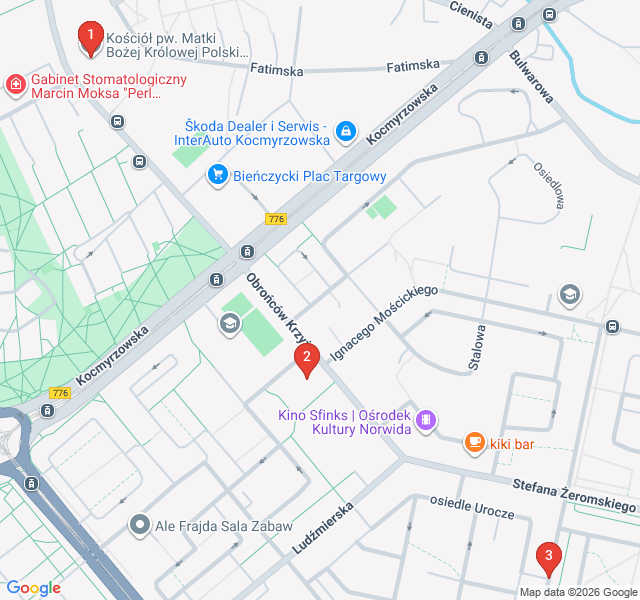
Numbers indicate the order of stops on the tour.
Welcome to the Arka Pana, or the Lord's Ark. When Nowa Huta was first designed in 1949, it was intended to be a 'city without God,' a purely secular environment for the socialist worker. However, the local residents had other plans. For years, they fought for the right to build a church, often holding outdoor masses in the wind and snow. This building, completed in 1977, is the result of that struggle. Its unusual, boat-like shape was inspired by Le Corbusier’s Ronchamp chapel, but it also symbolizes the Ark of Noah, surviving the flood of communism. Inside, the walls are covered with thousands of small stones from Polish rivers, and the crucifix is made from fragments of a lunar rock brought back by Apollo 11 astronauts.
The People's Theatre, or Teatr Ludowy, opened its doors in 1955. In a district designed for steelworkers, the communist authorities wanted to provide 'high culture' that aligned with their ideology. However, the theatre quickly became a hub for avant-garde and experimental performances that often subtly challenged the status quo. Architecturally, it is a prime example of the transition between Socialist Realism and the more functionalist styles that followed. Look at the balance of the facade and the grand scale of the building; it was designed to make the average worker feel like an owner of the state's cultural riches. Today, it remains one of Krakow's most respected stages.
Standing here on Aleja Róż, you are in the heart of the district’s social life. During the communist era, this wide promenade was the primary site for official parades and celebrations. For nearly two decades, a massive, seven-ton bronze statue of Vladimir Lenin stood at the center of this avenue. It was a frequent target of vandalism—most famously, an attempt was made to blow it up in 1979. After the fall of communism in 1989, the statue was removed and eventually sold to a Swedish theme park. Today, the avenue has returned to its namesake, filled with roses and benches, serving as a peaceful park for the residents of the surrounding blocks.
Step inside Stylowa and you step back in time. Opened in 1956, this is the oldest restaurant in Nowa Huta and was once the most prestigious dining spot in the district. In the 1960s and 70s, it was the place to be seen, hosting elegant balls and Sunday dinners for the local elite. While many things in Poland have modernized rapidly, Stylowa has intentionally preserved its retro atmosphere. From the heavy curtains and white tablecloths to the classic menu, it offers a glimpse into the 'luxury' of the Polish People's Republic. It is the perfect place to stop for a traditional Polish coffee or a plate of pierogi while soaking in the mid-century vibe.
Plac Centralny is the grand centerpiece of Nowa Huta’s urban design. From this massive square, five wide avenues radiate outwards like the spokes of a wheel, an arrangement inspired by the classicist designs of Paris or Washington D.C. The surrounding buildings are the height of Socialist Realist architecture—imposing, symmetrical, and adorned with Renaissance-style attics and columns. Interestingly, the square was never actually completed according to the original plans, which included a grand town hall on the southern side. In 2004, the square was renamed in honor of U.S. President Ronald Reagan, a symbolic gesture acknowledging his role in the collapse of the Soviet bloc.
Housed in the former 'Światowid' cinema, the Museum of Nowa Huty is the final stop on our walking route. This building itself is a landmark of 1950s design. Inside, the museum explores the paradoxical history of the district—from its construction as a propaganda tool to its role as a bastion of the Solidarity movement. One of the most fascinating aspects of this site is the network of Cold War-era air-raid shelters located in the basement. These bunkers were built to protect the population in the event of a nuclear strike, and they remain a chilling reminder of the tensions that defined the second half of the 20th century. It is a fitting place to reflect on the complex legacy of this 'socialist utopia.'
Start Free on iPhone
Explore “Socialist Utopia: Nowa Huta Walk” with your very own Private Tour Guide with Zigway. Start free on iPhone, skip the large group and the fixed routes, and hear the city come alive as you go.
Your Private Tour Guide
Don't miss the good stuff
Explore Freely
 Easy
EasyKrakow, Poland
Explore the prestigious Jagiellonian University district, featuring Neo-Gothic architecture, Baroque churches, and Krakow's hidden scholarly gems.
 Easy
EasyKrakow, Poland
Explore Krakow's hidden nightlife with this self-guided walk through medieval cellars, jazz clubs, and bohemian bars in the Old Town and Kazimierz.
 Easy
EasyKrakow, Poland
Discover Krakow’s creative soul in Zabłocie, exploring industrial heritage, contemporary art museums, and avant-garde architecture at your own pace.
 Easy
EasyKrakow, Poland
Explore the historic heart of Kazimierz on this self-guided walk through synagogues, ancient cemeteries, and vibrant squares.
 Moderate
Nairobi, Kenya
Discover the creative soul of Nairobi on this self-guided walk through the city's premier art galleries, markets, and artisan workshops.
 Moderate
Vienna, Austria
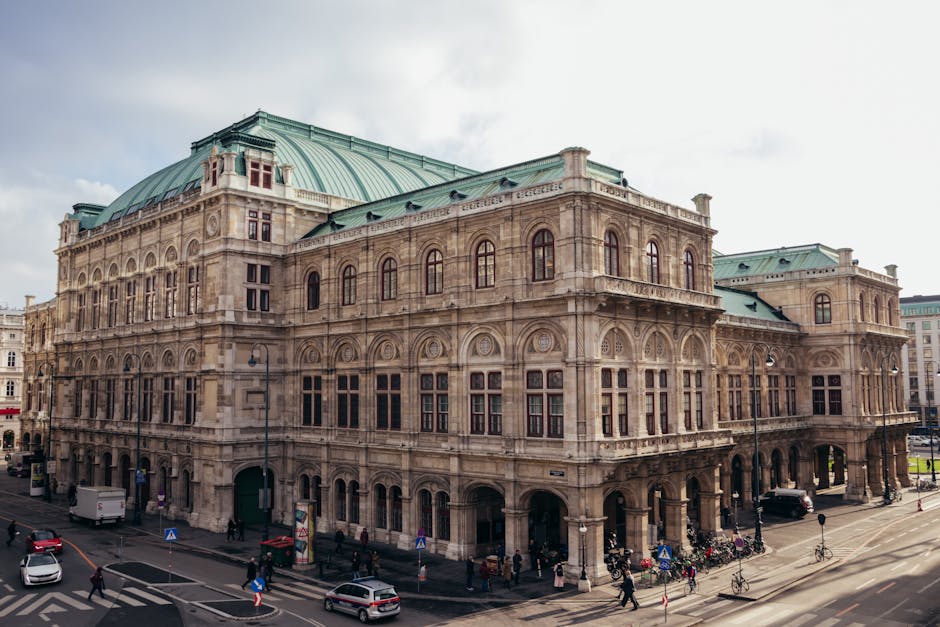
Discover the noir world of The Third Man and Cold War Vienna on this atmospheric self-guided audio walk through the historic Innere Stadt.
 Moderate
Gdansk, Poland
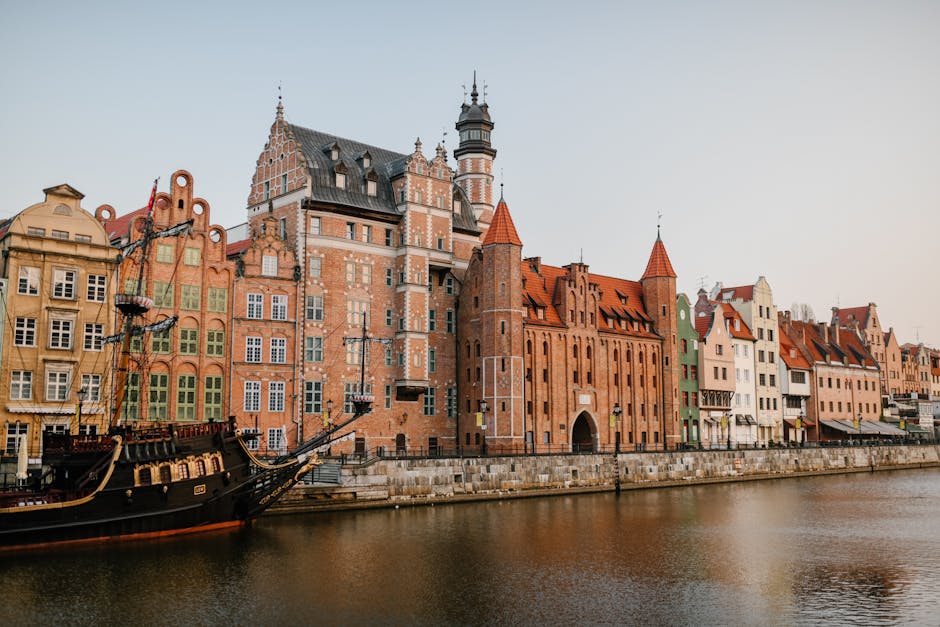
Discover the bohemian soul of Gdańsk. Explore the literary landmarks of Günter Grass, Prussian villas, and the trendy cafes of historic Wrzeszcz.
 Moderate
Gdansk, Poland
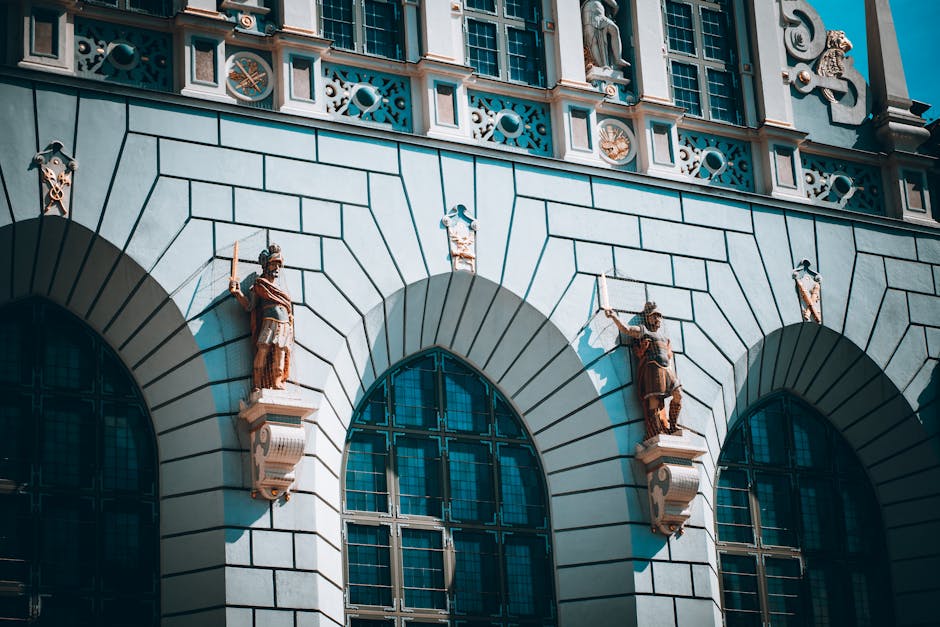
Discover Zaspa, a massive open-air gallery where grey housing blocks are transformed by over 60 monumental murals. Explore at your own pace.
 Easy
EasyWarsaw, Poland
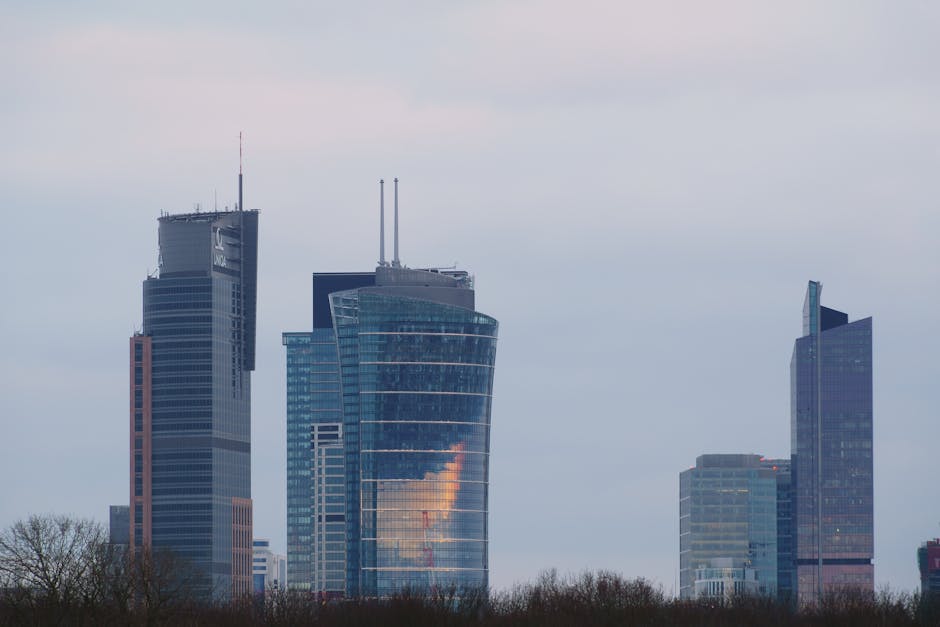
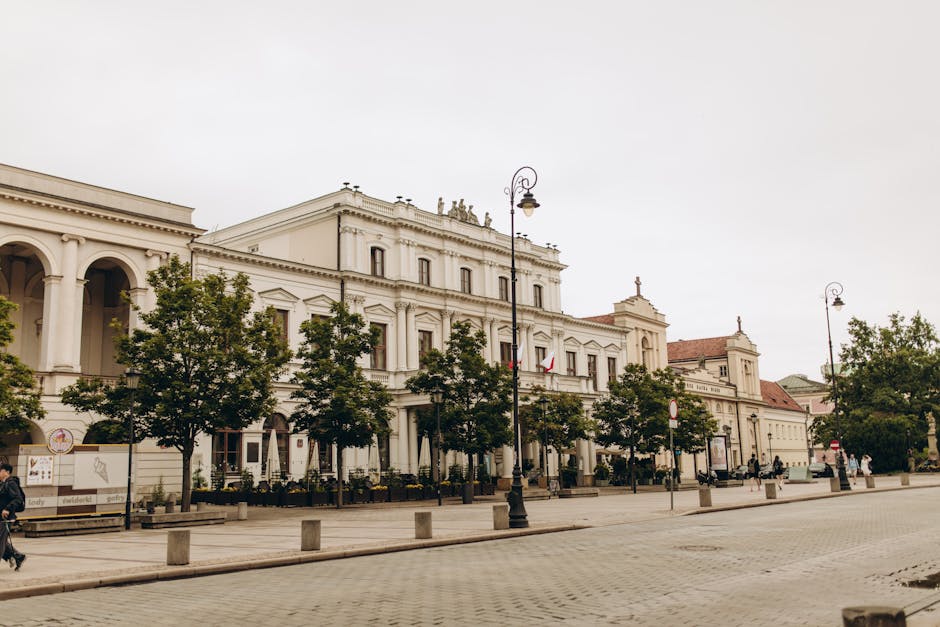
Discover the hidden courtyards and grand pre-war architecture of Warsaw's most atmospheric neighborhood on this self-guided stroll.
 Easy
EasyWarsaw, Poland
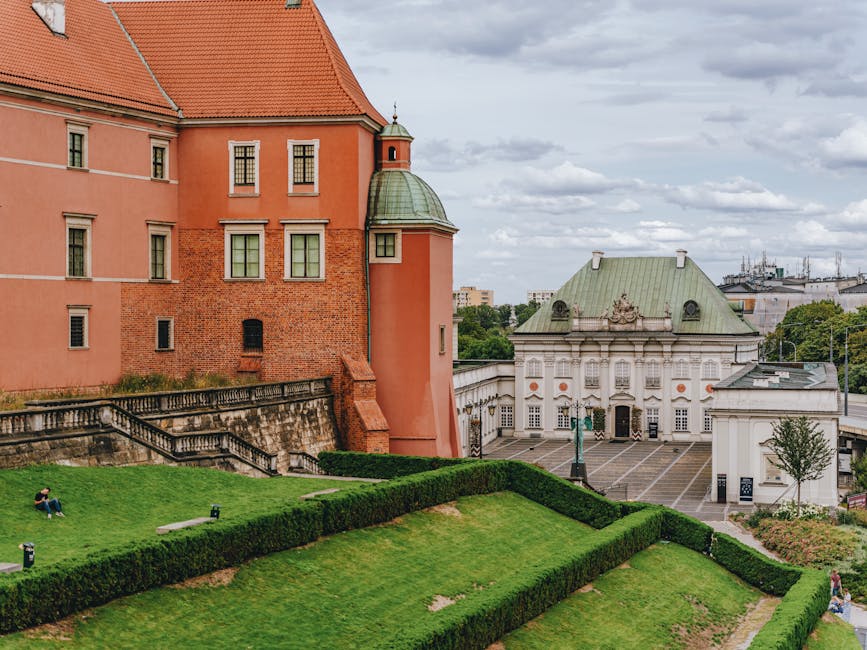
Explore the 'Polish Versailles' at your own pace. Discover Baroque architecture, royal history, and stunning gardens on this self-guided walk.
 Moderate
Warsaw, Poland
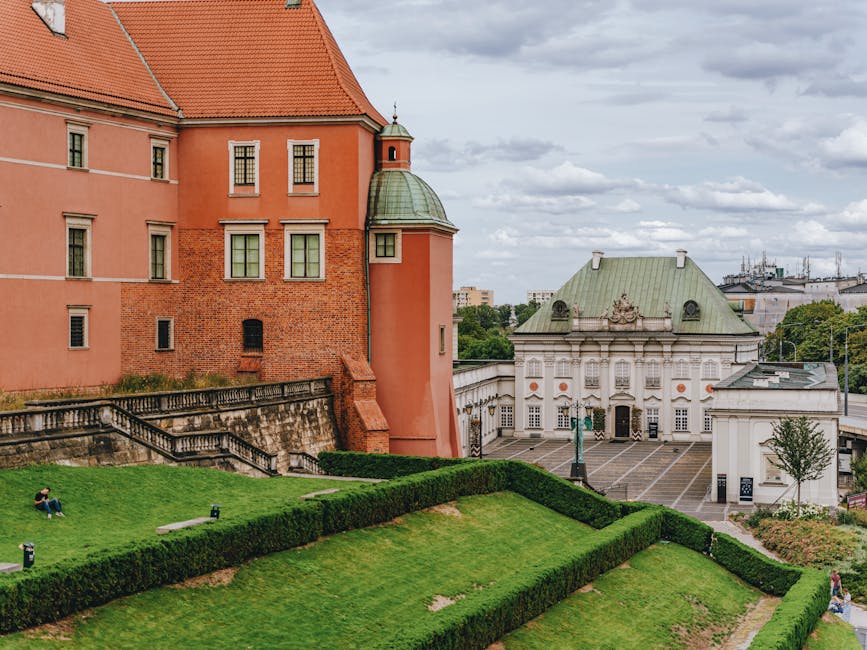
Explore the resilient spirit of Warsaw's Muranów district on this self-guided walk through the history and landmarks of the former Jewish Ghetto.
 Moderate
Warsaw, Poland
A powerful self-guided walk through Warsaw's WWII history, tracking the 1944 Uprising from ruined skyscrapers to solemn memorials.