Orthodox Christmas (Božić)
The primary religious holiday in Serbia, marked by the burning of the oak branch (badnjak) and family feasts.
Why it matters: It offers a profound look into Serbian spiritual life and the importance of family heritage.
Discover the vibrant pulse of the Balkans with our 2026 guide to Serbia's most significant music festivals, cultural celebrations, and historical commemorations.
Start Free on iPhone
Use Zigway to pair festivals, concerts, sports highlights, and cultural events across Serbia with self-guided walks in the cities you want to explore.
Your Private Tour Guide
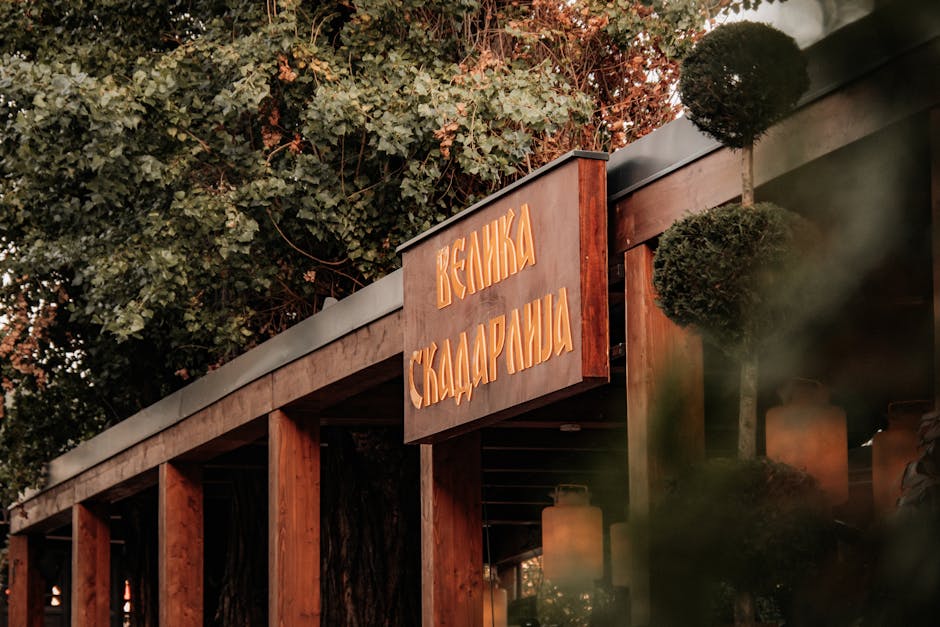
Serbia in 2026 offers a compelling mix of high-energy urban festivals and deeply rooted local traditions. From the historic fortress of Petrovaradin in Novi Sad to the bustling pedestrian streets of Belgrade, the country presents a year-round calendar that bridges the gap between East and West. Visitors can experience world-class music events like EXIT, participate in solemn Orthodox religious processions, and explore the burgeoning culinary scene during harvest festivals. Whether you are drawn to the architectural grandeur of Zemun, the socialist-era monuments of New Belgrade, or the hidden bohemian corners of Skadarlija, there is always a cultural event providing context to the local lifestyle. This guide helps you navigate the highlights of the Serbian calendar, focusing on events that define the national spirit, celebrate artistic innovation, and showcase the legendary hospitality known as gostoprimstvo, ensuring you experience the true character of this Southeastern European crossroads.
When planning your 2026 trip to Serbia, consider the seasonal shifts that dictate the local rhythm. Winters are festive but can be cold, perfect for cozying up in a traditional kafana, while summers are hot and dominated by outdoor festivals along the Danube and Sava rivers. Public transport connects major hubs like Belgrade and Novi Sad efficiently, though many cultural districts are best explored on foot to appreciate the layered architecture. Keep in mind that Orthodox holidays follow the Julian calendar, meaning Christmas and Easter often fall on different dates than in Western Europe. Most major festivals are concentrated in the warmer months, but the cultural season for theater, film, and jazz peaks during the crisp autumn weeks.
Move from the national calendar to city-by-city event pages for more local detail.
January is a month of deep religious tradition and festive gatherings, centered around the Orthodox holiday calendar.
The primary religious holiday in Serbia, marked by the burning of the oak branch (badnjak) and family feasts.
Why it matters: It offers a profound look into Serbian spiritual life and the importance of family heritage.
A traditional celebration of the New Year according to the Julian calendar, often featuring outdoor concerts.
Why it matters: It showcases the local preference for traditional timing and public celebration.
February marks the peak of the winter cultural season with a focus on international cinema and national pride.
One of the most important film festivals in Southeast Europe, screening global premieres and independent works.
Why it matters: FEST has been a window to the world for locals since the 1970s and remains a major social event.
Commemoration of the First Serbian Uprising and the first constitution, featuring state ceremonies.
Why it matters: It is the most significant date on the Serbian political calendar, marking the birth of the modern state.
As winter fades, the focus shifts to documentary arts and the burgeoning local wine and spirits scene.
The Belgrade Documentary and Short Film Festival is one of the oldest of its kind in Europe.
Why it matters: It provides a platform for socially relevant storytelling and experimental Balkan filmmaking.
Spring brings a sense of renewal with major athletic events and significant religious observances.
A major international marathon that winds through the historic and modern parts of the city.
Why it matters: It is the largest sporting event in the country, promoting fitness and urban community.
The most important liturgical celebration in the Orthodox Church, marked by egg-tapping traditions.
Why it matters: Easter traditions in Serbia are a colorful blend of religious devotion and folk customs.
May is the month of museums and design, as the weather becomes ideal for outdoor exploration.
Dozens of cultural institutions stay open late with special exhibitions and performances.
Why it matters: It encourages the public to explore hidden architectural gems and historical archives rarely seen.
A regional festival of creativity and innovation focusing on design, architecture, and urbanism.
Why it matters: It highlights the modern, forward-thinking side of Serbian urban design and sustainability.
The summer festival season officially kicks off with theater and independent cinema taking center stage.
A multifaceted festival featuring theater, dance, and visual arts in unconventional outdoor spaces.
Why it matters: It transforms the city's historical sites into living stages for contemporary performance.
An international film festival focusing on young filmmakers and independent productions.
Why it matters: It showcases the vibrant youth culture and industrial-to-cultural transformation of Novi Sad.
July is dominated by massive music gatherings that draw visitors from across the globe to the Danube.
One of Europe's most famous music festivals, featuring global stars across multiple genres.
Why it matters: Born out of a student protest movement, it represents the spirit of freedom and youth in the region.
In August, the focus moves to traditional brass music and the popular river-side culture of Belgrade.
A massive brass band competition and folk festival that celebrates Balkan trumpet music.
Why it matters: It is the quintessential Serbian folk experience, known for its incredible energy and traditional food.
A large-scale music and beer festival featuring regional rock and pop acts.
Why it matters: It is one of the largest free festivals in the region, highlighting local lifestyle and social life.
September is the month for sophisticated theater and culinary celebrations as the harvest begins.
One of the world's leading festivals for avant-garde and contemporary theater.
Why it matters: BITEF consistently pushes the boundaries of performance art and political expression.
A culinary festival celebrating the river traditions of the Danube and Sava.
Why it matters: It highlights the importance of the rivers to Belgrade's historical identity and food culture.
As the leaves turn, Belgrade becomes a hub for literature and world-class jazz music.
The largest literary event in the Balkans, attracting hundreds of publishers and authors.
Why it matters: Reading remains a deeply respected tradition in Serbia, and this fair is a major cultural pilgrimage.
A high-profile festival featuring international jazz legends and emerging regional talent.
Why it matters: It celebrates a long-standing local passion for jazz that persisted even through difficult historical periods.
November offers a more intimate cultural experience with indoor concerts and cozy wine festivals.
An annual gathering of jazz enthusiasts featuring world-class ensembles.
Why it matters: It reinforces Novi Sad's reputation as a center for high culture and musical excellence.
The year ends with festive markets and a buildup to the grand outdoor New Year's Eve celebrations.
A month-long holiday market featuring wooden huts, mulled wine, and artisanal crafts.
Why it matters: It captures the festive winter spirit and the local tradition of communal city-center gathering.
Large-scale public concerts and fireworks to ring in the New Year.
Why it matters: Belgrade is famous for its New Year's energy, making it a top destination for regional celebration.
Pair the event calendar with self-guided walks and neighborhood routes.
EasyBelgrade, Serbia
Discover Lower Dorćol, where 18th-century history meets industrial revival and vibrant street art on this self-guided stroll through Belgrade.
EasyBelgrade, Serbia
Discover Belgrade’s bohemian heart. Explore the historic Skadarlija quarter and Dorćol’s hidden Ottoman gems on this self-guided audio walk.
EasyBelgrade, Serbia
Explore the future of Serbia's capital on this self-guided walk through the modern Belgrade Waterfront and the scenic Sava Promenada.
ModerateBelgrade, Serbia
Explore the legacy of Yugoslavia on this self-guided walk from Tito’s tomb to the historic ruins and monuments of central Belgrade.
Don't miss the good stuff
Explore Freely