Orthodox Christmas
Traditional celebrations including the lighting of the 'badnjak' (oak branch) in front of Orthodox churches.
Why it matters: It offers a glimpse into the deep religious roots and communal spirit of the local population.
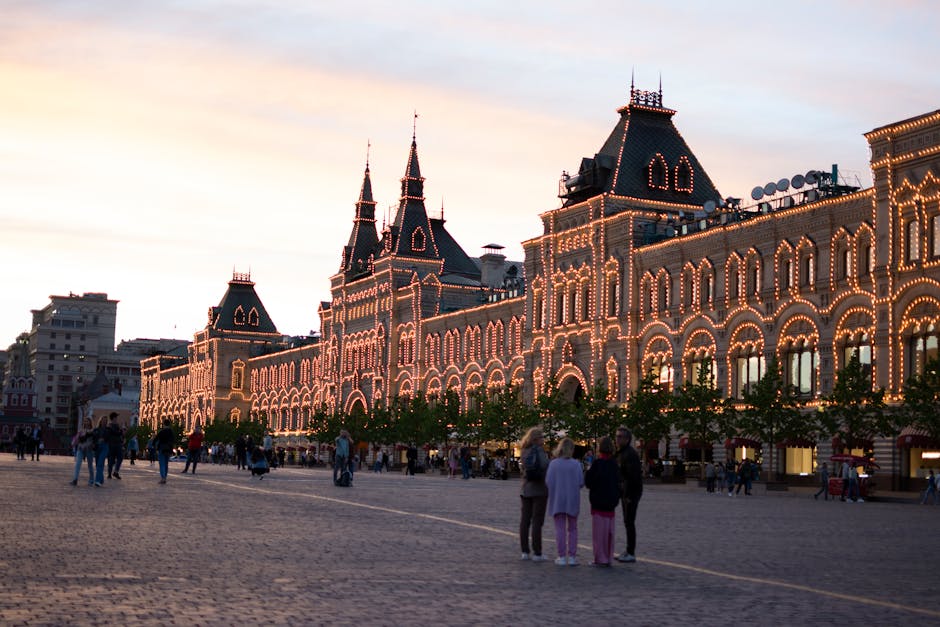
Discover the vibrant cultural calendar of Kotor in 2026, from ancient maritime rituals and winter carnivals to world-class summer music festivals.
Start Free on iPhone
Plan your trip around Kotor's concerts, festivals, food events, and local traditions, then start exploring with Zigway whenever you're ready to walk.
Your Private Tour Guide
Kotor, a UNESCO World Heritage site nestled in the dramatic Boka Bay, offers a cultural calendar as rich as its medieval architecture. In 2026, the city continues its tradition of blending maritime history with contemporary arts. Visitors can witness centuries-old rituals like the Feast of Saint Tryphon or join the exuberant energy of the Summer Carnival. Throughout the year, the limestone cliffs provide a stunning backdrop for international music festivals, local food celebrations, and open-air theater. Whether you are exploring the narrow stone alleys of the Old Town or hiking the fortress walls, the local events provide a deep dive into the Montenegrin soul. This guide covers the essential happenings, from the quiet winter traditions of the locals to the bustling energy of the peak summer season, helping you time your visit to catch the most authentic experiences.
Planning a visit to Kotor in 2026 requires balancing the seasonal Mediterranean climate with the event schedule. The summer months are packed with high-profile arts festivals but bring larger crowds and warmer temperatures. For those seeking a more local experience, the shoulder seasons of May and September offer mild weather and unique culinary festivals like the Camellia or Chestnut days. Most events take place within the pedestrian-only Old Town or along the waterfront, making the city easily navigable on foot. Be aware that religious processions often follow specific feast days rooted in the town’s deep Catholic and Orthodox heritage, which may affect access to certain churches or squares for short periods.
Compare this city calendar with the broader country-wide highlights and major events.
View Montenegro events in 2026January in Kotor is a quiet, atmospheric time focused on traditional religious celebrations and the start of the new year.
Traditional celebrations including the lighting of the 'badnjak' (oak branch) in front of Orthodox churches.
Why it matters: It offers a glimpse into the deep religious roots and communal spirit of the local population.
February is one of the most vibrant months for locals as the city celebrates its patron saint and the end of winter.
A centuries-old religious and maritime tradition honoring the patron saint of Kotor with a procession and the 'Boka Navy' dance.
Why it matters: It is a cornerstone of Kotor's identity, preserved since the 9th century and recognized by UNESCO.
A week of masked balls, parades, and the symbolic trial and burning of the 'Carnival' figure representing the year's misfortunes.
Why it matters: This is Kotor's most joyous winter tradition, bringing the community together through satire and costumes.
As spring approaches, the focus shifts to the blooming landscape and the arrival of the camellias.
A celebration of the camellia flower, brought to the bay by sailors in the 18th century, featuring exhibitions and balls.
Why it matters: It highlights the historical maritime connections and the natural beauty of the Boka region.
April brings milder weather and the start of the outdoor cultural season in the squares of the Old Town.
A series of classical music performances by local and international artists in historic venues.
Why it matters: It utilizes the exceptional acoustics of Kotor's historic buildings for intimate musical experiences.
May is a month of national pride and the opening of the museum season under the warm spring sun.
Public celebrations and concerts commemorating the 2006 independence referendum.
Why it matters: A significant modern political milestone celebrated with local music and community gatherings.
June marks the beginning of the major summer festivals, focusing on traditional vocal music and film.
A competition and showcase of traditional a cappella 'klapa' singing, typical of the Adriatic coast.
Why it matters: Klapa singing is an essential part of Mediterranean heritage and cultural expression in the bay.
July is the peak of the cultural season, with major international festivals taking over the city's historic sites.
The city is handed over to children for ten days of theater, workshops, and street performances.
Why it matters: It is one of the most important regional festivals for youth arts and creative education.
A high-profile festival featuring world-renowned classical musicians and orchestras in open-air settings.
Why it matters: It is Montenegro's premier classical music event, blending international talent with local heritage.
August is the busiest month, characterized by spectacular night-time events on the water and lively street parades.
A parade of creatively decorated boats in the harbor, followed by fireworks and a city-wide party.
Why it matters: Dating back to the 19th century, it is the most iconic summer event in the Boka Bay.
A massive parade of international carnival groups through the streets of Kotor.
Why it matters: It brings a cosmopolitan energy and vibrant nightlife to the peak of the tourist season.
September offers a more relaxed atmosphere as the summer heat fades, focusing on heritage and history.
Special access to historic buildings, guided walks, and exhibitions highlighting Kotor's UNESCO status.
Why it matters: It provides a deeper educational look into the architectural and social history of the city.
October is the time for harvest and local gastronomy, particularly in the smaller villages surrounding the city.
A celebration of the chestnut harvest with tastings, local wine, and traditional music.
Why it matters: It marks the seasonal transition and celebrates local agricultural traditions.
November is a month of local significance, celebrating the city's liberation and municipal heritage.
A day of formal ceremonies, cultural programs, and local festivities marking the city's liberation in WWII.
Why it matters: It combines local history with contemporary community celebrations.
December brings festive lights and the preparation for the New Year celebrations in the squares.
Large-scale concerts featuring regional pop and rock stars to ring in the new year.
Why it matters: Kotor is famous for hosting some of the best New Year's Eve parties in the Balkans.
Pair the event calendar with self-guided walks and neighborhood routes.
EasyDiscover Kotor's medieval squares, Venetian palaces, and mountain fortresses on this self-guided audio walk through the historic Old Town.
EasyDiscover Kotor’s legendary seafaring past on this self-guided audio walk through the historic Old Town and the scenic harbor.
EasyDiscover Kotor’s hidden squares, Venetian bastions, and coastal paths on this flexible self-guided audio walk through the historic Old Town.
EasyExplore Kotor's marble streets and meeting its famous feline residents on this charming self-guided stroll through Montenegro's cat-loving capital.
Don't miss the good stuff
Explore Freely