Bajada de Reyes
This event marks the official end of the Christmas season as the 'Three Kings' descend upon the city.
Why it matters: It is a charming local tradition where families bring their nativity scene figurines to the square to be blessed.
Experience the vibrant heart of the Andes with our guide to Cusco’s 2026 traditional festivals, religious processions, and local cultural celebrations.
Start Free on iPhone
Plan your trip around Cusco's concerts, festivals, food events, and local traditions, then start exploring with Zigway whenever you're ready to walk.
Your Private Tour Guide
Cusco, the historic capital of the Inca Empire, remains one of the world’s most culturally dense cities. In 2026, the city continues its centuries-old tradition of blending indigenous Andean spirituality with Spanish colonial customs. Visitors can expect a calendar filled with vibrant parades, elaborate costumes, and deep-rooted rituals that take place against the backdrop of ancient stone walls and baroque cathedrals. From the massive spectacle of Inti Raymi in June to the intimate neighborhood vigils of Cruz Velacuy in May, the city’s public spaces serve as living stages. Navigating Cusco during these events offers a unique perspective on the local identity, where food, music, and community converge. Whether you are exploring the narrow cobblestone streets of San Blas or standing in the grandeur of the Plaza de Armas, these events provide a window into the soul of the Southern Highlands. This guide highlights the most significant gatherings to help you plan your journey through the Sacred Valley's gateway.
When visiting Cusco in 2026, altitude remains your primary consideration, especially during festivals that involve walking or standing for long periods. Most major events center around the Plaza de Armas, but smaller, authentic celebrations often happen in neighborhood squares like San Pedro or San Blas. The rainy season peaks from January to March, so outdoor events may be subject to sudden downpours. Conversely, the dry season from May to August offers clear skies but very cold nights. We recommend wearing layers and staying hydrated. Respectful observation is key during religious processions; while photography is generally welcomed, always be mindful of those participating in prayer or ritual.
Compare this city calendar with the broader country-wide highlights and major events.
View Peru events in 2026January in Cusco is characterized by the tail end of the holiday season and the peak of the Andean summer rains.
This event marks the official end of the Christmas season as the 'Three Kings' descend upon the city.
Why it matters: It is a charming local tradition where families bring their nativity scene figurines to the square to be blessed.
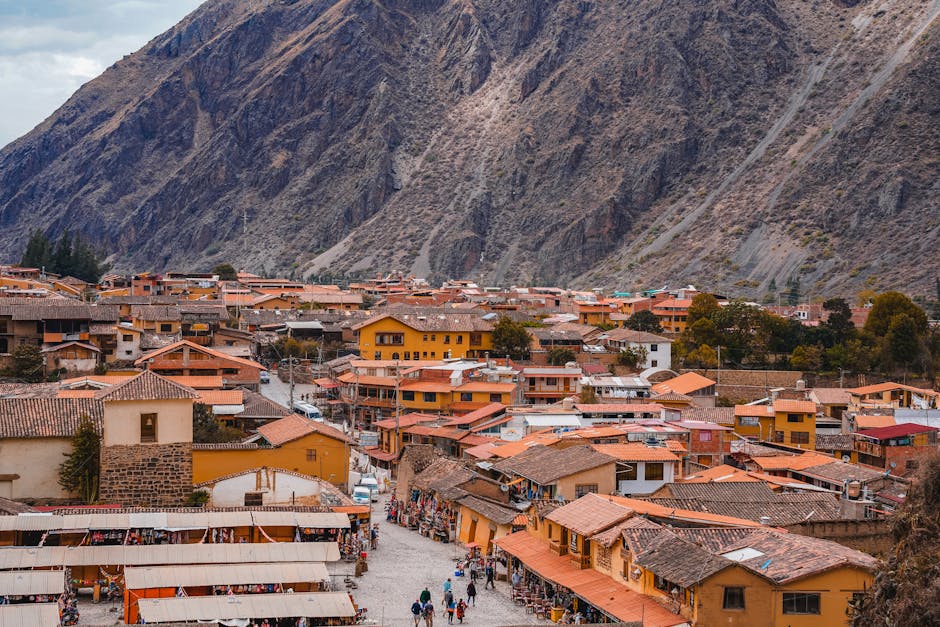
February is a month of high energy and playfulness, centered around the colorful celebrations of Carnival.
A city-wide celebration featuring traditional dances, water fights, and the 'yunza' tree-cutting ritual.
Why it matters: It represents a blend of Catholic traditions and indigenous fertility rites, focusing on community joy and the coming harvest.
A humorous day where women create rag dolls to satirize men in the community.
Why it matters: This unique Cusco tradition reinforces social bonds through humor and public displays of satirical art.
March brings a transition toward the harvest season, often coinciding with the start of the solemn Lenten period.
The patron saint of Cusco is carried through the streets in a massive procession covered in red ñucchu flowers.
Why it matters: This is one of Cusco's most important religious events, dating back to an earthquake in 1650 that allegedly stopped when the image was brought outside.
April is dominated by Holy Week, where the city's colonial history and culinary traditions take center stage.
A week of solemn processions and the tradition of eating twelve different local dishes on Holy Friday.
Why it matters: It showcases the profound religious syncretism of the Andes, particularly through the specific foods prepared during this time.
May is a month of vigils and community gatherings as the city prepares for the grand festivities of June.
Neighborhoods host overnight vigils for their local crosses, which are then carried to nearby churches.
Why it matters: It is an intimate, community-driven festival that demonstrates the local devotion to protective mountain crosses.
June is the peak of the Cusco calendar, known as the 'Jubilee Month' with daily parades and massive crowds.
Fifteen saints and virgins from different parishes are carried to the Cathedral in a spectacular display of faith.
Why it matters: It is the most colorful religious procession of the year, accompanied by the traditional Chiriuchu food festival.
A massive theatrical reenactment of the Inca winter solstice ceremony honoring the Sun God.
Why it matters: As the second largest festival in South America, it is a powerful assertion of Inca heritage and identity.
July brings national pride and winter festivities, with crisp blue skies and bustling markets.
National Independence Day celebrations featuring military parades, school marches, and civic ceremonies.
Why it matters: While a national holiday, Cusco celebrates with a unique regional flair, blending patriotism with local music.
August is the month of the Earth Mother, a time for spiritual offerings and ancient traditions.
A day dedicated to giving back to the Earth (Pachamama) through 'pagos' or ritual offerings.
Why it matters: This is a deeply spiritual time for locals, marking the Andean New Year when the earth is most 'open' to receiving thanks.
September sees the return of spring and events that focus on the strength and history of the Andean youth.
A reenactment of the Inca rite of passage for young soldiers, involving tests of physical strength and skill.
Why it matters: It provides a dramatic look at the military and educational structures of the Inca Empire.
October is known as the 'Purple Month' in Peru, focused on one of the country's most revered icons.
Devotees dressed in purple robes carry the image of the Lord of Miracles through the city streets.
Why it matters: While centered in Lima, Cusco's version is a major display of national Catholic unity and tradition.
November is a time for honoring ancestors and enjoying the unique seasonal flavors of the highlands.
Families gather at cemeteries to share meals with the deceased, featuring Tanta Wawa bread and roasted pig.
Why it matters: It is a beautiful example of how the Andes views life and death as a continuous, celebratory cycle.
December transforms Cusco into a festive hub of craftsmanship and holiday spirit.
One of the largest and oldest folk art markets in Peru, where artisans sell figurines for nativity scenes.
Why it matters: The name means 'the sale of saints,' and it is the best place to see the incredible diversity of Cusco’s traditional handicrafts.
Pair the event calendar with self-guided walks and neighborhood routes.
EasyDiscover the rich flavors of Cusco on this self-guided walk through the city's best artisanal coffee shops and chocolate workshops.
EasyDiscover the tranquil cloisters and hidden colonial courtyards of Cusco on this self-guided architectural walk through the city's religious heart.
ModerateUncover Cusco's hidden hydraulic history on this self-guided stroll through ancient canals and colonial aqueducts.
EasyExperience Cusco’s vibrant nightlife on this self-guided walk through legendary pubs, pisco lounges, and hidden gems in the Historic Center.
Don't miss the good stuff
Explore Freely