Marinera Festival
A prestigious national dance competition celebrating the elegant Marinera dance.
Why it matters: The Marinera is Peru's national dance; this event showcases the best dancers and traditional equestrian displays.
Explore Peru's vibrant cultural landscape in 2026, from the ancient sun ceremonies of Cusco to the world-renowned culinary festivals and religious processions of Lima.
Start Free on iPhone
Use Zigway to pair festivals, concerts, sports highlights, and cultural events across Peru with self-guided walks in the cities you want to explore.
Your Private Tour Guide
Peru is a land where ancient traditions and modern life coexist, creating a calendar filled with vibrant celebrations. In 2026, visitors can witness the profound spiritual heritage of the Andes and the coastal energy of Lima. From the grand Inti Raymi spectacle in Cusco to the deeply moving Lord of Miracles procession in Lima, each month offers a unique window into the Peruvian soul. Travelers will find that festivals often blend Catholic rituals with indigenous beliefs, resulting in colorful dances, traditional music, and incredible regional cuisine. Whether you are exploring the colonial streets of the capital or the high-altitude wonders of the Sacred Valley, the 2026 event schedule provides a roadmap to the country's most authentic experiences. Expect a mix of religious fervor, agricultural harvests, and artistic expressions that define the diverse regions of this South American gem, making any visit a journey through living history.
Planning a trip around Peru's 2026 events requires a bit of foresight, especially for major festivals like Inti Raymi or Fiestas Patrias. High-altitude events in Cusco require acclimatization, while coastal celebrations in Lima offer milder weather. Transportation between cities is frequent, but regional flights and trains can fill up during national holidays. Many festivals are public and street-based, offering a raw and immersive experience. Keep in mind that religious dates often dictate the local rhythm, with some shops closing for processions. Embracing the local pace will allow you to fully appreciate the architectural beauty and cultural depth that these annual gatherings highlight throughout the year across the country.
Move from the national calendar to city-by-city event pages for more local detail.
January marks the peak of summer on the Peruvian coast and a time for vibrant dance competitions in the north.
A prestigious national dance competition celebrating the elegant Marinera dance.
Why it matters: The Marinera is Peru's national dance; this event showcases the best dancers and traditional equestrian displays.
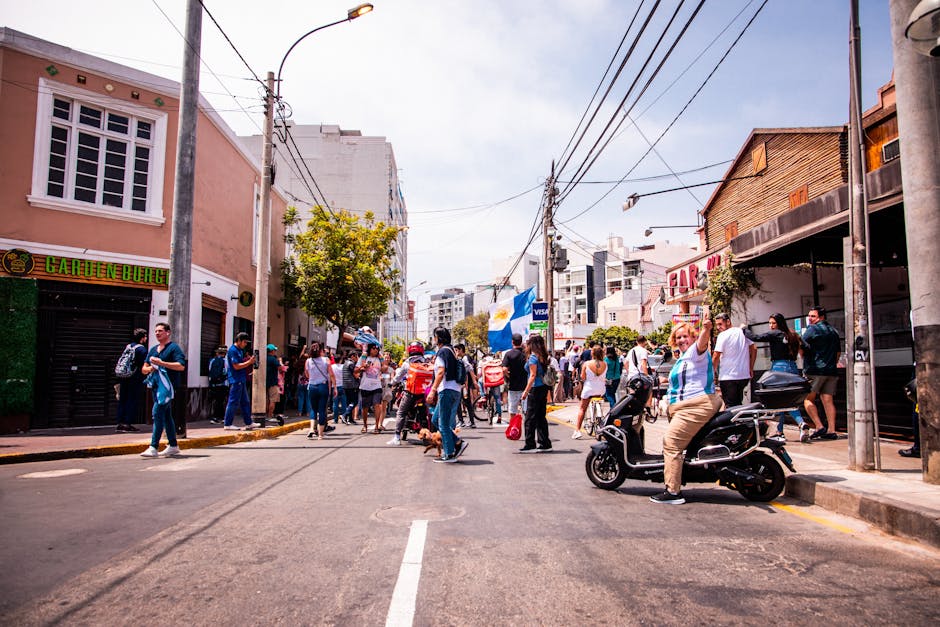
The capital celebrates its founding with serenades, folk dances, and gastronomic fairs.
Why it matters: It is a day of civic pride featuring free concerts and traditional 'Pasacalle' parades in the historic center.
February is the month of Carnivals, characterized by water fights, traditional music, and massive highland celebrations.
One of the largest cultural festivals in South America, featuring thousands of dancers and musicians.
Why it matters: It honors the patron saint of Puno and is a UNESCO Intangible Cultural Heritage event blending Catholic and Andean traditions.
Known as the capital of Peruvian Carnival, this city hosts massive parades and water-themed festivities.
Why it matters: It is famous for the 'King Momo' figure and the satirical songs known as 'coplas' performed by locals.
March brings the grape harvest on the southern coast and the start of solemn religious processions.
The International Harvest Festival celebrates the production of wine and Pisco.
Why it matters: Visitors can participate in traditional grape stomping and taste regional spirits directly from the source.
A solemn procession of the patron saint of Cusco, held on Easter Monday.
Why it matters: The statue is adorned with red ñucchu flowers, symbolizing a blend of Christian and Inca spiritual elements.
April is dominated by Holy Week, where colonial traditions are reenacted with great fervor.
The most famous Holy Week celebration in Peru, involving elaborate flower carpets and candlelit processions.
Why it matters: It is a profound display of faith and artistry, drawing pilgrims from across the Andean region.
May is a month of pilgrimage and the honoring of sacred symbols throughout the highlands.
Communities carry heavy wooden crosses to local hilltops and churches to be blessed.
Why it matters: This festival marks the transition between the rainy and dry seasons in the agricultural calendar.
A massive high-altitude pilgrimage to the Sinakara glacier by thousands of indigenous people.
Why it matters: It is one of the most authentic Andean rituals, predating the arrival of the Spanish.
June is the peak of the tourist season in Cusco, featuring the spectacular winter solstice celebrations.
The Festival of the Sun is a grand reenactment of the Inca solstice ceremony.
Why it matters: It is the most important cultural event in Cusco, connecting modern Peruvians to their Inca imperial past.
Fifteen saints and virgins from different parishes are carried in a massive procession to the Cathedral.
Why it matters: The event is famous for its traditional food, specifically 'Chiriuchu', a cold spicy platter.
July is a patriotic month as Peru celebrates its independence with parades and folk festivals.
National holidays celebrating Peru's independence with military parades and public parties.
Why it matters: The Great Military Parade in Lima is a major national event, while every town hosts its own local fair.
A colorful festival featuring masked dancers performing satirical stories of Peruvian history.
Why it matters: This remote town becomes a stage for some of the most intricate and traditional dances in the Andes.
August is a time for honoring local saints and celebrating the founding of major colonial cities.
A religious holiday honoring the first saint of the Americas with a pilgrimage to her sanctuary.
Why it matters: Devotees drop letters into a 'Wishing Well' in hopes of receiving a miracle from the saint.
September is the month of spring and a major highlight for the world-renowned Peruvian culinary scene.
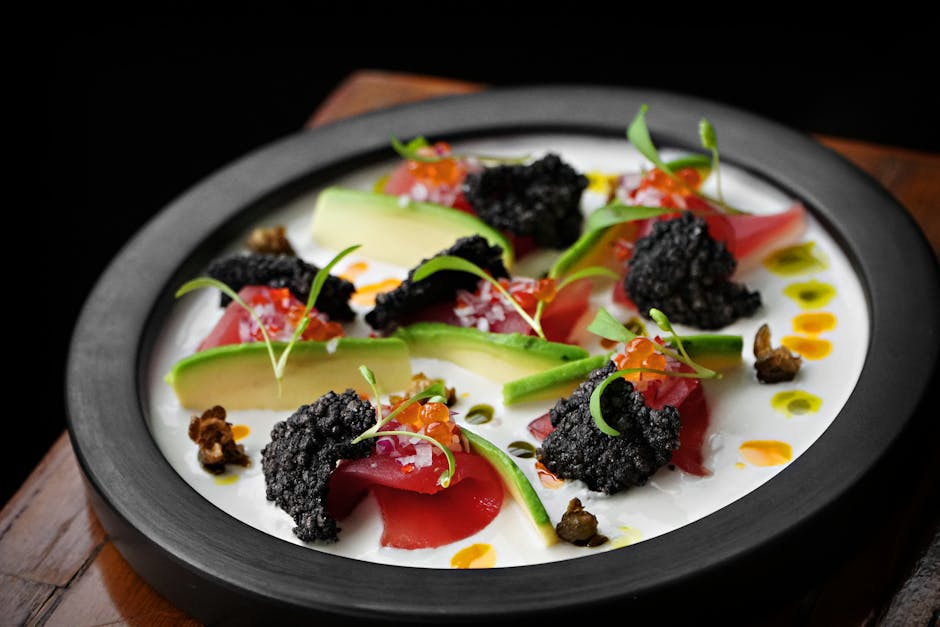
The largest gastronomic fair in Latin America, featuring chefs and producers from across the country.
Why it matters: It is the best place to sample the incredible diversity of Peruvian ingredients and regional dishes in one location.
A celebration of spring with floral floats, beauty queens, and Marinera performances.
Why it matters: Trujillo is known as the 'City of Eternal Spring', and this festival is its premier social event.
October is known as the 'Purple Month' in Lima, defined by the city's most significant religious tradition.
One of the largest Catholic processions in the world, where thousands dress in purple robes.
Why it matters: The image is believed to have survived earthquakes and is the central focus of Limeño identity during this month.
November begins with family traditions honoring the deceased and celebrating the roots of the Inca Empire.
Families visit cemeteries to share food and music with their ancestors, often featuring Tanta Wawa bread.
Why it matters: It is a unique blend of Catholic liturgy and Andean ancestor worship.
Celebrates the founding of Puno and the legendary emergence of the first Incas from Lake Titicaca.
Why it matters: Includes a massive reenactment of Manco Cápac and Mama Ocllo arriving to find the Inca Empire.
December brings festive artisanal markets and unique Andean Christmas traditions to the plazas.
A massive open-air arts and crafts market where artisans from all over the region sell religious figurines.
Why it matters: The name means 'sale of saints'; it is the best place to find high-quality traditional Andean folk art.
Pair the event calendar with self-guided walks and neighborhood routes.
ModerateLima, Peru
Discover a vibrant fusion of 18th-century military history and world-class street art on this self-guided walk through Lima's historic port.
EasyLima, Peru
Experience Lima’s nighttime glow on this self-guided stroll through historic plazas, grand museums, and the record-breaking Magic Water Circuit.
EasyLima, Peru
Explore the 1,500-year-old pyramid of Huaca Pucllana and the vibrant feline-filled parks of modern Miraflores.
EasyLima, Peru
Discover Lima's authentic food scene and local markets on this flavor-focused self-guided walk through Surquillo and the city's hidden culinary hubs.
Don't miss the good stuff
Explore Freely