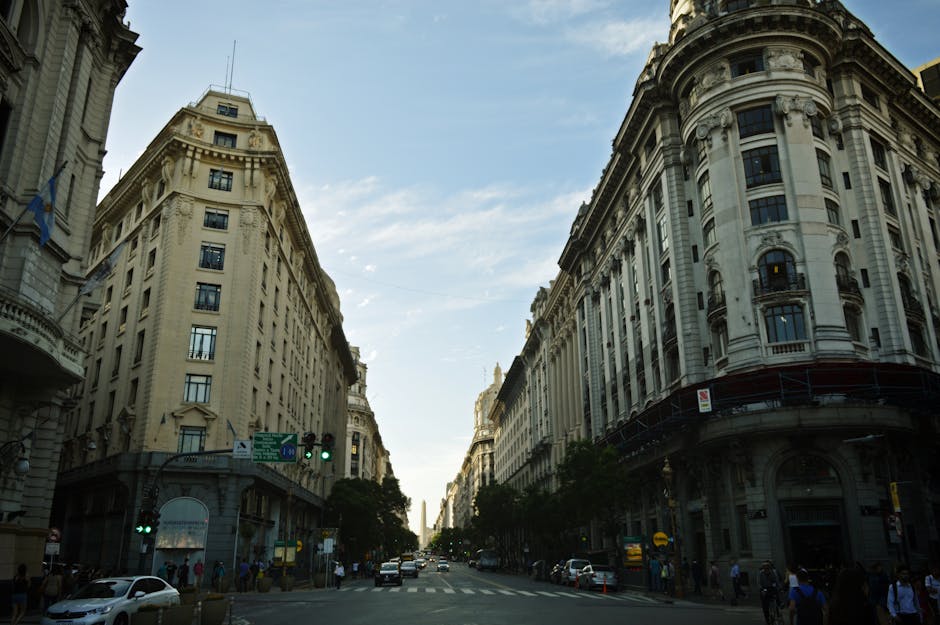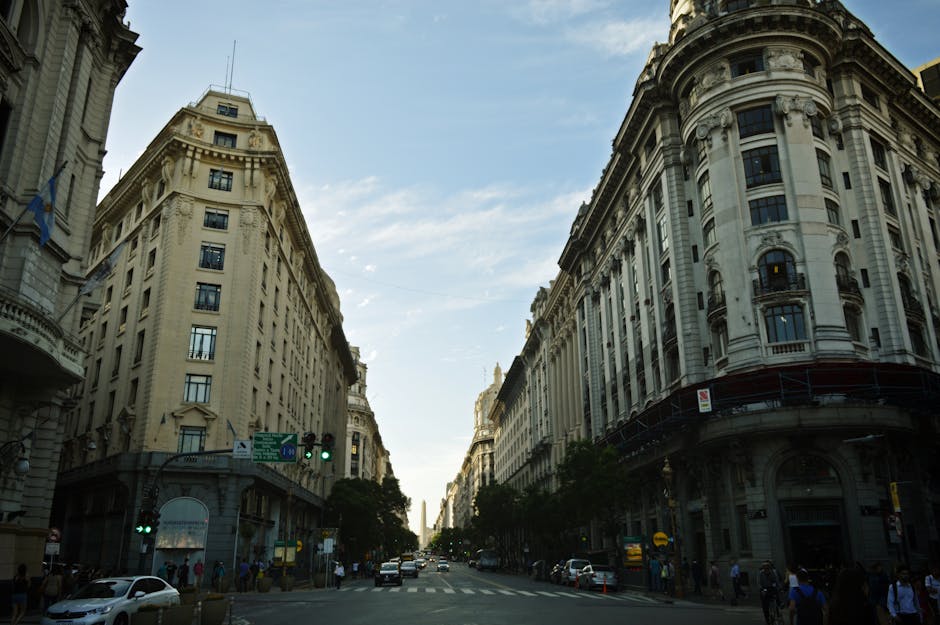
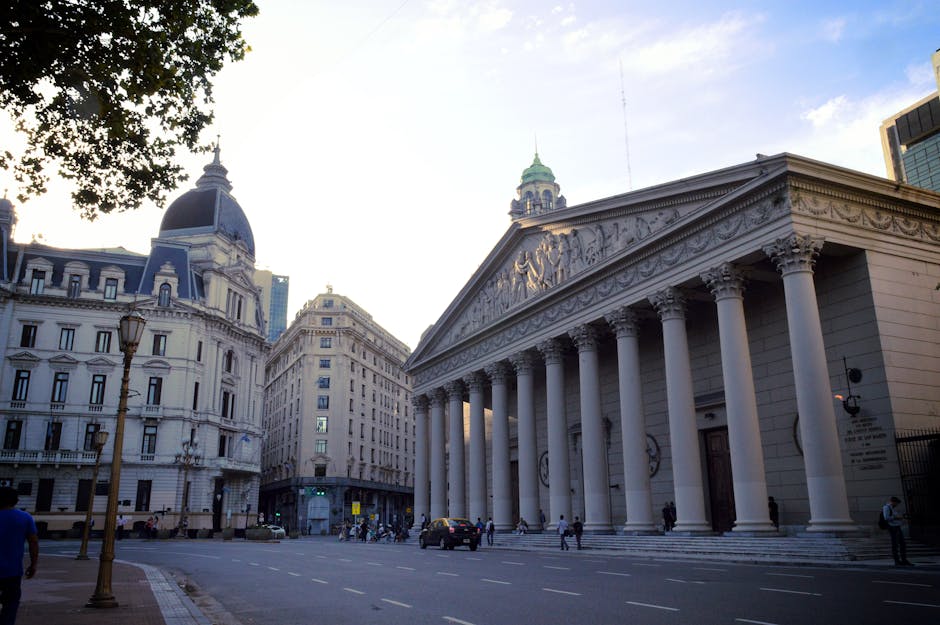
Verano en la Ciudad
A city-wide initiative offering outdoor cinema, live music, and theater performances in public parks.
Why it matters: It provides accessible cultural entertainment for those staying in the city during the summer heat.
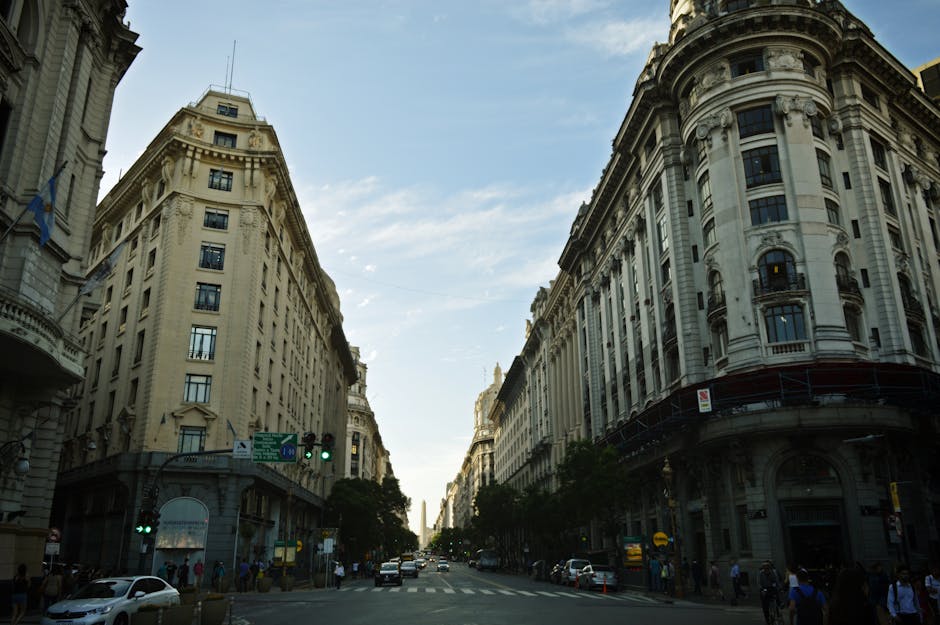
Explore the rhythm of the Argentine capital through its world-class book fairs, tango championships, and vibrant neighborhood street festivals throughout 2026.
Start Free on iPhone
Plan your trip around Buenos Aires's concerts, festivals, food events, and local traditions, then start exploring with Zigway whenever you're ready to walk.
Your Private Tour Guide
Buenos Aires is a city that thrives on cultural expression, from the grand stages of the Teatro Colón to the spirited murgas of neighborhood street corners. In 2026, the city offers a calendar rich with tradition and modern flair. Visitors can expect a diverse array of events ranging from the prestigious International Book Fair to the high-energy Tango World Cup. The city's distinct neighborhoods—Palermo, San Telmo, and Recoleta—each host unique celebrations that reflect their individual character. Whether it is the artistic innovation of BAFICI or the rural traditions showcased at La Rural, the capital remains a focal point for South American culture. As you navigate the city, you will encounter a blend of European-inspired architecture and Latin American passion, making every festival an opportunity to witness the local porteño way of life and the deep-seated history of this coastal metropolis.
Planning a trip to Buenos Aires in 2026 requires considering the seasonal shifts of the Southern Hemisphere. Summers, from December to February, are humid and hot, often seeing locals head to the coast, leaving the city quieter but full of outdoor cinema and music. Autumn, from March to May, and Spring, from September to November, offer the most comfortable temperatures for exploring the city's extensive park systems and historic districts. Public transport, including the Subte subway and the 24-hour bus network, makes navigating between venues straightforward. Most cultural events are centered in the northern and central corridors, though neighborhood carnivals bring life to every corner of the city during the warm summer months.
Compare this city calendar with the broader country-wide highlights and major events.
View Argentina events in 2026January in Buenos Aires is characterized by high summer temperatures and a relaxed atmosphere as many locals vacation elsewhere.
A city-wide initiative offering outdoor cinema, live music, and theater performances in public parks.
Why it matters: It provides accessible cultural entertainment for those staying in the city during the summer heat.
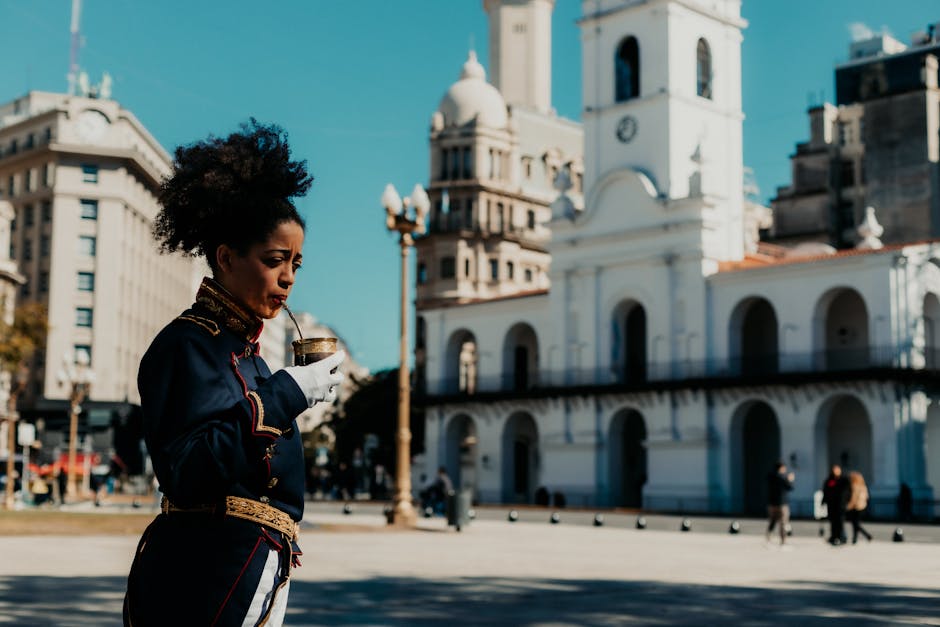
February is the peak of the carnival season, where the city's streets fill with the sound of drums and traditional dance.
Neighborhood street parades featuring 'murgas'—musical groups with dancers and satirists in colorful costumes.
Why it matters: This is a deep-rooted working-class tradition that expresses neighborhood identity and social commentary.
March marks the return of the city's full energy as the school year begins and the autumn air cools the streets.
A massive three-day international music festival featuring top global acts across multiple genres.
Why it matters: It is the largest contemporary music event in the country, attracting a massive youth audience.
Vibrant celebrations in the city's Barrio Chino featuring dragon dances and traditional food stalls.
Why it matters: It showcases the city's diverse immigrant history and the growing influence of the Asian community.
April is a flagship month for the arts in Buenos Aires, hosting two of the city's most prestigious annual events.
One of the most important independent film festivals in Latin America, focusing on innovative global cinema.
Why it matters: It cements Buenos Aires as a major hub for cinematic creativity and intellectual exchange.
One of the largest book fairs in the world, featuring thousands of exhibitors and literary presentations.
Why it matters: Buenos Aires is known for its high number of bookstores; this event is the ultimate celebration of that literary passion.
May is a month of national pride, with several holidays celebrating Argentina's revolutionary history.
National holiday celebrations featuring traditional food like locro, and gatherings in historical squares.
Why it matters: It commemorates the establishment of the first local government in 1810, a cornerstone of Argentine identity.
A major contemporary art fair that brings together galleries, collectors, and artists from across Latin America.
Why it matters: It is the primary platform for the Argentine art market and a key event for regional collectors.
As winter arrives, the city's cultural life moves indoors to theaters, cafes, and historic milongas.
Commemorative events and parades honoring the creator of the Argentine flag, Manuel Belgrano.
Why it matters: A day of significant national symbolism marked by civic ceremonies and public displays of the blue and white.
July is defined by the winter school holidays and the arrival of rural traditions to the heart of the city.
The country's most famous agricultural show, bringing livestock, gaucho traditions, and regional food to the city.
Why it matters: It bridges the gap between the urban capital and Argentina's deep agricultural roots.
August is the most significant month for tango lovers, as the city hosts its world-renowned festival and competition.
A massive celebration of tango featuring concerts, free classes, and the world's most prestigious dance championship.
Why it matters: Tango is the soul of Buenos Aires; this event crowns the world champions in both 'pista' and 'stage' categories.
Spring begins in September, bringing blooming jacarandas and a renewed focus on outdoor activities and jazz.
An international festival featuring local jazz legends and global guests in various concert halls and clubs.
Why it matters: It highlights the city's sophisticated music scene and its appreciation for improvisational arts.
October offers mild weather and a focus on architecture and the city's diverse community identity.
A weekend where historic and architecturally significant buildings, usually closed to the public, open their doors.
Why it matters: It allows locals and visitors to explore the hidden architectural gems of the 'Paris of the South.'
November is arguably the best time to visit, with the city in full bloom and a calendar packed with major public events.
Hundreds of museums and cultural centers open their doors for free from evening until early morning.
Why it matters: It is one of the city's most popular cultural nights, with thousands of people wandering the streets to enjoy art.
A massive, colorful parade celebrating LGBTQ+ rights and diversity, running from Plaza de Mayo to Congress.
Why it matters: Buenos Aires is a leading city for LGBTQ+ rights in Latin America, and this march is a joyful assertion of that progress.
The world's most prestigious polo tournament featuring the highest-handicap players on the planet.
Why it matters: It represents the pinnacle of the sport and is a significant social event in the city's calendar.
December brings the summer heat and festive celebrations as the year comes to a close with fireworks and family gatherings.
Large gatherings and fireworks displays along the docks of the city's most modern neighborhood.
Why it matters: It is the primary public gathering spot for those looking to celebrate the New Year with a view of the water.
Pair the event calendar with self-guided walks and neighborhood routes.
EasyExplore the opulent 'Paris of South America' on a self-guided walk through Retiro's Belle Époque palaces and iconic Art Deco skyscrapers.
EasyExplore the elegance of Recoleta on this self-guided walk featuring grand museums, colonial churches, and the legendary Recoleta Cemetery.
ModerateExplore the Belle Époque architecture and literary history of Avenida de Mayo on this self-guided walk through the heart of Buenos Aires.
EasyDiscover a blend of aristocratic mansions, lush gardens, and vibrant Asian culture on this self-guided walk through Buenos Aires' Belgrano district.
Don't miss the good stuff
Explore Freely