Self-guided audio tour in Buenos Aires
Start Free on iPhone
Start free on iPhone to unlock this self-guided walking tour in Buenos Aires. Hear all the stories that make it amazing, walk at your own pace, and begin whenever you want.
Your Private Tour Guide
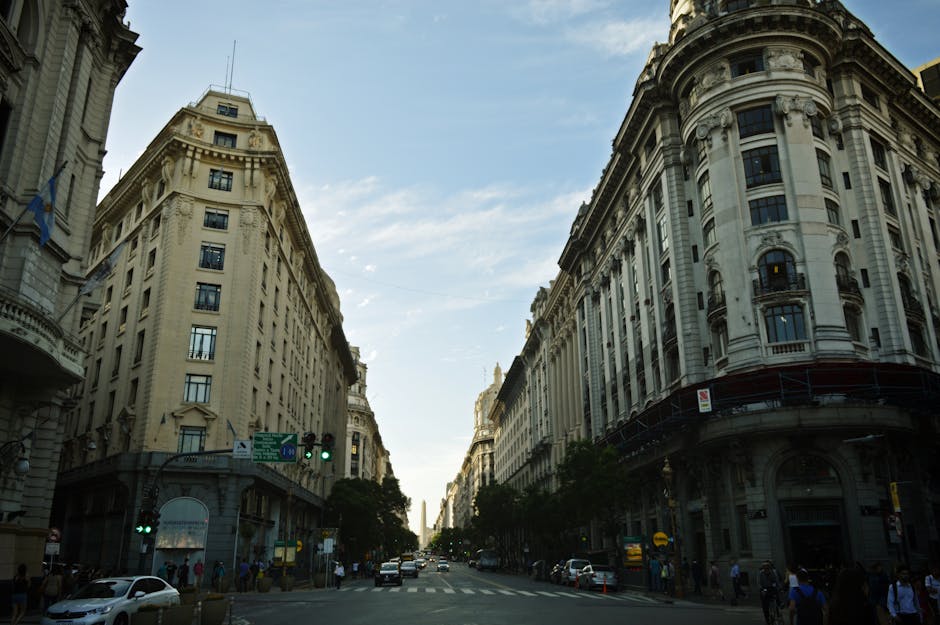
Step into the 'Paris of the South' with this self-guided walk through Retiro, the neighborhood that defines Buenos Aires' Golden Age. During the late 19th and early 20th centuries, Argentina was one of the wealthiest nations on Earth, and the local aristocracy expressed this prosperity through opulent French-inspired architecture. This walking route explores the monumental palaces and residential masterpieces that earned the city its European reputation. As you wander through the leafy streets and grand plazas, you will discover the legacy of the families who shaped the nation's identity through stone and marble. This walking tour Buenos Aires experience focuses on the Belle Époque era, showcasing how the city transformed from a colonial outpost into a global cultural capital. You will encounter the Paz Palace, the largest private residence ever built in the city, and the Estrugamou Building, a testament to high-society apartment living. The route also highlights the dramatic shift in architectural styles, from the ornate Beaux-Arts palaces to the sleek, rationalist lines of the Kavanagh Building, which once stood as the tallest skyscraper in Latin America. Beyond the buildings, the walk takes you through Plaza General San Martín, a historic site that has served as a slave market, a bullring, and a battlefield before becoming the elegant park it is today. Ending at the Torre Monumental, a gift from the British community, this neighborhood stroll provides a comprehensive look at the intersection of power, romance, and rivalry that defined Argentine high society. This self-guided adventure allows you to appreciate the intricate details of bronze gates, Carrara marble, and slate roofs at your own pace, away from the constraints of a traditional walking tour Buenos Aires itinerary. Whether you are an architecture enthusiast or a first-time visitor, these streets offer a timeless window into a world of unparalleled luxury and ambition.
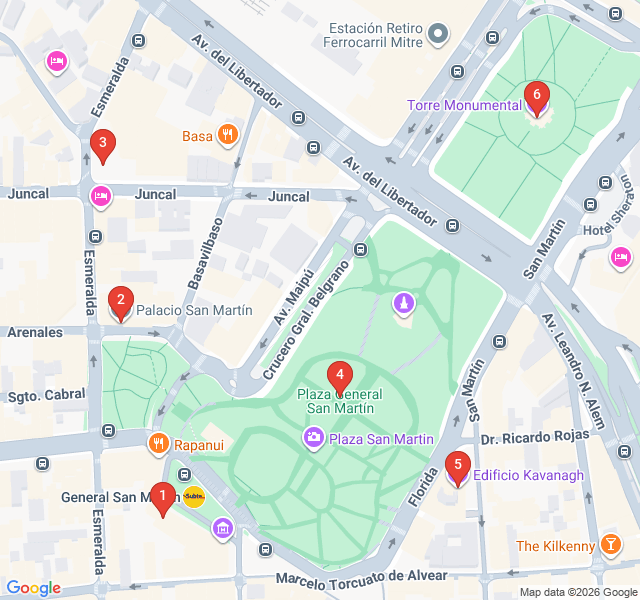
Numbers indicate the order of stops on the tour.
Begin your exploration at the Paz Palace, a building that perfectly encapsulates the 'Golden Age' of Argentina. Commissioned by José C. Paz, the founder of the newspaper La Prensa, this residence was designed by French architect Louis-Marie Henri Sortais. It remains the largest private home ever built in Buenos Aires, featuring 140 rooms spread across 12,000 square meters. Look up at the ornate facade, which was inspired by the Louvre in Paris. Although Paz died in Monaco before the building was finished in 1914, his family lived here until the Great Depression forced its sale. Today, it serves as the Military Officers' Association, preserving its incredible interiors of marble, wood carvings, and silk tapestries.
Just across from the plaza stands the Palacio San Martín, formerly the residence of the wealthy Anchorena family. Built between 1905 and 1909, this palace is actually three separate residences joined around a central courtyard, designed to house the matriarch Mercedes Castellanos de Anchorena and her sons. The architecture is a prime example of the Beaux-Arts style that dominated the neighborhood. In 1936, the Argentine government acquired the building to serve as the Ministry of Foreign Affairs. As you observe the exterior, note the intricate ironwork and the grand entrance designed for horse-drawn carriages, symbolizing the immense social standing of the families who once resided here.
Walking down Calle Arroyo, you will find the Estrugamou Building, an architectural gem commissioned by Alejandro Estrugamou. Unlike the single-family palaces you have seen, this was built as a high-end apartment complex for the city's elite who were transitioning from mansions to luxury flats. Completed in 1929, it features a distinct French eclectic style with a slate mansard roof. If you peek through the iron gates, you might catch a glimpse of the internal patio, which houses a bronze replica of the Winged Victory of Samothrace. The building was constructed using the finest imported materials, including Oak flooring from Slavonia and chimneys made of French marble, maintaining its status as one of the most prestigious addresses in the city.
Step into the green expanse of Plaza General San Martín, one of the city's most historic public spaces. This site has a varied past; it was once a slave market under British control, a bullring during the Spanish colonial era, and the site of a decisive battle against British invaders in 1807. In the late 19th century, it was redesigned by the famous landscape architect Charles Thays, who planted the towering Ombu and Jacaranda trees you see today. The plaza is surrounded by some of the city's most significant architecture and features a massive monument to General José de San Martín, the hero of Argentine independence, leading his army across the Andes.
Dominating the skyline at the edge of the plaza is the Kavanagh Building, a soaring Art Deco masterpiece. When it was completed in 1936, it was the tallest reinforced concrete structure in the world. Local legend says the building was an act of revenge by Corina Kavanagh, a wealthy woman of Irish descent. Her daughter was forbidden from marrying a son of the Anchorena family, who lived in the palace across the square. In retaliation, Corina built this skyscraper specifically to block the Anchorenas' view of the Basílica del Santísimo Sacramento, which they used as their private chapel. Regardless of the myth, the building's stepped design and lack of ornamentation marked a radical shift toward modernity in Buenos Aires.
Your walk concludes at the Torre Monumental, located in the Plaza Fuerza Aérea Argentina. This 75-meter-high clock tower was a gift from the British residents of Buenos Aires to commemorate the centenary of the May Revolution of 1810. Originally known as the 'Torre de los Ingleses,' its name was changed following the Falklands War (Guerra de las Malvinas) in 1982. The tower is built in the Palladian style using materials shipped directly from England, including the bricks and the clock mechanism. It stands as a reminder of the strong influence the British Empire once had on Argentina's infrastructure and economy during the late 19th century.
Start Free on iPhone
Explore “Golden Age Palaces of Retiro” with your very own Private Tour Guide with Zigway. Start free on iPhone, skip the large group and the fixed routes, and hear the city come alive as you go.
Your Private Tour Guide
Don't miss the good stuff
Explore Freely
 Easy
EasyBuenos Aires, Argentina
Explore the elegance of Recoleta on this self-guided walk featuring grand museums, colonial churches, and the legendary Recoleta Cemetery.
 Easy
EasyBuenos Aires, Argentina
Discover a blend of aristocratic mansions, lush gardens, and vibrant Asian culture on this self-guided walk through Buenos Aires' Belgrano district.
 Moderate
Buenos Aires, Argentina
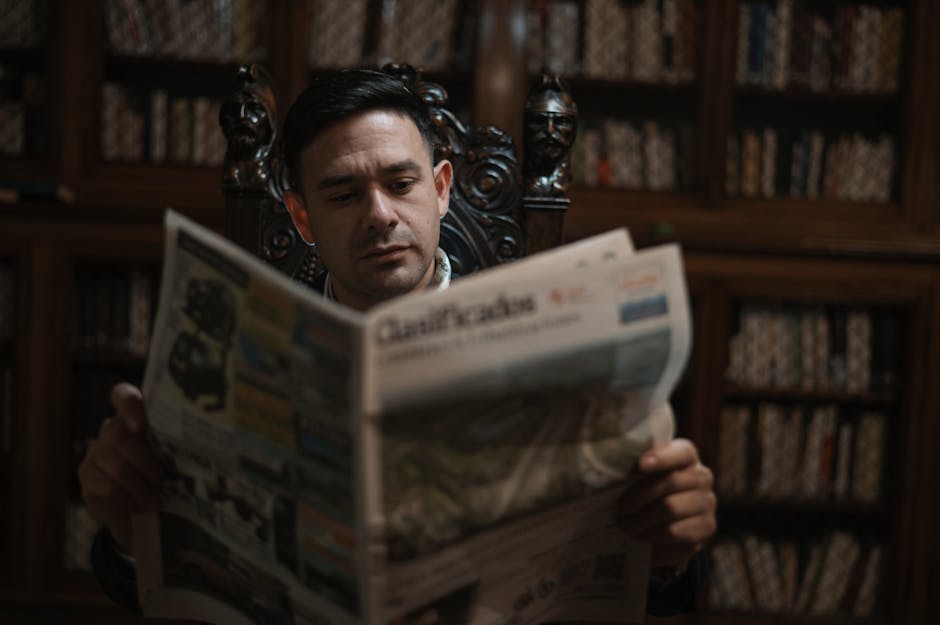
Follow the footsteps of Borges and Ocampo through the bookstores, libraries, and historic cafes of Buenos Aires' most elegant neighborhoods.
 Moderate
Buenos Aires, Argentina
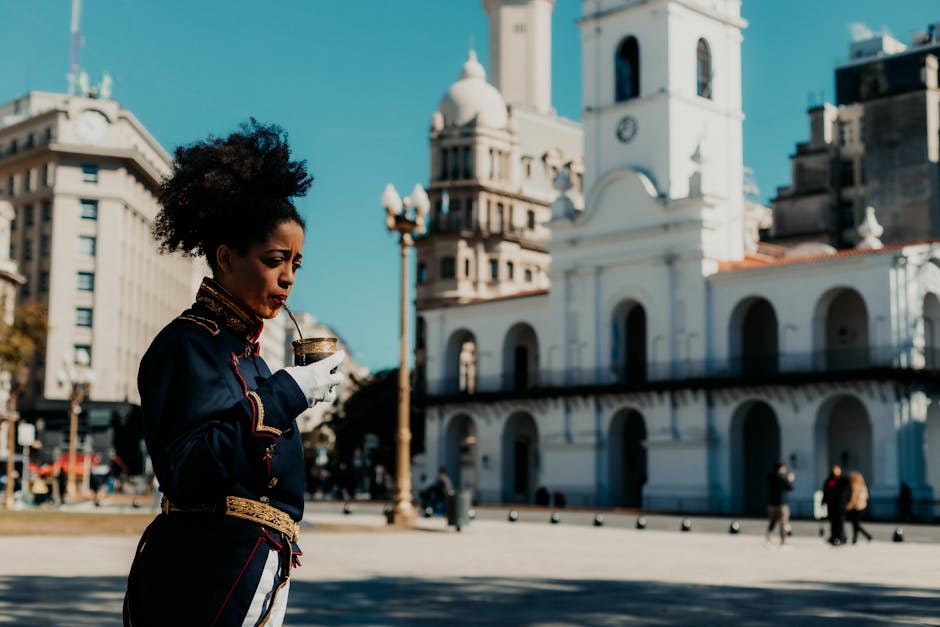
Explore the soulful heart of Buenos Aires on this self-guided walk through San Telmo’s historic markets, hidden tunnels, and antique-filled plazas.
 Easy
EasyNairobi, Kenya
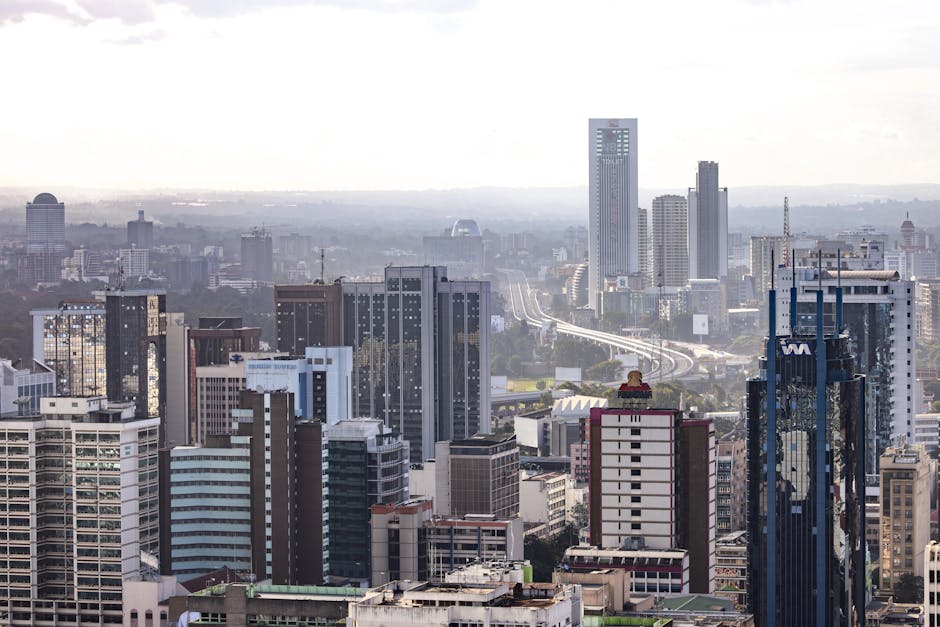
Discover Nairobi's iconic skyline on this self-guided architecture walk through the CBD’s most famous modernist and Brutalist landmarks.
 Easy
EasyGdansk, Poland
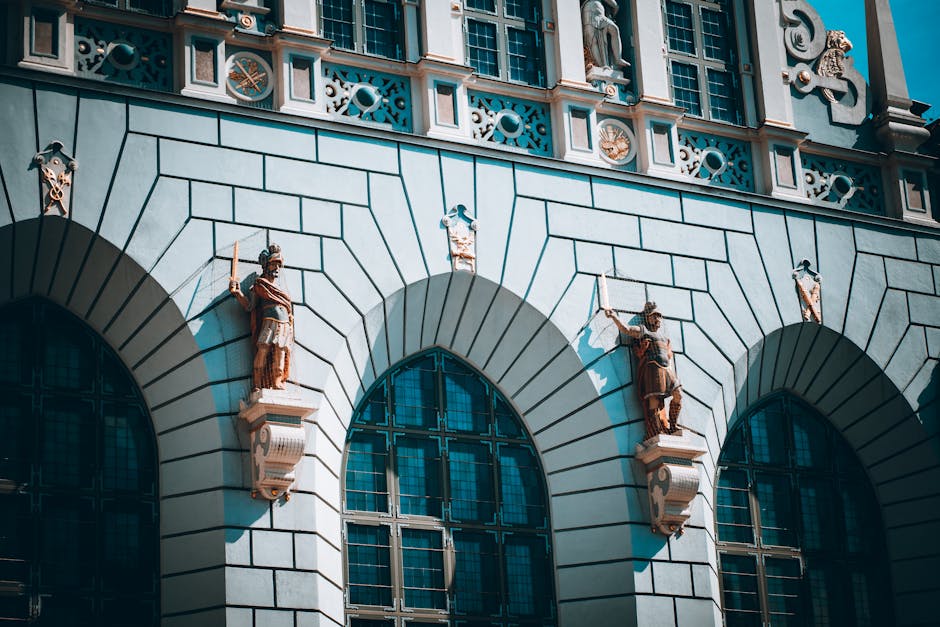
Discover the opulent Royal Way of Gdansk at your own pace. Explore Hanseatic history, gilded architecture, and the iconic Neptune's Fountain.
 Easy
EasyGothenburg, Sweden
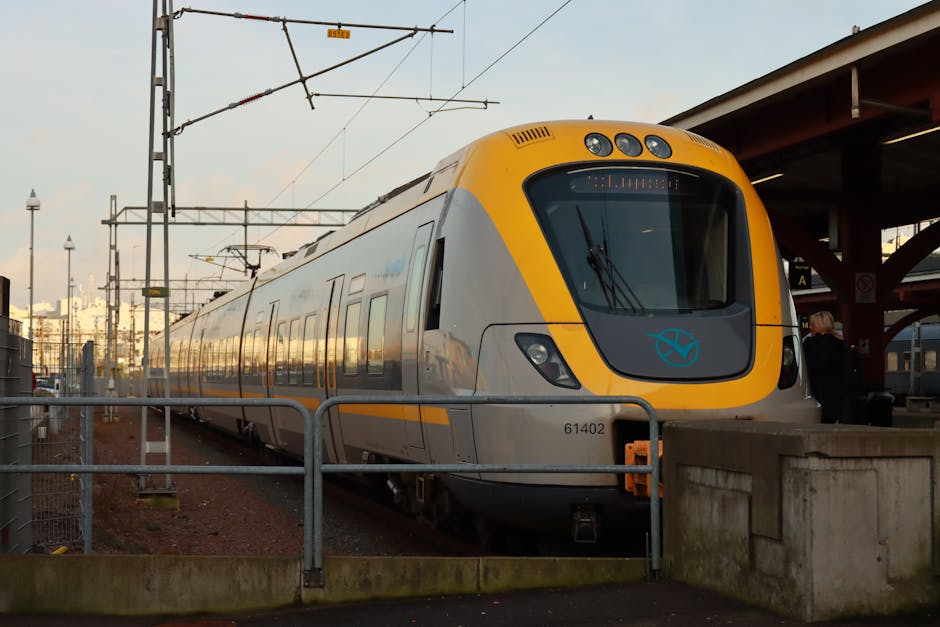
Discover Gothenburg’s 17th-century Dutch foundations, historic canals, and military fortifications on this self-guided architectural walk.
 Easy
EasyNairobi, Kenya
Explore Nairobi's architectural evolution from colonial-era landmarks to iconic Brutalist skyscrapers on this historic self-guided walking route.