Cosquín Folk Festival
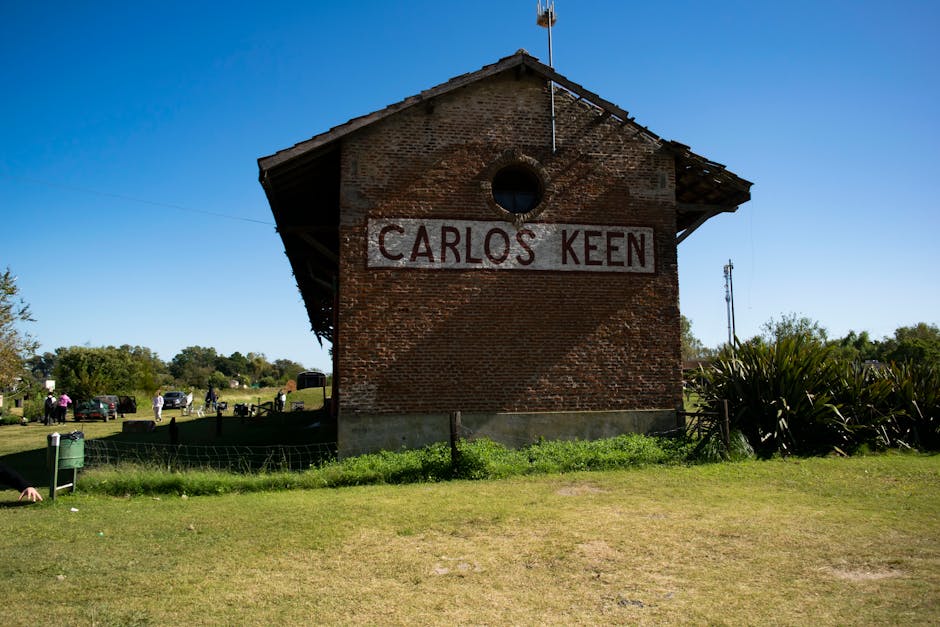
The most important folk music festival in Argentina, celebrating traditional 'folklore' music and dance.
Why it matters: It is the definitive stage for Argentine traditional music, drawing artists from across the Southern Cone.
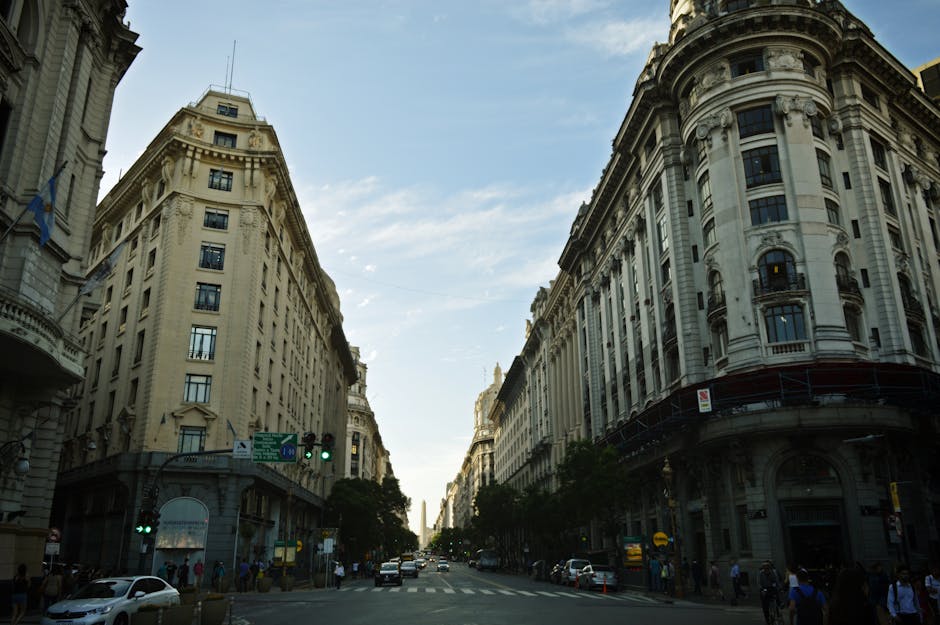
From the rhythmic pulse of Tango in Buenos Aires to the historic harvest festivals of Mendoza, discover Argentina's most significant cultural events in 2026.
Start Free on iPhone
Use Zigway to pair festivals, concerts, sports highlights, and cultural events across Argentina with self-guided walks in the cities you want to explore.
Your Private Tour Guide
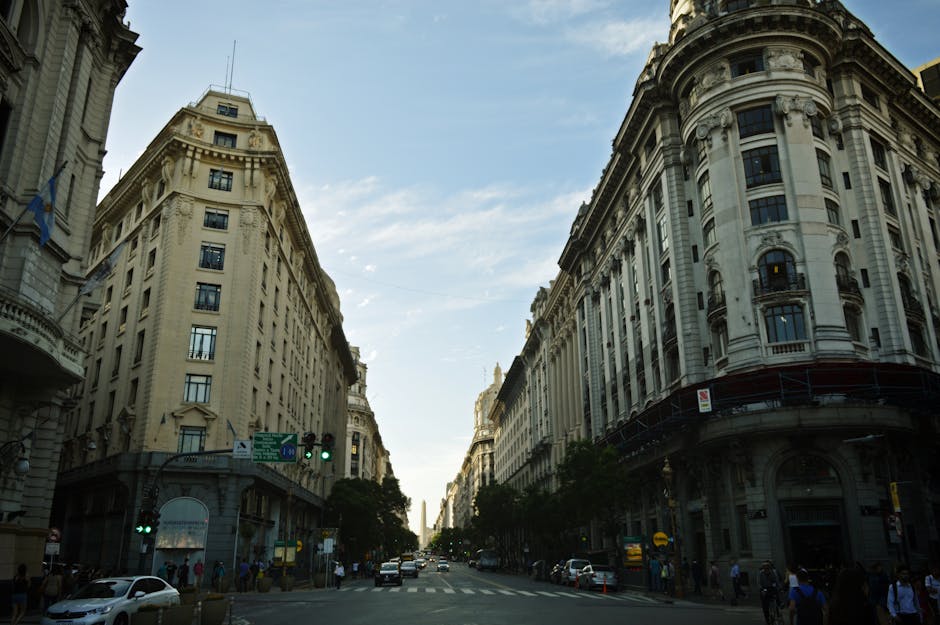
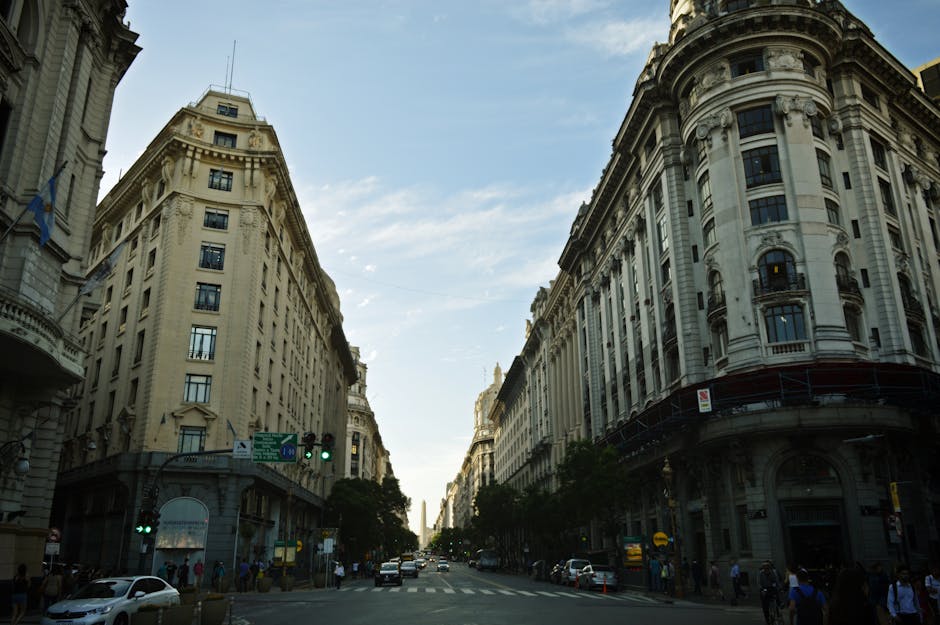
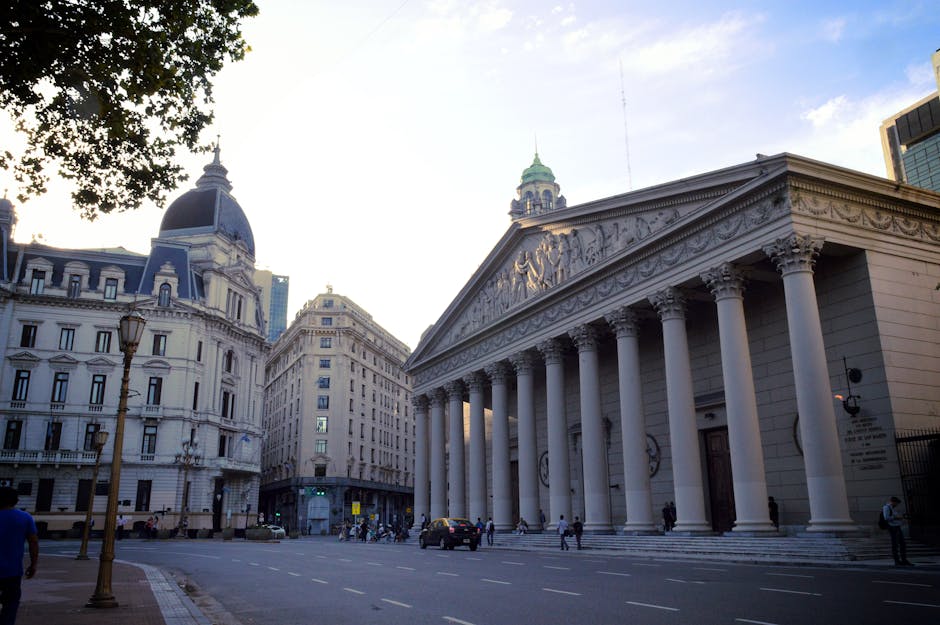
Argentina in 2026 offers a rich tapestry of experiences that blend deep-rooted traditions with a vibrant contemporary scene. Whether you are exploring the grand boulevards of Buenos Aires, the high-altitude vineyards of the Cuyo region, or the rugged landscapes of Patagonia, the country's calendar is packed with events that celebrate its unique identity. In the capital, you can immerse yourself in the world’s most prestigious tango competitions or browse the halls of one of the largest book fairs in the Spanish-speaking world. Outside the city, folk festivals in Cosquín and the grape harvest celebrations in Mendoza provide a window into the soul of regional Argentina. Throughout the year, public holidays like Revolution Day bring local communities together for parades and traditional food. This guide helps you navigate the major festivals and local gatherings that define the Argentine spirit, ensuring you experience the country’s history and architecture through its living culture.
When planning your 2026 trip to Argentina, consider the vast distances between regions. While Buenos Aires is the primary hub for international arrivals and major arts festivals, seasonal events like the Wine Harvest in Mendoza or Carnival in Gualeguaychú require early logistical planning. Public holidays are significant in Argentina; shops may close, but parks and public squares often come alive with spontaneous celebrations. For those interested in photography and architecture, the spring months from September to November offer the best light and blooming jacarandas in the capital. Always check local schedules closer to your travel dates, as timing for regional folk festivals can shift slightly based on the harvest conditions or local municipal planning.
Move from the national calendar to city-by-city event pages for more local detail.
January is the height of summer, characterized by major folk music gatherings in the interior and vibrant carnival previews.
The most important folk music festival in Argentina, celebrating traditional 'folklore' music and dance.
Why it matters: It is the definitive stage for Argentine traditional music, drawing artists from across the Southern Cone.
Massive, colorful parades featuring elaborate floats and thousands of dancers in a dedicated 'Corsódromo'.
Why it matters: Known as one of the largest carnivals in the world, it showcases incredible artistry and local competitive spirit.
February is defined by Carnival season and regional sun festivals in the western provinces.
Neighborhood celebrations featuring 'murgas'—traditional musical theater groups with drums and dancing.
Why it matters: It offers a localized, community-driven view of Porteño culture through rhythmic street performances.
A massive festival honoring the sun, featuring parades, music, and the election of the National Sun Queen.
Why it matters: It is the primary cultural expression of the San Juan province, blending regional pride with large-scale production.
March brings the spectacular grape harvest celebrations to Mendoza and major international music festivals to the capital.
The National Grape Harvest Festival, featuring a massive theatrical show with hundreds of dancers and fireworks.
Why it matters: It is one of the world's premier wine festivals, celebrating the agricultural heritage of the Mendoza region.
The Argentine edition of the global music franchise, featuring top international and local rock, pop, and indie acts.
Why it matters: It is the largest contemporary music festival in the country, attracting a massive youth audience.
Autumn in Argentina sees the capital transform into a hub for independent cinema and literary arts.
One of the most prestigious independent film festivals in Latin America, showcasing experimental and indie works.
Why it matters: It turns the city into a cinephile's dream, highlighting Buenos Aires' sophisticated artistic appetite.
A massive literary event with thousands of exhibitors and author presentations from around the world.
Why it matters: Argentina has a deep literary tradition; this fair is one of the top five book events globally.
May is a month of patriotic pride and high-end contemporary art in Buenos Aires.
A national holiday celebrating the 1810 revolution with parades and traditional foods like locro.
Why it matters: It is a central moment in Argentine history, often marked by massive gatherings in the city's most historic square.
A major contemporary art fair that brings together galleries, collectors, and artists from across Latin America.
Why it matters: It is the primary event for the Argentine art market and a showcase for the region's creative talent.
June features solemn patriotic commemorations and the beginning of the winter cultural season.
A patriotic celebration honoring the creator of the Argentine flag, Manuel Belgrano, with a massive parade.
Why it matters: Rosario is the cradle of the flag, and this event is the most significant civic celebration in the city.
A night where traditional folk music venues (peñas) open their doors for special performances and regional food.
Why it matters: It connects city dwellers with the rural 'folklore' traditions of the interior through music and dance.
July is a time for national independence celebrations and winter sports festivals in the Andes.
National holiday commemorating the declaration of independence in 1816, celebrated with military parades and galas.
Why it matters: It is the most important political holiday in Argentina, reflecting the nation's sovereignty and pride.
The National Snow Festival, featuring woodcutting competitions, parades, and musical shows in the snow.
Why it matters: It marks the peak of the winter season in Argentina's premier mountain destination.
August is the most important month for Tango lovers, as the world descends on Buenos Aires for the global championships.
The world's largest tango event, featuring hundreds of free concerts, milongas, and the global dance competition.
Why it matters: It is the ultimate celebration of Argentina's most famous cultural export, drawing thousands of international visitors.
A major agricultural and livestock show that brings the spirit of the Argentine countryside to the city.
Why it matters: It highlights the country's historic reliance on agriculture and features traditional gaucho skills.
September marks the arrival of spring, celebrated with outdoor picnics and international performing arts.
A day when students and locals flock to city parks to celebrate the equinox with picnics and music.
Why it matters: It is a vibrant social tradition that showcases the city's love for public green spaces.
A biennial festival of theater, dance, and visual arts featuring avant-garde international troupes.
Why it matters: Buenos Aires is a global theater capital; FIBA is its most important showcase for experimental performance.
October brings German heritage celebrations to the mountains and jazz rhythms to the capital.
Argentina's version of Oktoberfest, held in a town famous for its alpine architecture and German roots.
Why it matters: It is one of the largest beer festivals outside of Germany, celebrating Central European immigration to Argentina.
An international festival featuring local masters and global jazz stars in historic venues.
Why it matters: It highlights the city's sophisticated music scene and its history of embracing diverse genres.
November is the peak of the social and sporting season in Buenos Aires, featuring pride parades and world-class polo.
A massive, festive parade celebrating LGBTQ+ rights and diversity in the heart of the city.
Why it matters: Buenos Aires is a leading city for LGBTQ+ rights in Latin America, and this parade is a major cultural milestone.
The most prestigious polo tournament in the world, featuring the highest-handicap players and teams.
Why it matters: It is the pinnacle of the global polo calendar, set in a historic venue known as the 'Cathedral of Polo'.
December concludes the year with Tango tributes and warm summer holiday traditions.
A day of special milongas and outdoor dance events celebrating the birthdays of Carlos Gardel and Julio de Caro.
Why it matters: It is a day of deep local significance, honoring the legends who defined the genre's history.
The main Christmas celebration in Argentina, featuring late-night family dinners and fireworks at midnight.
Why it matters: It is the most significant family gathering of the year, blending religious tradition with summer festive vibes.
Pair the event calendar with self-guided walks and neighborhood routes.
EasyBuenos Aires, Argentina
Explore the opulent 'Paris of South America' on a self-guided walk through Retiro's Belle Époque palaces and iconic Art Deco skyscrapers.
EasyBuenos Aires, Argentina
Explore the elegance of Recoleta on this self-guided walk featuring grand museums, colonial churches, and the legendary Recoleta Cemetery.
ModerateBuenos Aires, Argentina
Explore the Belle Époque architecture and literary history of Avenida de Mayo on this self-guided walk through the heart of Buenos Aires.
EasyBuenos Aires, Argentina
Discover a blend of aristocratic mansions, lush gardens, and vibrant Asian culture on this self-guided walk through Buenos Aires' Belgrano district.
Don't miss the good stuff
Explore Freely