Tanztage Berlin
A contemporary dance festival showcasing emerging choreographers and performers from the Berlin scene.
Why it matters: It serves as a vital platform for new talent in one of Europe's most influential dance capitals.
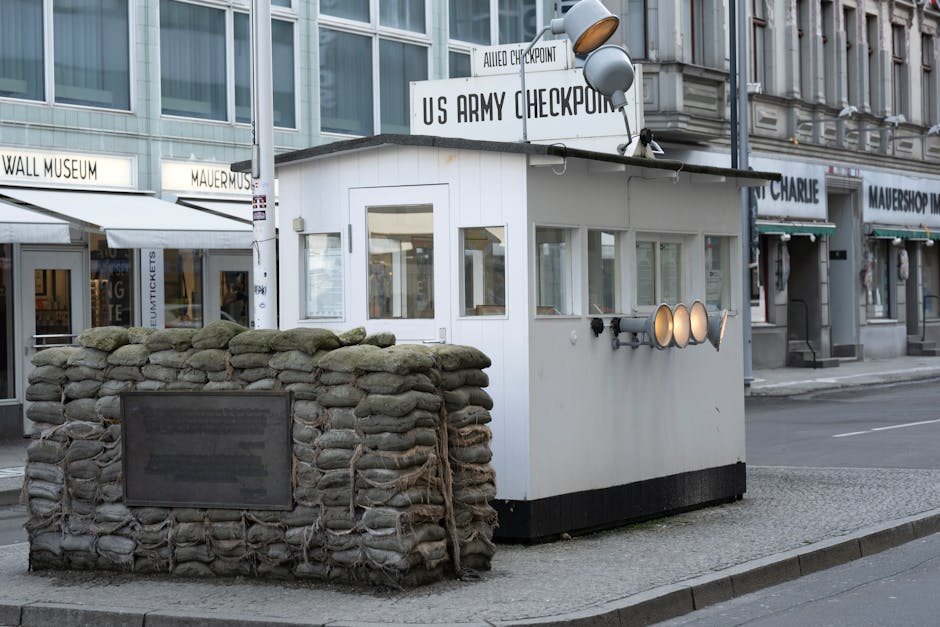
Explore the German capital's 2026 calendar, featuring the Berlinale, the Carnival of Cultures, and the world-famous Festival of Lights across the city.
Start Free on iPhone
Plan your trip around Berlin's concerts, festivals, food events, and local traditions, then start exploring with Zigway whenever you're ready to walk.
Your Private Tour Guide
Berlin in 2026 remains a city of perpetual transformation, where historical weight meets a cutting-edge creative pulse. This year, the German capital invites visitors to explore its diverse Kiez (neighborhood) cultures, world-class museum scene, and sprawling green spaces. Whether you are drawn to the cinematic prestige of the Berlinale in the winter or the open-air techno parties of the summer, Berlin offers a calendar rooted in artistic expression and civic pride. The city’s unique geography—a collection of distinct villages merged into a metropolis—means that events often take over public squares, former industrial sites, and lush parks like the Tiergarten. As you navigate the city, you will find that Berlin’s events are rarely just about entertainment; they are reflections of its complex history and its commitment to a progressive future. From the remnants of the Wall to the street art of Friedrichshain, every festival provides a new lens through which to view this resilient European hub.
Planning a trip to Berlin in 2026 requires a balance between structured itineraries and spontaneous exploration. The city’s public transport system, the BVG, makes it easy to hop between the central Mitte district and more residential areas like Neukölln or Prenzlauer Berg. While major festivals like the Berlin Marathon or Carnival of Cultures draw massive crowds, the city’s true character often shines in smaller neighborhood flea markets and gallery weekends. Consider visiting during the shoulder seasons—May, June, or September—for the best weather for walking. Always keep a few Euros on hand for local kiosks (Spätis) and be prepared for the city’s relaxed, casual dress code. Berlin is a city best experienced on foot, allowing you to notice the architectural layers and hidden courtyards that define its urban fabric.
Compare this city calendar with the broader country-wide highlights and major events.
View Germany events in 2026January in Berlin is a time for indoor cultural exploration and quiet post-holiday reflection as the city settles into the winter cold.
A contemporary dance festival showcasing emerging choreographers and performers from the Berlin scene.
Why it matters: It serves as a vital platform for new talent in one of Europe's most influential dance capitals.
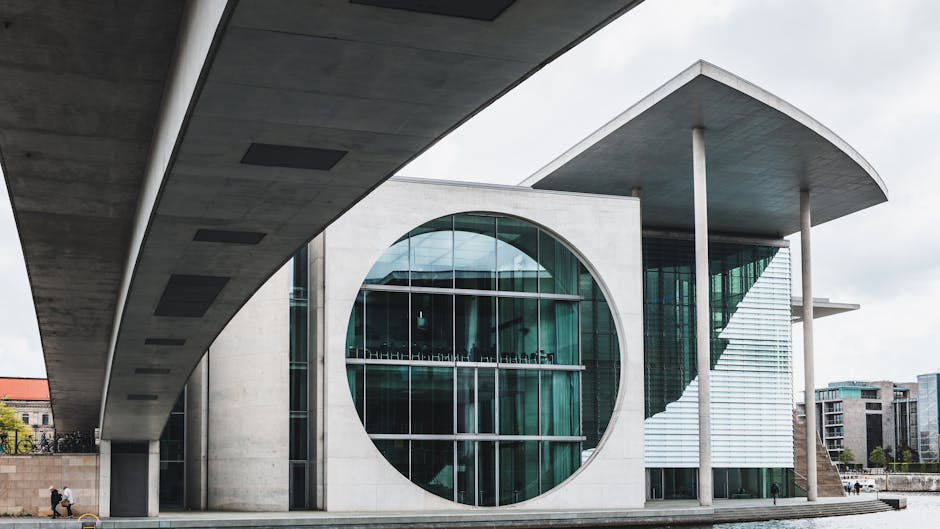
A 4km non-competitive run starting from the Brandenburg Gate to kick off the new year.
Why it matters: It is a healthy local tradition that offers a unique, crowd-free view of Unter den Linden on New Year's morning.
February is dominated by the silver screen as international stars descend upon Berlin for one of the world's premier film festivals.
One of the 'Big Three' film festivals globally, featuring international premieres and the Golden Bear awards.
Why it matters: It is the largest public film festival in the world, emphasizing political and social cinema.
A festival for digital art and culture exploring the intersection of technology and society.
Why it matters: It reinforces Berlin's status as a hub for critical digital discourse and avant-garde media art.
As the first signs of spring appear, Berlin hosts major international trade fairs and experimental music events.
The world's leading travel trade show, bringing the global tourism industry to the Berlin exhibition grounds.
Why it matters: While business-focused, it highlights Berlin's role as a global crossroads for international exchange.
A festival for contemporary music that challenges traditional listening habits through time-based arts.
Why it matters: It is a cornerstone for experimental sound and avant-garde composition in Europe.
April brings the city's art scene to the forefront with gallery openings and the blooming of cherry blossoms in the parks.
Over 50 galleries across the city open their doors for a weekend of coordinated exhibitions.
Why it matters: It is the premier event for the Berlin art market, showcasing the city's high density of creative talent.
A celebration of the Japanese cherry blossoms that bloom in the Gärten der Welt and along the former Wall path.
Why it matters: The blossoms are a gift from Japan to celebrate German reunification, blending nature with historical significance.
May is one of the most vibrant months in Berlin, characterized by street festivals and the official start of outdoor culture.
A four-day street festival celebrating Berlin's diversity with a massive parade and world music stages.
Why it matters: It is the city's most significant celebration of its multicultural identity and immigrant heritage.
A selection of the ten most remarkable theater productions from German-speaking countries.
Why it matters: It is the most prestigious theater gathering in Germany, highlighting innovations in stagecraft.
In June, the city takes advantage of the long daylight hours with music in the streets and neighborhood-wide art projects.
A city-wide celebration where musicians of all genres perform for free in streets, parks, and squares.
Why it matters: It marks the summer solstice by turning the entire city into an open-air stage for amateur and professional artists.
An arts festival where hundreds of venues in the Neukölln district open for 48 hours of continuous programming.
Why it matters: It exemplifies Berlin's grassroots creative spirit and the unique character of the Neukölln neighborhood.
July is the peak of summer, featuring grand classical concerts and the city's largest demonstration for equality.
Berlin's massive Pride parade and demonstration for LGBTQ+ rights, ending at the Brandenburg Gate.
Why it matters: Berlin has a historic role in the LGBTQ+ movement, and CSD is one of Europe's largest and loudest Pride events.
A series of classical and crossover concerts held in one of Berlin's most beautiful historic squares.
Why it matters: It combines high-quality orchestral music with spectacular light shows and the city's grandest architecture.
August offers late-night cultural access and international orchestral performances as the summer heat lingers.
Dozens of museums and galleries open their doors from 6 PM to 2 AM with special tours and events.
Why it matters: It allows visitors to experience Berlin's world-class museum landscape in a festive, nocturnal atmosphere.
An international festival for youth orchestras from all over the world.
Why it matters: It showcases the next generation of classical music talent in a prestigious setting.
September is a major month for sports and technology, as the city hosts world-record-breaking athletes and global innovators.
One of the world's fastest marathons, attracting over 40,000 runners and a million spectators.
Why it matters: The flat course is famous for world records, and the city-wide support creates an electric atmosphere.
Europe's largest consumer electronics and home appliances trade show.
Why it matters: It is a major global event for tech enthusiasts, showcasing the future of digital lifestyles.
October is a month of light and national celebration as the city commemorates German reunification and illuminates its landmarks.
Famous landmarks and buildings are transformed with spectacular light projections and video art.
Why it matters: It turns the city into a giant open-air gallery, highlighting Berlin's architectural beauty through modern technology.
The national holiday celebrating the reunification of Germany in 1990, featuring a festival at the Brandenburg Gate.
Why it matters: As the formerly divided city, Berlin is the most significant place to celebrate the end of the Cold War division.
November brings a shift toward cozy indoor music festivals and the magical opening of the first Christmas markets.
One of Europe's oldest and most respected jazz festivals, featuring international and local performers.
Why it matters: It continues Berlin's long-standing tradition as a center for jazz and improvisational music.
The seasonal opening of dozens of traditional markets offering crafts, food, and festive atmosphere.
Why it matters: The markets are a quintessential German winter experience, each with a unique regional or thematic focus.
December is defined by festive lights, holiday markets, and grand celebrations to welcome the new year.
One of Europe's largest open-air New Year's Eve parties with live music and fireworks.
Why it matters: The party on the 'Party Mile' is the symbolic center of German New Year's celebrations.
One of the largest and most traditional Christmas markets in Berlin, located in the historic old town of Spandau.
Why it matters: It offers a more medieval and traditional feel compared to the modern markets in the city center.
Pair the event calendar with self-guided walks and neighborhood routes.
EasyExplore the sites of Nazi power and the memorials that honor its victims on this self-guided walk through Berlin's historic Wilhelmstraße district.
ModerateExplore Berlin’s 'Green Heart' on a self-guided walk through royal history, Cold War memorials, and serene lakeside gardens.
ModerateDiscover the legacy of the Berlin Wall on this self-guided walk from historic ghost stations to the vibrant street art and cafes of Mauerpark.
EasyDiscover the soul of 1920s Berlin on a self-guided walk through Charlottenburg’s iconic literary cafes, historic theaters, and artistic landmarks.
Don't miss the good stuff
Explore Freely