Self-guided audio tour in Honolulu
Start Free on iPhone
Start free on iPhone to unlock this self-guided walking tour in Honolulu. Hear all the stories that make it amazing, walk at your own pace, and begin whenever you want.
Your Private Tour Guide
Step into a sensory landscape where the aromas of star anise and fresh ginger mingle with the salty breeze of the Pacific. Honolulu’s Chinatown is not just one of the oldest in the United States; it is a living, breathing tapestry of multicultural history that has evolved since the mid-19th century. This self-guided walk invites you to explore the district’s layered identity, from the bustling stalls of traditional wet markets to the serene halls of ancient spiritual missions. As you navigate these historic blocks, you will discover how waves of immigrants—from China, Japan, Southeast Asia, and beyond—have woven their traditions into the very fabric of Hawaii. The route begins in the heart of the district’s culinary scene at the Maunakea and Oahu Markets. Here, the neighborhood stroll reveals a world of exotic produce, traditional herbalists, and local delicacies that define the daily life of residents. Beyond the food, the architecture tells a story of resilience; the grand Hawaii Theatre stands as a 'Pride of the Pacific,' showcasing the district's transition into a center for arts and entertainment. As the path winds toward the edge of downtown, the atmosphere shifts from the energetic commerce of the streets to the quiet contemplation of the Izumo Taishakyo Mission and the Kuan Yin Temple. These sites offer a window into the spiritual diversity that anchors the community. This walking route Honolulu offers a flexible way to experience the neighborhood at your own pace. You can linger over a bowl of saimin, browse for unique lei in the flower shops, or spend extra time under the canopy of rare tropical trees at the Foster Botanical Garden. Whether you are a history buff, a food lover, or a photography enthusiast, this audio walk provides the context and stories needed to truly appreciate the grit and glamour of this historic district. Discover the hidden gems tucked away in narrow alleys and celebrate the enduring spirit of one of Hawaii's most vibrant neighborhoods. **Note:** This area is known for its ever-changing character. Street art, pop-up venues, and temporary exhibitions may differ from what's described. That's part of the adventure - you might discover something entirely new!
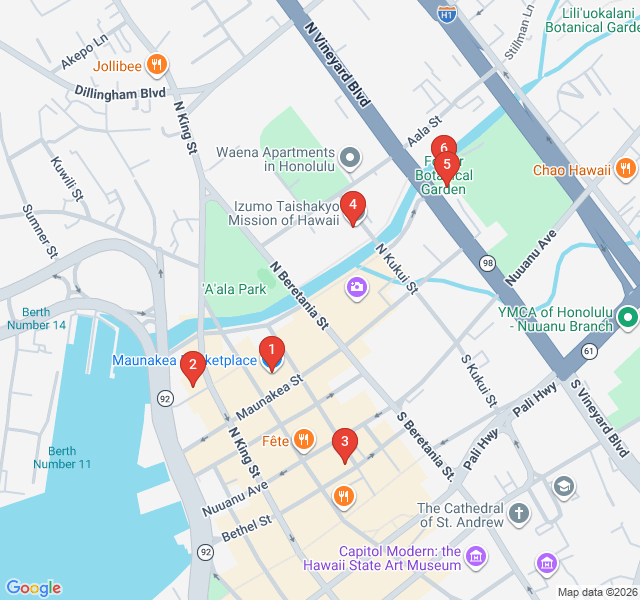
Numbers indicate the order of stops on the tour.
Begin your self-guided adventure at the Maunakea Market, a vibrant hub that perfectly encapsulates the melting pot of Honolulu. As you walk through the entrance, you are greeted by a symphony of languages and the steam from fresh manapua. This isn't just a food court; it is a community living room. Here, you’ll find stalls offering everything from Vietnamese pho to traditional Filipino desserts and Thai curries. The market reflects the later waves of immigration that revitalized Chinatown in the late 20th century. Take a moment to observe the herbalist shops nearby, where practitioners still weigh out roots and dried flowers using traditional scales to balance the 'qi' of their customers.
Just a short stroll away lies the Oahu Market, a cornerstone of the neighborhood since 1904. This is a traditional 'wet market,' and it has survived fires, redevelopment, and the changing tides of the city. As you explore the stalls, look for the fresh catches of the day—ahi, octopus, and snapper—displayed on beds of ice. The vendors here often represent families who have held these stalls for generations. You’ll see unique local produce like bitter melon, bok choy, and dragon fruit. This stop is a masterclass in the ingredients that fuel Hawaiian regional cuisine and the daily rituals of Chinatown’s residents.
Rising majestically with its iconic vertical sign, the Hawaii Theatre is known as the 'Pride of the Pacific.' Opened in 1922, this Beaux-Arts masterpiece was once the most opulent cinema and vaudeville house in the islands. Its presence here marks the boundary between the gritty market streets and the burgeoning arts district. Notice the intricate sculptural details on the facade. After falling into disrepair in the 1980s, a massive community effort restored it to its former glory. It serves as a reminder of an era when Chinatown was the undisputed center of Honolulu’s nightlife and social scene. Note that performances and interior access change frequently, so check local listings if you wish to see the ornate interior.
Crossing over the Nu’uanu Stream, you enter a space of profound serenity. The Izumo Taishakyo Mission is one of the few active Shinto shrines in the United States. Established in 1906, the current structure was built in 1922 using traditional Japanese methods, featuring a distinctive heavy thatched-style roof. This shrine represents the deep roots of the Japanese community in Hawaii. Look for the 'chozuya,' the water basin where visitors perform a ritual purification of their hands and mouths. The presence of this shrine alongside Chinese temples and Western theaters illustrates the unique cultural synthesis that defines Honolulu’s history.
A few steps further brings you to the Kuan Yin Temple, dedicated to the Buddhist Goddess of Mercy. The air here is often thick with the sweet scent of burning joss sticks. The temple’s bright red roof and intricate green tiles are classic examples of Chinese temple architecture. Inside, you may see worshippers offering fruit and flowers or shaking 'kau chim' (fortune sticks). Kuan Yin is revered for her compassion, and the temple serves as a peaceful sanctuary from the urban bustle outside. Please be mindful that this is a place of active worship; visitors are welcome but encouraged to remain quiet and respectful of those in prayer.
Concluding your journey is the Foster Botanical Garden, a 14-acre tropical oasis. This is the oldest botanical garden in the city, with some trees dating back to the 1850s when the land was part of a private estate. As you wander the paths, look for the 'Exceptional Trees,' including a massive Bodhi tree that is a descendant of the one under which the Buddha is said to have attained enlightenment. The garden also houses a prehistoric glen and a butterfly garden. It provides a lush, green contrast to the brick and concrete of Chinatown, offering a final moment of reflection on the natural and cultural beauty of the islands.
Start Free on iPhone
Explore “Chinatown Flavors & Traditions: A Cultural Audio Journey” with your very own Private Tour Guide with Zigway. Start free on iPhone, skip the large group and the fixed routes, and hear the city come alive as you go.
Your Private Tour Guide
Don't miss the good stuff
Explore Freely
 Easy
EasyHonolulu, United States
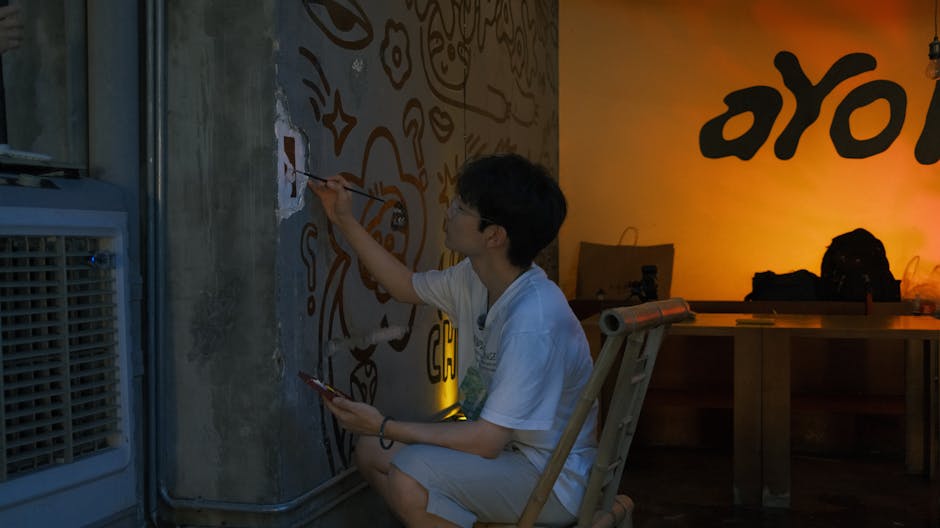
Explore Honolulu’s premier arts district. Discover massive street murals, industrial-chic hangouts, and creative studios on this self-guided walk.
 Moderate
Honolulu, United States
Discover Honolulu’s seafaring soul and coastal beauty on this self-guided walk from historic Aloha Tower to the scenic vistas of Magic Island.
 Moderate
Honolulu, United States
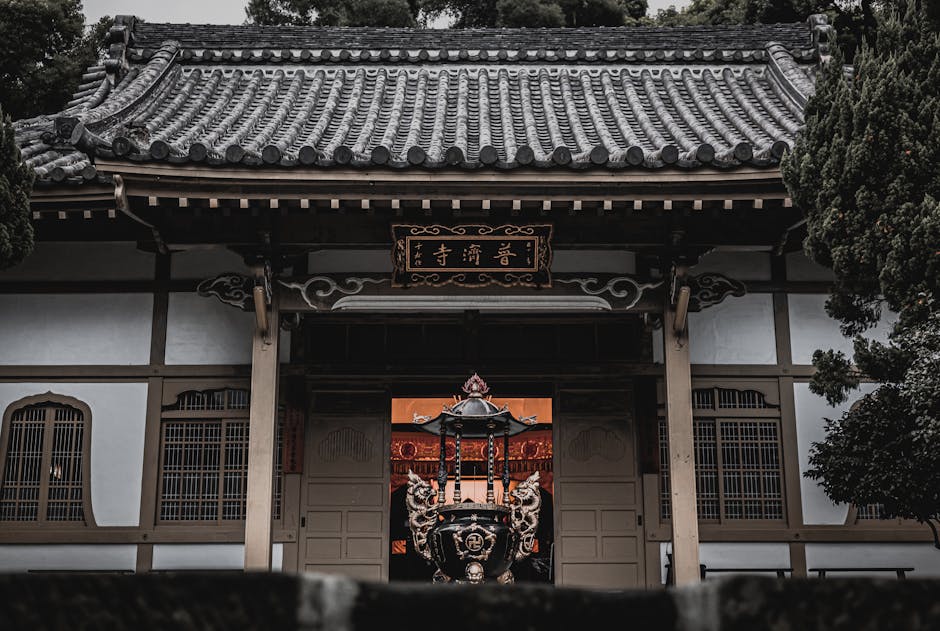
Uncover royal history, unique architecture, and sacred memorials on this self-guided walking route through Honolulu’s historic Makiki slopes.
 Easy
EasyHonolulu, United States
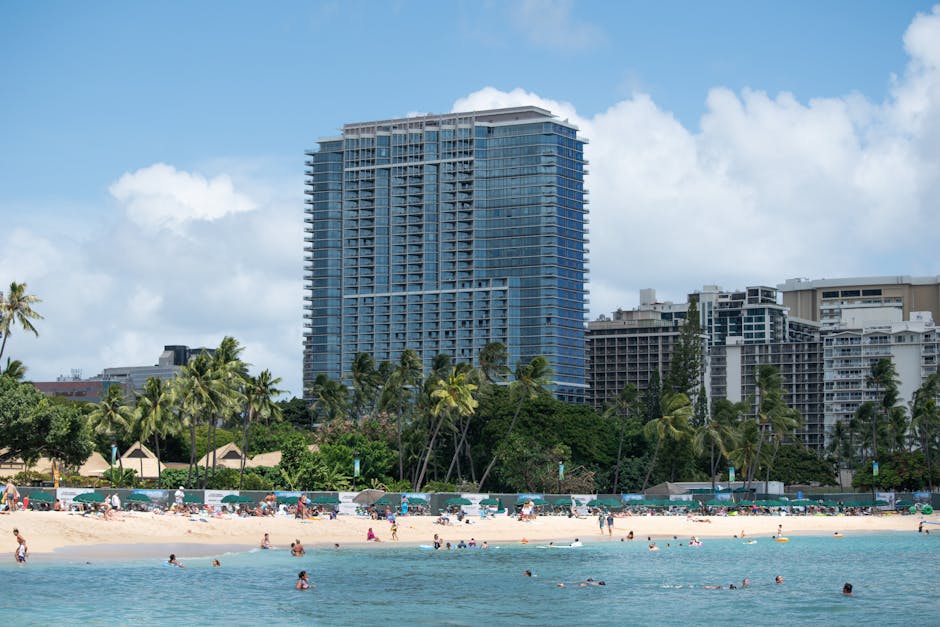
Explore the birthplace of modern surfing and royal history on this self-guided walking route along the sun-drenched shores of Waikiki.
 Moderate
Nairobi, Kenya
Taste your way through Nairobi's Westlands on this self-guided walk featuring street snacks, cultural landmarks, and hidden foodie gems.
 Easy
EasyGdansk, Poland
Taste the history of the Baltic. Explore Gdansk's culinary heritage from medieval markets to gold-flecked liqueurs on this self-guided walk.
 Moderate
Warsaw, Poland
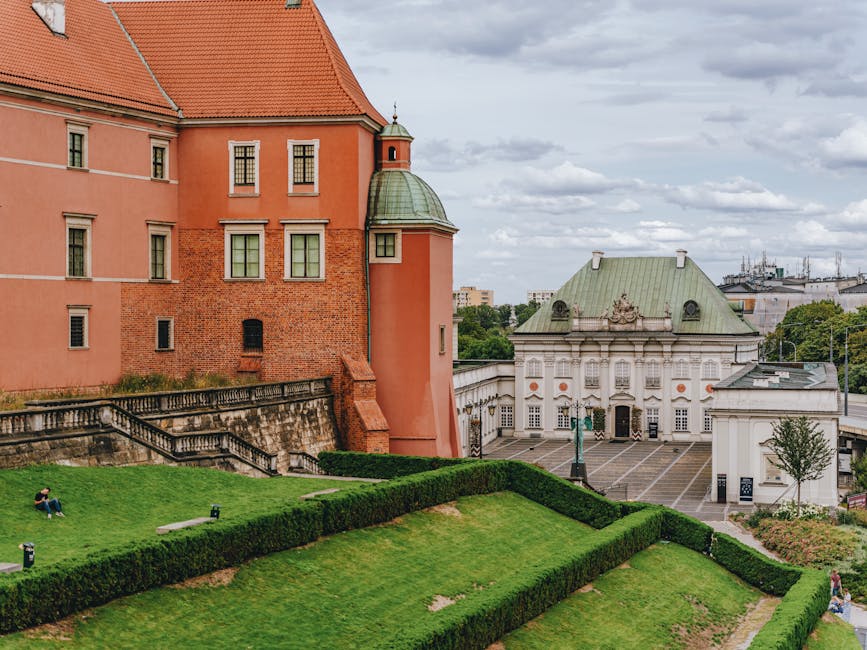
Explore the resilient spirit of Warsaw's Muranów district on this self-guided walk through the history and landmarks of the former Jewish Ghetto.
 Moderate
Nairobi, Kenya
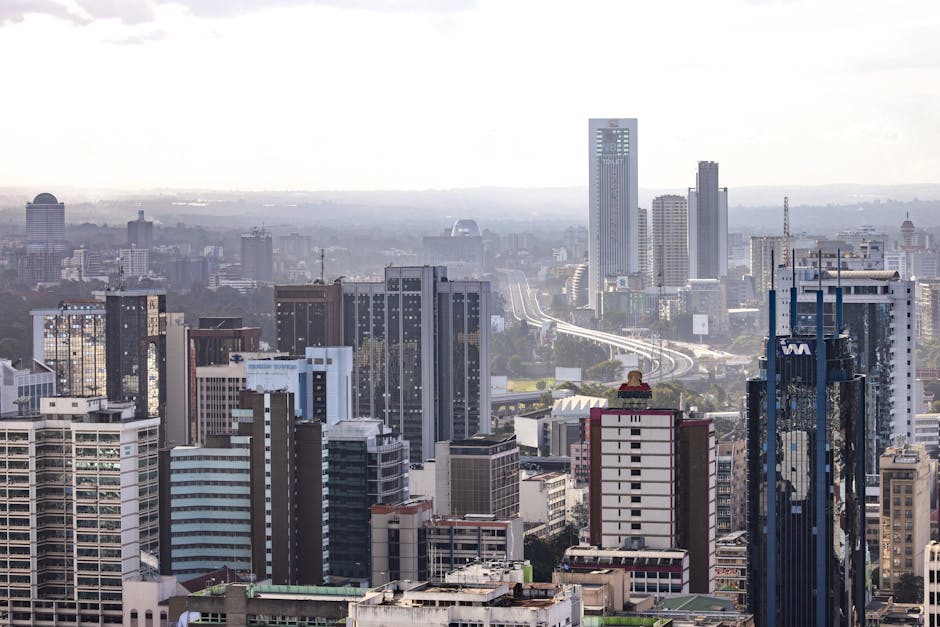
Discover Nairobi's lush side on this self-guided walk through botanical gardens, historic memorials, and vibrant local markets.
 Easy
EasyNashville, United States
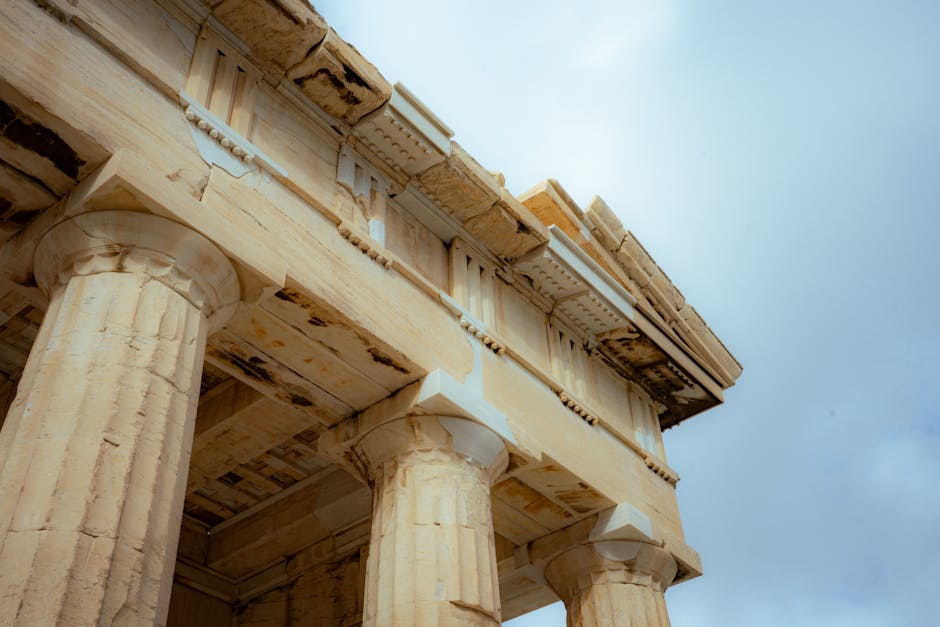
Explore the 'Athens of the South' on this self-guided walk through Centennial Park, featuring the world's only full-scale Parthenon replica.
 Easy
EasyNashville, United States
Explore Nashville's academic heart and Art Deco gems on this self-guided walk through historic Hillsboro Village.
 Easy
EasyNashville, United States
Explore the heart of Nashville's music industry. Discover iconic studios and the history of the legendary Nashville Sound at your own pace.
 Easy
EasyNashville, United States
Explore Nashville's oldest neighborhood! Discover Victorian architecture, Civil War history, and world-class craft beer on this self-guided walk.