Self-guided audio tour in Denver
Start Free on iPhone
Start free on iPhone to unlock this self-guided walking tour in Denver. Hear all the stories that make it amazing, walk at your own pace, and begin whenever you want.
Your Private Tour Guide
Step into the vibrant soul of Denver with this self-guided walk through the city's most storied neighborhoods. While Denver is often celebrated for its mountain vistas, its urban heart beats with a rhythm rooted in jazz, civil rights, and architectural innovation. This route takes you from the geometric modernism of the Golden Triangle into the historic core of Five Points, once known as the 'Harlem of the West.' During the mid-20th century, Five Points was a mandatory stop for jazz legends like Duke Ellington, Billie Holiday, and Miles Davis, who played the legendary Rossonian Hotel when discriminatory laws barred them from staying in downtown hotels. As you explore independently, you will witness how this legacy of resilience and creativity continues to shape the city today. Beyond the jazz clubs, this neighborhood stroll connects you to the wider story of Denver’s growth. You will pass the golden dome of the Colorado State Capitol and the historic bricks of Larimer Square, the city's oldest commercial block. The journey then moves toward the modern energy of the RiNo Art District and the lush expanses of City Park. This audio walk is designed to be experienced at your own pace, allowing you to linger at the Blair-Caldwell African American Research Library to dive into local history or stop for a coffee in the bustling Union Station. Whether you are a first-time visitor or a longtime resident, this walking route offers a deep dive into the cultural landmarks that define the Mile High City. From the rhythmic movements at Cleo Parker Robinson Dance to the immersive art of Meow Wolf, you will see how Denver blends its historic African American heritage with a cutting-edge contemporary arts scene. Discover the stories of the pioneers, musicians, and visionaries who built this city, all while enjoying the fresh air and vibrant street life of Colorado’s capital. This is not just a trip through space, but a journey through time, tracing Denver's evolution from a frontier town to a jazz capital and finally to a modern cultural hub.
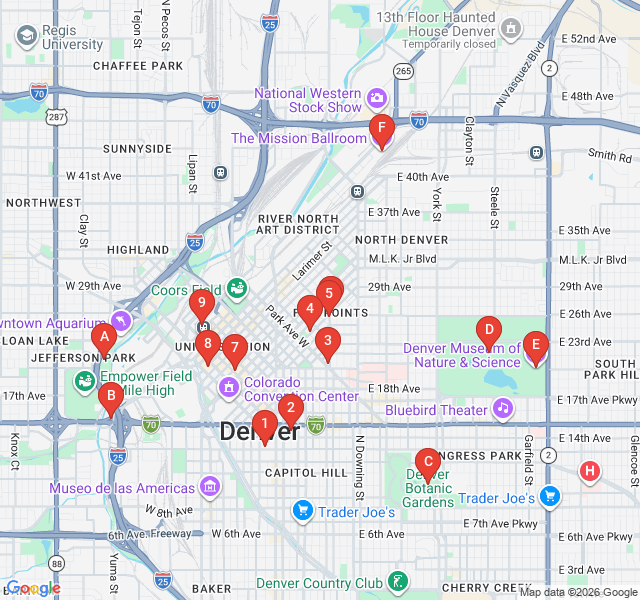
Numbers indicate the order of stops on the tour.
Begin your exploration at the Denver Art Museum, a striking example of modern architecture in the Golden Triangle Creative District. The Hamilton Building, with its sharp angles and titanium panels, was designed by Daniel Libeskind to reflect the peaks of the Rocky Mountains. This institution is one of the largest art museums between Chicago and the West Coast, known particularly for its world-class collection of Indigenous arts from North America. As you stand here, you are at the gateway to Denver's cultural corridor, where the city's artistic past and future collide. The museum serves as a testament to Denver's commitment to public art and creative expression, setting the stage for the diverse cultural stories you will encounter as you move toward the historic streets of Five Points.
A short walk brings you to the Colorado State Capitol, modeled after the United States Capitol in Washington, D.C. Look up at the dome, which is plated with real 24-karat gold leaf, commemorating the Colorado Gold Rush that brought the city into existence. One of the most famous features here is the 'Mile High' step on the western side; look for the engraving that marks exactly 5,280 feet above sea level. This building is not just a seat of government but a monument to the state’s geological wealth, featuring rare Colorado Rose Onyx throughout the interior. From this vantage point, you can see the straight line of 17th Street, known as the 'Wall Street of the West,' leading toward the historic districts.
You are now entering the Five Points neighborhood at the home of Cleo Parker Robinson Dance. This building was originally the Shorter AME Church, the oldest African Methodist Episcopal church in Denver, which served as a vital community hub for decades. Today, it is a powerhouse of cultural diversity and modern dance. Cleo Parker Robinson, a legendary figure in the American dance world, transformed this historic space into a sanctuary for the arts. The company performs works that honor the African Diaspora while fostering social change. This stop marks your transition into the 'Harlem of the West,' where the legacy of Black excellence in Denver is preserved through movement and community engagement.
The Blair-Caldwell Library is much more than a place to borrow books; it is a gateway to the history of African Americans in the Rocky Mountain West. Opened in 2003, it features a museum on the third level that chronicles the lives of Black pioneers, Buffalo Soldiers, and the jazz greats who defined Five Points. You can explore exhibits on the 'Black West' and learn about the mayors and civil rights leaders who shaped Denver. The library is named after Omar Blair and Elvin Caldwell, two influential leaders who broke racial barriers in city government. It stands as a beacon of scholarship and pride, ensuring that the stories of this neighborhood are never forgotten.
This is the epicenter of the Five Points jazz legacy. Built in 1912, the Rossonian Hotel sat at the heart of the neighborhood's nightlife. During the era of segregation, when famous Black musicians played at major downtown theaters, they were not allowed to stay there. Instead, they came to the Rossonian. Between sets, legends like Charlie Parker, Billie Holiday, and Duke Ellington would have jam sessions in the hotel's lounge that lasted until dawn. The hotel became one of the most famous jazz clubs in the country. Though the building has seen many changes, it remains the most iconic symbol of the neighborhood’s musical golden age and is currently a focal point for the area's revitalization.
Cousins Plaza is named in honor of Charles Cousins, a visionary entrepreneur who arrived in Denver as a railroad porter and became one of the neighborhood's most significant property owners. At a time when African Americans were restricted from living in many parts of the city, Cousins provided quality housing and business opportunities within Five Points. He is often credited with helping to build the middle-class foundation of the community. This public space serves as a tribute to the spirit of self-reliance and entrepreneurship that defined the area. It is a perfect spot to pause and soak in the atmosphere of the 'Five Points' intersection where Washington Street, 27th Street, 26th Avenue, and Welton Street all meet.
Moving toward the edge of the historic LoDo district, you find the Museum of Illusions. This stop represents the modern, playful side of Denver’s downtown evolution. Inside, the laws of physics seem to bend through mind-bending installations and holograms. While the neighborhood around it is steeped in 19th-century history, this venue highlights the city's shift toward interactive and experiential entertainment. It is a popular spot for photography, offering a surreal contrast to the heavy brickwork of the nearby historic warehouses. It reminds us that Denver is a city that constantly reinvents itself, blending high-tech fun with its rugged, frontier roots.
Welcome to Denver's oldest commercial block. Larimer Square is where the city began back in 1858. In the mid-20th century, these buildings were slated for demolition, but they were saved by local preservationists, becoming Denver's first historic district. Today, the Victorian-era buildings are draped in canopy lights and house some of the city's finest restaurants and boutiques. As you walk the creaky floorboards of these shops, you are walking through the same spaces where pioneers and prospectors once traded. The preservation of Larimer Square set the template for how Denver honors its past while maintaining a vibrant, modern economy.
Union Station is known as 'Denver's Living Room.' Originally opened in 1881 and rebuilt after a fire in 1914, this Beaux-Arts masterpiece was once the primary gateway to the West. After a massive renovation in 2014, it was transformed into a bustling hub of transit, dining, and hospitality. Notice the 'Travel by Train' neon sign, a nostalgic nod to the golden age of rail. Inside, the Great Hall features soaring ceilings and plush seating where locals and travelers mingle. It is the perfect example of adaptive reuse, turning a historic transit center into a thriving community anchor that connects the city to the airport and beyond.
Located along the banks of the South Platte River, the Children's Museum represents Denver's family-friendly spirit and its connection to the outdoors. This area was once the industrial backyard of the city but has been transformed into a lush park system. The museum offers hands-on exhibits that encourage exploration and creativity, mirroring the adventurous spirit of the West. From here, you can see the convergence of the city’s bike paths, which follow the river for miles. This stop highlights the importance of play and education in Denver’s community life, providing a green escape just minutes from the skyscrapers of downtown.
Towering over the viaducts near the stadium is Meow Wolf’s Convergence Station. This massive, immersive art installation is a psychedelic journey through four floors of alien worlds and interconnected narratives. It was created by hundreds of local and international artists, cementing Denver's reputation as a major hub for contemporary, boundary-pushing art. The structure itself is an architectural marvel, squeezed into a triangular plot between highway ramps. Meow Wolf represents the 'New Denver'—bold, imaginative, and slightly surreal. It serves as a modern companion to the historic creative energy you felt back in Five Points, showing that the city’s artistic pulse is stronger than ever.
Heading east, you reach the Denver Botanic Gardens on York Street. This 24-acre oasis is world-renowned for its diverse collections and its focus on high-altitude climate plants. The gardens offer a serene retreat from the urban bustle, featuring everything from a traditional Japanese garden to the futuristic Science Pyramid. The site was once a cemetery, and its transformation into a lush botanical sanctuary is a key part of Denver’s urban planning history. The gardens frequently host art exhibitions and summer concerts, continuing the city's tradition of blending nature with cultural programming. It is a place of research, conservation, and immense beauty.
Located in the heart of City Park, the Denver Zoo has been a local favorite since 1896. It began with a single orphaned black bear named Billy Bryan and has grown into one of the most popular cultural attractions in Colorado. The zoo is a leader in animal conservation and features innovative habitats like Toyota Elephant Passage. Walking through these grounds, you are experiencing a piece of Denver’s Victorian-era park planning. City Park was designed to be the 'people's park,' and the zoo has served as its wild heart for over a century, providing generations of Denverites with a window into the natural world.
Just across the park from the zoo sits the Denver Museum of Nature & Science. This institution is a treasure trove of paleontological finds, space exploration exhibits, and dioramas that have fascinated visitors for decades. One of the best-hidden gems here is the sky terrace, which offers one of the most spectacular views of the Denver skyline with the Rocky Mountains as a backdrop. The museum’s location in City Park highlights the 19th-century 'City Beautiful' movement, which aimed to bring grand architecture and green spaces to growing American cities. It is a place where the deep time of the fossil record meets the modern aspirations of the city.
Your journey concludes in the RiNo (River North) Art District at the Mission Ballroom. This state-of-the-art concert venue represents the latest chapter in Denver's musical story. RiNo was once an industrial zone of foundries and warehouses, but it has been transformed into a vibrant neighborhood filled with street art, breweries, and creative spaces. The Mission Ballroom was designed to provide a perfect acoustic experience, carrying forward the legacy of live music that began in the jazz clubs of Five Points. As you stand here, you are surrounded by the murals and energy of a district that celebrates the grit and creativity of the Mile High City.
Start Free on iPhone
Explore “The Harlem of the West: Five Points Jazz” with your very own Private Tour Guide with Zigway. Start free on iPhone, skip the large group and the fixed routes, and hear the city come alive as you go.
Your Private Tour Guide
Don't miss the good stuff
Explore Freely
 Easy
EasyDenver, United States
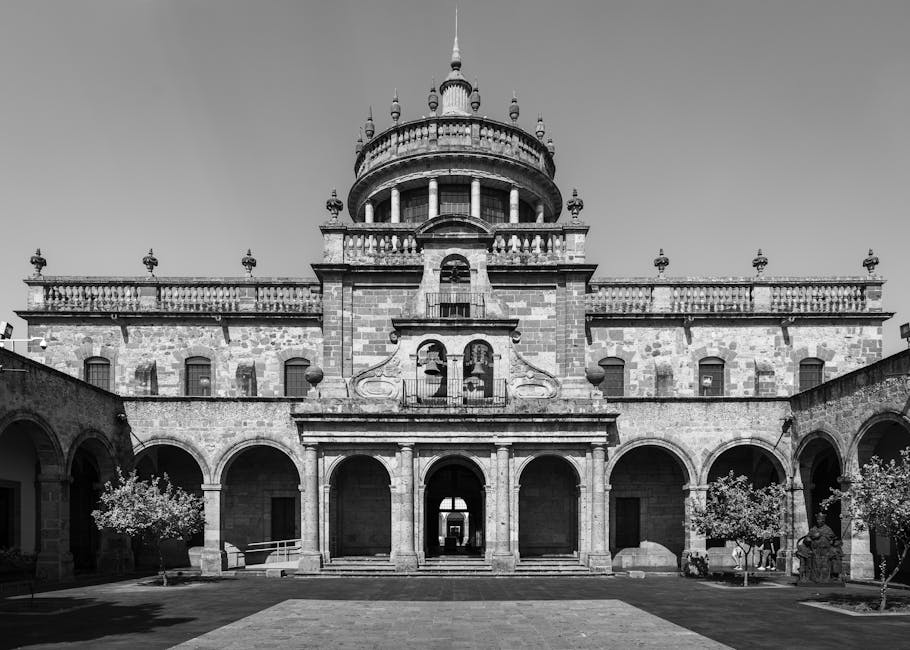
Explore the flavors and history of Denver's oldest block on this self-guided walk through the iconic Larimer Square and LoDo's culinary scene.
 Easy
EasyDenver, United States
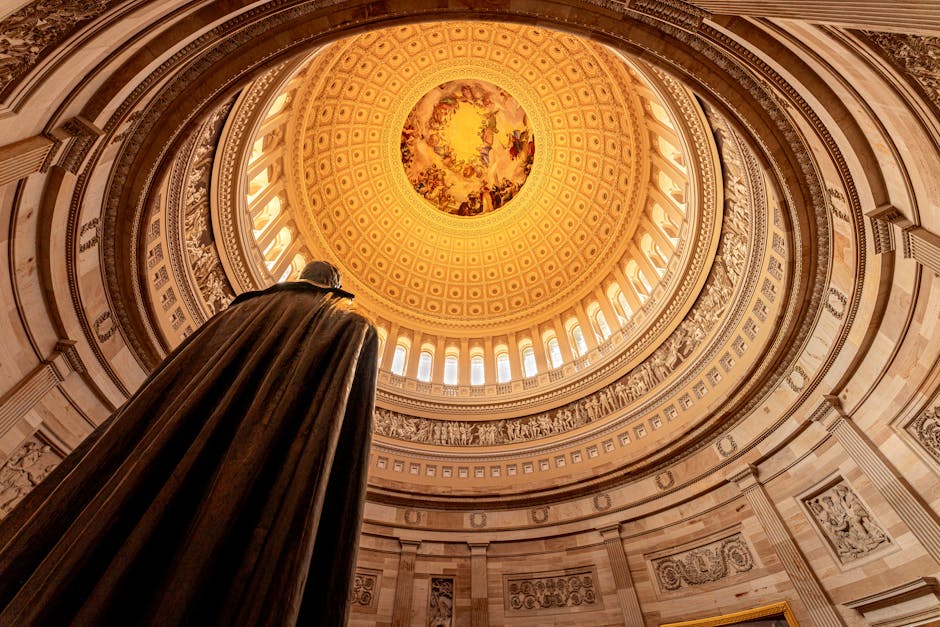
Discover Denver's architectural evolution from neoclassical grandeur to avant-garde design on this self-guided stroll through the Golden Triangle.
 Moderate
Denver, United States
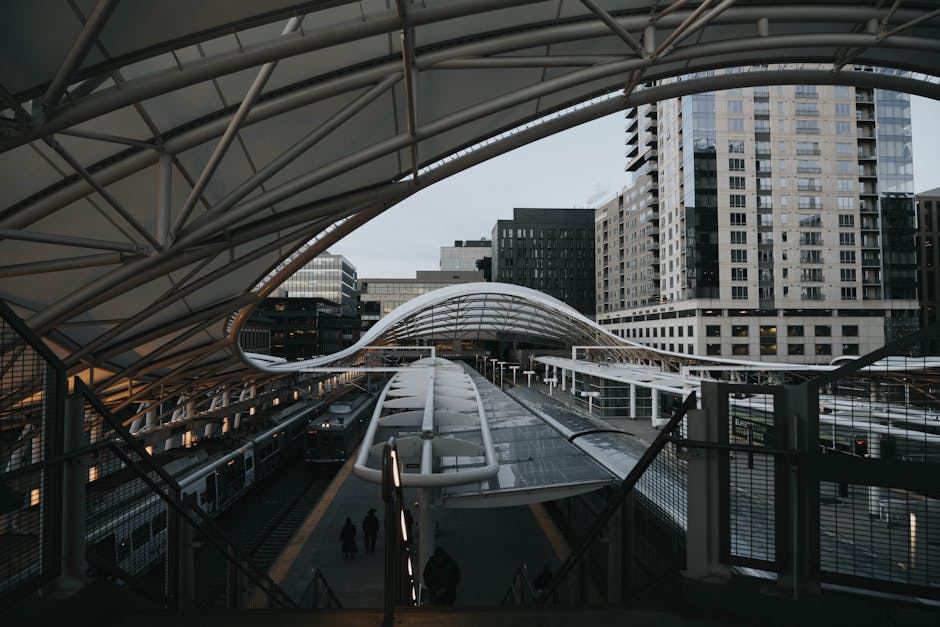
Discover Gilded Age mansions, haunted history, and the iconic Gold Dome on this self-guided stroll through Denver’s historic Capitol Hill neighborhood.
 Easy
EasyDenver, United States
Explore Denver’s history from the 'Unsinkable' Molly Brown House to the scenic Confluence Park on this flexible self-guided audio walk.
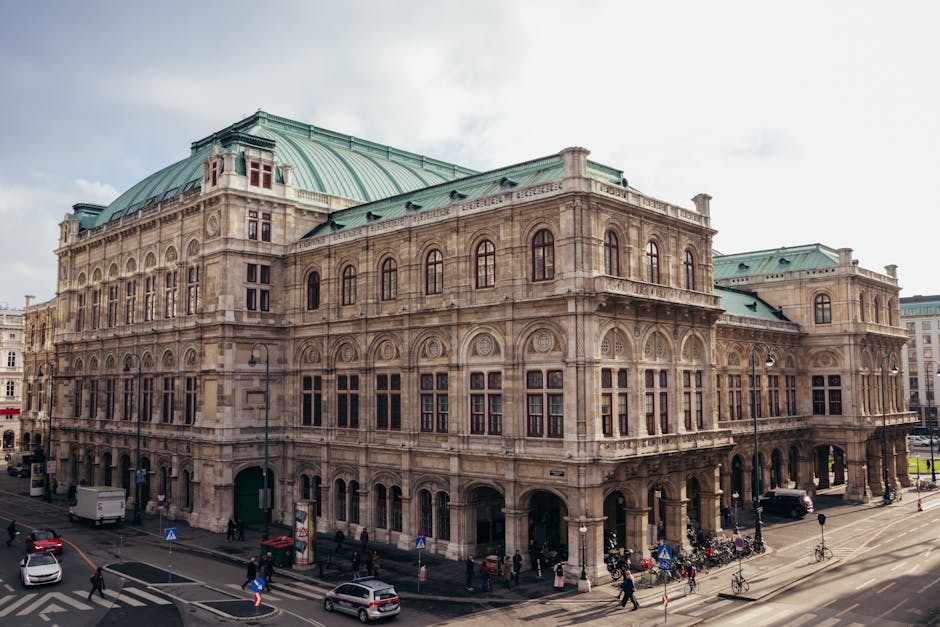 Moderate
Vienna, Austria
Follow the footsteps of Mozart and Strauss through Vienna’s historic center on this self-guided walk through the city's rich musical history.
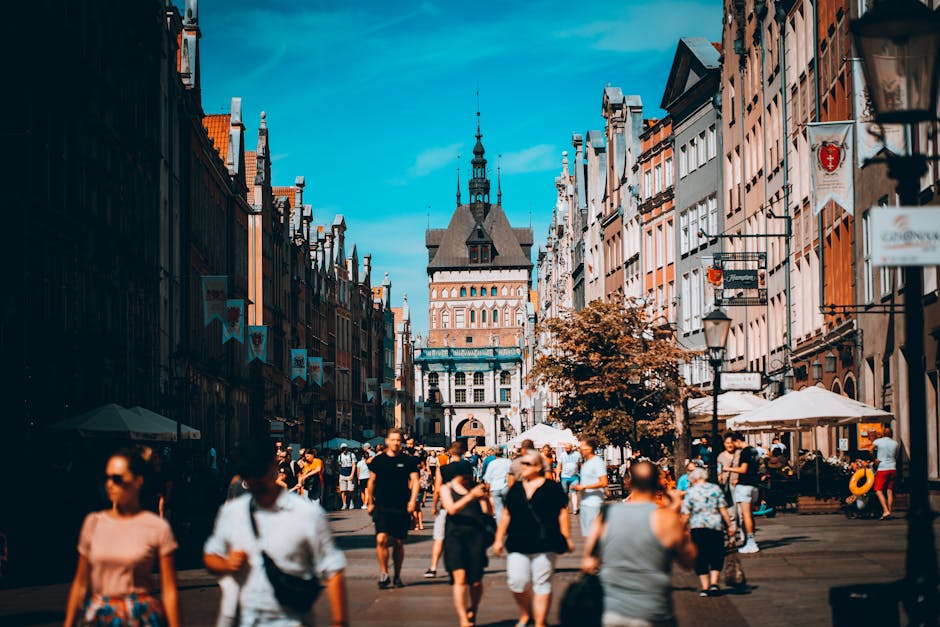 Easy
EasyGdansk, Poland
Taste the history of the Baltic. Explore Gdansk's culinary heritage from medieval markets to gold-flecked liqueurs on this self-guided walk.
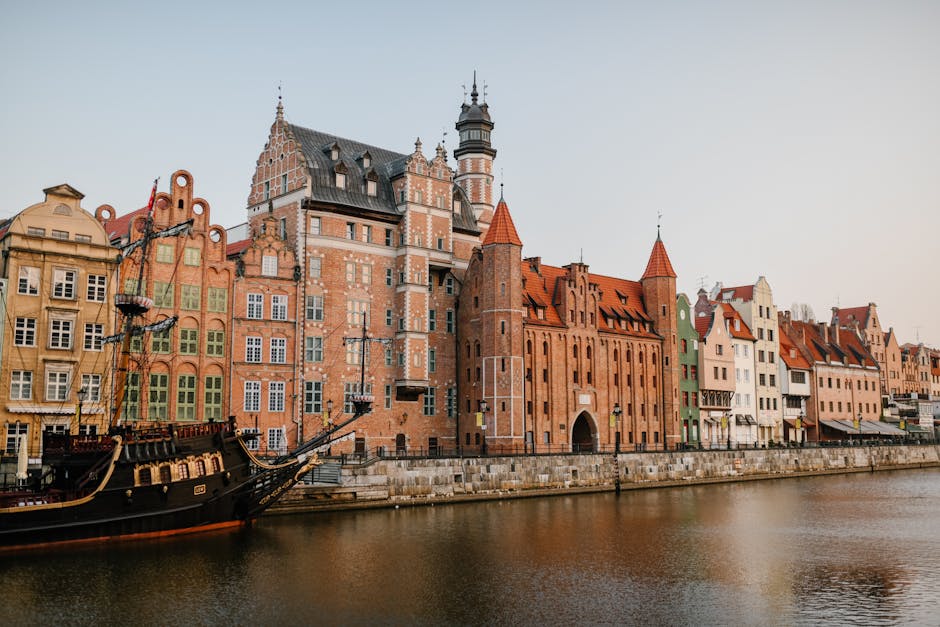 Easy
EasyGdansk, Poland
Discover the 'Baltic Gold' on this self-guided walk through Gdansk's historic mills, massive cathedrals, and the magical Mariacka Street.
 Easy
EasyGothenburg, Sweden
Explore Gothenburg’s historic wooden houses, legendary giant cinnamon buns, and panoramic fortress views on this self-guided neighborhood stroll.
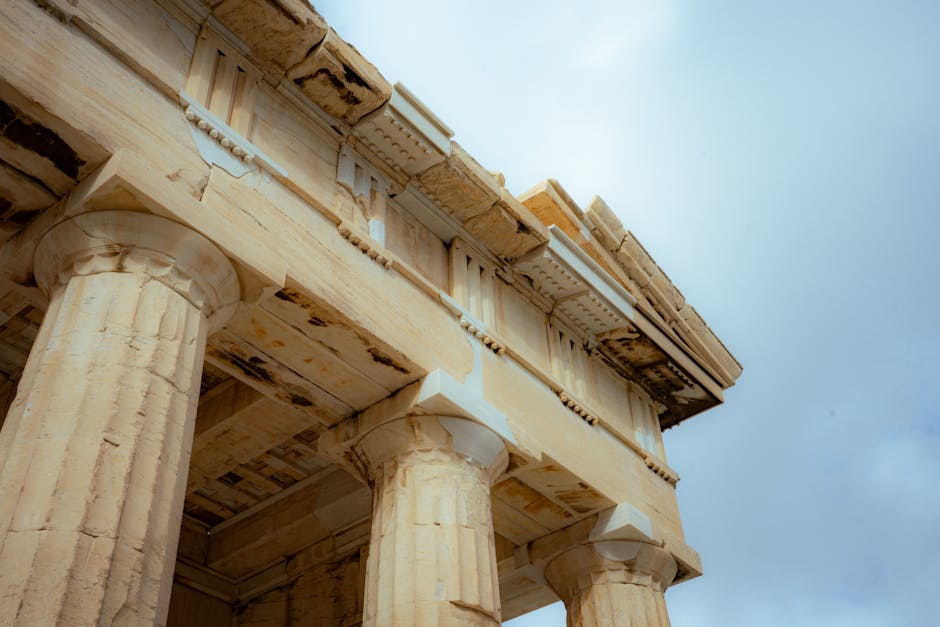 Easy
EasyNashville, United States
Explore the 'Athens of the South' on this self-guided walk through Centennial Park, featuring the world's only full-scale Parthenon replica.
 Easy
EasyNashville, United States
Explore Nashville's academic heart and Art Deco gems on this self-guided walk through historic Hillsboro Village.
 Easy
EasyNashville, United States
Explore the heart of Nashville's music industry. Discover iconic studios and the history of the legendary Nashville Sound at your own pace.
 Easy
EasyNashville, United States
Explore Nashville's oldest neighborhood! Discover Victorian architecture, Civil War history, and world-class craft beer on this self-guided walk.