Self-guided audio tour in San Antonio
Start Free on iPhone
Start free on iPhone to unlock this self-guided walking tour in San Antonio. Hear all the stories that make it amazing, walk at your own pace, and begin whenever you want.
Your Private Tour Guide
Step into the deep historical layers of San Antonio with this comprehensive self-guided walk that traces the city's evolution from a Spanish colonial outpost to a modern cultural hub. This walking route, known as the Queen's Trail, focuses on the architectural and religious legacy of the San Antonio Missions National Historical Park, while also connecting you to the city's vibrant academic and social centers. You will begin at La Villita, one of the city's original settlements, before heading toward the iconic Alamo, where Texas history was forever changed. As you explore independently, you will notice the striking contrast between the 18th-century stone carvings of Mission San José and the bold, modern architecture of the Central Library. This audio walk isn't just about the famous battle sites; it's a deep dive into the 'Queen of the Missions,' Mission San José. Here, you can admire the intricate Rose Window and the vast granary that once sustained a thriving community. The route also invites you to discover the Pearl district, a repurposed brewery that now serves as a model for urban renewal, and several of the city's prestigious educational institutions like Trinity University and Our Lady of the Lake. Whether you are interested in the spiritual history of Mission Concepción or the literary quiet of the Landa Branch Library, this itinerary offers a balanced look at the Southside and beyond. By using this self-guided walking tour San Antonio provides, you can linger at the sites that fascinate you most without being tethered to a group schedule. It is a perfect way to travel through time, seeing how the Spanish influence still resonates in the limestone walls and arched doorways of the city today. For those looking for an immersive walking tour San Antonio experience, this trail captures the essence of the city's heritage and its enduring community spirit.
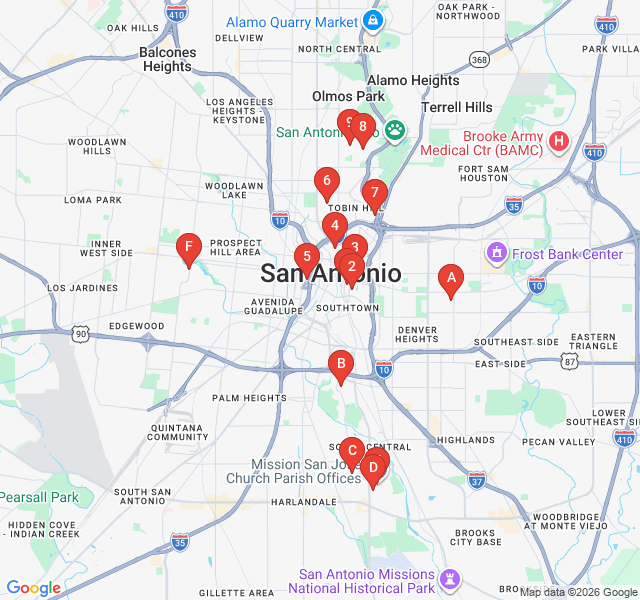
Numbers indicate the order of stops on the tour.
Welcome to one of San Antonio's oldest neighborhoods. Originally a settlement for Spanish soldiers stationed at the Alamo, La Villita evolved into a diverse community of European and American immigrants. Today, it serves as a historic arts village. As you walk through the cobblestone streets, notice the varying architectural styles, from simple adobe structures to Victorian-era houses. This site was crucial during the Texas Revolution, as it was the location where General Cos surrendered to Texan forces in 1835. It remains a peaceful pocket of the city, preserving the early residential character of San Antonio.
This urban park was the site of the 1968 World's Fair, known as HemisFair '68, which celebrated the 'Confluence of Civilizations in the Americas.' The most striking feature here is the Tower of the Americas, though the park itself has undergone a massive transformation into a community gathering space. It bridges the gap between the historic downtown and the modern city. The park retains several historic homes that were preserved during the fair's construction, offering a unique blend of mid-century modernism and 19th-century residential architecture.
Originally known as Mission San Antonio de Valero, this site is the most famous landmark in Texas. While most people associate it with the 1836 battle, it began its life in 1718 as a Spanish mission. The stone church you see today was never actually finished by the missionaries. Look closely at the facade; the iconic 'hump' at the top was actually added by the U.S. Army in the 1850s to hide a roof line. This site represents the complex collision of Spanish, Mexican, and Texan identities that define the region's history.
Designed by world-renowned architect Ricardo Legorreta, the San Antonio Central Library is impossible to miss with its striking 'Enchilada Red' exterior. Opened in 1995, the building is a masterpiece of contemporary Mexican architecture, utilizing bold geometric shapes and light-filled atriums. It serves as a modern cultural anchor for the city, proving that San Antonio's architectural story continues to evolve. The design honors the city's Hispanic heritage through its color and form while providing a state-of-the-art space for the community's intellectual life.
The University of Texas at San Antonio's downtown campus reflects the city's commitment to urban education and revitalization. Established to bring higher education directly into the heart of the city, the campus architecture blends modern educational facilities with the industrial feel of the surrounding neighborhood. It stands as a symbol of San Antonio's transition into a forward-looking city that values its student population and the economic growth they bring to the urban core.
Founded in 1925, San Antonio College is one of the oldest public two-year colleges in Texas. The campus features a mix of mid-century and modern buildings, serving as a pillar of the Tobin Hill community. It has played a vital role in providing accessible education to generations of San Antonians. As you explore the perimeter, you can see how the campus integrates with the surrounding historic residential areas, maintaining a lively, academic energy that contributes to the neighborhood's diverse character.
The Pearl is a premier example of historic preservation and adaptive reuse. Once the site of the Pearl Brewery, which operated from 1883 to 2001, it has been transformed into a culinary and cultural destination. The original brewhouse, a Second Empire-style masterpiece, now houses a luxury hotel. The site successfully maintains its industrial heritage through the preservation of machinery and architectural details while hosting a vibrant farmers market and local boutiques. It’s a testament to how San Antonio honors its commercial history through creative modernization.
Trinity University's campus is a National Historic District, largely designed by architect O'Neil Ford. The campus is famous for its 'Texas Modern' architecture, characterized by red brick, functional lines, and a seamless integration with the hilly landscape. The Murchison Tower serves as a landmark for the university. The campus design was revolutionary for its time, eschewing traditional collegiate gothic styles for something that felt uniquely tied to the Southwestern environment and the mid-century era of its construction.
This library is housed in a stunning 1929 Mediterranean-style mansion, originally the home of Harry and Hannah Landa. The grounds include beautiful gardens and a children's playground, making it a peaceful neighborhood retreat. The house was donated to the city to serve as a public library and memorial, preserving the elegant residential architecture of the Monte Vista historic district. It provides a glimpse into the lifestyle of San Antonio's wealthy residents during the early 20th century.
St. Philip's College has a unique history as a Historically Black College and a Hispanic-Serving Institution. Founded in 1898 as a sewing school for young African American girls, it has grown into a comprehensive community college. The campus is a significant landmark in the Eastside community, representing the city's history of educational perseverance and civil rights. It remains a vital hub for vocational and academic training, reflecting the diverse demographics of San Antonio's population.
Mission Nuestra Señora de la Purísima Concepción de Acuña looks much as it did in 1731. It is the best-preserved of the San Antonio missions and is the oldest unrestored stone church in the United States. While the colorful frescoes that once covered the exterior have faded, you can still see original paintings inside the library and sacristy. The twin towers and elegant dome are hallmarks of Spanish Colonial architecture. Because it was built directly on bedrock, the church has never collapsed, standing as a testament to colonial engineering.
As you enter the grounds of Mission San José, look toward the outer walls. These apartments, known as the Indian Quarters, housed the Coahuiltecan people who lived and worked at the mission. Life here was a blend of traditional indigenous culture and Spanish colonial structure. The mission provided protection from raids and a steady food supply in exchange for labor and conversion to Catholicism. Walking through these small rooms gives you a sense of the daily lives of the hundreds of people who once called this mission home.
This is the gateway to the 'Queen of the Missions.' The visitor center provides essential context for the San Antonio Missions National Historical Park, a UNESCO World Heritage site. Here, you can learn about the complex social structure of the missions and the irrigation system known as acequias that made agriculture possible in this semi-arid region. It serves as an educational hub, helping visitors understand that these sites were not just churches, but fully functioning walled communities designed to turn indigenous people into Spanish citizens.
Known as the 'Queen of the Missions' for its size and beauty, Mission San José y San Miguel de Aguayo was founded in 1720. The church features the famous Rose Window, an exquisite example of Spanish colonial ornamentation. Legend says it was carved by a craftsman named Pedro Huizar for his lost love, though it more likely serves a religious purpose. The mission’s vast compound, including the granary and the mill, shows the scale of the operation at its peak. It remains an active parish church today, continuing a nearly 300-year tradition of worship.
Founded in 1895 by the Sisters of Divine Providence, this university is a landmark of the Westside. The Main Building, with its gothic spires and intricate stonework, is a stunning sight reflected in the waters of Elmendorf Lake. The university has a long-standing mission of serving the underserved and was the first institution in San Antonio to receive regional accreditation. Its presence has been a stabilizing force in the neighborhood for over a century, blending spiritual dedication with academic excellence in a breathtaking architectural setting.
Start Free on iPhone
Explore “Mission San José: The Queen's Trail” with your very own Private Tour Guide with Zigway. Start free on iPhone, skip the large group and the fixed routes, and hear the city come alive as you go.
Your Private Tour Guide
Don't miss the good stuff
Explore Freely
 Easy
EasySan Antonio, United States
Discover Gilded Age mansions and modern art on this self-guided stroll through San Antonio's historic King William neighborhood.
 Easy
EasySan Antonio, United States
Explore the cradle of Texas liberty on this self-guided walk through San Antonio's historic Alamo Plaza and downtown landmarks.
 Moderate
San Antonio, United States
Explore the soul of San Antonio's Westside through its legendary murals and historic Tejano landmarks on this self-guided walk.
 Easy
EasySan Antonio, United States
Explore the architectural gems and historic nightlife of the San Antonio River Walk on this iconic self-guided audio walk.
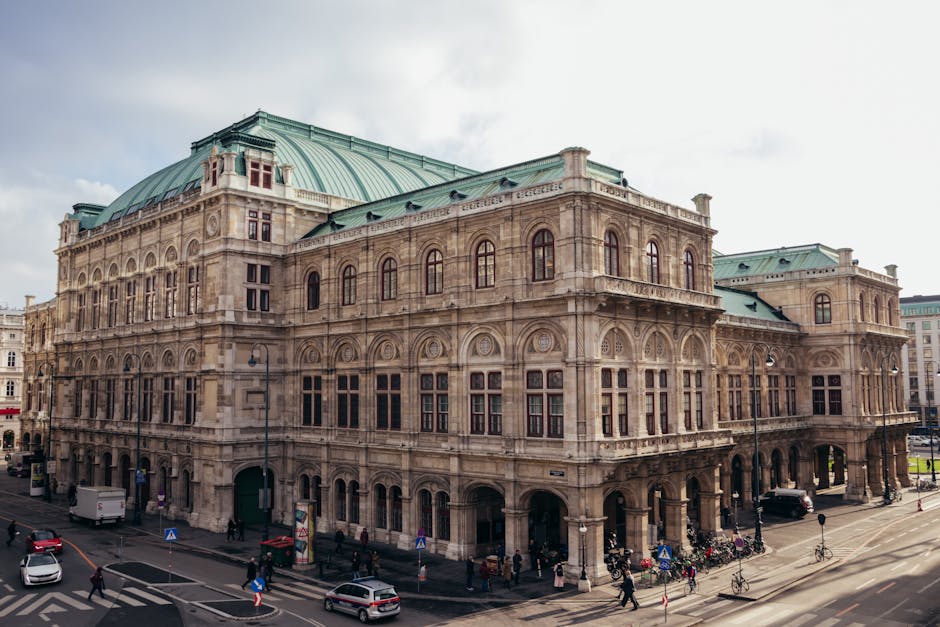 Moderate
Vienna, Austria
Discover the noir world of The Third Man and Cold War Vienna on this atmospheric self-guided audio walk through the historic Innere Stadt.
 Easy
EasyKrakow, Poland
Explore the historic heart of Kazimierz on this self-guided walk through synagogues, ancient cemeteries, and vibrant squares.
 Easy
EasySalzburg, Austria
Discover the 'Rome of the North' on this self-guided walk through the Baroque squares and monumental legacy of Salzburg’s Prince-Archbishops.
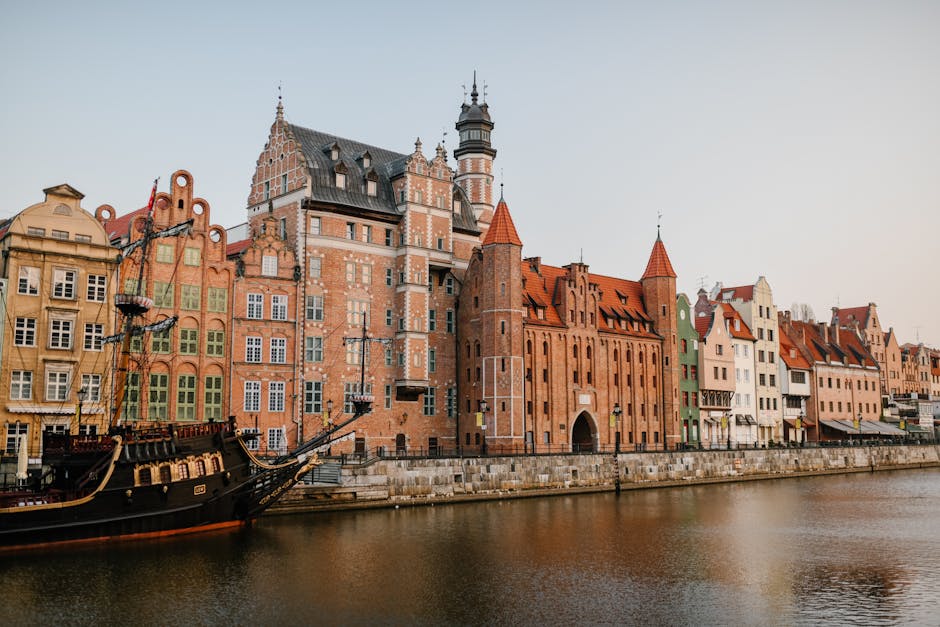 Easy
EasyGdansk, Poland
Discover the 'Baltic Gold' on this self-guided walk through Gdansk's historic mills, massive cathedrals, and the magical Mariacka Street.
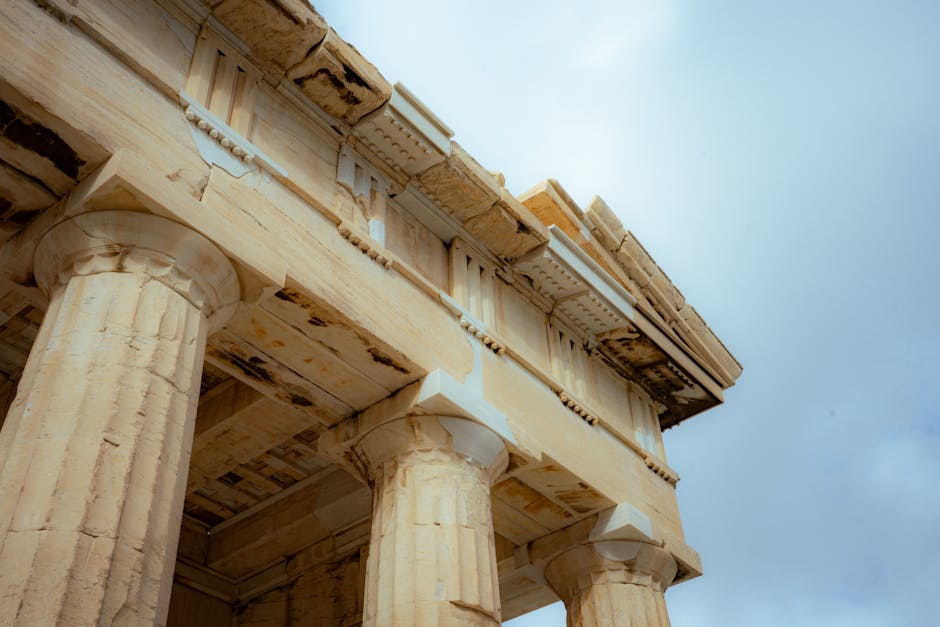 Easy
EasyNashville, United States
Explore the 'Athens of the South' on this self-guided walk through Centennial Park, featuring the world's only full-scale Parthenon replica.
 Easy
EasyNashville, United States
Explore Nashville's academic heart and Art Deco gems on this self-guided walk through historic Hillsboro Village.
 Easy
EasyNashville, United States
Explore the heart of Nashville's music industry. Discover iconic studios and the history of the legendary Nashville Sound at your own pace.
 Easy
EasyNashville, United States
Explore Nashville's oldest neighborhood! Discover Victorian architecture, Civil War history, and world-class craft beer on this self-guided walk.