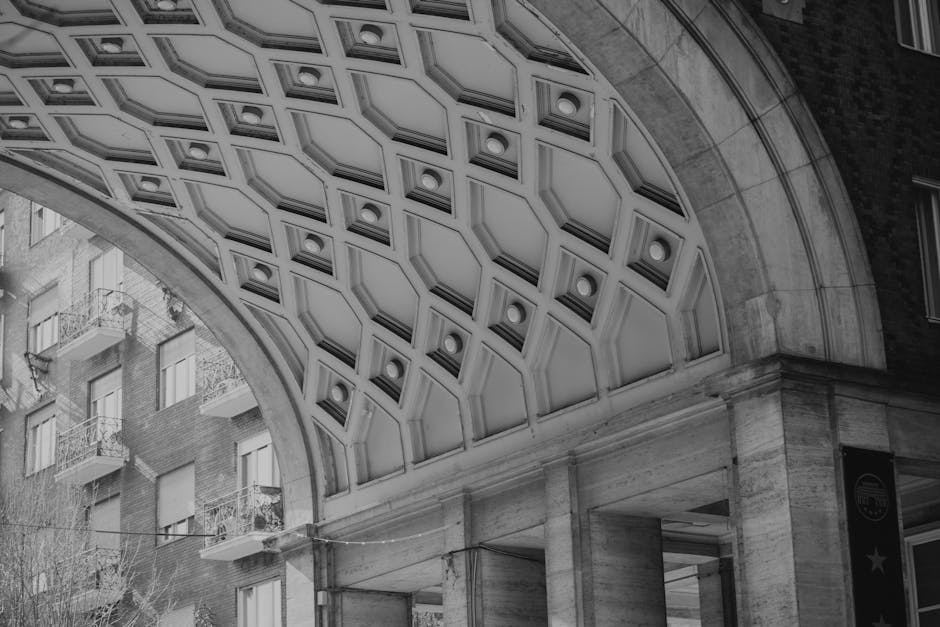
Self-guided audio tour in Bucharest
Start Free on iPhone
Start free on iPhone to unlock this self-guided walking tour in Bucharest. Hear all the stories that make it amazing, walk at your own pace, and begin whenever you want.
Your Private Tour Guide
Step into a time when Bucharest was the fastest-growing metropolis in Eastern Europe, shedding its 'Little Paris' skin to embrace the sleek, geometric futurism of the 1930s. This self-guided walk invites you to explore the Magheru and Calea Victoriei axes, where the city’s skyline was transformed by avant-garde architects who looked toward New York and Paris for inspiration. During the interwar period, Bucharest became a laboratory for Modernist experimentation, resulting in one of the highest concentrations of Art Deco architecture in the world. On this walking route, you will discover the towering Telephone Palace, the city’s first true skyscraper, and marvel at the clean, rhythmic lines of the ARO Building, designed by the legendary Horia Creangă. As you explore independently, you will see how these structures symbolized progress, luxury, and the vibrant cinematic culture of old Bucharest. The route transitions from the bustling commercial boulevards to the more intimate, leafy streets of the Dacia district, where residential villas showcase a more domestic side of the modernist movement. This walking tour Bucharest offers is perfect for those who want to see beyond the classical facades and understand the 'Age of Jazz' that shaped the capital's unique urban character. By following this neighborhood stroll, you will encounter the historic cinemas, luxury hotels, and insurance palaces that once made Bucharest the most modern city in the Balkans. It is an essential journey for any admirer of 20th-century design and urban history.
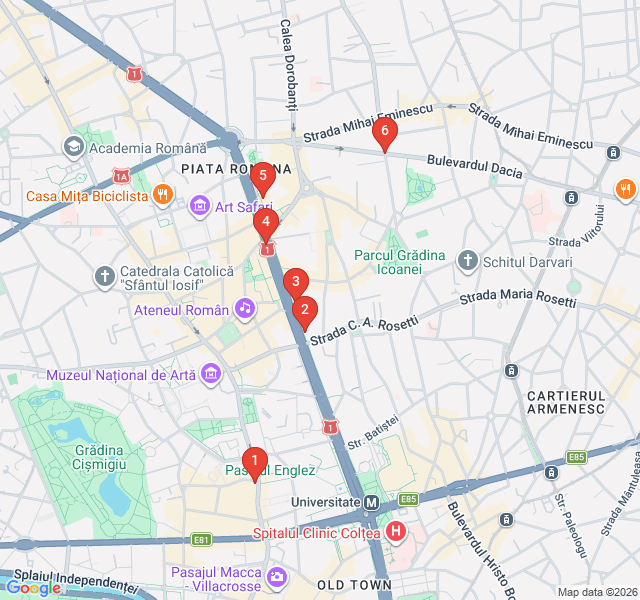
Numbers indicate the order of stops on the tour.
Standing tall on Calea Victoriei, the Telephone Palace was completed in 1934 and represented a radical departure from Bucharest's traditional architecture. Designed by American architects together with local talent, it was the first building in Romania to use a steel frame, mimicking the skyscrapers of New York. As you look up, notice the tiered 'set-back' design, a classic Art Deco feature required by zoning laws in the US to allow light to reach the street. For decades, it remained the tallest building in the city, serving as a symbol of technological progress and Bucharest’s connection to the modern Western world.
The Scala Cinema Building is a prime example of the Streamline Moderne style, a late branch of Art Deco that emphasized long horizontal lines and curving forms. During the 1930s, Magheru Boulevard was known as the 'Broadway of Bucharest,' lined with state-of-the-art cinemas and theaters. The Scala was the heart of this entertainment district. Observe the rhythmic windows and the way the building rounds the corner; these design choices were meant to evoke the speed and dynamism of modern transport, such as ocean liners and locomotives, which were the height of fashion at the time.
Completed in 1939, the Hotel Ambasador remains one of the most striking structures on the boulevard. Designed by Arghir Culina, it perfectly captures the transition between Art Deco and pure Modernism. The building is famous for its perfect symmetry and the vertical emphasis created by its central tower. It was built to cater to the growing number of international business travelers and socialites visiting the city during the interwar 'Golden Age.' Even today, its facade retains an air of faded glamour, reminding us of the luxury and cosmopolitan spirit that defined Bucharest before the Second World War.
This is perhaps the most significant Modernist building in Romania. Designed by Horia Creangă, the grandson of the famous writer Ion Creangă, the ARO building was finished in 1931. It was revolutionary for its time, stripping away all ornamentation in favor of functionalism and geometric purity. The horizontal bands of windows and the stark white surfaces were a shock to a city used to French-style decorations. It housed the Patria Cinema and luxury apartments, standing as a manifesto for a new, rational way of living that rejected the 'excesses' of the past.
As you move slightly north, you encounter the Asigurarea Romaneasca Building. In the 1930s, insurance companies were the primary investors in large-scale urban development in Bucharest. These 'insurance palaces' were built to convey stability and modernity. This specific building utilizes a more sober, monumental version of Art Deco. Look for the geometric motifs around the entrance and the window frames. It illustrates how the style was adapted for corporate and administrative purposes, combining the efficiency of Modernism with the prestige of high-end materials.
Leaving the main commercial hub, our route concludes among the villas of Dacia Boulevard. Here, the Art Deco style becomes more intimate and residential. These private homes were built for the city’s elite—doctors, lawyers, and artists—who wanted to express their modern tastes. Look for 'porthole' windows, nautical-style railings, and decorative plasterwork featuring stylized flowers or sunbursts. This area shows how Modernism wasn't just for skyscrapers and cinemas, but a lifestyle choice that permeated the quiet, tree-lined neighborhoods of the capital.
Start Free on iPhone
Explore “Art Deco Decadence: Bucharest’s Modernist Architecture” with your very own Private Tour Guide with Zigway. Start free on iPhone, skip the large group and the fixed routes, and hear the city come alive as you go.
Your Private Tour Guide
Don't miss the good stuff
Explore Freely
 Moderate
Bucharest, Romania
Explore Bucharest’s 'Little Paris' on this self-guided walk through grand parks, royal monuments, and the world-renowned National Village Museum.
 Moderate
Bucharest, Romania
Discover Bucharest’s soul through its flavors, from legendary market 'mici' to historic Old Town gems on this self-guided foodie adventure.
 Easy
EasyBucharest, Romania
Discover the elegance of Cotroceni, a neighborhood of royal palaces, lush botanical gardens, and stunning interwar villas on this self-guided walk.
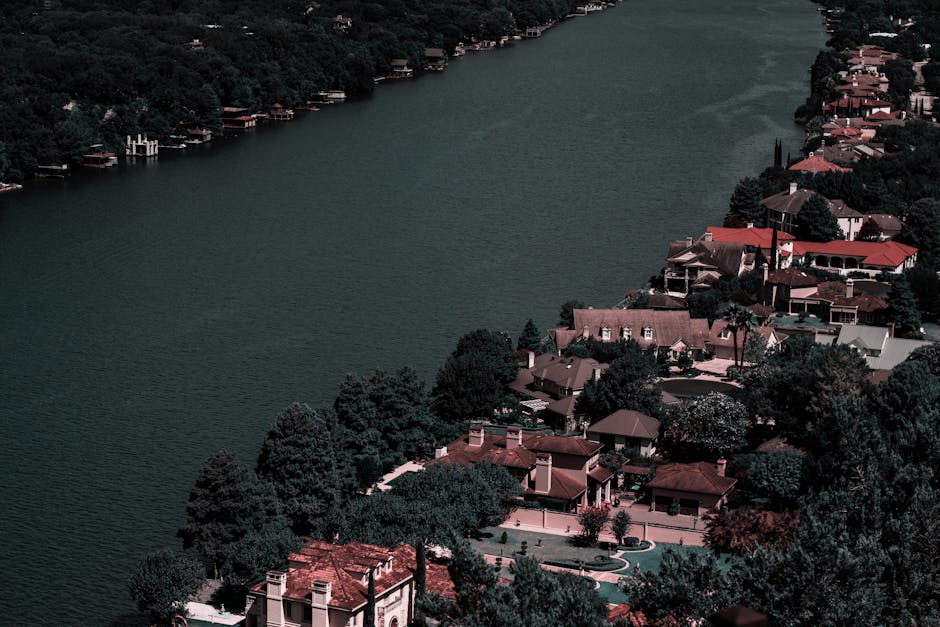 Easy
EasyBucharest, Romania
Discover Bucharest's hidden Armenian Quarter on this self-guided walk through merchant history, elegant villas, and the city's oldest private home.
 Easy
EasyNairobi, Kenya
Discover Nairobi's iconic skyline on this self-guided architecture walk through the CBD’s most famous modernist and Brutalist landmarks.
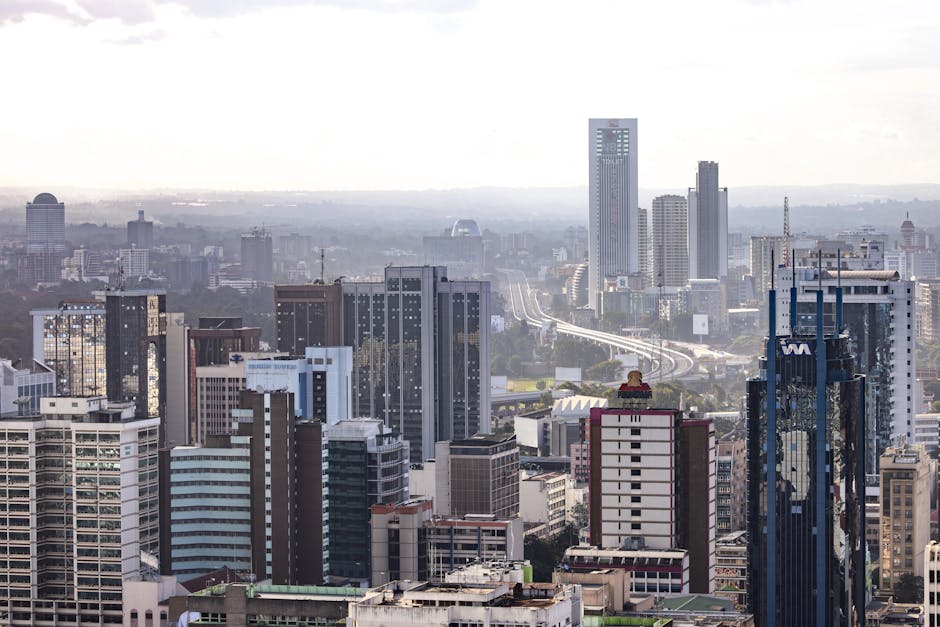 Easy
EasyNairobi, Kenya
Explore Nairobi's architectural evolution from colonial-era landmarks to iconic Brutalist skyscrapers on this historic self-guided walking route.
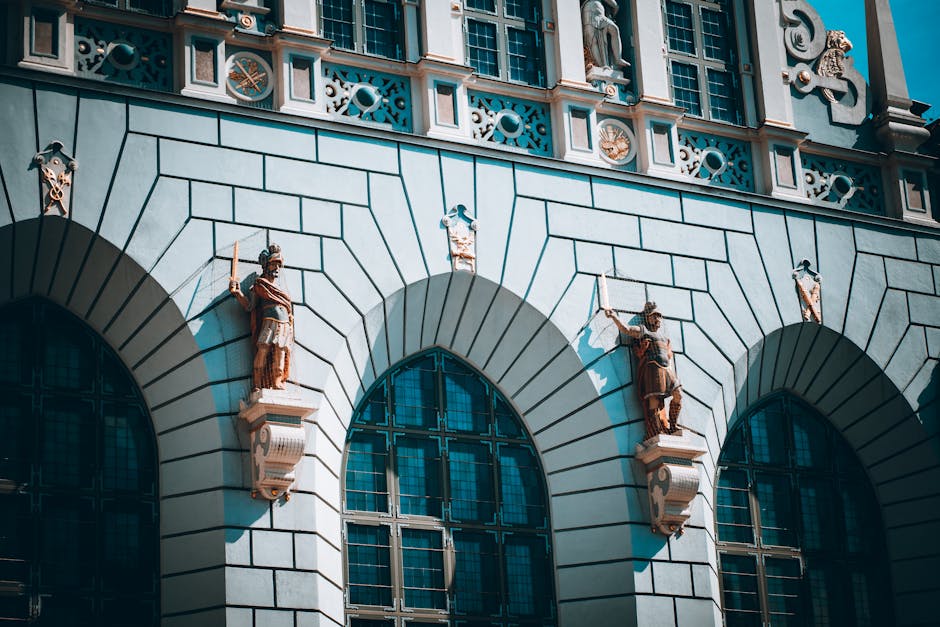 Easy
EasyGdansk, Poland
Discover the opulent Royal Way of Gdansk at your own pace. Explore Hanseatic history, gilded architecture, and the iconic Neptune's Fountain.
 Easy
EasyGothenburg, Sweden
Discover Gothenburg’s 17th-century Dutch foundations, historic canals, and military fortifications on this self-guided architectural walk.
 Moderate
Brasov, Romania
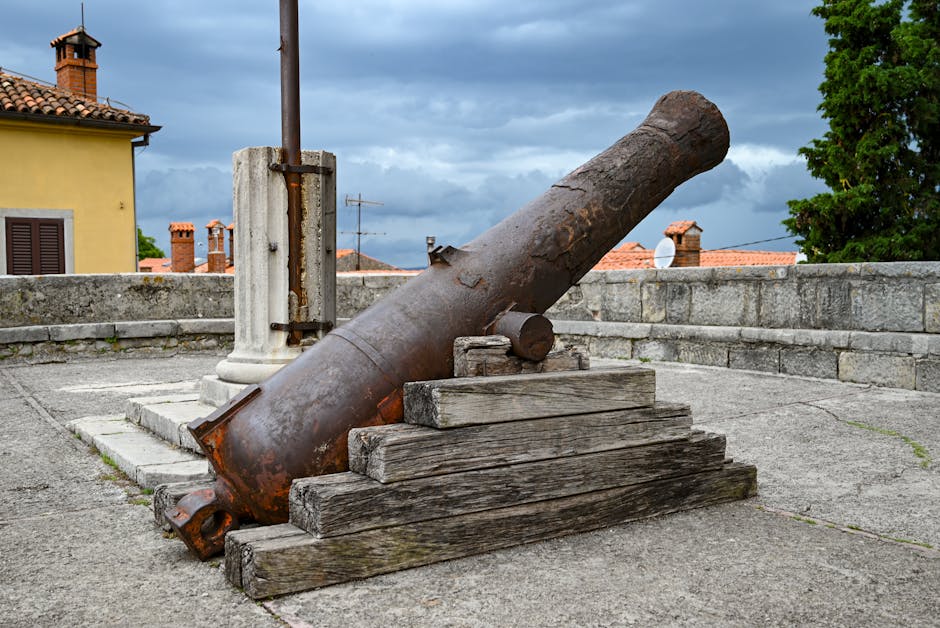
Explore Brasov's medieval fortress walls and guild-defended bastions on this atmospheric self-guided audio walk through the historic Old Town.
 Challenging
Brasov, Romania
Experience Brasov from above. A high-altitude self-guided walk through medieval towers, mountain trails, and the city's most iconic panoramic points.
 Easy
EasyBrasov, Romania
Discover the artistic soul of Brașov on this self-guided walk through historic theaters, art galleries, and legendary concert halls.
 Easy
EasyBrasov, Romania
Explore Brasov’s vibrant craft beer and wine scene on this self-guided stroll through the medieval Old Town and beyond.