Self-guided audio tour in Brasov
Start Free on iPhone
Start free on iPhone to unlock this self-guided walking tour in Brasov. Hear all the stories that make it amazing, walk at your own pace, and begin whenever you want.
Your Private Tour Guide
Step into the heart of Transylvania and uncover the complex layers of Brasov's past with this immersive audio walk. While many visitors are drawn to the city's medieval charm and Gothic spires, the 'Shadows of the Revolution' route invites you to look closer at the scars and triumphs of the 20th century. This self-guided walk leads you through the winding streets of the Old Town and into the Civic Center, where the echoes of the 1989 Revolution still resonate. You will explore how a city once defined by Saxon merchants became a flashpoint for resistance against one of the most repressive regimes in Eastern Europe. Starting at the iconic Council Square, the route transitions from the ancient defensive walls to the sites of modern upheaval. You will see the Modarom building, where the first shots of the December uprising in Brasov were fired, and the Prefecture, which served as the seat of local power during the transition. The walk also delves into the cultural resistance of the Romanian people at the First Romanian School and the strategic importance of the Fortress on the Watchtower. This walking tour Brasov experience is designed for history enthusiasts who want to understand the transition from the medieval era to the communist 'Golden Age' and eventually to contemporary freedom. As you explore independently, you can pause at your leisure to admire the neoclassical architecture of the Art Museum or reflect at the somber Heroes of the Revolution Cemetery. The route concludes with a look at the city's future, highlighting how Brasov has reinvented itself as a hub of culture and innovation. This neighborhood stroll offers a balanced perspective, blending architectural beauty with the raw, unfiltered history of a nation in transformation. Discover the stories of the ordinary citizens who stood their ground in these very streets, making this one of the most poignant ways to experience the city's heritage.
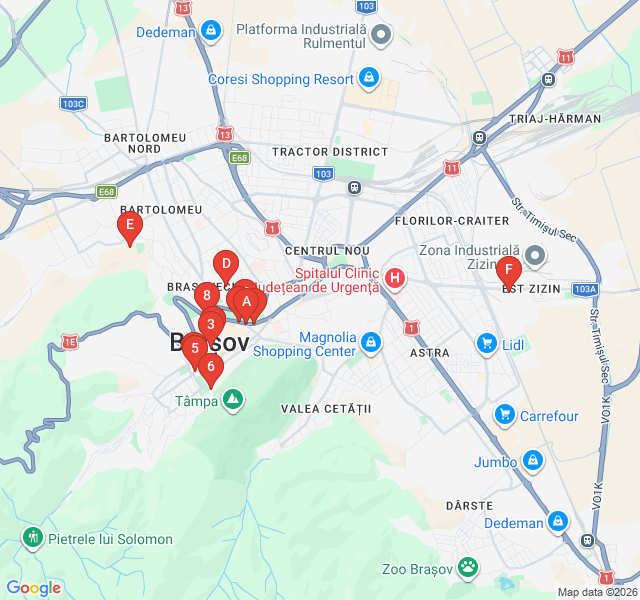
Numbers indicate the order of stops on the tour.
Welcome to the heart of Brasov. For centuries, this square has been the center of civic life. Known as Piața Sfatului, it was the site of the annual trade fairs that made the city wealthy. However, in December 1989, the festive atmosphere was replaced by the chants of thousands demanding freedom. Look at the Council House in the center; it has served as a town hall, a watchtower, and now a museum. It stood as a silent witness to the protests that eventually helped topple the communist regime. Take a moment to appreciate the blend of Baroque, Renaissance, and Neoclassical facades surrounding you.
Moving slightly through the square, notice the open space that once hosted the town's pillory. In the late 20th century, this area was cleared for massive socialist rallies, but the people reclaimed it during the revolution. The architecture here tells a story of survival—many of these buildings survived the Great Fire of 1689. Today, they house cafes and shops, representing the city's successful transition to a modern European destination while maintaining its historic soul. Observe the intricate details on the merchant houses, which once belonged to the powerful guilds that governed the city.
As you walk through the Old Center, you are navigating the historic border between the medieval Saxon fortress and the surrounding Romanian neighborhoods. The narrow streets were designed to be defensible, but they also created a sense of tight-knit community. During the industrialization of the 20th century, this area was preserved even as 'New Brasov' grew with brutalist apartment blocks. The contrast between these cobblestone alleys and the concrete structures you will see later on this route highlights the dual identity of Brasov: a medieval gem forced into a communist mold.
This is Catherine Gate, the only original city gate from the medieval era still standing. Built in 1559, it features four small corner turrets, which historically signified that the city had the 'right of the sword'—the authority to carry out capital punishment. While it looks like something out of a fairytale, it represents the strict regulations of the past; for centuries, Romanians living in the Schei district were only allowed to enter the city through this gate at certain times and after paying a toll. It is a monument to the divisions that once defined the city.
Just a few steps away is the Schei Gate, built much later in 1827 to accommodate increasing traffic. Unlike the medieval Catherine Gate, this classical structure was designed for efficiency. It marks the entrance to the Schei district, the historically Romanian part of town. For generations, the residents of Schei were the outsiders of the Saxon-dominated city. This gate represents the gradual integration of the city’s ethnic groups, a process that would continue through the centuries until the modern unified identity of Brasov was formed.
Part of the city's formidable defense system, the Weavers Bastion is one of the best-preserved fortifications in Brasov. Managed by the linen weavers' guild, it served both as a defensive tower and a warehouse. Inside, you can find a scale model of the city as it looked in the 17th century. During times of peace, the guilds used these spaces for meetings and social gatherings. The thick walls and arrow slits remind us that for most of its history, Brasov was a city under threat, constantly prepared for siege.
Located in the Schei district, this museum is a cornerstone of Romanian culture. This was where the first Romanian-language books were printed, thanks to Coresi the Deacon. During the centuries of Saxon and Austro-Hungarian rule, this school was a vital center for preserving the Romanian language and identity. Even under communist censorship, the history of this place remained a point of national pride. The museum houses thousands of rare books and the oldest printing press in the region, symbolizing the power of education over political oppression.
Livada Poștei, or 'The Post Orchard,' is a major transit hub today, but it was once the site of the city’s central post office and stables. It serves as the gateway between the Old Town and the newer administrative districts. In 1987, two years before the revolution, this area saw the first major anti-communist protest in Brasov, known as the Brasov Rebellion. Workers from the 'Red Flag' truck factory marched through here, signaling the beginning of the end for the regime. It is a place where the city's daily commute meets its revolutionary heritage.
This elegant building, once the seat of a bank, now houses the Brasov Art Museum. The neoclassical architecture reflects the city's prosperity in the early 20th century. Inside, the collection spans from 18th-century Transylvanian art to modern Romanian works. During the communist era, art was often used as propaganda, but many artists hidden within these collections managed to express subtle dissent through their work. The museum stands as a testament to the enduring human spirit and the importance of creative freedom in a changing society.
The Modarom building is one of the most significant sites of the 1989 Revolution in Brasov. If you look closely at the facade, you may still see the marks left by bullets. On December 21, 1989, as the revolution spread from Timisoara and Bucharest, protesters gathered here. Tragedy struck when shots were fired into the crowd from the surrounding buildings. This site became a makeshift memorial almost immediately, and it remains a somber reminder of the price paid for the freedoms enjoyed in Romania today.
This imposing structure is the administrative heart of the county. In late 1989, it was the target of the protesters' anger. As the crowds grew, the local communist leadership was forced to confront the reality that they had lost control. The building represents the transition of power; once a site of rigid bureaucratic control, it now functions as a democratic administrative office. The square in front of the Prefecture has seen countless demonstrations, evolving from a site of fear to a site of public discourse.
The Brasov City Hall is housed in a beautiful building that blends various architectural styles, reflecting the city's multicultural history. Throughout the 20th century, the officials inside these walls had to navigate the directives of the central government in Bucharest while trying to manage the needs of a growing industrial city. Today, the City Hall is a symbol of local governance and the continued efforts to modernize Brasov while protecting its historical heritage. It serves as the anchor for the Civic Center's administrative district.
Perched on a hill overlooking the city, the Cetățuia de pe Strajă (Fortress on the Watchtower) was a key part of Brasov's outer defenses. Built in the 16th and 17th centuries, it was used as a prison and a barracks over the years. During the communist period, it was largely closed to the public. From this vantage point, you can see the clear divide between the red-roofed Old Town and the sprawling industrial areas built during the 1960s and 70s. It offers the best perspective on how the city has physically expanded over the centuries.
This is a place for quiet reflection. The Heroes of the Revolution Cemetery is dedicated to those who lost their lives in December 1989. The simple crosses and monuments list the names of young students, workers, and soldiers who died during the chaotic days of the uprising. Brasov had one of the highest death tolls in the country during the revolution. Visiting this site brings the historical facts into sharp focus, reminding us that the 'shadows' of the revolution are personal stories of sacrifice and bravery.
We conclude our walk at the Yobo Experience, a stark contrast to the historical sites we've visited. This interactive science museum represents the new, forward-looking Brasov. In a city that spent decades under a regime that controlled information and restricted innovation, this space celebrates curiosity, technology, and the future. It marks the end of our journey through the shadows of the past and a step into the bright, inquisitive future of a free Romania. It's a perfect spot to see how far the city has come since the dark days of the 20th century.
Start Free on iPhone
Explore “Shadows of the Revolution” with your very own Private Tour Guide with Zigway. Start free on iPhone, skip the large group and the fixed routes, and hear the city come alive as you go.
Your Private Tour Guide
Don't miss the good stuff
Explore Freely
 Moderate
Brasov, Romania
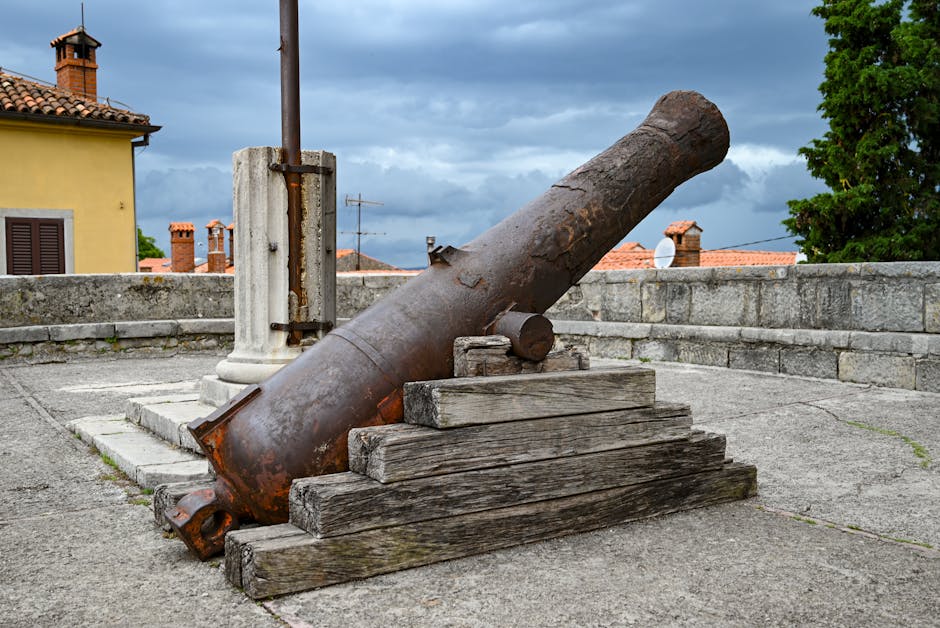
Explore Brasov's medieval fortress walls and guild-defended bastions on this atmospheric self-guided audio walk through the historic Old Town.
 Challenging
Brasov, Romania
Experience Brasov from above. A high-altitude self-guided walk through medieval towers, mountain trails, and the city's most iconic panoramic points.
 Easy
EasyBrasov, Romania
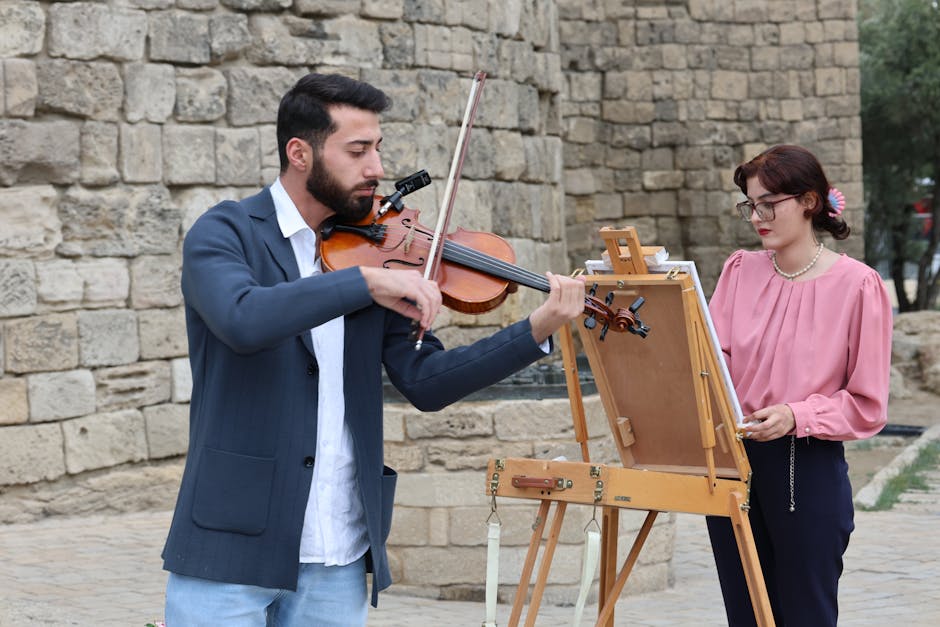
Discover the artistic soul of Brașov on this self-guided walk through historic theaters, art galleries, and legendary concert halls.
 Easy
EasyBrasov, Romania
Explore Brasov’s vibrant craft beer and wine scene on this self-guided stroll through the medieval Old Town and beyond.
 Easy
EasyKrakow, Poland
Explore the historic heart of Kazimierz on this self-guided walk through synagogues, ancient cemeteries, and vibrant squares.
 Easy
EasyGothenburg, Sweden
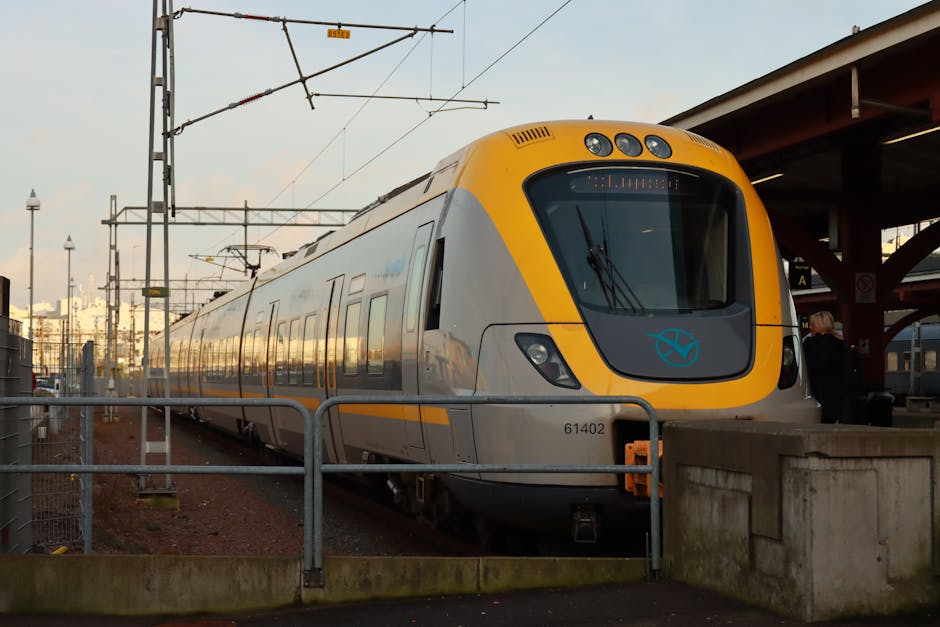
Discover Gothenburg’s 17th-century Dutch foundations, historic canals, and military fortifications on this self-guided architectural walk.
 Easy
EasyNairobi, Kenya
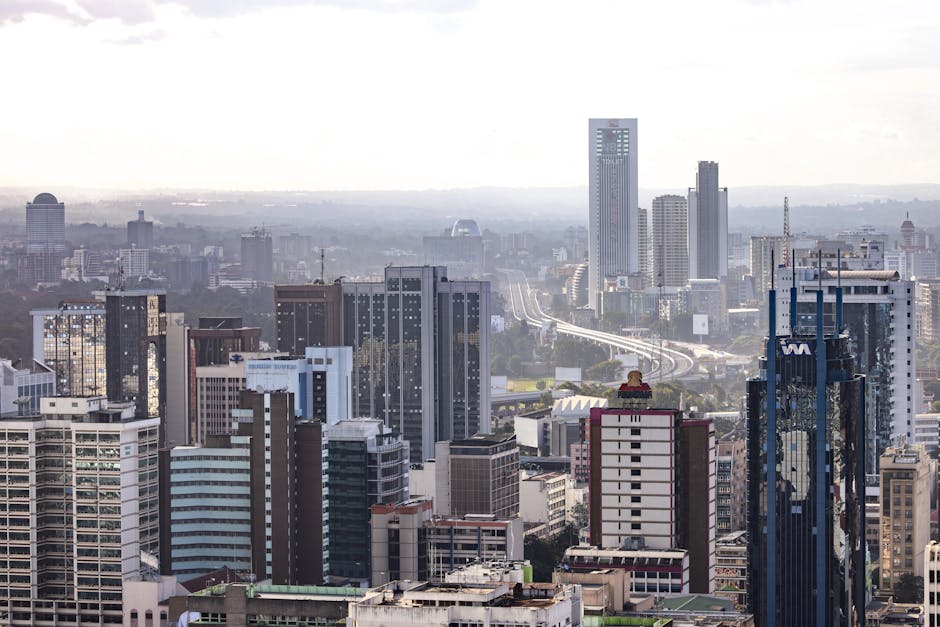
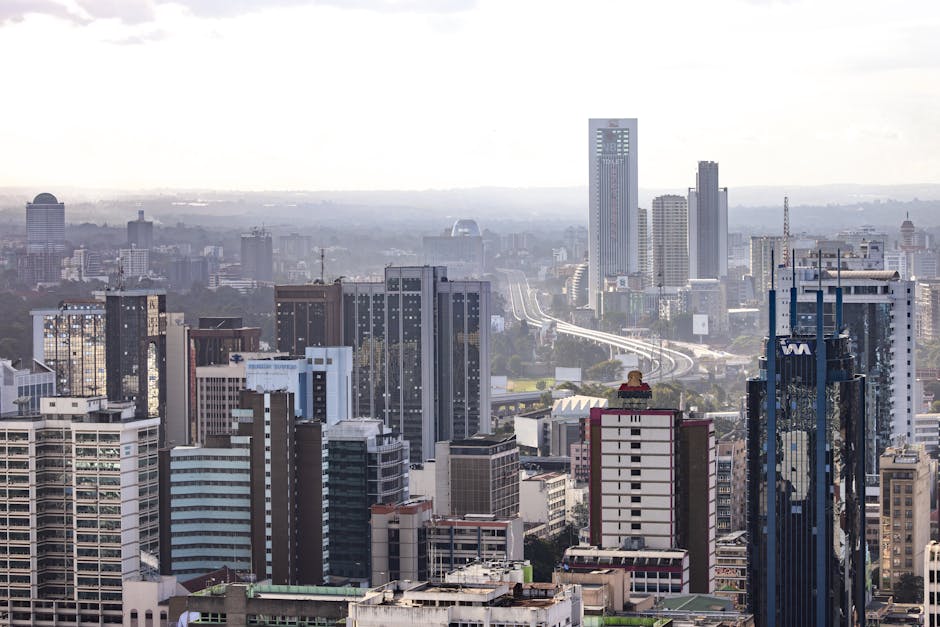
Explore Nairobi's architectural evolution from colonial-era landmarks to iconic Brutalist skyscrapers on this historic self-guided walking route.
 Easy
EasyNairobi, Kenya
Discover Nairobi's iconic skyline on this self-guided architecture walk through the CBD’s most famous modernist and Brutalist landmarks.
 Moderate
Bucharest, Romania
Explore Bucharest’s 'Little Paris' on this self-guided walk through grand parks, royal monuments, and the world-renowned National Village Museum.
 Moderate
Bucharest, Romania
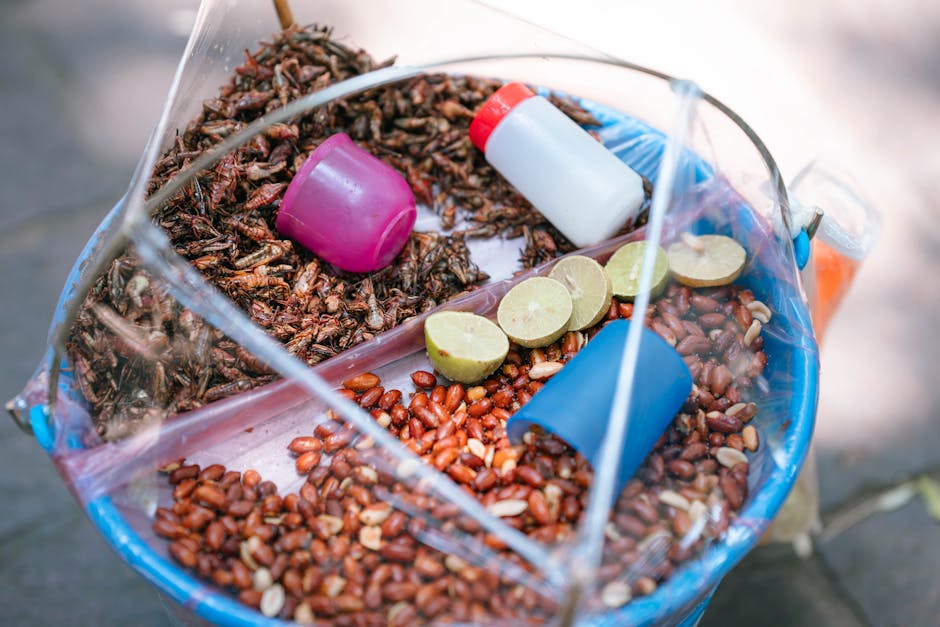
Discover Bucharest’s soul through its flavors, from legendary market 'mici' to historic Old Town gems on this self-guided foodie adventure.
 Easy
EasyBucharest, Romania
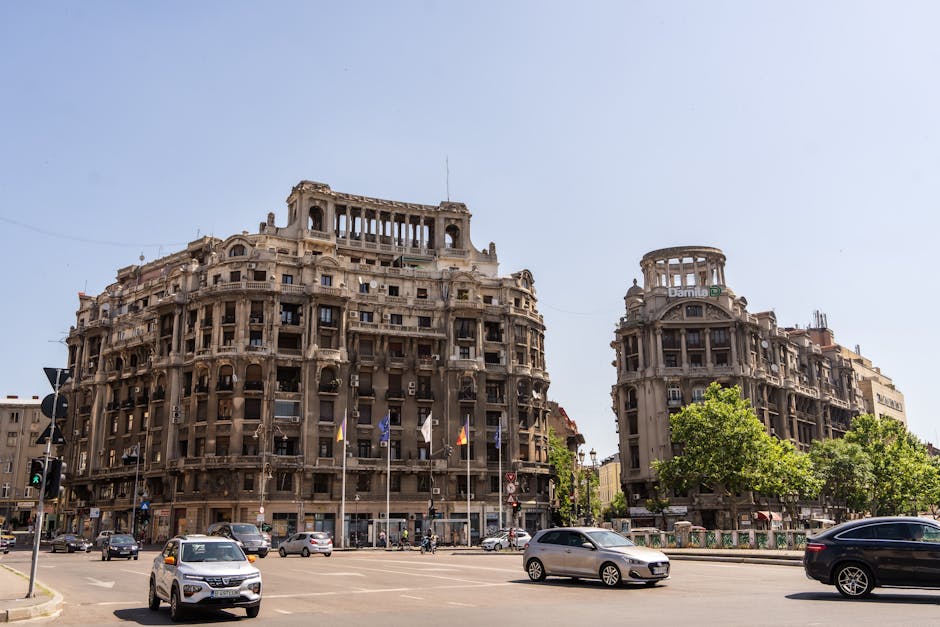
Discover the elegance of Cotroceni, a neighborhood of royal palaces, lush botanical gardens, and stunning interwar villas on this self-guided walk.
 Easy
EasyBucharest, Romania
Discover Bucharest's hidden Armenian Quarter on this self-guided walk through merchant history, elegant villas, and the city's oldest private home.