Self-guided audio tour in Sibiu
Start Free on iPhone
Start free on iPhone to unlock this self-guided walking tour in Sibiu. Hear all the stories that make it amazing, walk at your own pace, and begin whenever you want.
Your Private Tour Guide
Step into the medieval heart of Transylvania with a self-guided walk through Sibiu, a city where the architecture literally watches you. Known for its 'eyes'—the iconic almond-shaped attic windows that peer down from terracotta roofs—Sibiu is a place where history and folklore intertwine. This walking route Sibiu invites you to explore the Upper and Lower Towns, uncovering the secrets of a citadel that was once the wealthiest and most powerful of the seven walled citadels built by German settlers in the 12th century. From the haunting legends of the Bridge of Lies to the defensive might of the guild towers, you will discover why this city remains a crown jewel of Romanian heritage. This walking tour Sibiu explores the deep-rooted myths that define the local culture, such as the belief that the city’s most famous bridge can sense a lie. You will wander through the Large Square, stand beneath the towering Council Tower, and trace the ancient fortifications along the Carpenters' Tower. Beyond the medieval core, this route also touches upon the city's scientific and artistic contributions, from early pharmacy to contemporary art. Whether you are marvelling at the Gothic spire of the 'Saint Mary' Evangelical Cathedral or exploring the vast collections of the Brukenthal Palace, you are engaging with a living museum. This self-guided adventure offers the flexibility to linger at a sidewalk café or dive deep into the history of the Saxon guilds at your own pace. Discover the hidden gems of the Old Town and see for yourself why Sibiu’s myths and legends continue to captivate travelers from around the world.
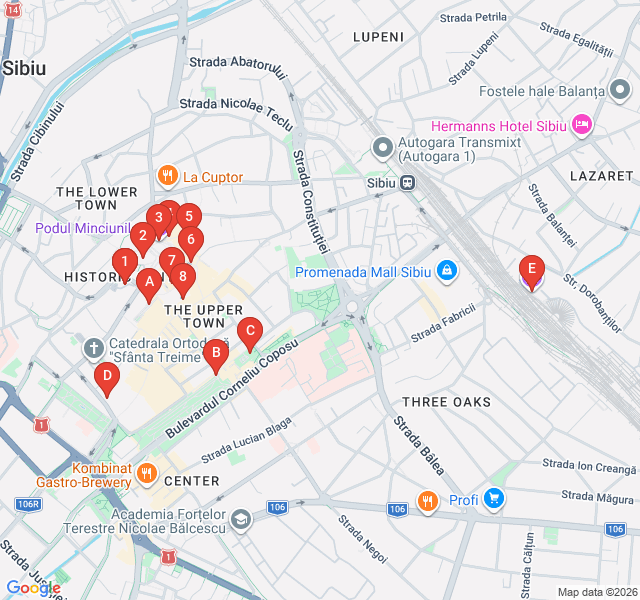
Numbers indicate the order of stops on the tour.
Begin your self-guided adventure at the Altemberger House, one of the most important monuments of Gothic civil architecture in Southeastern Europe. This complex of buildings, once the city's town hall for four centuries, now houses the Sibiu History Museum. As you look at the defensive tower and the elegant courtyard, imagine the city's medieval administrators debating trade laws here. The architecture reflects the transition from a fortified residence to a public administrative center, showcasing the wealth and influence of the Saxon community in the 15th and 16th centuries.
This massive Gothic structure dominates the skyline of the Upper Town. Completed in the early 16th century, its seven-level tower served as a warning to enemies that the city had the right to sentence criminals to death. Inside, you’ll find the tomb of Mihnea the Bad, the son of Vlad the Impaler, who was murdered right outside the church doors. The cathedral's interior is a treasure trove of religious art, including a spectacular 15th-century fresco of the Crucifixion and one of the largest organs in Southeastern Europe.
You are now standing on the most legendary spot in Sibiu. Built in 1859 to replace a wooden structure, this was the first cast-iron bridge in Romania. Local lore claims the bridge has 'ears' and a mind of its own; it is said that if you tell a lie while crossing, the bridge will begin to creak and groan, eventually collapsing under the weight of the untruth. It was a popular spot for merchants to strike deals and for lovers to make promises—though many were likely wary of the bridge's legendary honesty.
Located in the Small Square, this building dates back to the 14th century and originally belonged to the Butchers' Guild. Its distinctive arcades were once open stalls where meat was sold. Over the centuries, it evolved into a venue for theater performances and eventually an art gallery. It stands as a testament to the guild system that powered Sibiu's economy for centuries. Notice how the architecture blends utility with aesthetic grace, a hallmark of the city's merchant heritage.
This building housed one of the city's oldest pharmacies, 'The Black Bear,' dating back to 1600. Sibiu has a long history of medical innovation; it was here that the first hospital in Romania was founded. Inside, the museum displays over 6,000 items, including ancient mortars, pestles, and medical kits. It also highlights the work of Samuel Hahnemann, the founder of homeopathy, who lived in Sibiu and served as the personal physician to Baron Brukenthal.
The Council Tower is the symbolic gateway between the Large Square and the Small Square. Built in the 13th century, it has served as a gatehouse, a grain store, a fire watchtower, and even a prison. If you choose to climb its narrow stairs, you’ll be rewarded with a 360-degree view of Sibiu’s red roofs and the distant Făgăraș Mountains. The tower has been rebuilt several times, but it remains the most iconic landmark of the city's medieval defensive system.
In sharp contrast to the Gothic surrounding, this Jesuit church is a masterpiece of Viennese Baroque. Built in the early 18th century after the Austrian conquest of Transylvania, its interior is lavishly decorated with frescoes and gold leaf. The church represents a pivotal moment in Sibiu’s history when the Counter-Reformation brought new religious and architectural styles to the predominantly Protestant Saxon city. Look for the statue of St. John Nepomuk in the courtyard, a protector against floods and slanders.
The Large Square (Piața Mare) has been the center of public life since 1411. This is where festivals, executions, and markets have taken place for over 600 years. As you stand in the center, look up at the rooftops. You’ll see the famous 'Eyes of Sibiu'—ventilation slats designed to let air into the attics, which look remarkably like heavy-lidded eyes. This architectural quirk gave rise to the chilling local saying that 'the city never sleeps' and 'the walls have eyes.'
The Brukenthal National Museum is the oldest museum in Romania and one of the first in Europe, opening its doors to the public in 1817. It houses the extensive collection of Baron Samuel von Brukenthal, the Habsburg governor of Transylvania. The collection includes masterpieces by Flemish, Dutch, and Italian masters. Even if you don't go inside, the courtyard offers a quiet escape and a glimpse into the refined lifestyle of the 18th-century Enlightenment era in Transylvania.
This palace is the most significant Baroque building in Sibiu, constructed between 1777 and 1787. It served as the official residence for the Baron and was designed to impress. The facade features the Brukenthal family crest and intricate stone carvings. The palace was not just a home but a cultural hub, housing a library of over 15,000 volumes and a gallery that rivaled those in Vienna. It represents the peak of Sibiu's integration into the Austro-Hungarian cultural sphere.
Walking along Cetății Street, you are tracing the third line of the city's fortifications. The Carpenters' Tower is one of the best-preserved defensive structures. It was the duty of the city's guilds to maintain and defend specific sections of the wall; the Carpenters' Guild was responsible for this circular tower. The wooden gallery at the top allowed defenders to pour boiling oil or stones on attackers. It’s a vivid reminder of the constant threats the medieval city faced.
Located near the city walls, this museum reflects the 19th-century passion for scientific discovery. Founded by the Transylvanian Society for Natural Sciences, it contains over a million specimens. The building itself is a beautiful example of neoclassical architecture. This stop highlights that Sibiu was not just a city of trade and war, but also a center for intellectual pursuit and the study of the diverse flora and fauna of the Carpathian region.
Tucked away in a historic building that once served as a warehouse, this museum offers a stark contrast to the medieval history you've explored. It showcases the vibrant, evolving world of Romanian modern art. This space proves that Sibiu is not frozen in the past but continues to be a fertile ground for new ideas and creative expression. It’s a great place to see how contemporary artists interpret the complex history and identity of Transylvania.
A short walk from the center takes you to a unique outdoor museum located near the railway station. Here, you'll find a collection of over 20 steam locomotives and cranes, some dating back to the late 19th century. These iron giants represent the industrial revolution that transformed Sibiu from a medieval citadel into a modern European hub. It’s a quiet, atmospheric spot that feels worlds away from the busy squares of the Old Town.
To conclude your journey, head to the outskirts of the city to the Dumbrava Sibiului Forest. The Astra Museum is one of the largest open-air ethnographic museums in the world. Spread across 96 hectares, it features over 300 traditional houses, windmills, and workshops brought here from all over Romania. It is a living tribute to the peasant culture that coexisted with the urban Saxon world, offering a complete picture of the Romanian soul and its connection to the land.
Start Free on iPhone
Explore “Myths and Legends of the Bridge of Lies” with your very own Private Tour Guide with Zigway. Start free on iPhone, skip the large group and the fixed routes, and hear the city come alive as you go.
Your Private Tour Guide
Don't miss the good stuff
Explore Freely
 Moderate
Sibiu, Romania
Explore Sibiu's vibrant urban side on this self-guided walk featuring massive murals, contemporary galleries, and the city's modern cultural hubs.
 Easy
EasySibiu, Romania
Explore the elegant neoclassical architecture and lush green spaces of Sibiu’s historic Astra District on this self-guided neighborhood stroll.
 Moderate
Sibiu, Romania
Explore the medieval walls and guild towers of Sibiu's Saxon Citadel on this historic self-guided walking route through the Old Town.
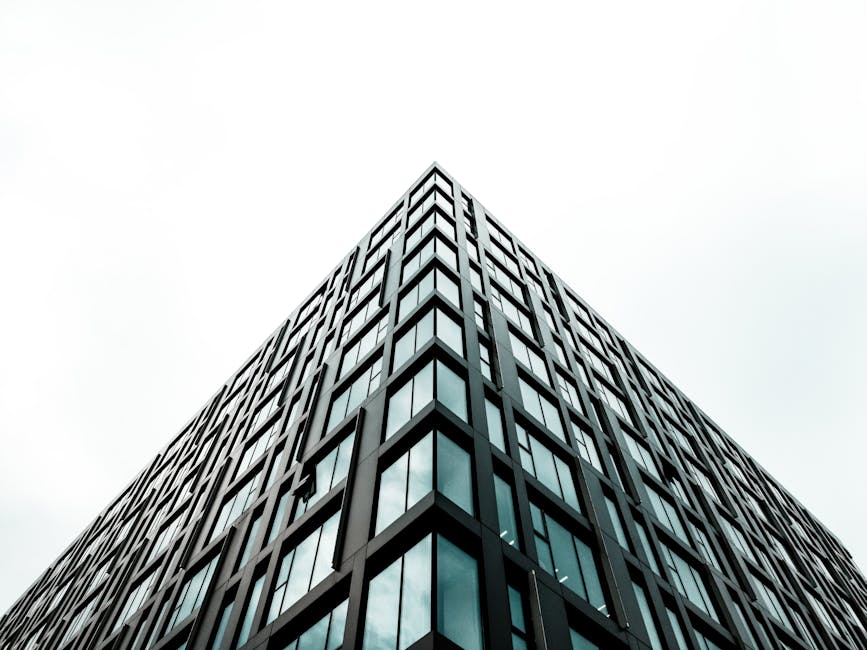 Easy
EasySibiu, Romania
Discover Sibiu’s famous 'watching' houses and medieval squares on this self-guided architectural photography walk through the Upper Town.
 Easy
EasyNairobi, Kenya
Discover Nairobi's iconic skyline on this self-guided architecture walk through the CBD’s most famous modernist and Brutalist landmarks.
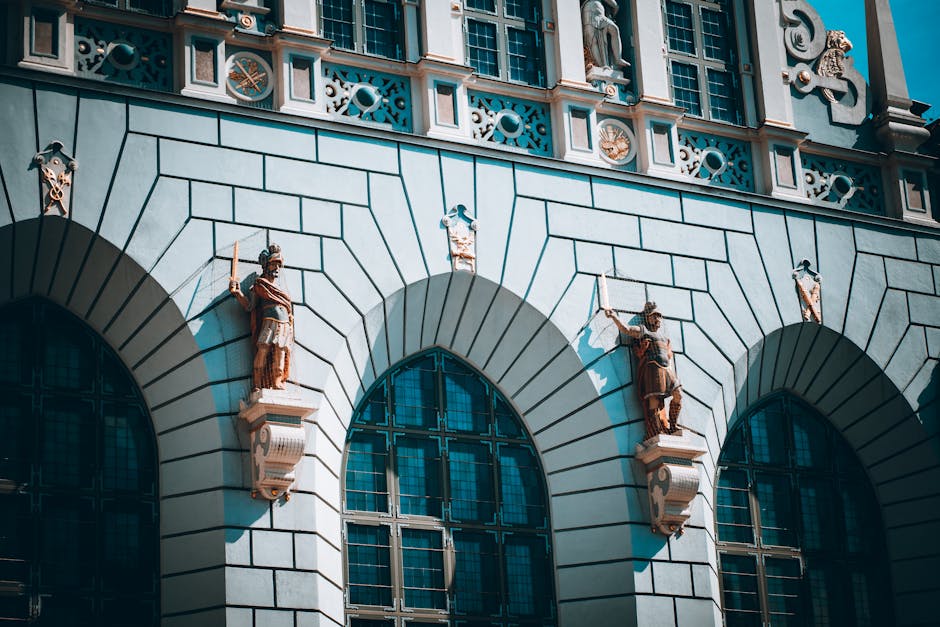 Easy
EasyGdansk, Poland
Discover the opulent Royal Way of Gdansk at your own pace. Explore Hanseatic history, gilded architecture, and the iconic Neptune's Fountain.
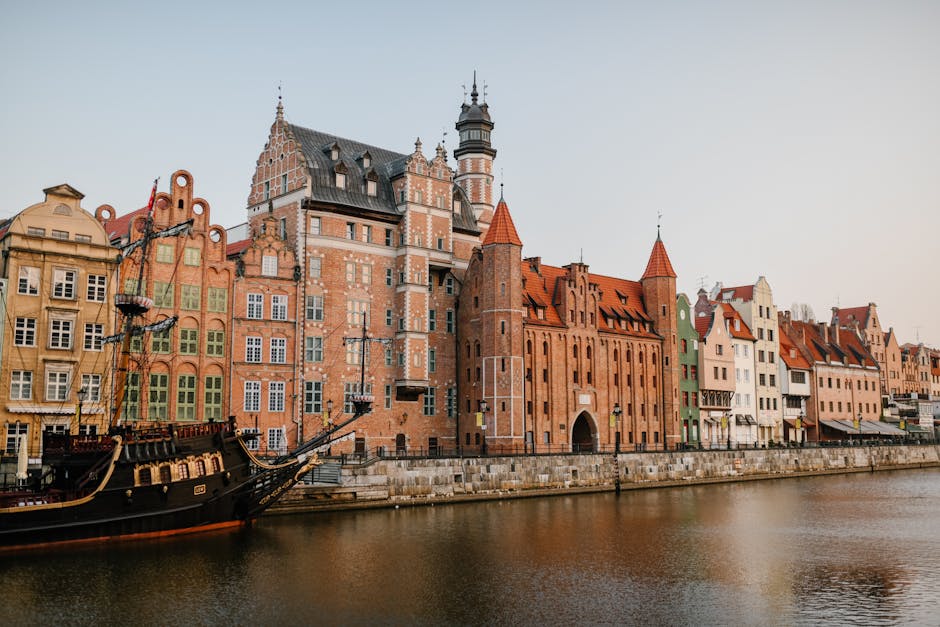 Easy
EasyGdansk, Poland
Discover the 'Baltic Gold' on this self-guided walk through Gdansk's historic mills, massive cathedrals, and the magical Mariacka Street.
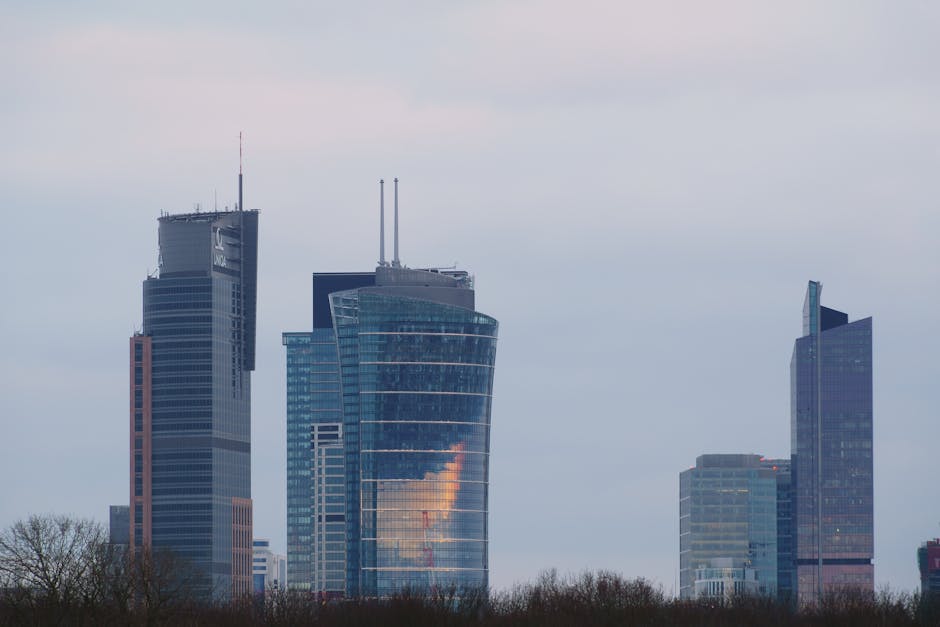 Easy
EasyWarsaw, Poland
Discover the hidden courtyards and grand pre-war architecture of Warsaw's most atmospheric neighborhood on this self-guided stroll.
 Moderate
Bucharest, Romania
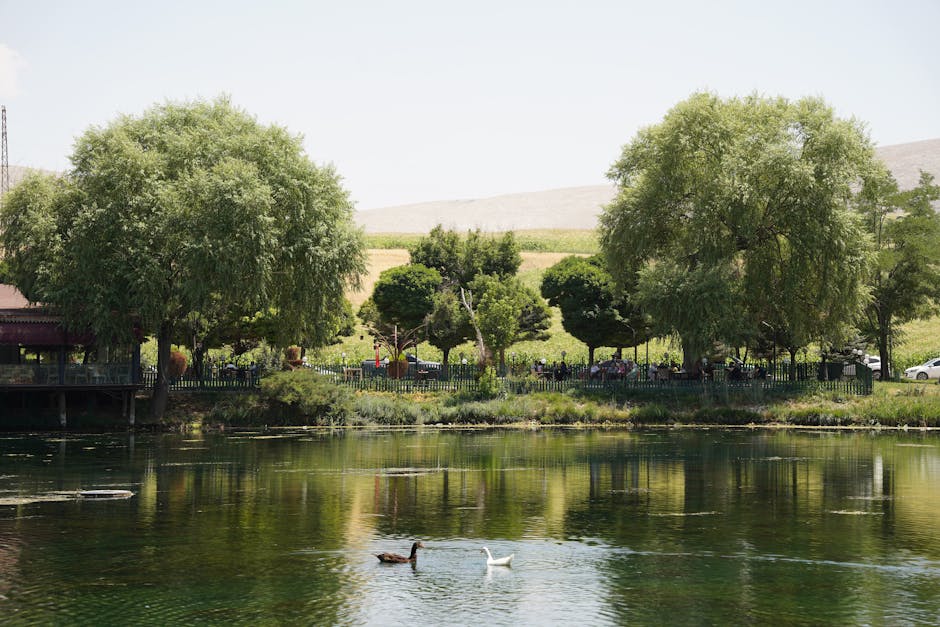
Explore Bucharest’s 'Little Paris' on this self-guided walk through grand parks, royal monuments, and the world-renowned National Village Museum.
 Moderate
Bucharest, Romania
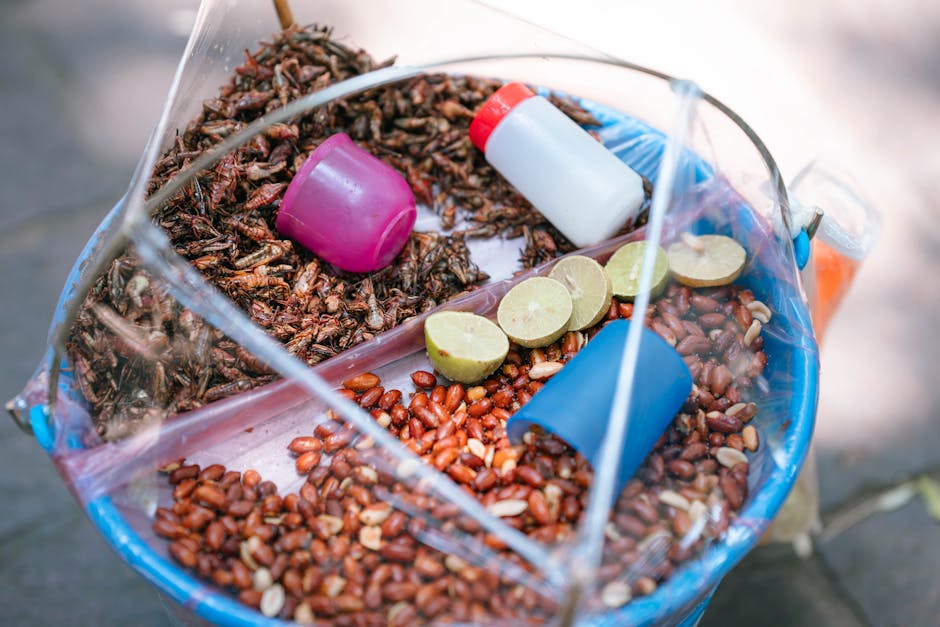
Discover Bucharest’s soul through its flavors, from legendary market 'mici' to historic Old Town gems on this self-guided foodie adventure.
 Easy
EasyBucharest, Romania
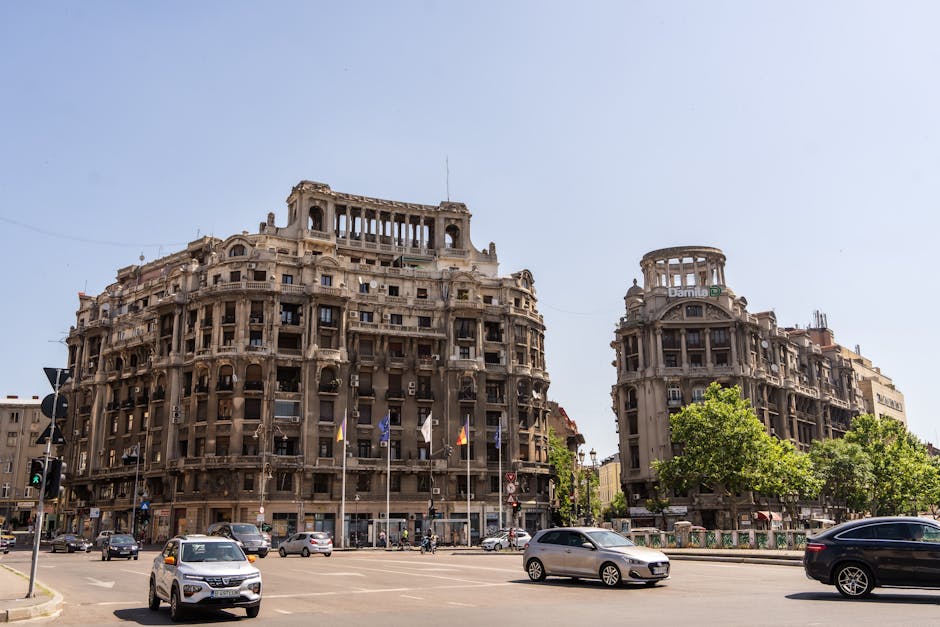
Discover the elegance of Cotroceni, a neighborhood of royal palaces, lush botanical gardens, and stunning interwar villas on this self-guided walk.
 Easy
EasyBucharest, Romania
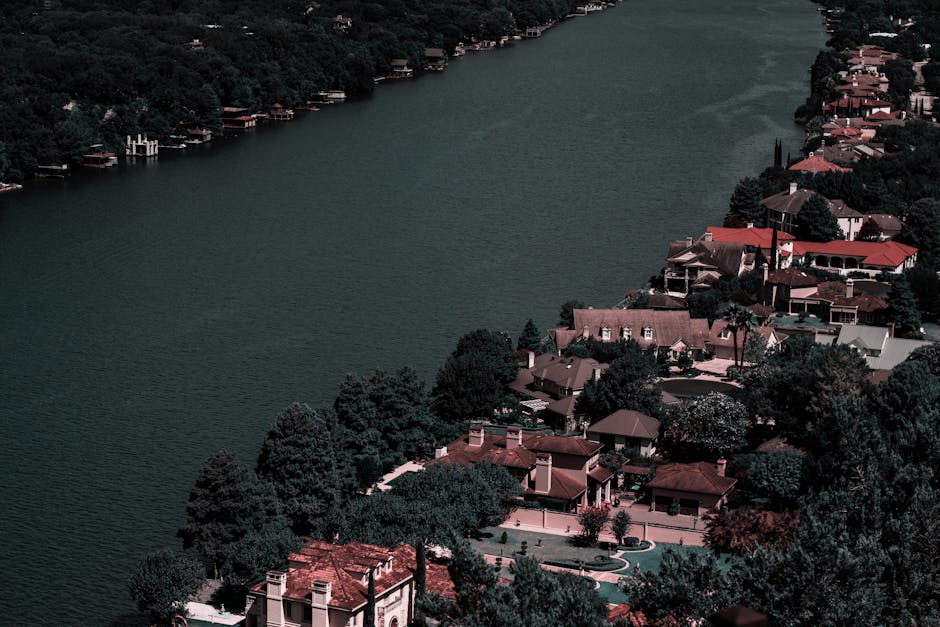
Discover Bucharest's hidden Armenian Quarter on this self-guided walk through merchant history, elegant villas, and the city's oldest private home.