Self-guided audio tour in Ljubljana
Start Free on iPhone
Start free on iPhone to unlock this self-guided walking tour in Ljubljana. Hear all the stories that make it amazing, walk at your own pace, and begin whenever you want.
Your Private Tour Guide
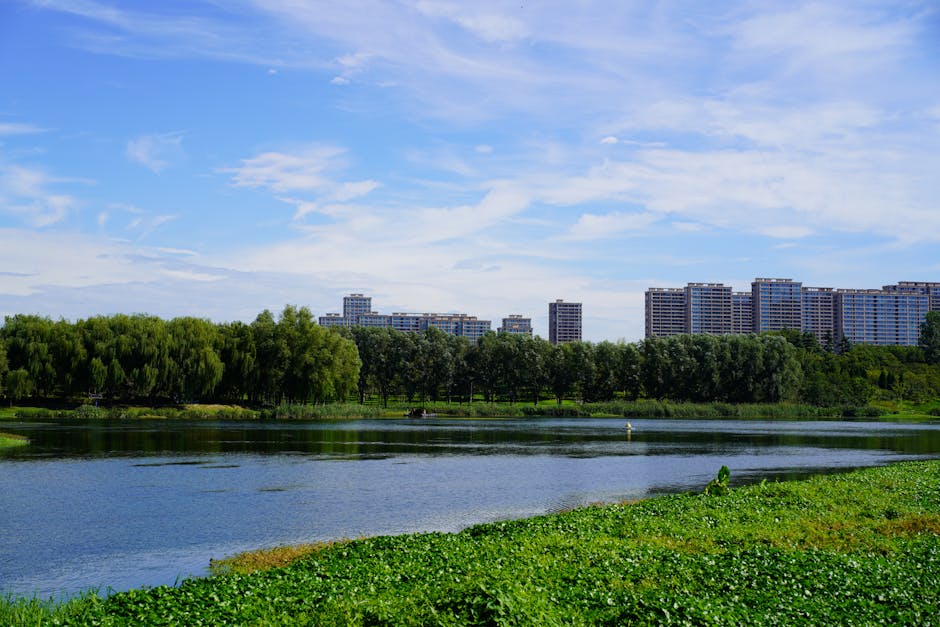
Escape the urban bustle and immerse yourself in the emerald heart of Slovenia’s capital with this self-guided walk through Tivoli Park and beyond. Known as the 'city’s green lung,' Tivoli is more than just a park; it is a sprawling canvas of landscape architecture, historical mansions, and cultural landmarks. This walking route invites you to discover how nature and art intertwine in Ljubljana, starting from the grand monumental squares and transitioning into the lush, wooded slopes of Rožnik Hill. Along the way, you will encounter the visionary work of Jože Plečnik, the architect who transformed Ljubljana into a modern masterpiece. His influence is felt at the Jakopič Promenade, a grand outdoor gallery that serves as the park's spine, leading your gaze toward the elegant Tivoli Mansion. As you explore independently, the path takes you past serene ponds and hidden mansions, each holding a piece of the city's history. You will see how the locals live, from the students gathered at the National and University Library to the families enjoying the Ljubljana Zoo. The journey extends beyond the park boundaries to the tranquil banks of the Ljubljanica River at Špica and the ancient Botanic Gardens, offering a comprehensive look at the city's commitment to green spaces. This neighborhood stroll is designed for those who appreciate the quiet beauty of a botanical collection or the simple joy of a riverside path. Whether you are a photography enthusiast looking for the perfect light on the Cekin Mansion or a solo traveler seeking a peaceful retreat, this walking tour Ljubljana provides the perfect framework. You can set your own pace, stopping for a coffee by the pond or a long look at the contemporary art installations. By the time you reach the final stops along the Sava River, you will understand why Ljubljana is consistently ranked as one of Europe’s most liveable and sustainable cities. This is not just a walk; it is an invitation to breathe deeply and see the city through its most natural lens.
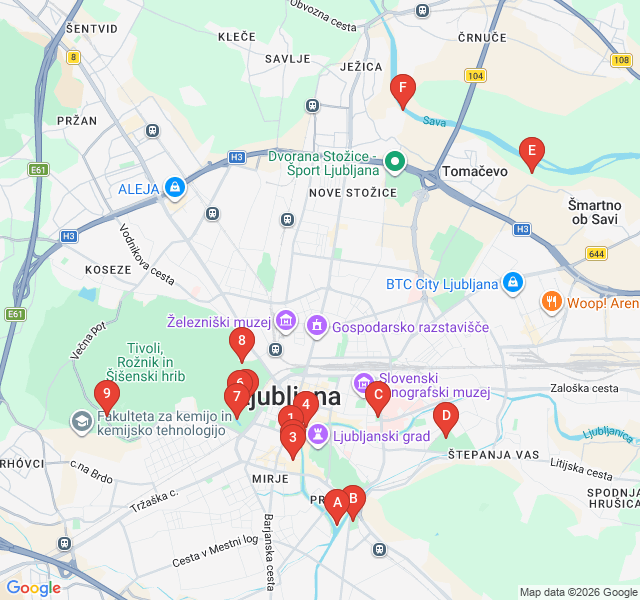
Numbers indicate the order of stops on the tour.
Start exploring with Zigway at Congress Square, one of the most significant public spaces in Ljubljana. Rebuilt for the Congress of the Holy Alliance in 1821, this square is surrounded by architectural gems like the University of Ljubljana and the Ursuline Church. It serves as a grand entrance to the city's green spaces, offering a wide-open view that connects the medieval castle on the hill with the modern city. Take a moment to appreciate the symmetry and the historical weight of the ground beneath you, which has hosted everything from political rallies to classical concerts.
As you continue your walking route, you pass the Antiq Palace, housed in a former aristocratic residence. This building is a prime example of how Ljubljana preserves its heritage by repurposing grand 16th-century structures. The quiet elegance of this area marks the transition from the bustling commercial center to the more intellectual and administrative heart of the city. Notice the stone carvings and the heavy wooden doors that hint at the private courtyards hidden behind these facades, a common feature of the city's historical architecture.
You are now standing before what many consider Jože Plečnik's greatest masterpiece. Built between 1936 and 1941, the National and University Library is a fortress of knowledge. Look up at the facade; the combination of brick and uneven stone blocks is meant to resemble an ancient Roman wall, while the window handles are shaped like little horses, representing Pegasus. The building's design was deeply symbolic for Plečnik, representing the hard climb toward wisdom. It remains a vibrant hub for the city's large student population.
In the heart of Prešeren Square stands the monument to Slovenia's greatest poet, France Prešeren. This is the city's primary meeting point. The bronze statue, unveiled in 1905, shows the poet facing the window of his unrequited love, Julija Primic, whose figure is carved into a building across the square. Above the poet is a muse holding a laurel branch. This spot captures the romantic and literary spirit of the city, serving as the gateway to the Triple Bridge and the pedestrian-only old town.
Entering Tivoli Park, you step onto the Jakopič Promenade. This grand walkway was designed by Jože Plečnik to create a visual axis from the city center directly to Tivoli Mansion. The promenade is famous for its year-round outdoor photography exhibitions, displayed on large frames along the path. It is a place where nature meets culture, allowing you to enjoy world-class art while walking under a canopy of ancient trees. The wide, gravel path is a favorite for locals taking their daily stroll.
At the end of the promenade sits the neoclassical Tivoli Mansion. Originally built in the 17th century by the Jesuits and later owned by Field Marshal Radetzky, it now houses the International Centre of Graphic Arts. Guarding the front of the mansion are four cast-iron dogs, created by the sculptor Anton Dominik Fernkorn. Local legend says the artist forgot to give the dogs tongues and was so distraught he committed suicide, though historical records prove he lived long after. The view back toward the city from here is spectacular.
Just a short walk from the mansion, you will find the Tivoli Pond. This small, man-made lake was created in 1880 and has been a place of recreation for generations. Depending on the season, you might see lily pads covering the surface or locals feeding the ducks. Beside the pond is a popular boathouse that now serves as a cafe. It is the perfect spot to pause your self-guided adventure and enjoy the reflection of the surrounding trees in the still water.
On the northern edge of the park stands Cekin Mansion, a beautiful example of Late Baroque architecture built in 1720. Today, it houses the National Museum of Contemporary History. The mansion's elegant yellow facade and symmetrical design stand in contrast to the wilder, wooded areas of the park nearby. The museum inside chronicles the history of Slovenia in the 20th century, but even from the outside, the building tells a story of the country's aristocratic past and its transition into a modern republic.
Tucked into the southern slope of Rožnik Hill, the Ljubljana Zoo is integrated directly into the natural forest landscape. Unlike many urban zoos, this one emphasizes the connection between animals and their natural habitats. It is a relatively small and manageable site, making it a favorite for families. The walk around this area feels more like a hike through the woods than a trip to an attraction, offering a sense of the diverse wildlife that calls Slovenia home.
Moving toward the river, you reach Park Špica. The name 'Špica' means 'pointed tip,' referring to the land's shape where the Gruber Canal splits from the Ljubljanica River. Once a popular town beach, it has been renovated into a beautiful landscaped park with wooden embankments. It is a prime spot for sunbathing in the summer or watching the river flow by. This area represents the city's successful efforts to reclaim its riverfront for public use and relaxation.
Just across the bridge from Špica is the University Botanic Garden, established in 1810 during the Napoleonic era. It is the oldest cultural, scientific, and educational institution in Slovenia that has operated without interruption. Home to over 4,500 species, including many rare and endemic plants, it is a quiet sanctuary of biodiversity. The tropical glasshouse is a highlight, offering a warm escape even on chilly days. It is a testament to the city's long-standing devotion to botanical science.
As you loop back toward the eastern side of the center, you encounter Hrvatski trg, or Croatian Square. This is a quieter, residential square that offers a glimpse into the everyday urban planning of Ljubljana. It is often overlooked by visitors, but it provides a peaceful atmosphere and a sense of the city's neighborhood character. The square is named in honor of the historical ties between the two neighboring nations and serves as a green pocket in a more built-up part of town.
This park is named after Anton Codelli, a fascinating Slovenian inventor and nobleman who owned the nearby Kodeljevo Castle. Codelli was a pioneer in television and cinematography and was the first person to drive a car to Ljubljana in 1898. The park and the surrounding estate offer a blend of historical prestige and community space, featuring sports facilities and shaded paths. It is another example of how the city’s history is woven into its public green spaces.
Venturing further out, you find the Oradela Animal Farm. This small, educational farm provides a rural experience within the city limits. It is a place where children can learn about farm animals and sustainable living. This stop highlights the 'Green Capital' spirit of Ljubljana, showing that agriculture and urban life can coexist. It is a charming, off-the-beaten-path destination that offers a different perspective on the city's relationship with the land.
Your journey concludes at RIC Sava, a recreational and educational center on the banks of the Sava River. This area was transformed from a former gravel pit into a lush park for cycling, walking, and horseback riding. It is the ultimate expression of Ljubljana’s green lung, connecting the urban core to the wilder river landscape. Take a moment to sit by the water and reflect on the incredible variety of green spaces you have explored today, from Baroque mansions to riverbank retreats.
Start Free on iPhone
Explore “Tivoli Park: The City’s Green Lung” with your very own Private Tour Guide with Zigway. Start free on iPhone, skip the large group and the fixed routes, and hear the city come alive as you go.
Your Private Tour Guide
Don't miss the good stuff
Explore Freely
 Easy
EasyLjubljana, Slovenia
Explore the vibrant street art and counter-culture of Metelkova Mesto on this self-guided walk through Ljubljana's alternative art district.
 Moderate
Ljubljana, Slovenia
Discover the mythical heart of Ljubljana on this self-guided walk featuring dragon legends, Baroque fountains, and medieval castle heights.
 Moderate
Ljubljana, Slovenia
Explore the green heart of Ljubljana on this self-guided walk featuring panoramic views, medieval stairs, and hidden forest paths.
 Easy
EasyLjubljana, Slovenia
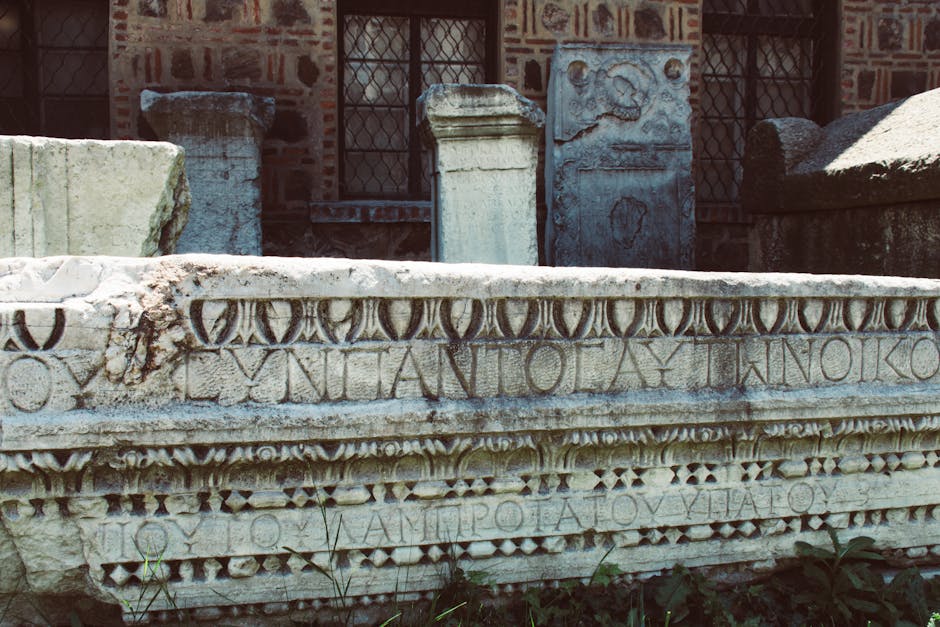
Step back 2,000 years to explore the ruins of Emona, from ancient forums and mosaics to the grand Roman Wall reimagined by Jože Plečnik.
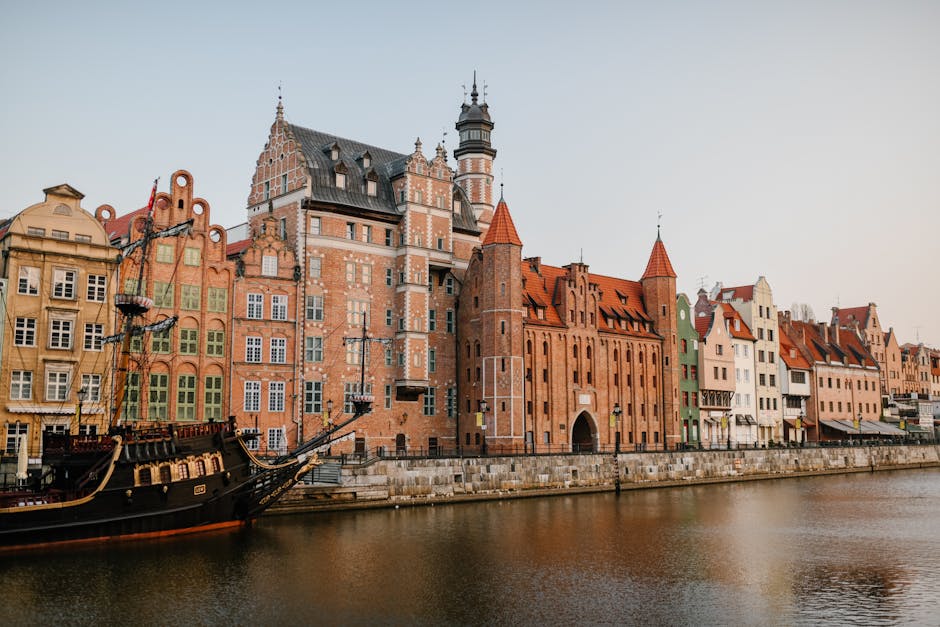 Easy
EasyGdansk, Poland
Discover the monastic heritage, world-famous organs, and lush botanical gardens of Oliwa on this peaceful self-guided neighborhood stroll.
 Moderate
Gothenburg, Sweden
Explore Gothenburg’s lush "Green Lung" on this self-guided walk through the Botanical Garden, Slottsskogen park, and rugged Änggård Mountains.
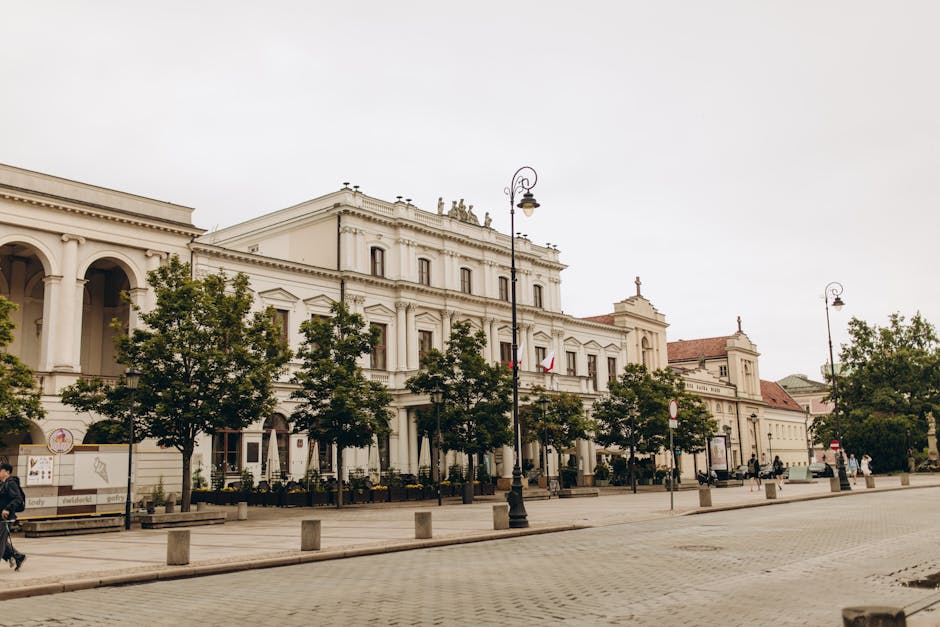 Easy
EasyWarsaw, Poland
Discover Warsaw's intellectual heart through historic campuses, peaceful parks, and the stunning rooftop gardens of the University Library.
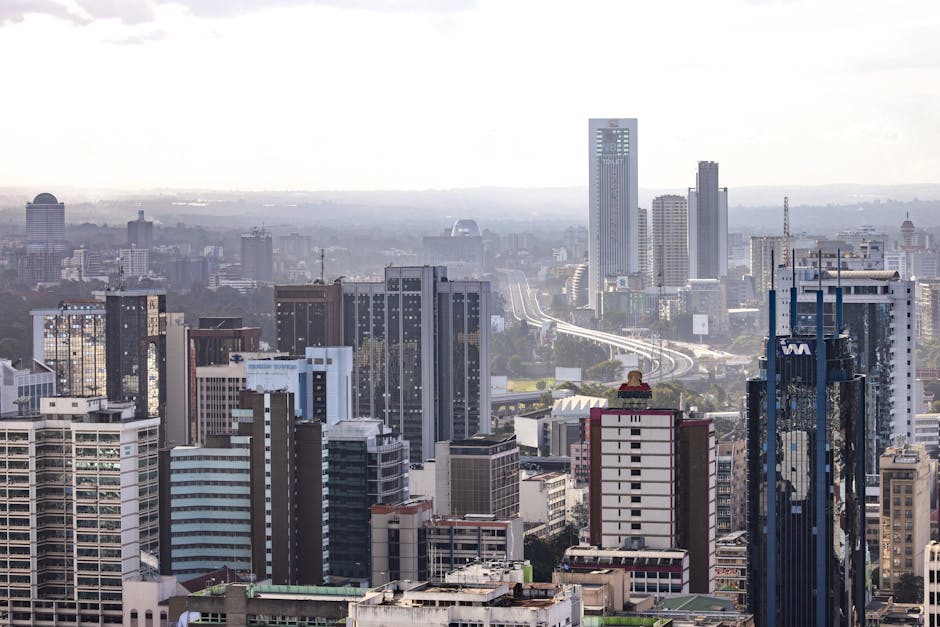 Moderate
Nairobi, Kenya
Discover Nairobi's lush side on this self-guided walk through botanical gardens, historic memorials, and vibrant local markets.