Self-guided audio tour in Bratislava
Start Free on iPhone
Start free on iPhone to unlock this self-guided walking tour in Bratislava. Hear all the stories that make it amazing, walk at your own pace, and begin whenever you want.
Your Private Tour Guide
Step into the shadows of history with a self-guided walk through the winding medieval streets of Bratislava’s Old Town. This walking route invites you to peel back the layers of the Slovak capital, where centuries-old stone walls whisper tales of royal coronations, quirky local characters, and the darker legends that haunt the city’s past. As you explore independently, you will witness the unique blend of Gothic, Baroque, and Renaissance architecture that defines the historic core, all while discovering the hidden gems that often go unnoticed by the casual traveler. This neighborhood stroll is more than just a history lesson; it is an immersion into the atmosphere of a city that has stood at the crossroads of empires. Your journey begins near the banks of the Danube, moving from the grand Natural History Museum toward the heart of the Old Town. Along the way, you will encounter Bratislava’s famous bronze inhabitants, such as the whimsical Čumil and the elegant Schöner Náci, before standing in the shadow of the Old Town Hall. The route then leads you through the ecclesiastical history of the Franciscan Church and the imposing Michael’s Gate, the last remaining gateway of the city's medieval fortifications. For those intrigued by the macabre, the path passes the Executioner’s House, offering a glimpse into the city's medieval justice system. The experience concludes with a climb toward the iconic Bratislava Castle, providing panoramic views that stretch across the river and into neighboring countries. Choosing a self-guided walking tour Bratislava style means you are in total control. You can pause for a coffee in a hidden courtyard or spend extra time photographing the intricate details of the Mirbach Palace without following a rigid schedule. Whether you are a fan of medieval lore or simply looking to see the city’s highlights at your own pace, this audio walk provides the perfect narrative companion. Discover the legends and ghosts of Bratislava on your own terms, letting the city’s stones tell their own stories.
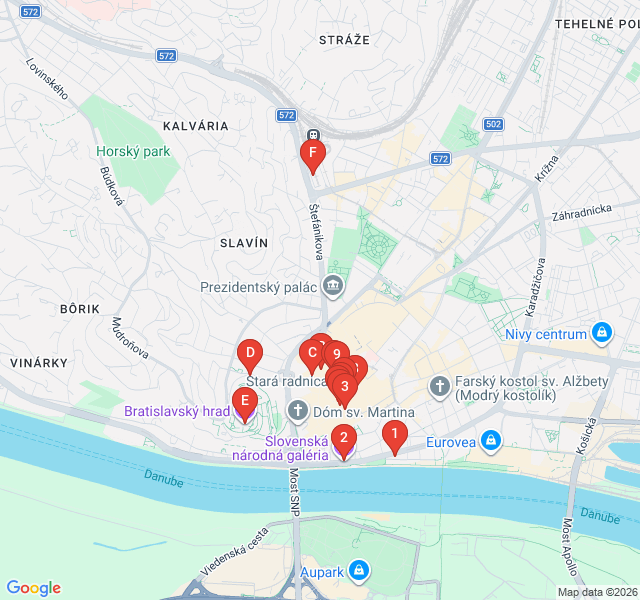
Numbers indicate the order of stops on the tour.
Start exploring with Zigway at the Slovak National Museum’s Natural History branch. This impressive building stands as a guardian near the Danube, housing millions of specimens that tell the story of the Earth's evolution. While the museum inside is a treasure trove of biodiversity and minerals, the building itself is a landmark of Bratislava’s riverfront architecture. In the context of our medieval theme, consider this the threshold between the modern river and the ancient city. The museum sits on land that has seen the Danube rise and fall for millennia, serving as the gateway to the historic streets where legends were born. Take a moment to appreciate the grand facade before we head deeper into the city's artistic heart.
A short stroll brings us to the Slovak National Gallery, a fascinating blend of historic and modern architecture. The complex includes the 18th-century Esterházy Palace and a controversial 1970s 'Bridge' extension. This gallery is the primary repository for Slovak visual arts, from Gothic altarpieces to contemporary installations. As we explore the 'Legends and Ghosts' of the city, the gallery serves as a reminder of how history is interpreted through art. Many of the medieval legends we will discuss today were captured by artists whose work is preserved within these walls. The gallery bridges the gap between the tangible past and the creative present, much like the streets we are about to navigate.
Meet one of Bratislava’s most beloved, if unusual, residents: Čumil, the 'Man at Work.' This bronze statue, peeking out from a manhole, has become a symbol of the city’s quirky spirit since its installation in 1997. There are many theories about what Čumil is doing—is he resting after cleaning the sewer, or is he looking up the skirts of passing ladies? Some say he represents the typical communist-era worker who wasn't particularly bothered with hard labor. Regardless of his intent, local legend says that if you touch the top of his head and make a wish, it will come true—provided you keep it a secret forever. He's survived several collisions with cars, proving that some ghosts of the city are made of sturdy bronze.
Just a few steps away, you’ll find a much more elegant figure. This is Schöner Náci, the only statue in Bratislava modeled after a real 20th-century person. Ignác Lamár was a local character known for walking the streets in a top hat and tails, bowing to women and offering them flowers or songs. His life was tinged with sadness; after a heartbreak and the loss of his job, he chose to bring joy to others through his courtly manners. He is a 'ghost' of a more polite era, a reminder that the city's legends aren't all ancient knights—some are gentle souls who simply wanted to make the world a little brighter. Tip your hat to him as you pass.
In the center of the Main Square stands Maximilian’s Fountain, the oldest fountain in the city, commissioned in 1572. It was built to provide a reliable water supply after a fire during the coronation of King Maximilian II. The statue atop the fountain depicts the king as a knight in armor. Local legend tells of a mysterious transformation: every New Year’s Eve, at the stroke of midnight, the knight is said to turn around and bow toward the former Old Town Hall. However, only those born in Bratislava with a pure heart can witness this miracle. It serves as the centerpiece of the square, a silent witness to centuries of markets, executions, and celebrations.
Hlavné námestie is the beating heart of Bratislava’s Old Town. Throughout history, this square has been the site of the city's most significant events, from medieval markets to royal proclamations. Surrounded by colorful palaces and the Old Town Hall, the square feels like an outdoor museum. Look closely at the benches and corners; you might spot a bronze Napoleonic soldier leaning over a bench. This commemorates Napoleon's siege of the city in 1805 and 1809. The square is a place where layers of history collide—medieval foundations, Baroque facades, and modern-day cafe culture. It is the perfect spot to feel the pulse of the city before diving into its deeper mysteries.
The Old Town Hall is a complex of buildings dating back to the 14th century, making it one of the oldest stone structures in the city. It has served as a prison, a mint, and the seat of city government. Look up at the tower and you might see a cannonball embedded in the wall—a 'souvenir' left by Napoleon's troops. Inside the courtyard, the atmosphere shifts to one of quiet medieval dignity. Legends say that the building is haunted by the ghost of a dishonest notary who was cursed for tampering with land records. Today, it houses the City Museum, but its walls still hold the echoes of the judgments and decisions that shaped Bratislava for over 500 years.
This pale pink Neoclassical palace is one of the most beautiful buildings in Slovakia. Built in the late 18th century for the Archbishop, it gained international fame as the site where the Peace of Pressburg was signed in 1805 after Napoleon’s victory at Austerlitz. While its history is grand, it also holds a hidden treasure: a series of 17th-century English tapestries that were found hidden in the walls during a renovation in 1903. No one knows exactly why they were hidden, but they depict the tragic legend of Hero and Leander. The palace represents the height of Bratislava’s influence when it served as the capital of the Kingdom of Hungary.
The Franciscan Church is the oldest religious building in the Old Town, consecrated in 1297 in the presence of King Andrew III. It was a site of great royal importance; this was where knights of the Order of the Golden Spur were dubbed during coronation festivities. The Gothic architecture, though modified by earthquakes and fires over the centuries, still retains a somber, sacred atmosphere. The monastery next door has its own tales of monks and secrets, and the church's crypts are said to be the final resting place of many local noble families. It is a place of peace, standing in contrast to the bustling markets just a few streets away.
The Mirbach Palace is an exquisite example of Rococo architecture, with a facade so ornate it looks like it was carved from icing. Built in the 1770s, it now houses part of the Bratislava City Gallery. The palace is named after its last private owner, Count Emil Mirbach, who bequeathed it to the city on the condition it be used for art. There is a legend that the Count’s ghost still keeps an eye on the paintings at night. The interior features original wood-paneled rooms and intricate stucco work, reflecting the luxurious lifestyle of the 18th-century aristocracy who once called this neighborhood home.
Michael’s Gate is the only surviving gate of the city's medieval fortifications. Built in the 14th century and later topped with its iconic copper onion dome, it was the entrance through which kings entered for their coronations. Under the gate, you’ll find the 'Golden Circle' or 'Kilometer Zero,' showing the distances from Bratislava to other world capitals. There is a local superstition here: when walking under the gate, you must remain silent. Legend says that if you speak, you will die within a year and a day—or, for students, you will fail your exams. It is the ultimate threshold between the ancient fortified city and the world beyond.
Tucked away near the city walls is a building with a chilling history: the Executioner’s House. In medieval times, the city executioner was a social outcast, living in a house that was often part of the defensive walls. This specific house is one of the few remaining examples of such a residence. While the executioner was responsible for the city’s 'high justice,' he was also often the local expert on anatomy and herbal medicine. The 'ghosts' here are those of the condemned, and the house serves as a stark reminder of the harsh realities of medieval law. It is one of the most atmospheric and 'hidden' spots on our walking route.
For a change of pace, we visit Gallery Multium, a space dedicated to the illusion of infinity. Using mirrors and light, this gallery creates mind-bending environments that challenge your perception of space. While modern, it fits our theme of 'ghosts' and illusions—what is real and what is a reflection? It’s a literal 'hall of mirrors' that offers a surreal break from the historic stone of the Old Town. It reminds us that even in an ancient city, there are always new ways to see the world and new mysteries to explore, even if those mysteries are created by clever mathematics and light.
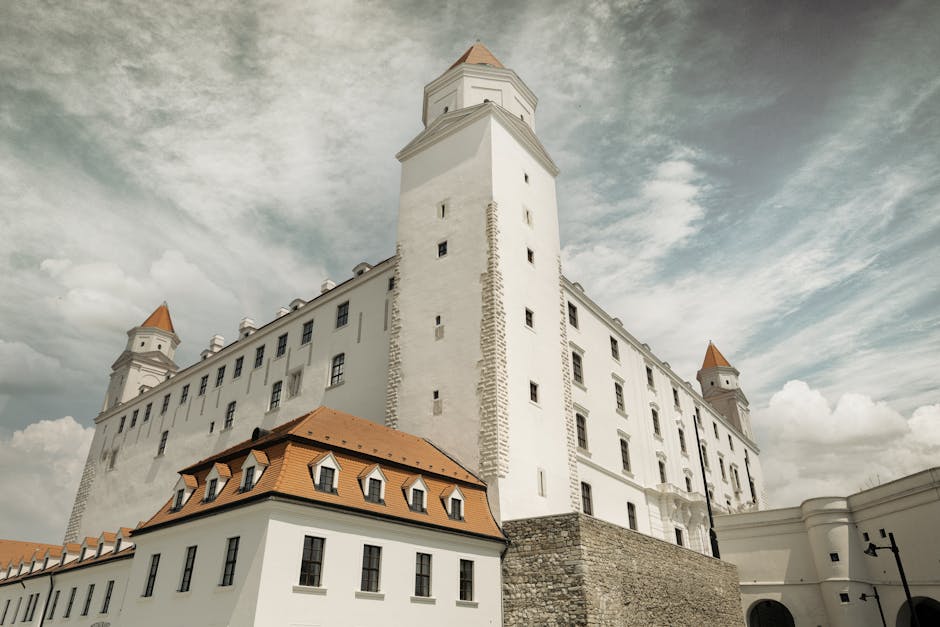
Towering over the city is Bratislava Castle, an imposing rectangular fortress with four corner towers. This site has been inhabited since the Stone Age and was a key stronghold for the Celts, Romans, and later the Hungarian Empire. It was here that the Hungarian Crown Jewels were kept for centuries. The castle burned down in 1811 and sat in ruins for over 140 years before being reconstructed. Legend says a giant once used the inverted castle as a table, which is why it has its unique shape. From the terrace, you can see across the Danube into Austria and, on a clear day, Hungary. It is the ultimate symbol of the city's resilience and its most prominent landmark.
We conclude our self-guided adventure at the Transport Museum, located in the site of the first steam railway station in Bratislava. While it focuses on the history of road and rail transport, it serves as a fitting end to our journey through time. From medieval gates and horse-drawn carriages to the steam engines and vintage cars housed here, you’ve traveled through the technological evolution of the city. The museum sits near the main train station, making it a convenient final stop for those heading onward. The 'ghosts' here are the machines of the past, marking the end of our walk through the legends of the medieval city.
Start Free on iPhone
Explore “Legends and Ghosts of the Medieval City” with your very own Private Tour Guide with Zigway. Start free on iPhone, skip the large group and the fixed routes, and hear the city come alive as you go.
Your Private Tour Guide
Don't miss the good stuff
Explore Freely
 Easy
EasyBratislava, Slovakia
Discover Bratislava’s soul through its historic pubs and traditional flavors on this self-guided walk through the atmospheric Old Town.
 Moderate
Bratislava, Slovakia
Explore the resilient history of Pressburg's Jewish community on this poignant self-guided walk through Bratislava's Old Town and Castle Hill.
 Moderate
Bratislava, Slovakia
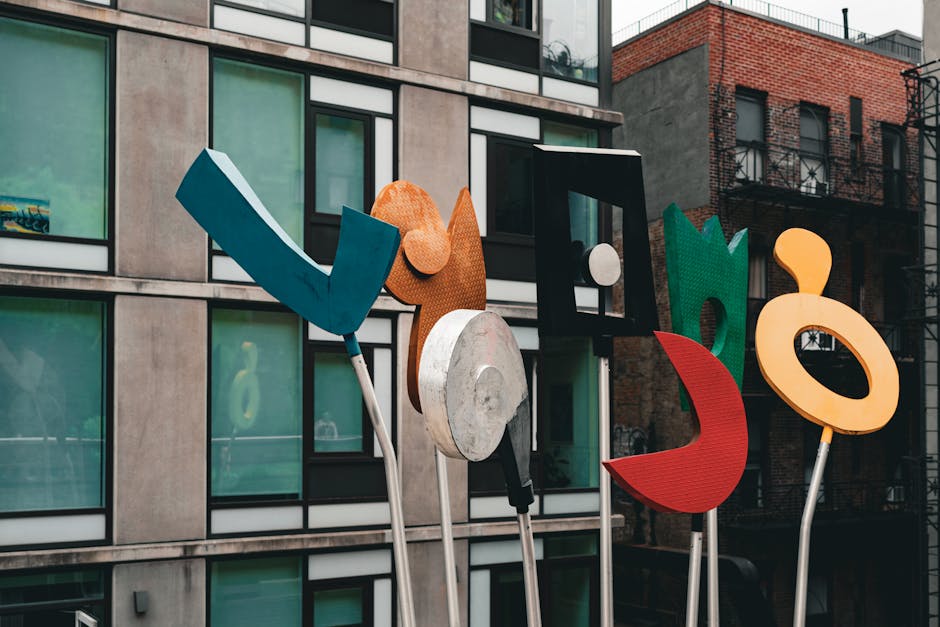
Discover Bratislava’s transformation from industrial heartland to a hub of street art and futuristic Zaha Hadid architecture on this self-guided walk.
 Easy
EasyBratislava, Slovakia
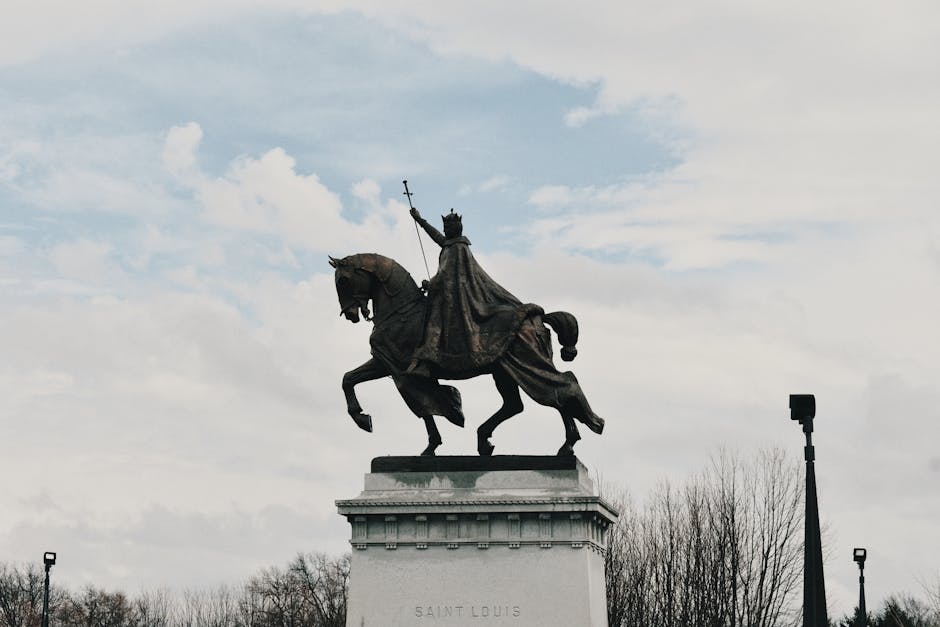
Follow the path of Hungarian kings through Bratislava's Old Town. Discover Michael's Gate, royal palaces, and the cathedral of coronations.
 Easy
EasyGdansk, Poland
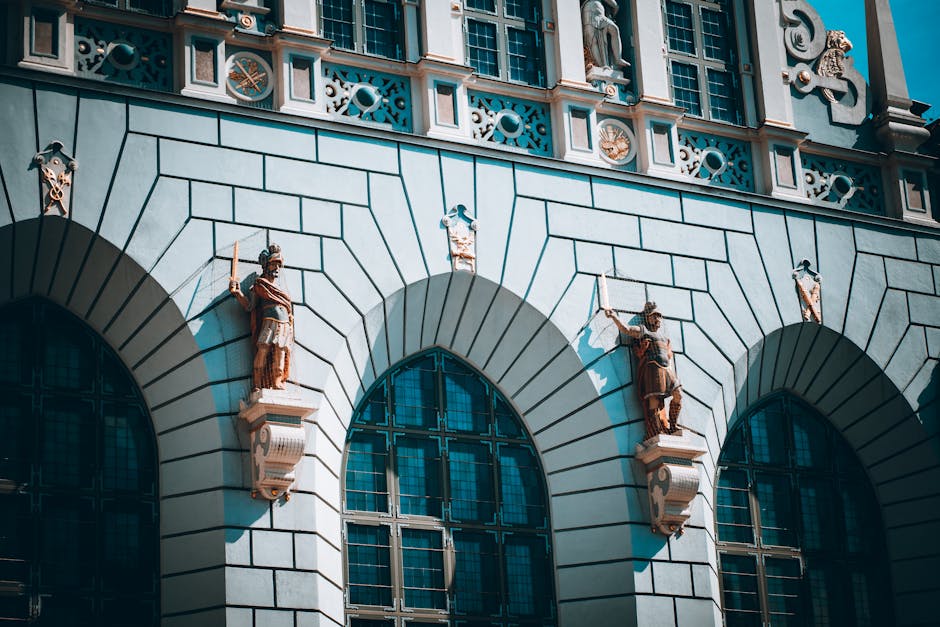
Discover the opulent Royal Way of Gdansk at your own pace. Explore Hanseatic history, gilded architecture, and the iconic Neptune's Fountain.
 Easy
EasyGothenburg, Sweden
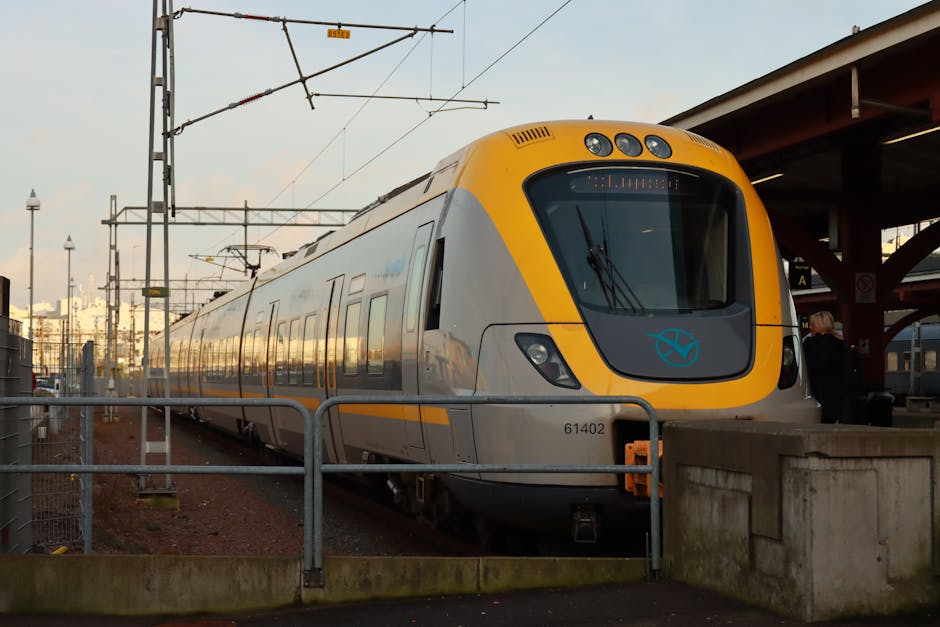
Discover Gothenburg’s 17th-century Dutch foundations, historic canals, and military fortifications on this self-guided architectural walk.
 Easy
EasyNairobi, Kenya
Explore Nairobi's architectural evolution from colonial-era landmarks to iconic Brutalist skyscrapers on this historic self-guided walking route.
 Easy
EasyNairobi, Kenya
Discover Nairobi's iconic skyline on this self-guided architecture walk through the CBD’s most famous modernist and Brutalist landmarks.