Self-guided audio tour in Riga
Start Free on iPhone
Start free on iPhone to unlock this self-guided walking tour in Riga. Hear all the stories that make it amazing, walk at your own pace, and begin whenever you want.
Your Private Tour Guide
Step back into the 13th century and wander through the labyrinthine heart of Vecrīga, where the shadows of Hanseatic merchants and the echoes of ancient legends still linger. This self-guided walk invites you to explore the UNESCO World Heritage site of Riga at your own pace, moving beyond the typical tourist paths to discover the soul of the Latvian capital. From the soaring spire of St. Peter’s Church to the narrowest alleyway in the city, you will encounter the architectural evolution that transformed a small river settlement into a powerful Baltic trade hub. The route focuses on the layers of history hidden within the stones of the Old Town, offering a deep dive into the myths and realities of medieval life. You will see how the city's identity was shaped by German bishops, Swedish soldiers, and the wealthy Brotherhood of the Blackheads. This walking route Riga allows you to pause whenever a Gothic facade or a hidden courtyard catches your eye, ensuring you don't miss the subtle details like the golden roosters atop church spires or the intricate carvings on the city’s oldest dwellings. Whether you are intrigued by the mystery of the Swedish Gate or the legend of the Three Brothers, this audio walk provides the context needed to understand Riga’s complex past. Far from a standard guided tour Riga, this experience is designed for the curious traveler who prefers independence and the flexibility to linger in a medieval square or duck into a basement tavern. As you navigate the cobblestone streets, you will uncover stories of walled-up lovers, protective spirits, and the architectural rivalry that defined the city’s skyline. This neighborhood stroll is more than just a history lesson; it is an immersion into the atmosphere of a city that has survived sieges, fires, and centuries of changing empires, yet remains one of the most preserved medieval centers in Northern Europe.
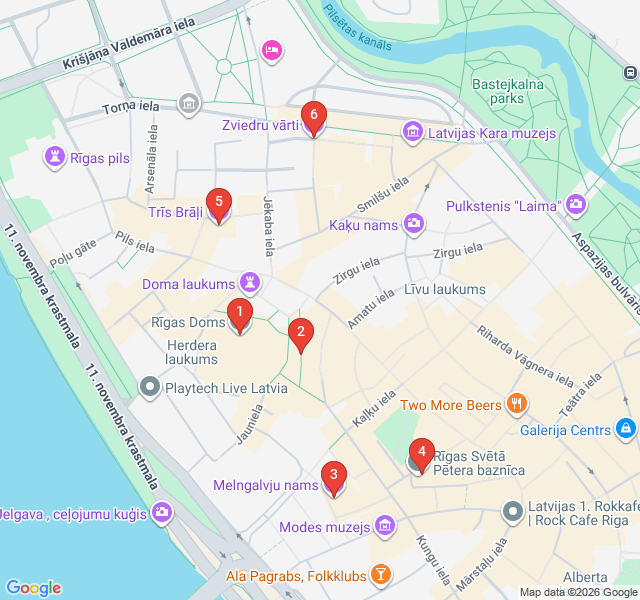
Numbers indicate the order of stops on the tour.
Begin your self-guided adventure at the foundation stone of medieval Riga. Founded in 1211 by Bishop Albert, this Cathedral is the largest medieval church in the Baltic States. As you stand in the square, notice the blend of Romanesque, Gothic, and Baroque styles—a testament to centuries of reconstructions. The Cathedral is famous for its massive pipe organ, which was once the largest in the world. Look up at the spire to see the golden rooster, a symbol used in Riga to indicate the wind direction for merchants and to ward off evil spirits. The square around you was once a crowded marketplace, the pulsing heart of the city's spiritual and commercial life.
Tucked away near the Cathedral is Rozena iela, the narrowest street in all of Riga. In some spots, the alley is so tight that you can extend your arms and touch the ancient stone walls on both sides simultaneously. This street retains the authentic atmosphere of the 13th century, with its uneven cobblestones and lack of modern storefronts. In the Middle Ages, these narrow passages were designed to maximize space within the city's defensive walls. Imagine the echoes of carts and the whispers of merchants who used these shortcuts to transport goods from the river to the warehouses. It is one of the most atmospheric spots for photography in the Old Town.
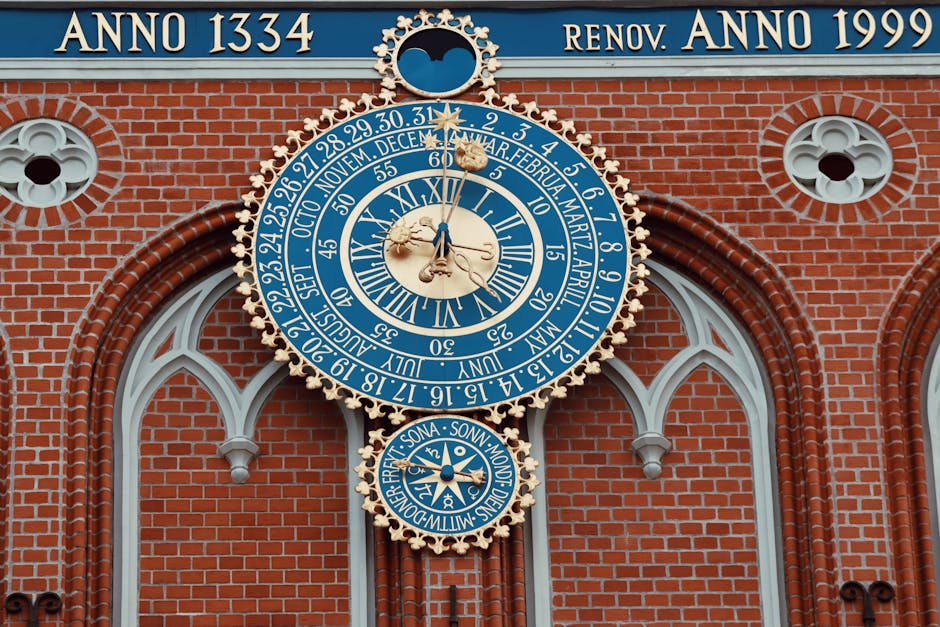
As you enter Town Hall Square, the striking red facade of the House of the Blackheads demands your attention. Originally built in the 14th century, it served as the headquarters for the Brotherhood of the Blackheads, a guild of unmarried German merchants. The guild's patron was Saint Maurice, often depicted as a black moor, which gave the brotherhood its name. The building you see today is a meticulous reconstruction, as the original was destroyed during World War II. Look for the ornate clock and the sculptures of Neptune and Unity on the facade, which reflect the wealth and international connections of the merchants who once held lavish banquets and secret meetings within these walls.
Just a short walk from the square stands St. Peter’s Church, a landmark that has dominated Riga’s skyline since 1209. This church was the pride of the city's merchants, built to rival the Bishop’s Cathedral in height and grandeur. Its wooden spire has been struck by lightning, collapsed, and burned down multiple times throughout history, leading to a local legend that each time it is rebuilt, the architect must throw a glass from the top—the number of shards predicting how many centuries the spire will stand. While the spire is now made of steel, the church remains a symbol of the city's resilience. The interior showcases impressive Gothic vaults and epitaphs of Riga's noble families.
Located on Maza Pils iela, this trio of houses represents the oldest complex of stone residential buildings in Riga. Each 'brother' represents a different architectural era. The 'Oldest Brother' (number 17) dates back to the late 15th century and features Gothic and Renaissance details, including the original stone benches at the entrance. The 'Middle Brother' (number 19) is the most ornate, showing Dutch Mannerist influences from the 17th century. Finally, the 'Youngest Brother' (number 21) is a narrow Baroque building from the late 17th century. Legend says they were built by three men of the same family, and today they house the Latvian Museum of Architecture, preserving the domestic history of the city.
Conclude your walk at the Swedish Gate, the only one of Riga's eight original city gates that still stands. Built in 1698 during the period of Swedish rule, it was literally knocked through the wall of a private house to provide better access to the barracks outside. The gate is shrouded in folklore; one story tells of a young girl who fell in love with a Swedish soldier and was supposedly walled into the gate as punishment. Locals say that if you walk through at midnight, you might still hear her whispers. Nearby, you can see a remaining section of the medieval city wall and the Ramer Tower, giving you a clear picture of how fortified Riga once was.
Start Free on iPhone
Explore “Medieval Legends and Hidden Alleys of Vecrīga” with your very own Private Tour Guide with Zigway. Start free on iPhone, skip the large group and the fixed routes, and hear the city come alive as you go.
Your Private Tour Guide
Don't miss the good stuff
Explore Freely
 Moderate
Riga, Latvia
Discover Riga's Soviet-era architecture and history, from the KGB building to the iconic Stalinist Academy of Sciences on this self-guided walk.
 Easy
EasyRiga, Latvia
Explore Riga's lush 'Green Belt,' a scenic chain of historic parks, monuments, and romantic canals along the city's grand 19th-century boulevards.
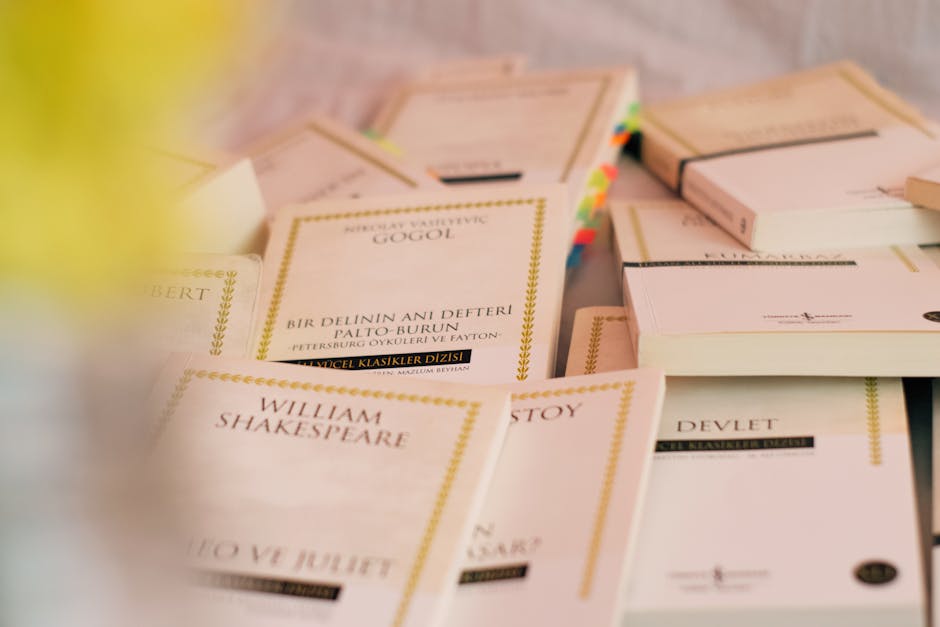 Easy
EasyRiga, Latvia
Explore Riga's poetic soul through its grand parks and iconic libraries on this self-guided literary walking route.
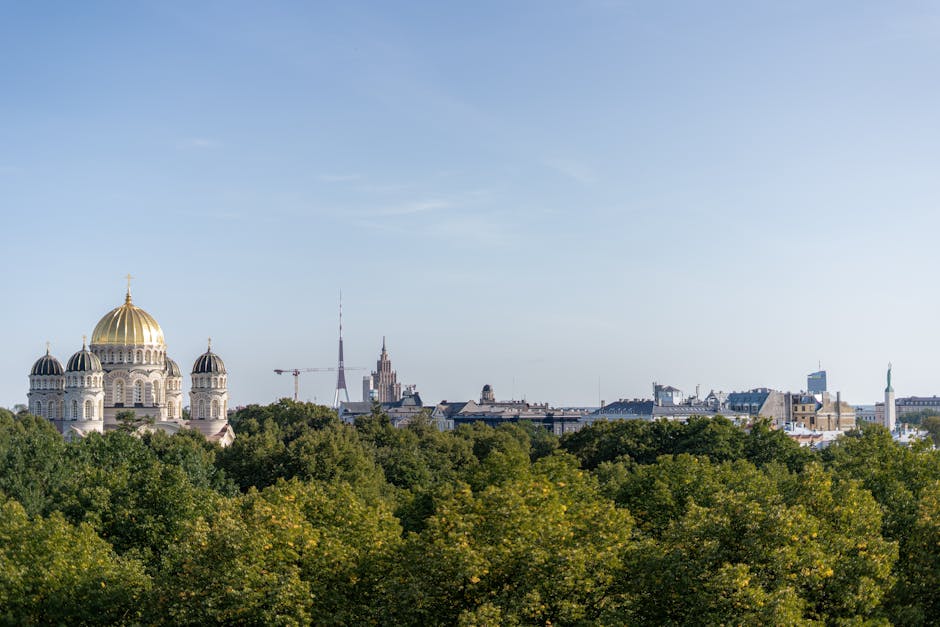 Moderate
Riga, Latvia
Discover Riga's modern skyline and historic wooden architecture on a scenic island walk with stunning river views and futuristic design.
 Easy
EasyNairobi, Kenya
Explore Nairobi's architectural evolution from colonial-era landmarks to iconic Brutalist skyscrapers on this historic self-guided walking route.
 Easy
EasyNairobi, Kenya
Discover Nairobi's iconic skyline on this self-guided architecture walk through the CBD’s most famous modernist and Brutalist landmarks.
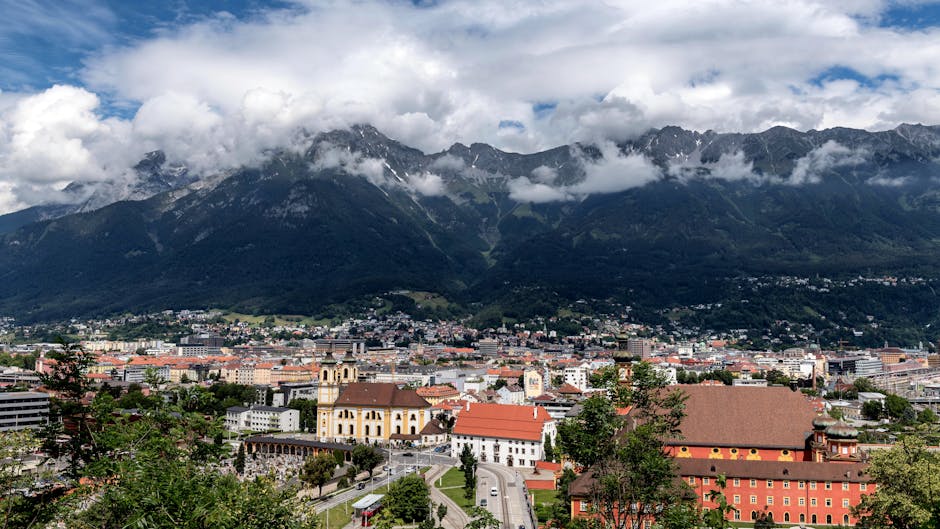 Easy
EasyInnsbruck, Austria
Uncover the myths and legends of Innsbruck on this self-guided walk through the historic Altstadt and beyond.
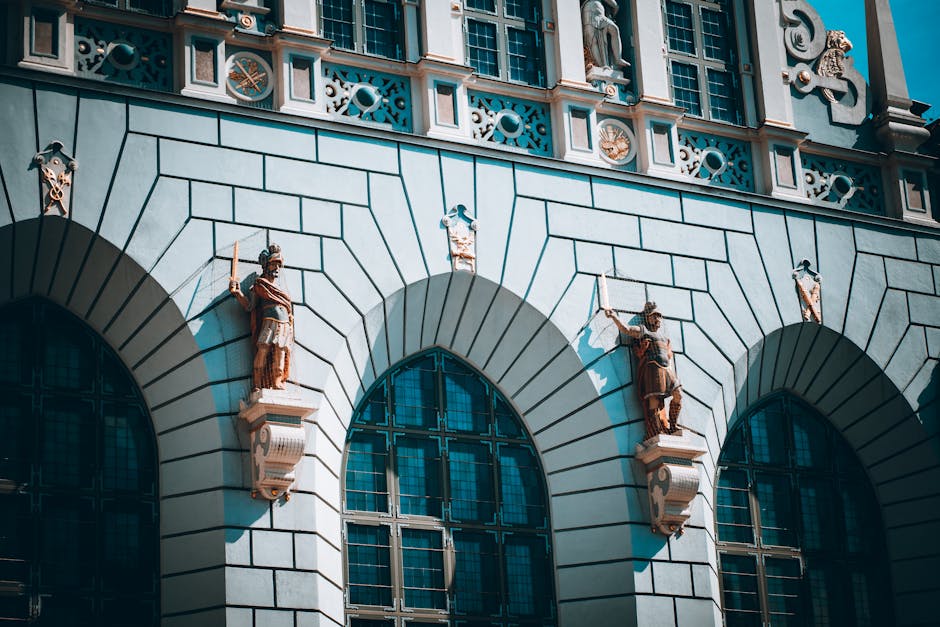 Easy
EasyGdansk, Poland
Discover the opulent Royal Way of Gdansk at your own pace. Explore Hanseatic history, gilded architecture, and the iconic Neptune's Fountain.